-

Disponible maintenant
En stock au dépôt et prêts à partir; sauf indication contraire, nos cafés sont déjà arrivés grâce à notre réseau de partenaires.
-

Payez dans votre devise préférée
Nous prenons en charge plus de 30 devises, pour que vous puissiez payer dans le format qui vous convient le mieux.
-

Achetez maintenant, payez plus tard
Des conditions de paiement souples, adaptées à vos besoins ; nous proposons un financement sans intérêts et des délais de paiement prolongés.


Cafés populaires Ouganda
Ces cafés verts du Burundi ont d'excellentes critiques et attirent beaucoup d'attention sur Green Coffee Collective.
-
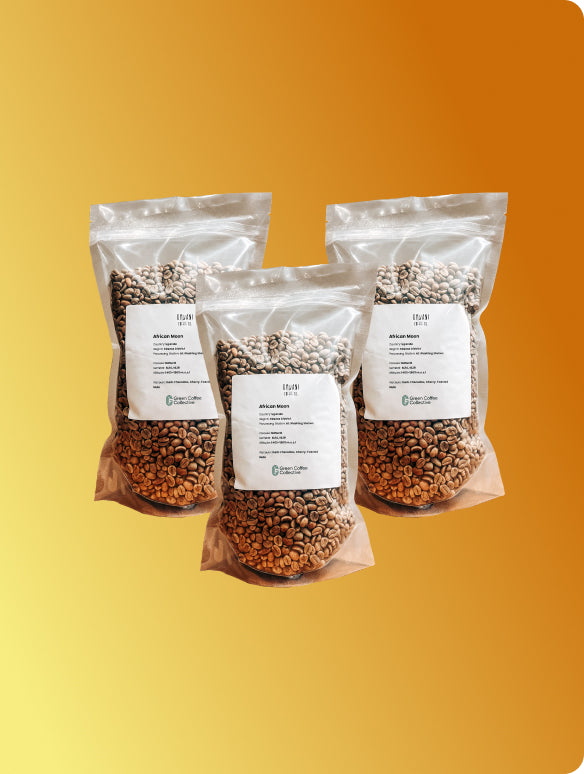
Lune d'Afrique
Cupping Score83.75Processing MethodVarietalSL 14, SL 28Main Flavour NotesChocolat noir | Sucre brun | Noix de pécan | Noix de cajou | PruneauExplore nowIn stock- 5 -
Kwezi Natural - Drugar Premium
Cupping Score85.0Processing MethodVarietalSL 14Main Flavour NotesFruité | Noisette | Miel | ChocolatExplore nowOut of stock -
Vol de minuit
Cupping Score86.5Processing MethodVarietalSL 14, SL 28Main Flavour NotesCassis | Agrumes confits | Juteux | SucréExplore nowOut of stock


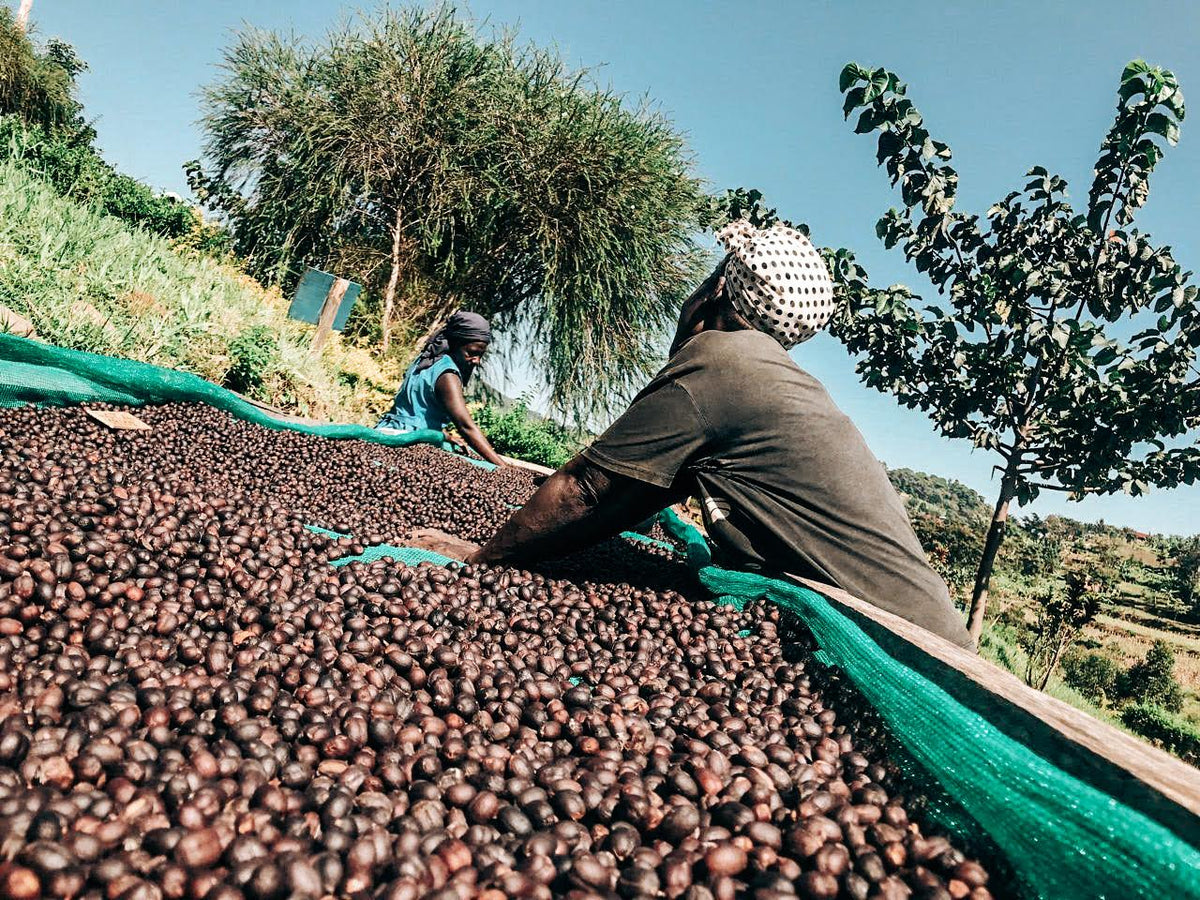


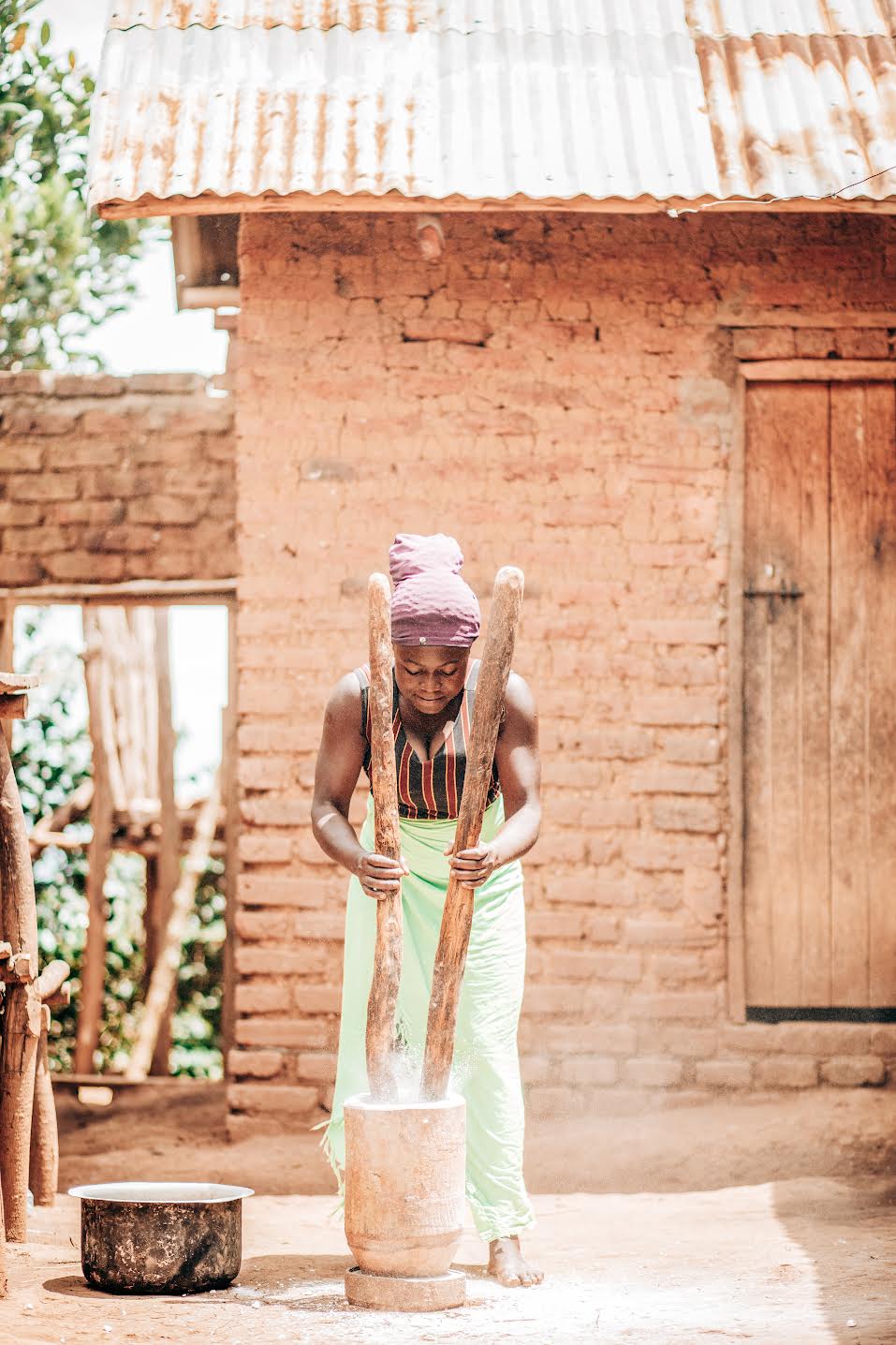
Statistiques rapides sur le café vert Ouganda
-

Périodes typiques de récolte du café en Ouganda
-

Principales régions productrices de café en Ouganda
-

Les variétés de café ougandaises les plus courantes
-

Familles ougandaises qui dépendent du café pour leurs revenus
-

La position de l'Ouganda dans le classement mondial des exportations de café
-

Total de 60 sacs de 60 kg exportés annuellement d'Ouganda


Café Ouganda Les Mieux Notés Pour La Torréfaction À Domicile
La communauté des torréfacteurs est unanime : ces cafés sont très appréciés pour leur qualité, leur constance et leur transparence.
-
Titre du produit
Prix habituel €19,99 EUR
Prix soldé €19,99 EUR Prix habituelPrix unitaire / par -
Titre du produit
Prix habituel €19,99 EUR
Prix soldé €19,99 EUR Prix habituelPrix unitaire / par -
Titre du produit
Prix habituel €19,99 EUR
Prix soldé €19,99 EUR Prix habituelPrix unitaire / par -
Titre du produit
Prix habituel €19,99 EUR
Prix soldé €19,99 EUR Prix habituelPrix unitaire / par
Producteurs De Café Experts De Ouganda
-

Agri Evolve

Votre guide du café de Ouganda
-
Histoire du café en Ouganda
-
Quel est le meilleur moment pour s'approvisionner en café ougandais ?
-
Comment acheter et importer du café d'Ouganda ?
-
Quel type de café ougandais est le meilleur ?
-
Quel est le statut du café en Ouganda ?
Nos partenaires qui sourcent le café de Ouganda
-
Omwani
Ouganda | Burundi | Rwanda | Kenya | Éthiopie | Malawi | Mozambique et Madagascar
Vos questions, répondues
Qu’est-ce que le Green Coffee Collective?
Nous sommes une communauté de producteurs de café et d’experts du sourcing, tous unis pour rendre l’accès au café vert simple - que vous soyez un torréfacteur amateur à domicile ou un professionnel qui torréfie des centaines de tonnes par an.
Notre plateforme est conçue pour simplifier l’achat de café vert, comme n’importe quelle expérience d’achat en ligne. Pas de complications, juste d’excellents cafés à portée de main.
Comment trouver le café qui me correspond?
C’est très simple! Rendez-vous sur nos pages café et utilisez les filtres de recherche pour affiner ce que vous cherchez. Que ce soit l’origine, le procédé ou la variété, les filtres vous permettent de trouver facilement exactement ce qu’il vous faut.
Vous pouvez aussi explorer les grandes catégories de café via le menu principal de notre site. Essayez - c’est clair et rapide, et si vous avez besoin d’aide, nous sommes toujours là!
Vos cafés sont-ils sourcés de manière éthique et durable?
Absolument! Nous sourçons tous nos cafés soit directement auprès des producteurs, soit par l’intermédiaire de partenaires de sourcing de confiance, tout aussi engagés que nous en matière de pratiques éthiques.
Nous prenons le temps de nous assurer que les personnes derrière le café sont traitées équitablement.
Et si vous souhaitez en savoir plus, vous pouvez explorer nos valeurs.
Puis-je annuler ma commande?
Aucun souci ! Si votre commande n’a pas encore été expédiée, envoyez-nous simplement un e-mail à orders@greencoffeecollective.com avec votre numéro de commande, et nous nous en occupons.
Si elle est déjà en route, nous pouvons toujours vous aider - il faudra simplement organiser un retour.
Dans tous les cas, écrivez-nous et nous réglerons ça pour vous. Vous gardez le contrôle!
Comment savoir si vos cafés sont de grande qualité?
On vous comprend - la qualité, c’est essentiel !
C’est pour cela que nous proposons des échantillons pour la majorité de nos cafés : si vous avez un doute, vous pouvez les tester vous-même avant d’acheter.
Chaque café est également accompagné d’un rapport de cupping clair et détaillé, basé sur le protocole SCA, avec toutes les notes aromatiques.
Nous misons sur la transparence, afin que vous sachiez exactement ce que vous achetez!
Comment contacter votre équipe?
Oui, absolument! Nous adorons échanger avec nos clients.
Si vous avez une question ou besoin d’aide, envoyez-nous simplement un e-mail à hello@greencoffeecollective.com, et un membre de notre équipe se fera un plaisir de vous aider.
Nous sommes toujours là pour vous accompagner!
Quelles tailles ou quantités puis-je commander?
Nous proposons du café à partir de 0,5 kg (1 lb) et jusqu’aux sacs complets.
Si vous cherchez des quantités plus importantes que celles disponibles sur notre site, il suffit de nous contacter! Nous serons ravis de vous aider à organiser et à passer une commande personnalisée.
Nous sommes là pour que vous obteniez exactement ce dont vous avez besoin.
ChatGPT said: Sous combien de temps recevrai-je ma commande?
Si vous choisissez la livraison express, votre commande peut arriver en seulement 24 heures (selon votre région).
Pour la plupart des commandes, si vous la passez avant midi, nous l’expédions le jour même. Sinon, elle partira dès le lendemain.
Nous faisons tout pour que votre café vous parvienne le plus rapidement possible.