Robusta

Robusta

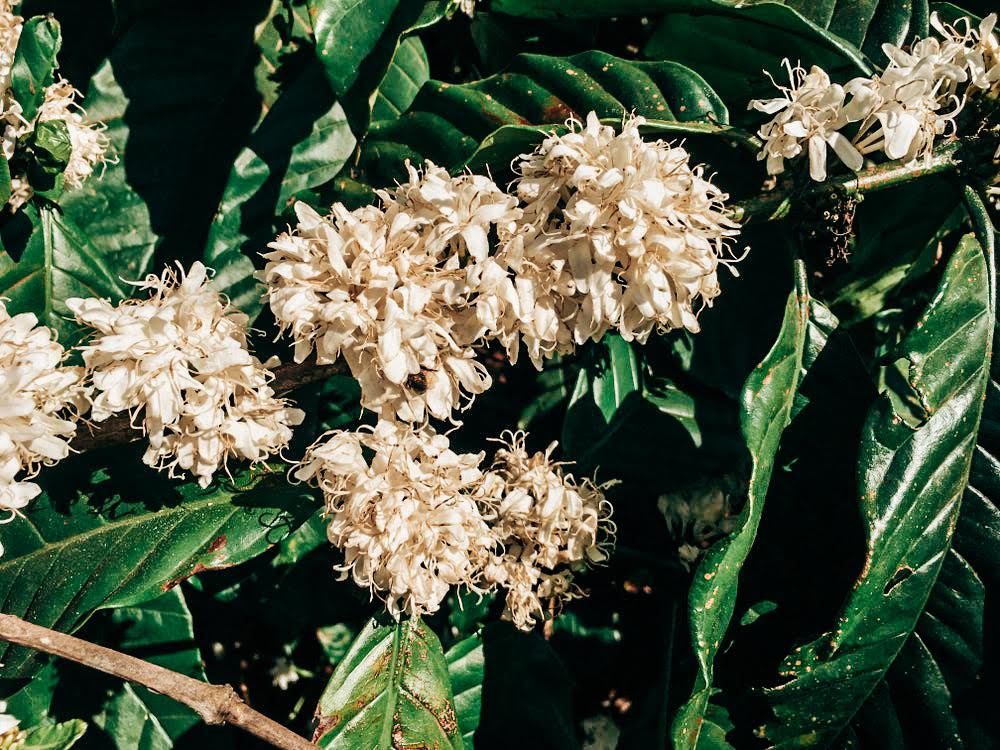
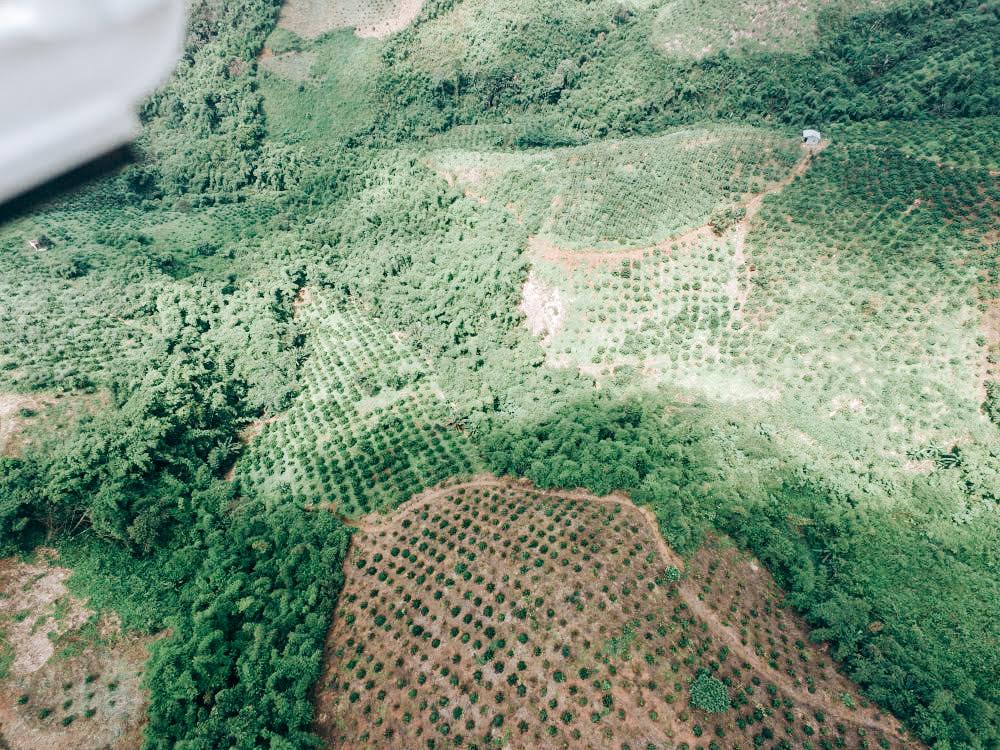
Le Robusta est reconnu pour son intensité aromatique, sa teneur élevée en caféine et ses profils souvent terriens et noisettés. Longtemps cantonné aux assemblages et aux cafés de qualité commerciale, il a été associé à des tasses puissantes et amères, mais cette perception évolue. Grâce à de meilleures pratiques culturales et de transformation, le Robusta de spécialité gagne progressivement en reconnaissance. Cette collection rassemble des robustas sélectionnés pour leur corps, leur structure et leur régularité, allant de lots traditionnels à des exemples plus récents, axés sur la qualité.

Looking to make a saving?

Build your own one-off bundle. Choose from a diverse selection expertly curated coffees from across over 30 countries and save up to 25%.

Start building bundle
  • What is Robusta, and how is it different from Arabica?

    Robusta (Coffea canephora) is one of the two main commercially grown coffee species. It’s naturally higher in caffeine – often around twice as much as Arabica – and grows at lower altitudes with greater resistance to pests and disease. The flavour is typically more intense, with bitter, earthy, or nutty notes, and a heavier body. It’s often used in espresso blends for its crema and punch.

  • What does ‘specialty-grade Robusta’ mean?

    Traditionally, Robusta has been associated with lower quality and used mainly in instant coffee or as a filler. But that’s changing. Specialty-grade Robusta is grown and processed with far more care – better picking, fermentation, and drying methods – leading to a cleaner cup, with more complexity and balance. While still bold, it can offer notes of dark chocolate, spice, and even fruit, especially when single-origin and well-roasted.

  • When should I consider using Robusta?

    Robusta is a great choice when you’re looking for strength, structure, and intensity. It’s especially useful in espresso blends where you want crema and body, or in cold brew and milk-based drinks where boldness cuts through. It can also be an affordable option when cost and consistency matter, without giving up too much on flavour.

  • Commercial

    Commercial

    Des cafés verts fiables et au bon rapport qualité-prix, aux profils constants, idéals pour monter en volume sans les prix des microlots.

  • 85-88 Scoring Coffees

    Cafés notés entre 85 et 88

    Notés entre 85 et 88, ces cafés verts offrent clarté et équilibre, sans les prix des lots de compétition.

  • 81-84 Scoring Coffees

    Cafés notés entre 81 et 84

    Des cafés verts accessibles aux profils classiques et équilibrés – une qualité fiable sans prix premium.

  • Competition

    Compétition

    Des cafés verts de compétition, aux profils distinctifs, à la grande précision et à la traçabilité poussée, pour soutenir vos meilleures performances.

  • Vietnam Green Coffee Beans

    Vietnam Green Coffee Beans

    From strong robustas to refined arabicas, Vietnam’s coffees offer body, intensity, and growing complexity.

  • Indian Green Coffee Beans

    Indian Green Coffee Beans

    Bold and distinctive, Indian coffees offer rich flavour with notes of spice, earth, and dark chocolate.

Vos questions, répondues

Is Robusta lower quality than Arabica?

Not always. Commodity-grade Robusta is often rougher and less complex, but when grown and processed well, specialty Robusta can offer a clean, bold cup with real character.

Does Robusta have more caffeine than Arabica?

Yes – usually about twice as much. That’s part of what gives it its strong, bitter edge, and why it’s popular in blends and high-caffeine brews.

What does Robusta taste like?

Traditional Robusta is earthy, woody, and bitter with a heavier body. Higher-quality examples can show chocolate, spice, or even fruit, depending on origin and processing.

Is Robusta good for espresso?

Definitely. It’s often used to add crema, body, and punch to espresso blends. Some roasters also explore it as a standalone option for bold, intense shots.

Can Robusta be used for filter brewing?

It can, though it's less common. Robusta’s intense profile can come through strongly in filter methods. Blending with Arabica or using a lighter roast can help balance it out.

Is Robusta easier to grow than Arabica?

Yes – Robusta is more resilient. It handles heat, pests, and disease better, and can be grown at lower altitudes. That’s one reason it’s often cheaper than Arabica.