Sourced by Kindred Forest. Fulfilled by Green Coffee Collective.

Buy high-quality green coffee in small volumes, with fast delivery.

  • About Kindred Forest

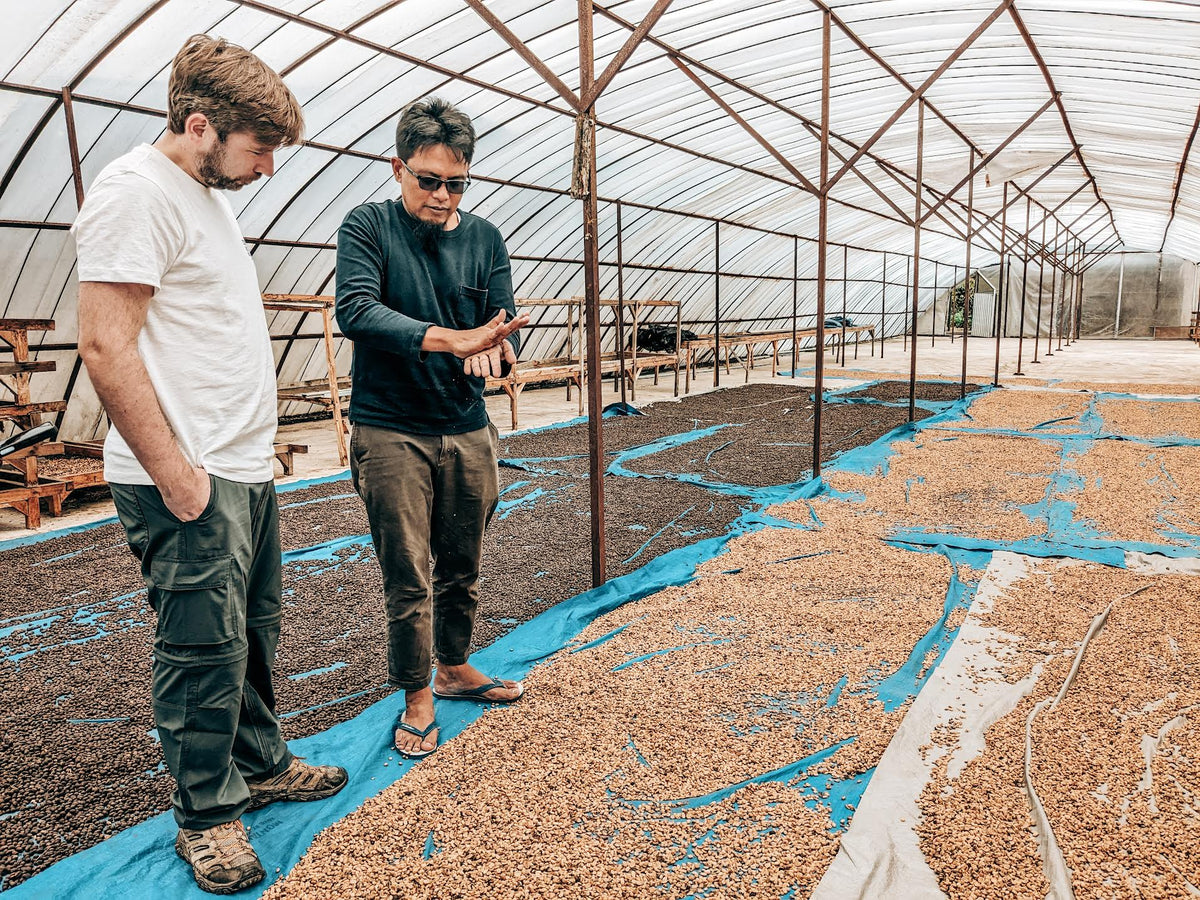
    Kindred Forest was founded by Ben and Katya, whose journey began with visits to rainforest communities across Latin America and Asia in search of lasting economic solutions that could preserve rainforests and the cultural wisdom that thrives within them. The business is built on a single conviction: that the finest ingredients on earth come from the world's most biodiverse places, and that buying from those places - done correctly - is one of the most effective tools available for protecting them.

    Kindred Forest was founded by Ben and Katya, whose journey began with visits to rainforest communities across Latin America and Asia in search of lasting economic solutions that could preserve rainforests and the cultural wisdom that thrives within them. The business is built on a single conviction: that the finest ingredients on earth come from the world's most biodiverse places, and that buying from those places - done correctly - is one of the most effective tools available for protecting them.

    Kindred Forest is a member of the Wildlife Friendly Enterprise Network, holding Wildlife Friendly® certification - the only certification that imposes rigorous standards for hunting bans, key species conservation, and habitat protection, alongside requirements for gender equality and positive local economic impacts. Every coffee they source is fully traceable, shade-grown, and directly linked to a conservation project. A portion of profits is reinvested into those projects.

    Kindred Forest sources rare ingredients from rainforest communities worldwide - including wild-harvested Bolivian cacao and chocolate, organic Arenga forest sugar from North Sulawesi, and specialty coffee from across Indonesia and beyond. The coffees available through GCC represent the green coffee component of their range.

  • A Journey Into the Rainforest

    Before Kindred Forest existed as a business, it existed as a series of journeys. Ben and Katya spent years visiting rainforest communities across Latin America and Asia, driven by a question that didn't have an easy answer: what does a genuinely sustainable economic model look like for the people living inside - and dependent on - these ecosystems?

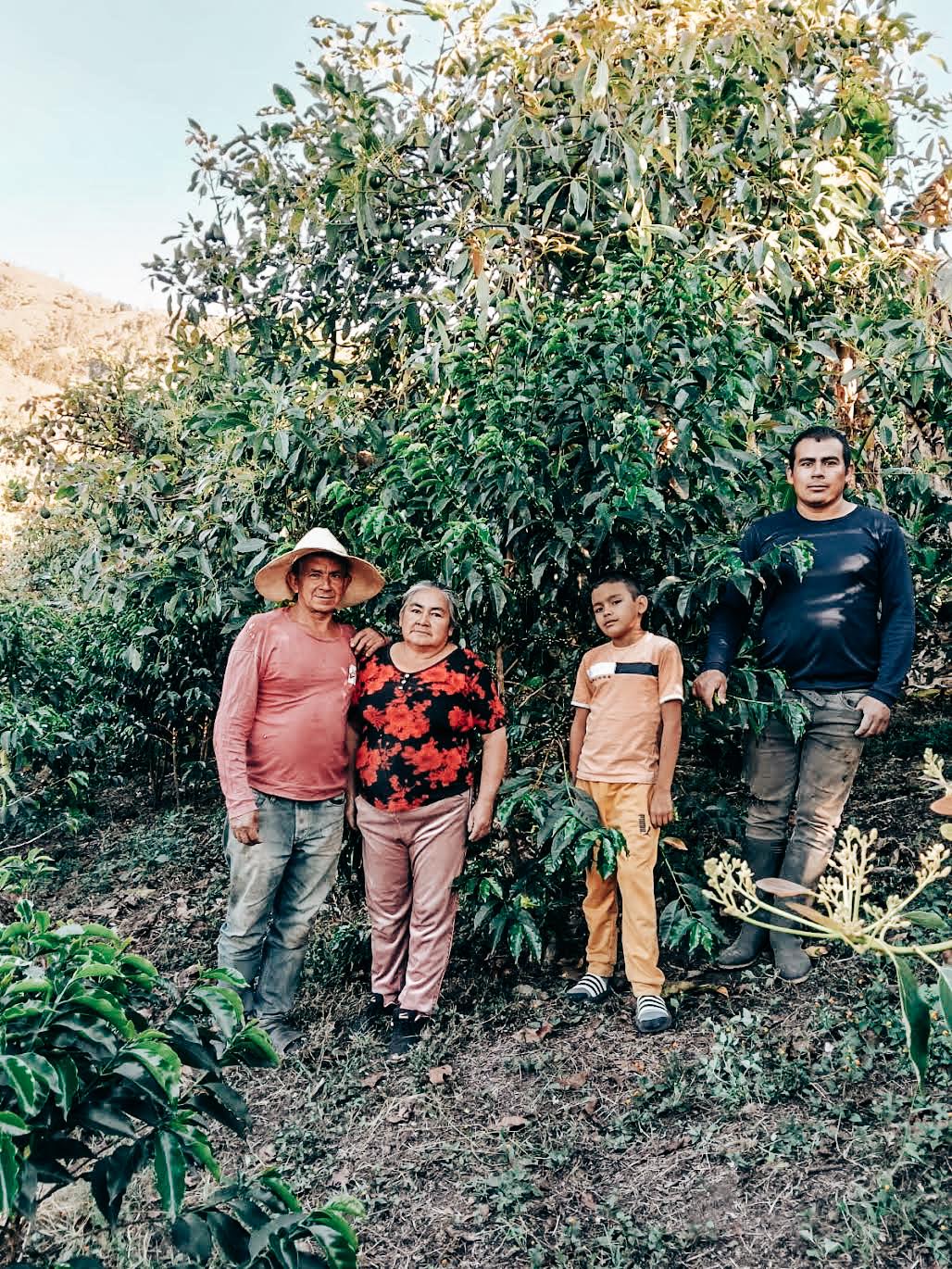
    What they found, repeatedly, was that the communities with the most at stake in conservation were also the most economically marginalised. The ingredients they were producing - wild cacao, shade-grown coffee, forest sugar - were exceptional in quality and almost entirely invisible to the international markets that could pay a fair price for them. The gap between what existed in the forest and what was available to buyers outside it was the space Kindred Forest was built to close.

    Every sourcing decision Kindred Forest makes traces back to those visits - to specific communities, specific landscapes, and specific conversations about what it would actually take to make conservation economically viable for the people responsible for it.

  • Indonesia - Three Ecosystems, Three Coffees

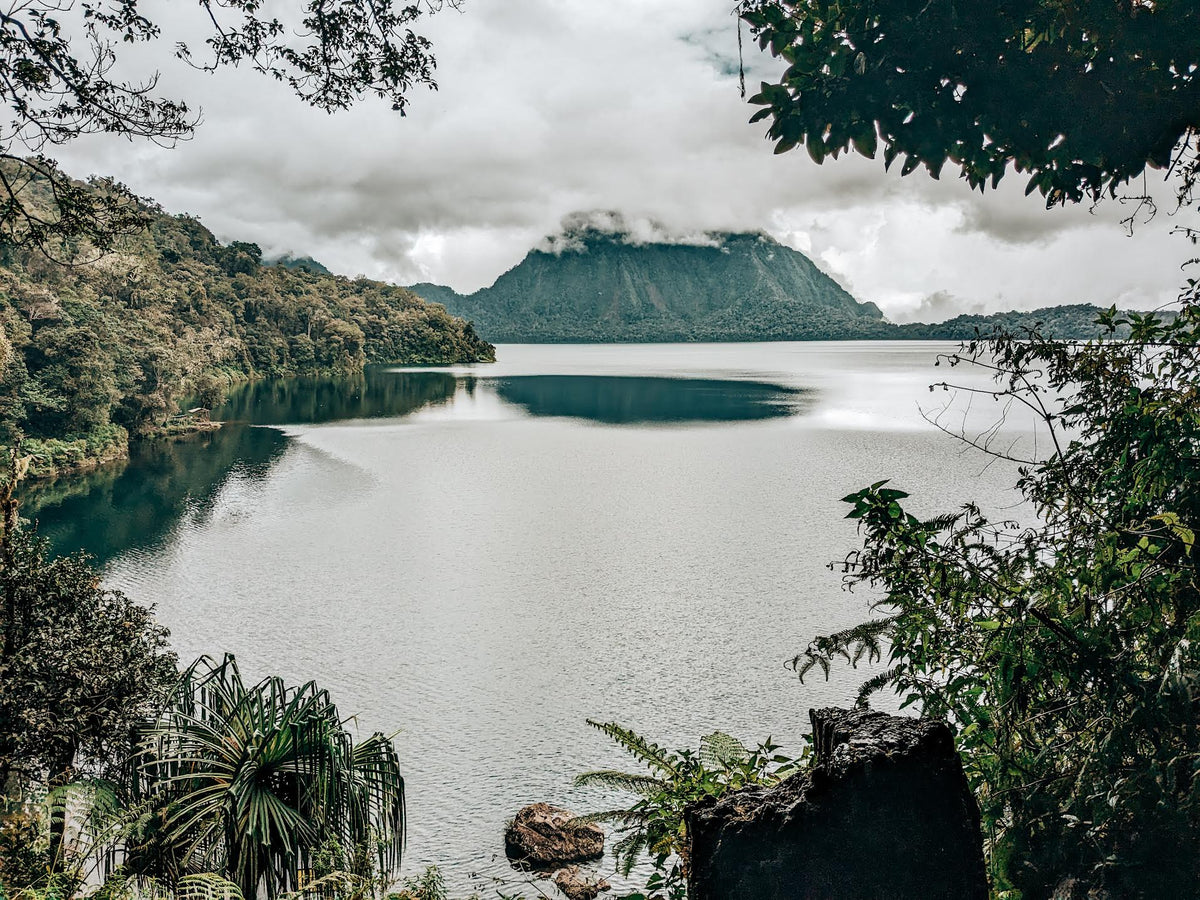
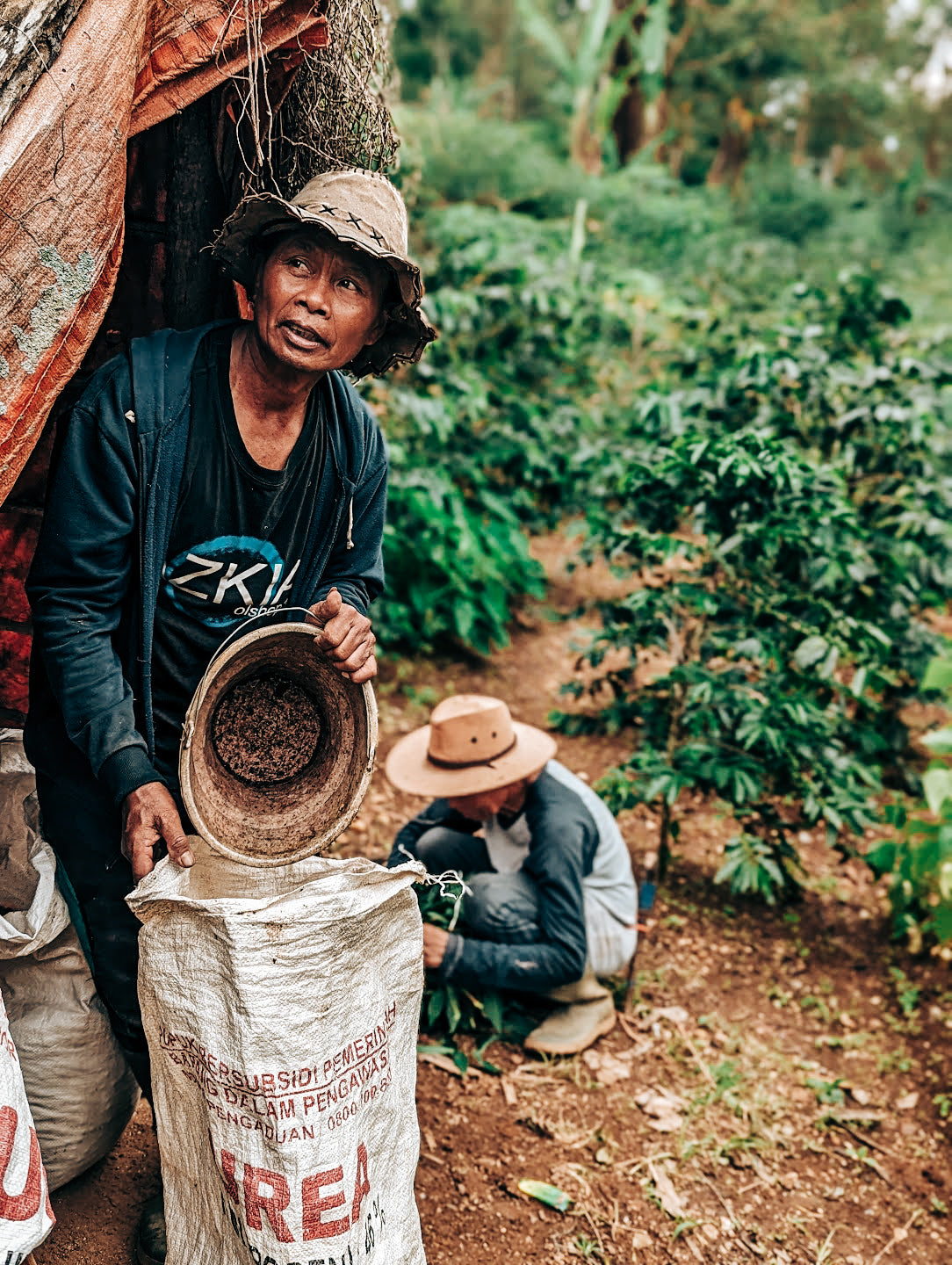
    Indonesia is one of the world's most biodiverse countries, and the three coffees Kindred Forest sources from there reflect the scale of that diversity. Each comes from a distinct island, a distinct ecosystem, and a distinct community - with a different endangered species at the centre of its conservation story.

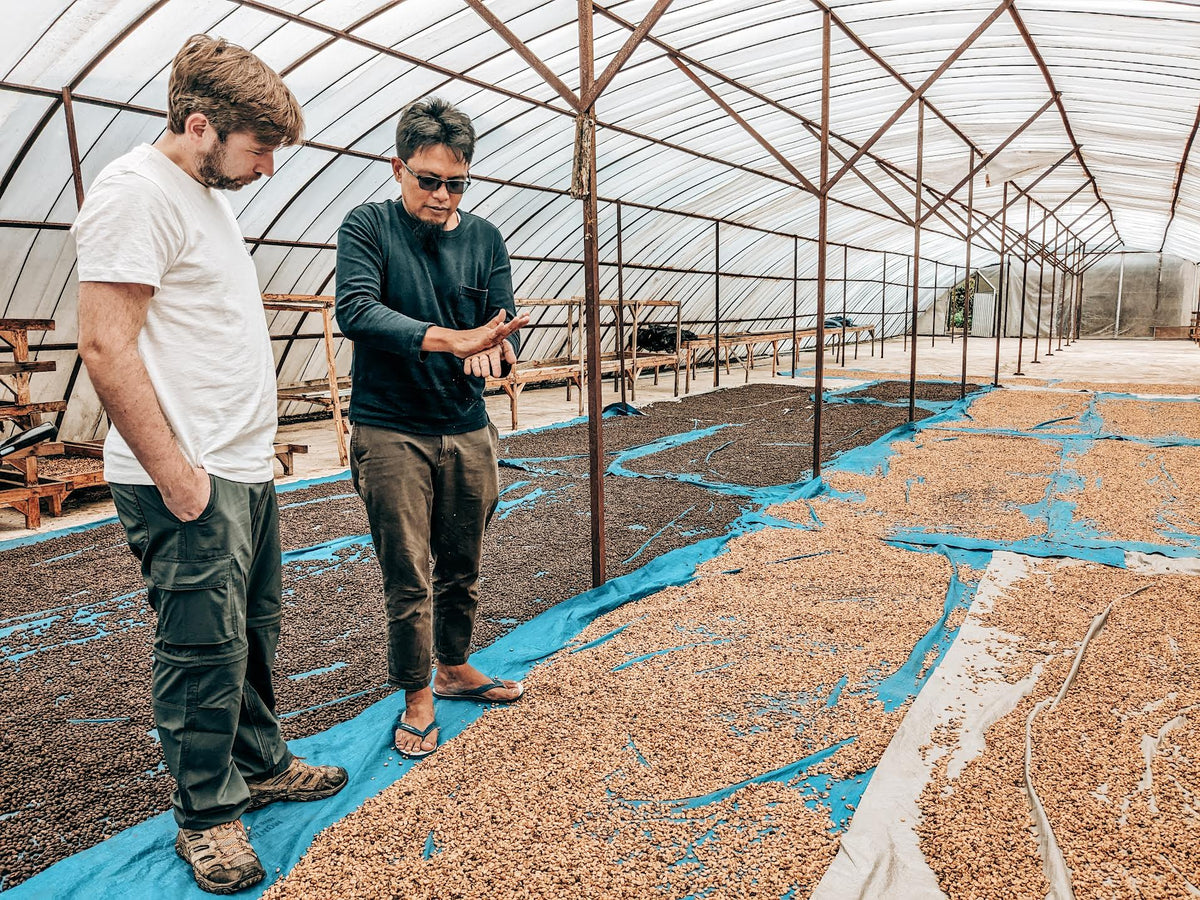
    In West Java, the Natural Arabica from Cipaganti is grown across 60 hectares of interconnected home gardens at 1,450 metres above sea level, under native canopy in the shadow of the Gunung Papandayan Protected Forest. The farming community here has committed to a complete hunting and littering ban since December 2019, protecting the habitat of the endangered Javan slow loris.

    In Sumatra, the ALKO Cooperative's Washed and Honey Arabicas come from over 400 farmers in the Kerinci region, growing at 1,300 to 1,650 metres on volcanic soil adjacent to Kerinci Seblat National Park - home to the critically endangered Sumatran tiger. ALKO uses blockchain technology to provide complete price transparency and traceability, with encroachment into the national park actively prevented through the cooperative's structure.

    In Central Java, the Natural Robusta from Petungkriyono is grown at 400 to 500 metres under native forest and traditional polyculture systems, without chemical fertilisers. The SwaraOwa Foundation has transformed former hunters and loggers in this community into sustainable coffee farmers, protecting the habitat of the endangered Javan gibbon. SwaraOwa has raised the quality of their robusta to specialty grade - an exceptional clean cup that challenges assumptions about what robusta can be.

  • What Wildlife Friendly® Actually Means

    Wildlife Friendly® is not a marketing label. It is the only international certification that imposes rigorous standards for hunting bans, key species conservation, and habitat protection alongside requirements for gender equality and demonstrable positive economic impact for local communities. Kindred Forest is a member of the Wildlife Friendly Enterprise Network - a community of businesses working together to support sustainable solutions that honour farmers, artisans, the land, and wildlife.

    To qualify, a sourcing project must meet and maintain standards that go significantly further than organic or Fairtrade certification. Hunting bans must be enforced. Key species must be actively monitored and protected. Habitat must be demonstrably preserved. These are not self-reported commitments - they are independently verified requirements.

    For roasters buying through GCC, this means that every Kindred Forest coffee has been assessed against a standard specifically designed to protect the ecosystems it comes from. The certification is not incidental to the quality of the coffee - the shade-grown, agroforestry farming systems required to meet Wildlife Friendly® standards are also what produce the distinctive cup profiles that make these coffees worth sourcing.

  • The Economics of Conservation Coffee

    The conservation projects Kindred Forest works with face a common challenge: the farmers and communities most committed to protecting their surrounding ecosystems are often the ones with the least access to markets that reward that commitment. Leaving part of a farm as forest means less production. Using organic practices comes at an expense. The economic case for conservation only holds if the coffee produced within it can be sold at a price that reflects the cost of producing it responsibly.

    Kindred Forest's model is built around making that economic case work. By sourcing directly from conservation projects, providing full traceability to buyers, and reinvesting a portion of profits back into the projects themselves, they create a funding loop that keeps conservation viable rather than dependent on grants or charity. The quality of the coffee is what makes the model sustainable - because it gives roasters a commercial reason to keep buying, not just an ethical one.

    Kindred Forest's coffees available through GCC are priced to reflect the cost of the conservation practices behind them. For roasters, buying these coffees is both a sourcing decision and a direct contribution to the projects that produced them.

How we package
our coffees

Barrier packaging designed for specialty coffee.

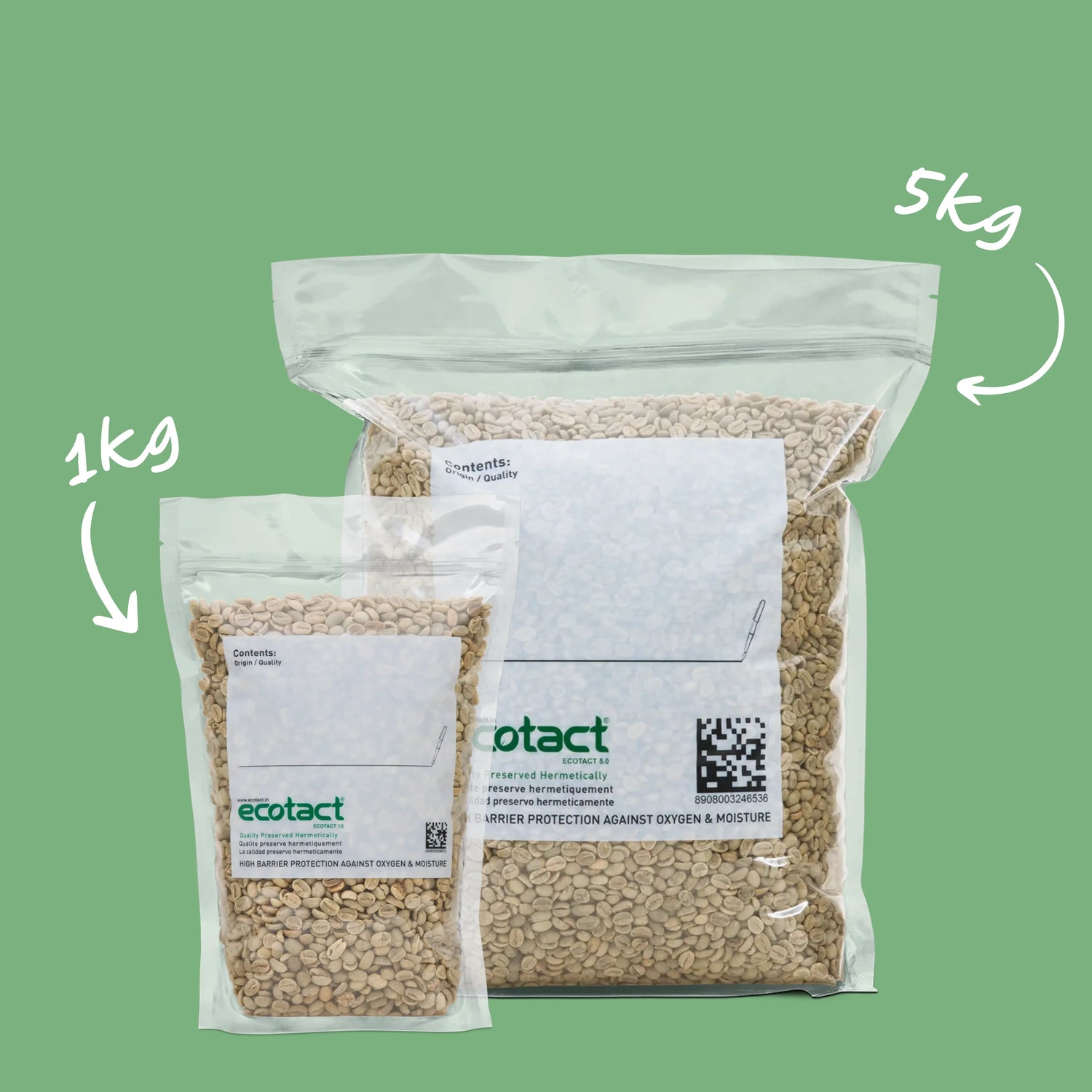
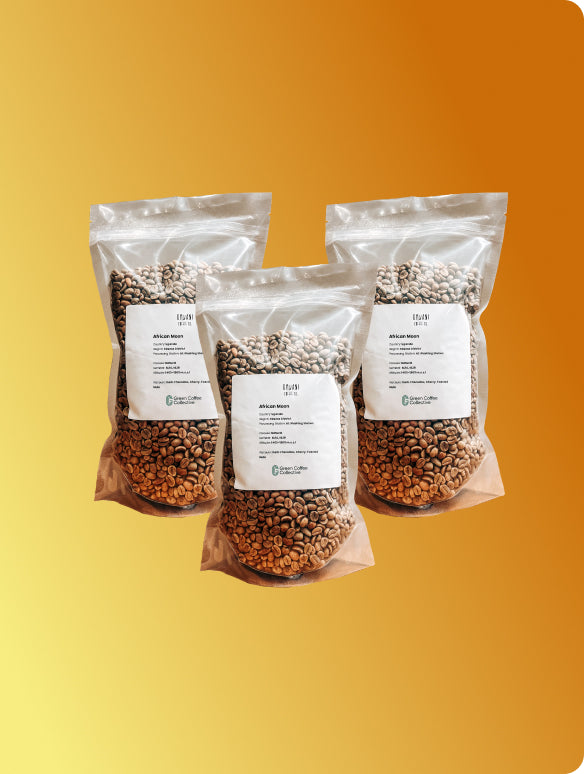
We use Ecotact bags because they offer high-barrier protection against oxygen, moisture, and external contaminants. This helps preserve the quality, aroma, and flavour potential of your green coffee during transport and storage. They're trusted by top producers and importers worldwide.

Heat-Sealed for Maximum Protection

Every bag is professionally heat sealed at our warehouse to lock in freshness. This creates a secure seal that prevents exposure to air or humidity - keeping your green coffee stable, even over long periods.

Convenient Resealable Zip Closures

Once opened, each bag has a resealable zip to help you store and protect the rest of your coffee between roasts. It’s a simple way to reduce waste and maintain freshness - especially helpful for home roasters or sampling.

Portion sizes for any roaster.

Whether you're roasting at home or running a production line, we've got a size to suit. Choose from 0.5kg, 1kg, or 5kg bags - all packed with the same level of care. Smaller volumes make it easy to try new coffees without the commitment.

Responsible packaging choices.

Our bags are made from Graded 7 multi-layer recyclable plastic. While they may not go in your home recycling bin, they are accepted by specialist facilities. More importantly, they reduce waste by dramatically extending the shelf life of your green coffee.
Your questions, answered

Who are Kindred Forest?

Kindred Forest is a London-based sourcing company founded by Ben and Katya. They source rare, wildlife-friendly specialty green coffee from rainforest communities worldwide, alongside wild-harvested cacao and other rainforest ingredients. Every product is tied to a specific conservation project, and a portion of profits is reinvested into those projects. Kindred Forest is a member of the Wildlife Friendly Enterprise Network.

What does Wildlife Friendly® certification mean?

Wildlife Friendly® is the only certification that imposes rigorous standards for hunting bans, key species conservation, and habitat protection, while also requiring gender equality and demonstrable positive local economic impact. It goes significantly further than organic or Fairtrade certification in its requirements around wildlife and ecosystem protection.

Are all Kindred Forest coffees shade-grown?

Yes - all coffees are shade-grown under native canopy, which maintains the forest habitat that wildlife depends on and contributes to the flavour development of the coffee. No chemical fertilisers or pesticides are used across any of the sourcing projects.

Does buying Kindred Forest coffee directly support conservation?

Yes - a portion of Kindred Forest's profits is reinvested into the conservation projects linked to each product. The sourcing relationships are structured so that the economic viability of each project depends on the continued sale of the coffee.

Does Kindred Forest only sell coffee?

No - Kindred Forest's wider range includes wild-harvested Bolivian Beniano cacao and chocolate from the Amazon, and organic Arenga forest sugar from North Sulawesi, Indonesia. The coffees available through GCC represent the green coffee component of their range.