Decaf Green Coffee Beans

Decaf Green Coffee Beans

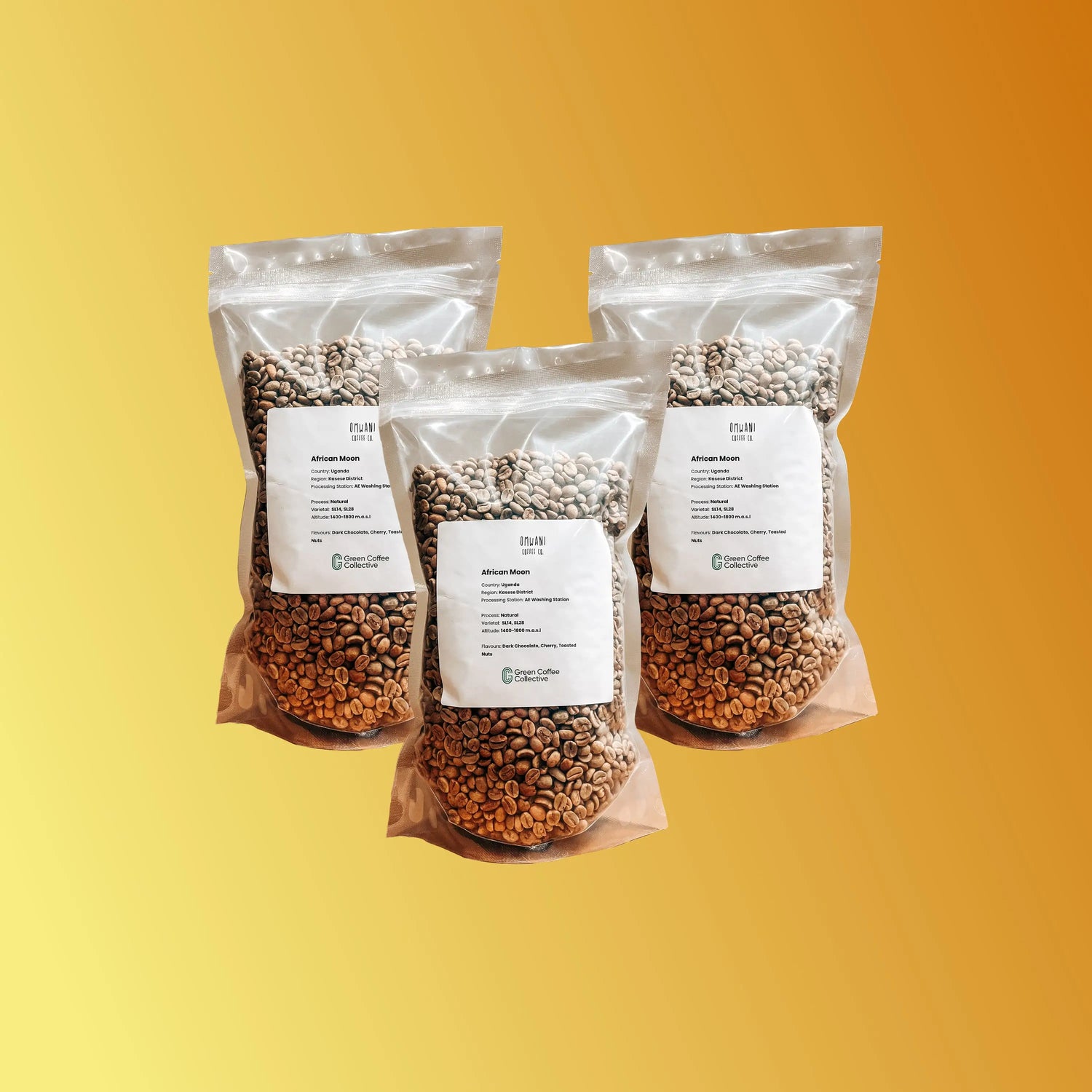
Unroasted decaf green coffee for roasters. Alongside Mountain Water and CO₂ decafs, we stock specialty lots – Pink Bourbon, Pacamara and experimentally processed Colombians – decaffeinated after processing, so you can offer a decaf that stands next to the rest of your menu. The decaffeination method is listed on each product. Buy from 0.5kg with samples on most lots – and before your first batch, read how to roast decaf. To compare processes side by side, browse all our green coffee beans. Looking for roasted coffee? These are raw beans you roast yourself – here's how to start.

Looking to make a saving?

Build your own one-off small batch bundle. Choose from a diverse selection expertly curated coffees from across over 30 countries and save up to 10%.

Start building bundle
  • How green coffee is decaffeinated

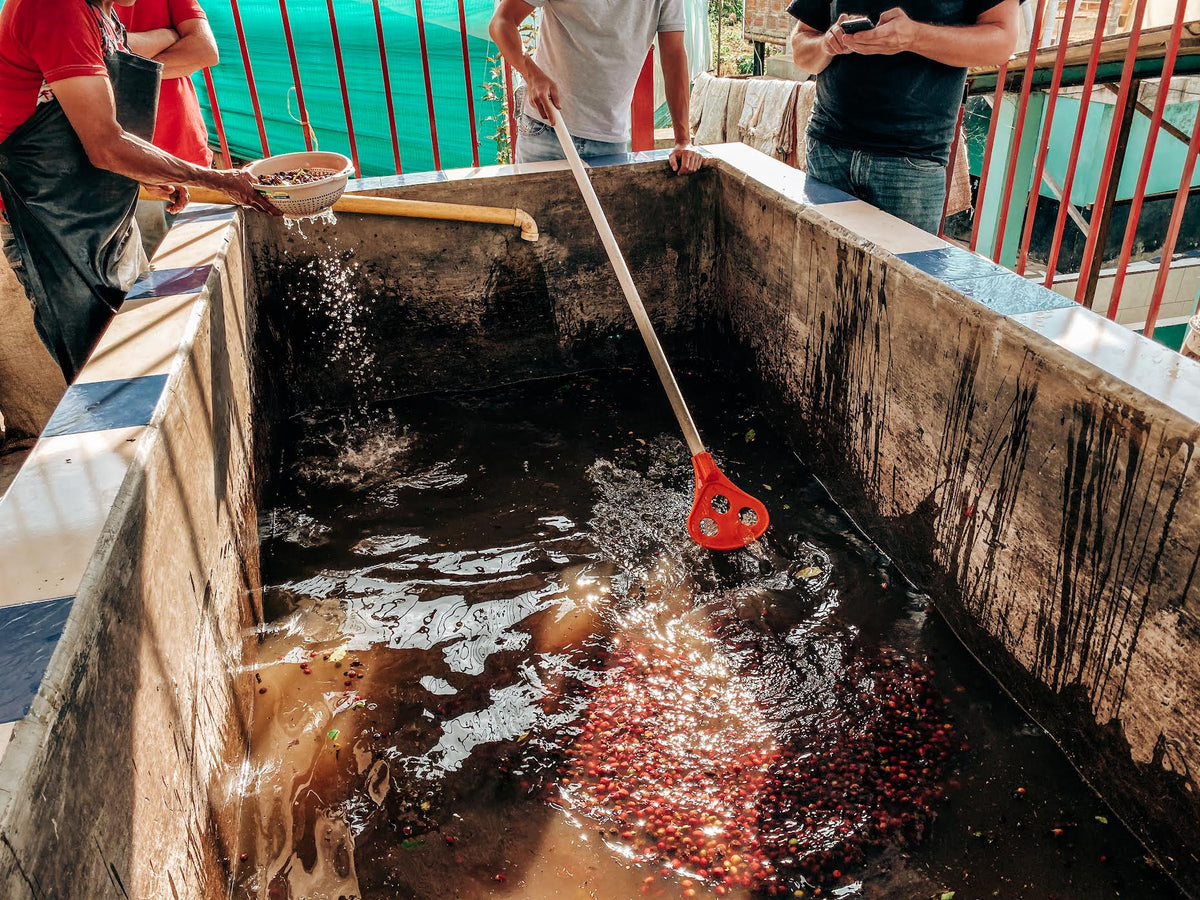
    Decaffeination happens to green coffee, before roasting. The beans are steamed or soaked to open them up, the caffeine is drawn out with a solvent, and the beans are dried back to a stable moisture. The main methods differ in that solvent: water with a caffeine-free green coffee extract and carbon filters (Swiss Water and Mountain Water), pressurised CO₂, or ethyl acetate made from fermented sugarcane (sugarcane decaf). All remove almost all of the caffeine. Our Swiss Water guide covers the water method in detail.

  • Roasting decaf green coffee

    Decaf roasts differently. The beans start darker and browner than regular green coffee, so colour is a poor guide to progress. They're more porous after processing, so they take on heat faster and can run away at the end, and first crack is often quieter and less defined. Most roasters lower charge temperature and total energy, then judge the roast by bean temperature and time rather than colour. Our guides to roasting decaf and decaf roast profiles go further.

  • Which decaf method should you choose?

    It comes down to the cup and your customers. Sugarcane (ethyl acetate) decafs are known for sweetness and fruit and are the norm in Colombia. Water-process decafs avoid chemical solvents, which matters to many drinkers, and tend to be clean and balanced. CO₂ is gentle on flavour compounds. Starting quality matters more than method – a decaf made from a good specialty lot will beat a commodity one whichever process is used.

  • Origins in our decaf range

    Our decafs currently come from Colombia, Mexico, Kenya and Brazil: Mountain Water lots from Mexico, a CO₂ natural from Brazil, and specialty Colombian lots decaffeinated after thermal shock and other experimental processing. For a year-round option, see our Mexican decaf staple subscription.

  • South American Green Coffee Beans

    South American Green Coffee Beans

    Smooth chocolate, bright citrus, and bold fruit – a region defined by variety, altitude, and innovation.

  • 85-88 Scoring Coffees

    85-88 Scoring Coffees

    Scoring 85–88, these green coffees deliver clarity and balance without competition-level price tags.

  • All-Round Espresso Brewing

    Green Coffee Beans for Espresso

    Green coffees for espresso that perform well black or with milk. Balanced, sweet, and versatile.

Your questions, answered

Can you roast decaf green coffee beans at home?

Yes – any roaster that handles regular green coffee will roast decaf. Expect it to roast faster with a quieter first crack, and judge progress by temperature and time rather than colour.

Why are decaf green coffee beans brown?

Decaffeination – soaking or steaming the beans, then drying them – darkens them. It's normal and doesn't mean they're old or damaged, but it does make colour unreliable while roasting.

Is decaf coffee completely caffeine free?

Not quite. Decaffeination removes almost all the caffeine – typically at least 97%, and water processes often reach 99.9% – but a trace remains.

What is the best decaffeination method?

There isn't one best method. Water processes avoid chemical solvents, sugarcane (ethyl acetate) decafs are prized for sweetness, and CO₂ preserves flavour well. The quality of the green coffee going in matters more than the method.

Is Swiss Water decaf the same as Mountain Water?

They work on the same principle – water and carbon filtration rather than chemical solvents – but they're different companies: Swiss Water in Canada and Mountain Water in Mexico. Our Mexican decafs use Mountain Water.

Do you offer samples or trial batches before committing to larger orders?

Yes, we offer samples for most of our coffees. If you need a larger sample than what’s typically available, we recommend trying one of the smaller quantity options listed on our site. That way, you can test the coffee before committing to a larger order.

What sizes or quantities can I order?

All our green coffee beans come in 0.5kg, 1kg and 5kg bags. Approved wholesale accounts can also order 10kg and 20kg at lower per-kilo prices, and for full sacks or anything larger, just get in touch – we'll help you put a custom order together.