Glossary > Cultivation & Processing > Honey Process
Honey Process
Cultivation & Processing
In Simple Terms
Related Articles You Might Find Interesting
-
 Green Coffee Basics
What Is Honey Processed Coffee? A Clear Guide to the Honey Processing Method
Honey processed coffee sits between washed clarity and natural intensity. This guide explains how the honey processing method works, where...
What Is Honey Processed Coffee? A Clear Guide to the Honey Processing Method
Honey processed coffee sits between washed clarity and natural intensity. This guide explains how the honey processing method works, where it came from, what the different colour categories mean, and...
-
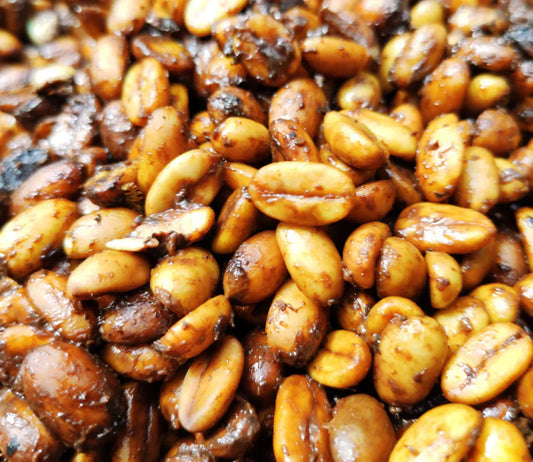
How a Crisis in Costa Rica Gave the World Honey-Processed Coffee
Honey processing sits between washed and natural processing, striking a balance between sweetness, body, and clarity. Instead of fully washing...
How a Crisis in Costa Rica Gave the World Honey-Processed Coffee
Honey processing sits between washed and natural processing, striking a balance between sweetness, body, and clarity. Instead of fully washing away the sticky mucilage—the sticky layer surrounding the bean—producers leave...
-

Why Different Coffee Origins Use Different Processing Methods
Why does Brazil favour natural processing while Colombia has long relied on washed coffee? The answers lie in geography, climate...
Why Different Coffee Origins Use Different Processing Methods
Why does Brazil favour natural processing while Colombia has long relied on washed coffee? The answers lie in geography, climate and history as much as in technique. This article explores...