Related Articles You Might Find Interesting
-
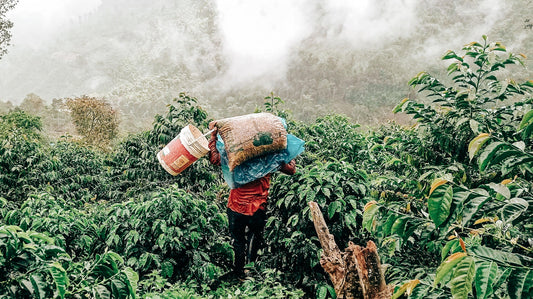
How fair is Fairtrade, really?
Fairtrade was created to ensure buyers in wealthier countries paid fair prices to farmers in developing ones. The idea was...
How fair is Fairtrade, really?
Fairtrade was created to ensure buyers in wealthier countries paid fair prices to farmers in developing ones. The idea was simple: better pay, decent working conditions, and more stable trade...
-

Coffee and the development trap: why the system was built to keep value elsewhere
What is dependency theory? Dependency theory emerged in the 1960s and 1970s as a response to the idea that “development”...
Coffee and the development trap: why the system was built to keep value elsewhere
What is dependency theory? Dependency theory emerged in the 1960s and 1970s as a response to the idea that “development” simply meant following the economic path of wealthier nations. Thinkers such...
-

Beyond the C-price: rethinking power and risk in the coffee industry
The rising C-price is dominating conversation in the coffee world. But a higher market price hasn’t translated into better livelihoods...
Beyond the C-price: rethinking power and risk in the coffee industry
The rising C-price is dominating conversation in the coffee world. But a higher market price hasn’t translated into better livelihoods for most producers. The structure of the industry still directs...