Related Articles You Might Find Interesting
-
 Green Coffee Basics
Coffee Bean Species Explained: Arabica, Robusta, Liberica, Excelsa, Racemosa and Stenophylla
Learn the differences between coffee bean species including Arabica, Robusta, Liberica, Excelsa, Racemosa and Stenophylla, and how each shapes flavour,...
Coffee Bean Species Explained: Arabica, Robusta, Liberica, Excelsa, Racemosa and Stenophylla
Learn the differences between coffee bean species including Arabica, Robusta, Liberica, Excelsa, Racemosa and Stenophylla, and how each shapes flavour, farming and the future of coffee.
-
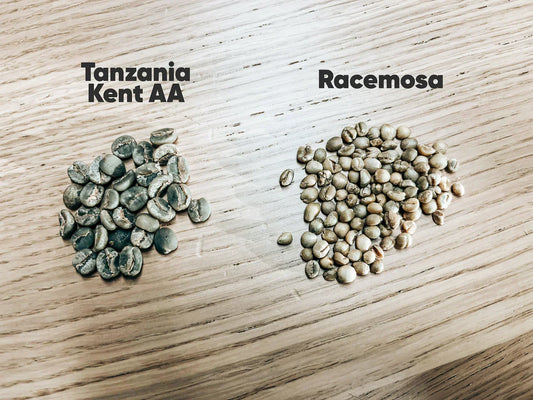
Unique Coffee Varietals To Look Out For in 2025
What makes certain coffee varietals unique? There are thousands of different coffee varietals being cultivated throughout the world, with new...
Unique Coffee Varietals To Look Out For in 2025
What makes certain coffee varietals unique? There are thousands of different coffee varietals being cultivated throughout the world, with new specimens being developed and researched every day. While there are...
-
 Green Coffee Basics
Coffee Varietals Explained: Understanding Cultivars and Plant Types
Coffee varietals are the cultivated types of coffee plant that shape how coffee grows and what it can become in...
Coffee Varietals Explained: Understanding Cultivars and Plant Types
Coffee varietals are the cultivated types of coffee plant that shape how coffee grows and what it can become in the cup. Learn what coffee varietals and cultivars mean, how...