Glossary > Sustainability & Ethics > Climate Change
Climate Change
Sustainability & Ethics
In Simple Terms
Climate change is already affecting where and how well coffee can be grown. Rising temperatures are pushing suitable Arabica land higher up the mountain - and in many origins there isn't much mountain left to go to.
What is the impact of climate change on coffee?
Climate change poses one of the most serious structural threats to global coffee production. Rising temperatures, shifting rainfall patterns, and increased frequency of extreme weather events are already affecting the viability of existing coffee growing regions - and projections suggest the problem will intensify significantly over coming decades.
The core problem for Arabica is temperature sensitivity. Arabica thrives in a relatively narrow temperature band - roughly 18-22°C average - at altitude. As temperatures rise, suitable growing conditions shift upward in altitude. In many origins, there is limited land available at higher elevations, meaning the total area suitable for Arabica cultivation is effectively shrinking. Research published in journals including Nature Plants has projected that without adaptation, up to 50% of current Arabica growing land could become unsuitable by 2050 under high-emissions scenarios.
In practical terms, this means more unpredictable harvests, higher incidence of coffee leaf rust (which thrives in warmer, wetter conditions), more frequent drought and frost events at origin, and increasing quality variability from season to season. The specialty coffee industry's response involves supporting climate adaptation (shade trees, drought-resistant varieties, altitude migration), reducing its own carbon footprint, and funding research into climate-resilient Coffea species. For buyers, climate change is already affecting the consistency and availability of coffees from some origins.
Related Terms
Our subscribers know before anyone else about new content and tips.
Our subscribers know before anyone else about new content and tips
Related Articles You Might Find Interesting
-
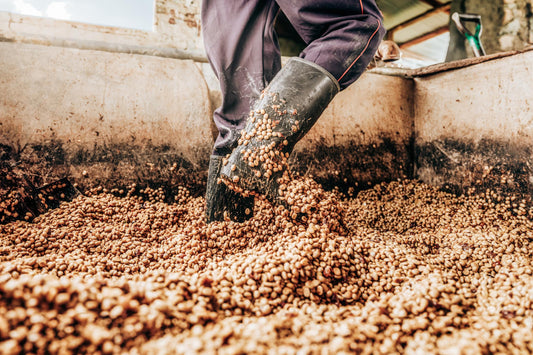
Climate migration and the future of coffee: how climate change is displacing coffee farmers
Climate change is no longer a distant threat for coffee producers. Across Central America, rising temperatures, erratic rainfall, and new...
Climate migration and the future of coffee: how climate change is displacing coffee farmers
Climate change is no longer a distant threat for coffee producers. Across Central America, rising temperatures, erratic rainfall, and new waves of pests are dismantling the foundations of one of...
-
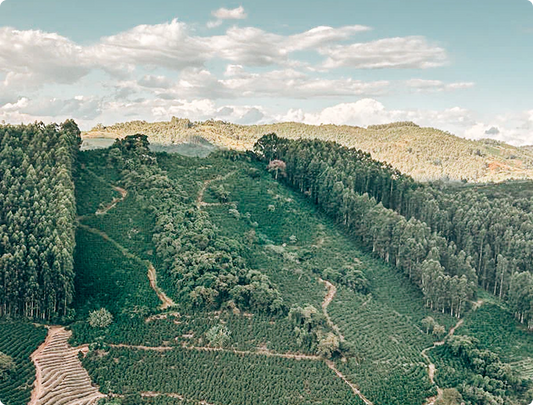
A climate fix - or another burden on the Global South? The EUDR and smallholder coffee
The EU’s new deforestation regulation is ambitious - and overdue. It aims to stop products linked to forest loss from...
A climate fix - or another burden on the Global South? The EUDR and smallholder coffee
The EU’s new deforestation regulation is ambitious - and overdue. It aims to stop products linked to forest loss from entering the European market, including coffee. In theory, it’s a...
-
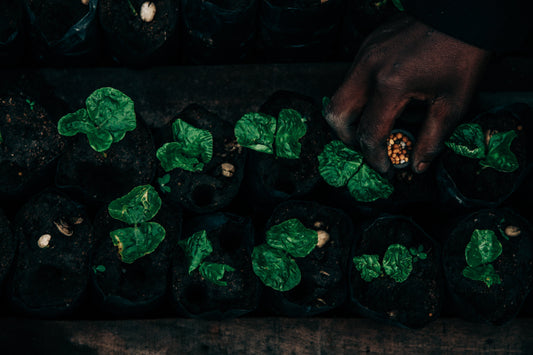
Why F1 hybrids might define the future of coffee
Why coffee needs new genetics Coffee’s gene pool is worryingly narrow. Studies suggest that almost all Coffea arabica plants today...
Why F1 hybrids might define the future of coffee
Why coffee needs new genetics Coffee’s gene pool is worryingly narrow. Studies suggest that almost all Coffea arabica plants today trace back to a single ancestor that evolved around 10–20,000...