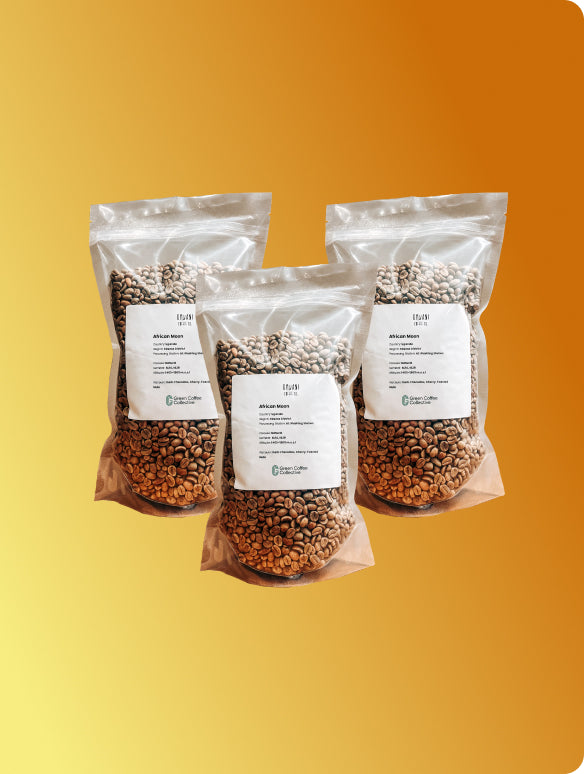
Green Coffee Beans for Kaffelogic Roasters
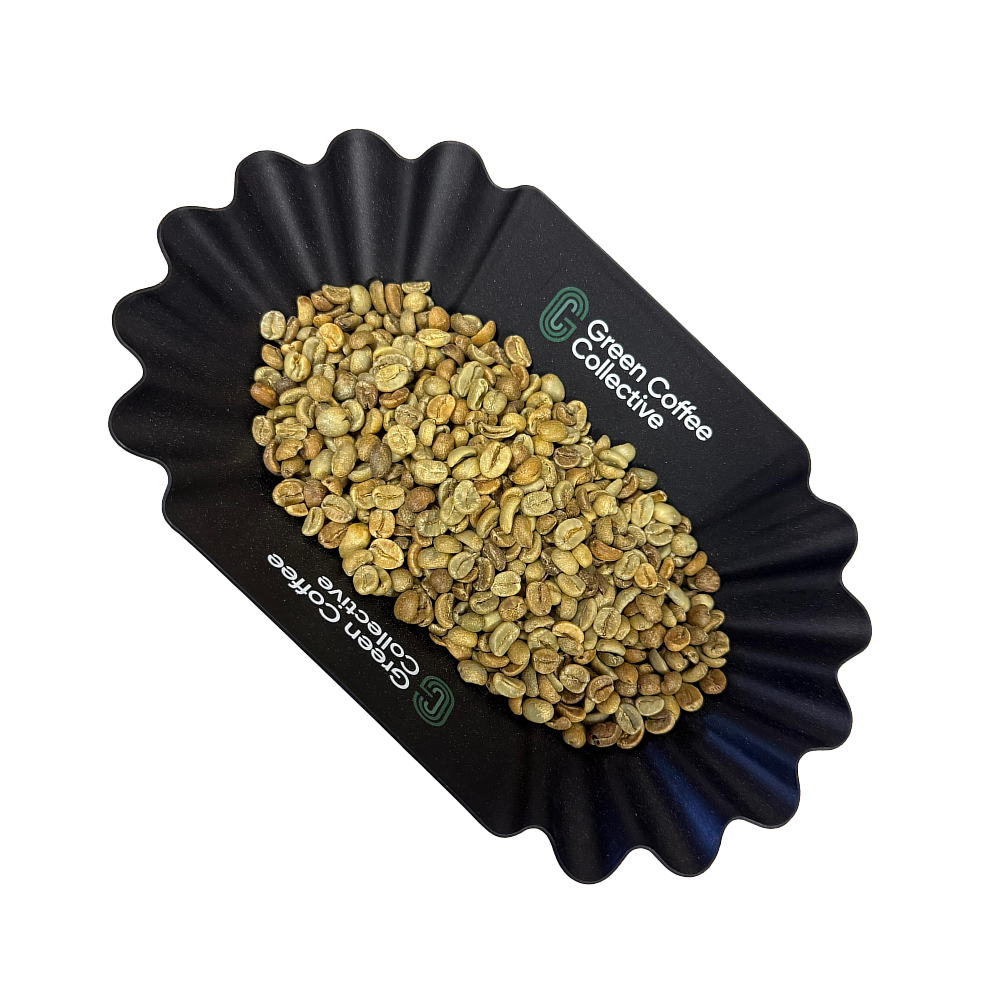
The Kaffelogic Nano 7 is a fluid-bed roaster: hot air lifts and turns the beans, and the roast follows a profile rather than manual inputs. With batches of up to 120g, a small bag goes a long way, so the Kaffelogic is one of the best machines for working through lots of different coffees. It's how we'd suggest using this collection, too.
-
Honey process Alko Sumatra
Cupping Score87.5Processing MethodVarietalAndung Sari, Sigarar UtangMain Flavour NotesPlum | Pungent | Dark Chocolate | BalsamicOut of stock -
Equatoria Coffee Excelsa Anaerobic
Cupping Score82.25Processing MethodVarietalCoffea Liberica var. DewevreiMain Flavour NotesChamomile | Green Apple | Honey | PecanOut of stock -
Washed Starmaya AA
Cupping Score83.0Processing MethodVarietalStarmayaMain Flavour NotesBrown Sugar | Cocoa Powder | Walnut | CitrusOut of stock -
Starmaya PB (Fully Washed)
Cupping Score83.75Processing MethodVarietalStarmayaMain Flavour NotesDark Chocolate | Dark Berries | BramblesOut of stock -
Explorer - Rolling Green Bean Subscription
Processing MethodVarietalMultipleMain Flavour NotesVaries from each coffeeView OptionsRegular price £59.95 -
KA-SB-23 - Washed Garnica - Kalsada Sitio Belis
Cupping Score84.75Processing MethodVarietalGarnicaMain Flavour NotesCalamansi | Green Apples | Milk ChocolateOut of stock -
Chiapas Organic Decaf
Processing MethodVarietalTypica, Mundo Novo, Bourbon, CaturraMain Flavour NotesChocolate | Dried Fruits | Red AppleIn stock- 21 -
Papua New Guinea Washed Typica
Cupping Score83.5Processing MethodVarietalTypicaMain Flavour NotesCaramel | Chocolate | Floral | Herb | SpiceLow stock- 2 -
ALKO Kerinci Natural
Cupping Score86.0Processing MethodVarietalAndung Sari, Sigarar UtangMain Flavour NotesBerry | Peach | Maple Syrup | HoneyOut of stock -
WBP-03 Wilton Benitez Caturra
Cupping Score88.25Processing MethodVarietalCaturraMain Flavour NotesGuava | Hops | VioletOut of stock -
Marco Romero | Bourbon Natural
Cupping Score86.5Processing MethodVarietalRed BourbonMain Flavour NotesRed Fruits | Strawberry | Plum | Hazelnut | SilkyOut of stock -
Washed Alko Kerinci Sumatra
Cupping Score83.0Processing MethodVarietalAndung Sari, Sigarar UtangMain Flavour NotesWoody | Spicy | Herbal | TobaccoOut of stock -
El Socorro - Natural Pacamara
Cupping Score86.0Processing MethodVarietalPacamaraMain Flavour NotesNectarine | Honey | MelonOut of stock -
Agri Evolve Extended Fermentation
Cupping Score86.75Processing MethodVarietalSL 14, SL 28Main Flavour NotesBlackberry | Juicy | Violet | FunkyOut of stock -
Joaquim Oñate – Finca El Mirado - Washed
Cupping Score85.25Processing MethodVarietalColombiaMain Flavour NotesLime | Juicy Mandarin | Buttery BiscuitOut of stock -
Natural Marsellesa AB
Cupping Score84.5Processing MethodVarietalMarsellesaMain Flavour NotesMolasses | Cola | Bold | Mellow AcidityOut of stock -
Regional Sierra Nevada Blend
Cupping Score84.5Processing MethodVarietalCastillo, Caturra, Colombia, TypicaMain Flavour NotesVibrant | Orange | Lemon | Clean | Floral | HoneyOut of stock -
Oliverio Villafaña - Typica Honey
Cupping Score84.75Processing MethodVarietalTypicaMain Flavour NotesWild Honey | Peach | Orange Blossom | CacaoOut of stock -
Amatillo Bourbon Catuai
Cupping Score89.25Processing MethodVarietalCatuai, BourbonMain Flavour NotesRaspberry Compote | Black Grape | Lime | Red CurrantOut of stock -
Colombia El Fenix Tabi - Washed Anoxic
Cupping Score85.75Processing MethodVarietalTabiMain Flavour NotesPomegranate | Candied Lemon | MojitoOut of stock -
Seasoning Beans | Mixed Origin Roaster Drum Seasoning Coffee
Cupping Score1.0Processing MethodVarietalMultipleMain Flavour NotesFaded | Ageing | WoodyIn stock- 4 -
Makicuna Blend
Cupping Score86.25Processing MethodVarietalSidra, Typica Mejorado, Caturra, BourbonMain Flavour NotesBerry | Citric | CaramelOut of stock -
MW Decaf Quetzal (2024 Harvest)
Cupping Score82.25Processing MethodVarietalTypica, Mundo Novo, Bourbon, CaturraMain Flavour NotesCitrus | SweetOut of stock -
Bethania Hortensia - Washed Catuai
Cupping Score85.5Processing MethodVarietalCatuaiMain Flavour NotesVelvety | Berries | CacaoOut of stock -
San José Ocaña
Cupping Score85.75Processing MethodVarietalBourbonMain Flavour NotesBlackberry | Plum | Vanilla | HoneyOut of stock -
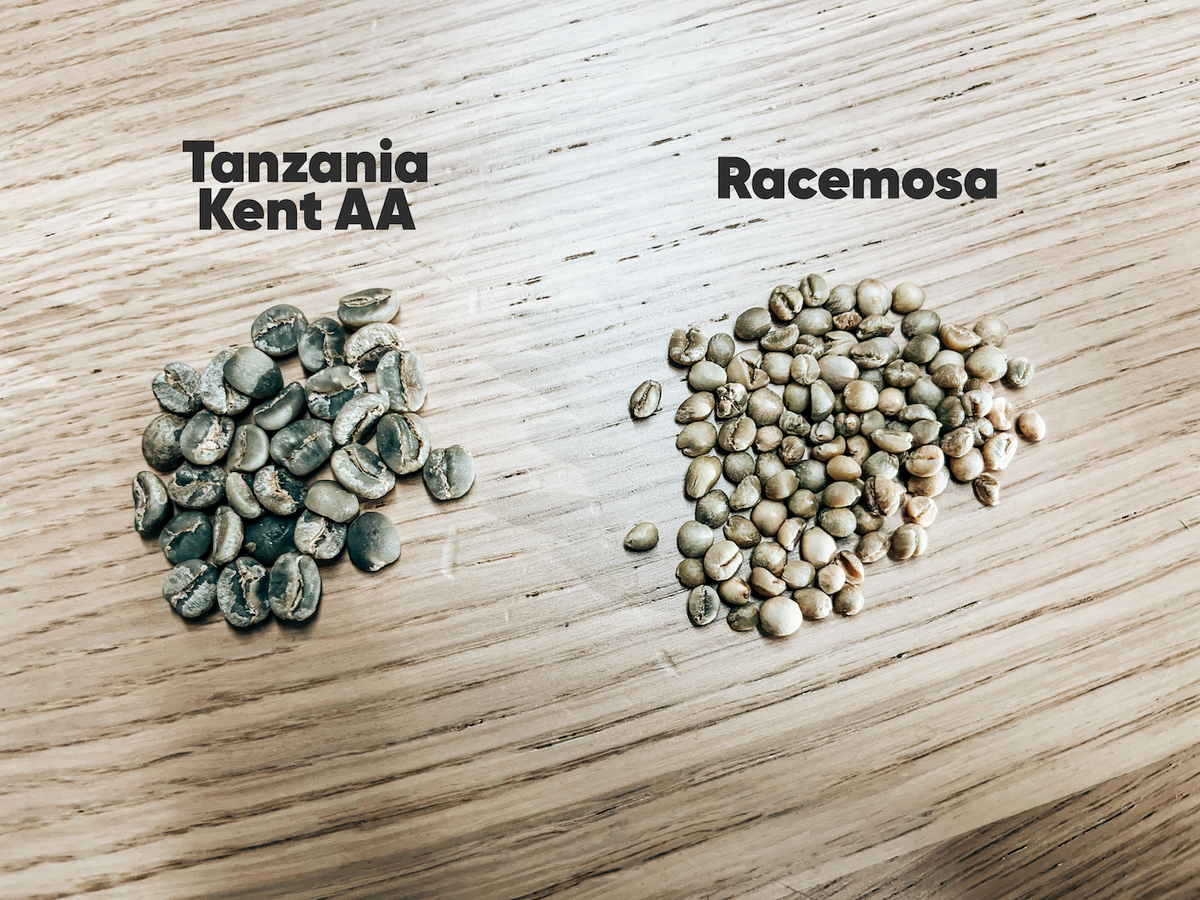
Racemosa
Cupping Score91.25Processing MethodVarietalHeirloom wild geneticsMain Flavour NotesWeird | Cannabis | Dried Tomato | Umami | *Not Like Arabica*Out of stock -
Gui Ben Natural
Cupping Score85.75Processing MethodVarietalCatimor (P3 / P4)Main Flavour NotesGrape Jelly | Kumquat | Cacao NibsOut of stock -
Natural Marsellesa C
Cupping Score84.5Processing MethodVarietalMarsellesaMain Flavour NotesCacao Nibs | Honey | Dry FruitOut of stock -
Edinson Argote Yeast Inoculation
Cupping Score86.0Processing MethodVarietalCastilloMain Flavour NotesCherry | Blackberry | CaramelOut of stock -
Sucalfru 72h Yeast Fermentation
Cupping Score88.0Processing MethodVarietalArara PeaberryMain Flavour NotesTamarind | Starfruit | Watermelon | JuicyOut of stock -
Zarza Natural Geisha
Cupping Score88.25Processing MethodVarietalGeishaMain Flavour NotesOrange Marmalade | Lemongrass | Pink PeppercornOut of stock -
Elvis Choquehuanca Washed Caturra
Cupping Score85.5Processing MethodVarietalCaturraMain Flavour NotesNectarines | Wild Berries | CaramelOut of stock -
Musaza Lot 1
Cupping Score85.25Processing MethodVarietalRed BourbonMain Flavour NotesAlmond | Cedar | Cola | Raisin | CitrusIn stock- 6 -
Equatoria Coffee Natural Robusta
Cupping Score80.25Processing MethodVarietalRobustaMain Flavour NotesCocoa | Leather | WalnutOut of stock -
Natural Cipaganti West Java
Cupping Score81.25Processing MethodVarietalTypica, Line SMain Flavour NotesMilk Chocolate | GrapefruitOut of stock -
Aragash Gelcha Natural
Cupping Score87.75Processing MethodVarietal74110, KurumeMain Flavour NotesMarzipan | Melon | Plum | FloralOut of stock -
Craigmore Kattimuttu - Robusta - Honey Sundried
Processing MethodVarietalRobustaMain Flavour NotesBold | Nutty | ChocolateOut of stock -
Washed Quetzal (2024 Harvest)
Processing MethodVarietalTypica, Mundo Novo, Bourbon, CaturraOut of stock -
Cumbre Washed Regional
Cupping Score82.0Processing MethodVarietalCatuai, CaturraMain Flavour NotesNutty | ChocolateOut of stock -
Rocala Carbonic Maceration
Cupping Score88.0Processing MethodVarietalAcaiá, Mundo NovoMain Flavour NotesTeriyaki Sauce | Barbecued Pineapple | Maple Syrup | CitrusOut of stock -
Danilo Sánchez Washed Parainema
Cupping Score86.0Processing MethodVarietalParainemaMain Flavour NotesBrown Sugar | Banana | Ripe Stone Fruit | SmoothLow stock- 2 -
Martha Alvir Red Catuai Natural
Cupping Score86.0Processing MethodVarietalRed CatuaiMain Flavour NotesBlack Cherries | SyrupyOut of stock -
Ruronge Hill Lot 62
Cupping Score85.0Processing MethodVarietalRed BourbonMain Flavour NotesCaramel | Cola | Green AppleOut of stock -
Rwanda Rugali Honey
Cupping Score84.5Processing MethodVarietalRed BourbonMain Flavour NotesMelon | Spices | Black TeaOut of stock -
Finca Artemira - Ebert Huaman Villegas - Washed Catuai & Caturra
Cupping Score85.0Processing MethodVarietalCatuai, CaturraMain Flavour NotesOrange | Toffee | AlmondOut of stock -
Llave de Oro - Andres Bazos - Rainforest Alliance - Estate Lot
Cupping Score83.5Processing MethodVarietalRed CaturraMain Flavour NotesOrange Citrus | Caramel | Milk ChocolateOut of stock -
Antonio "Toño" Maria Washed Blend
Cupping Score83.0Processing MethodVarietalCastillo, Colombia, CenicafeMain Flavour NotesGreen Apple | Orange | Milk Chocolate | LemongrassOut of stock









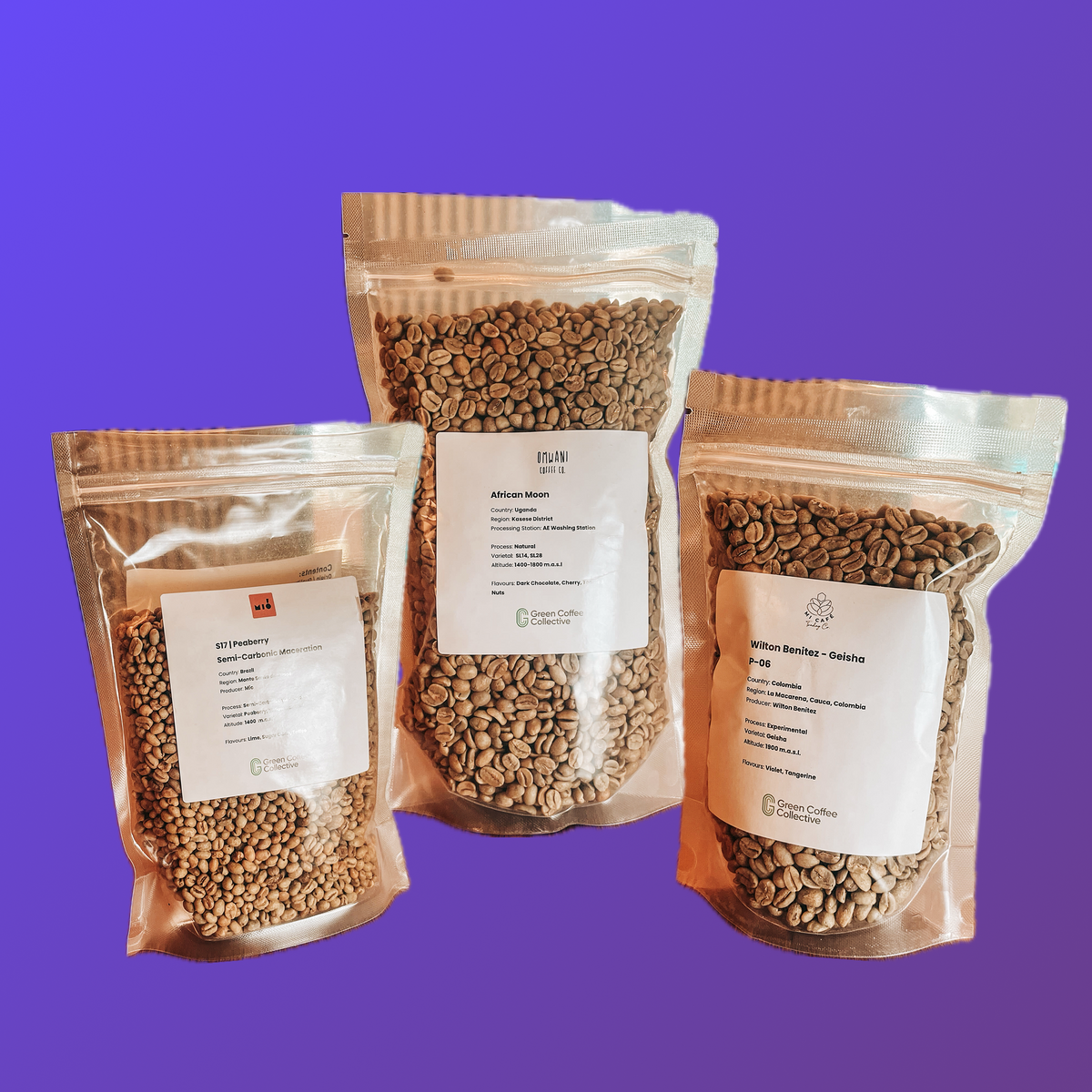
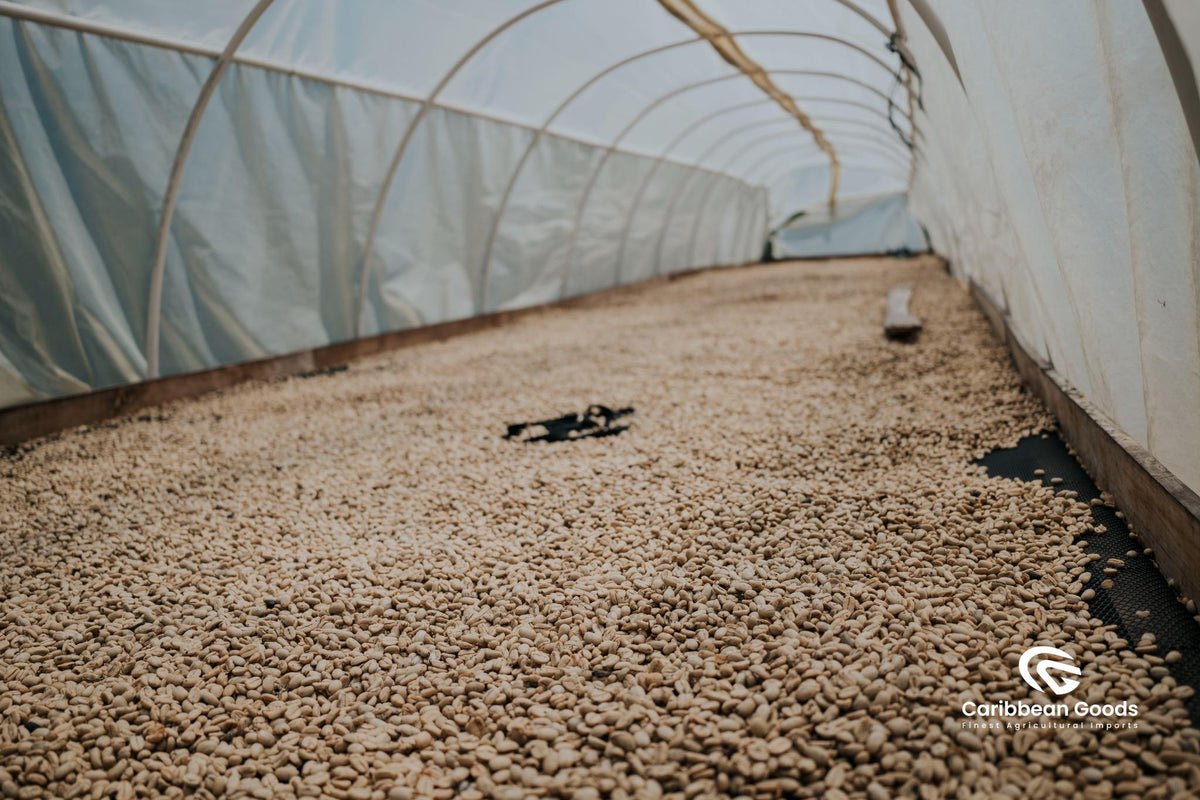










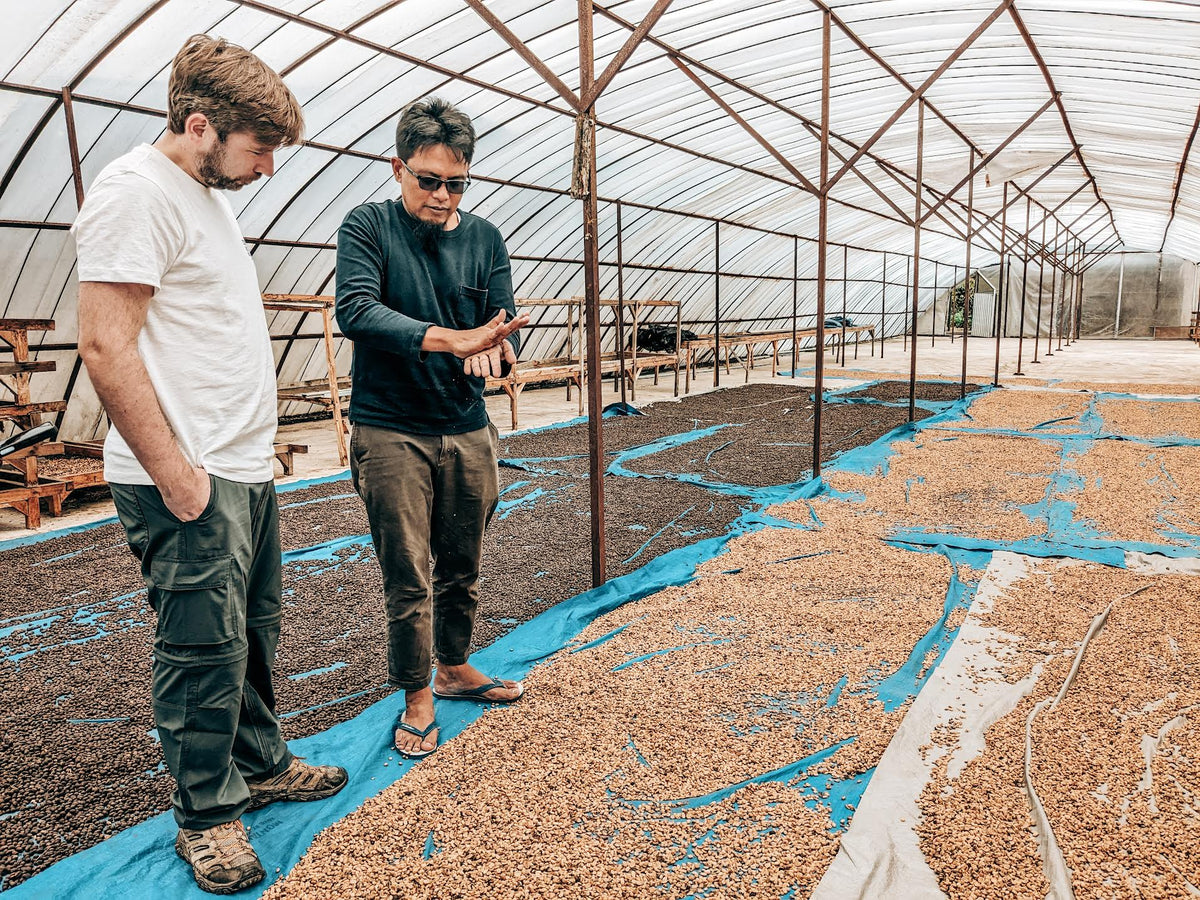

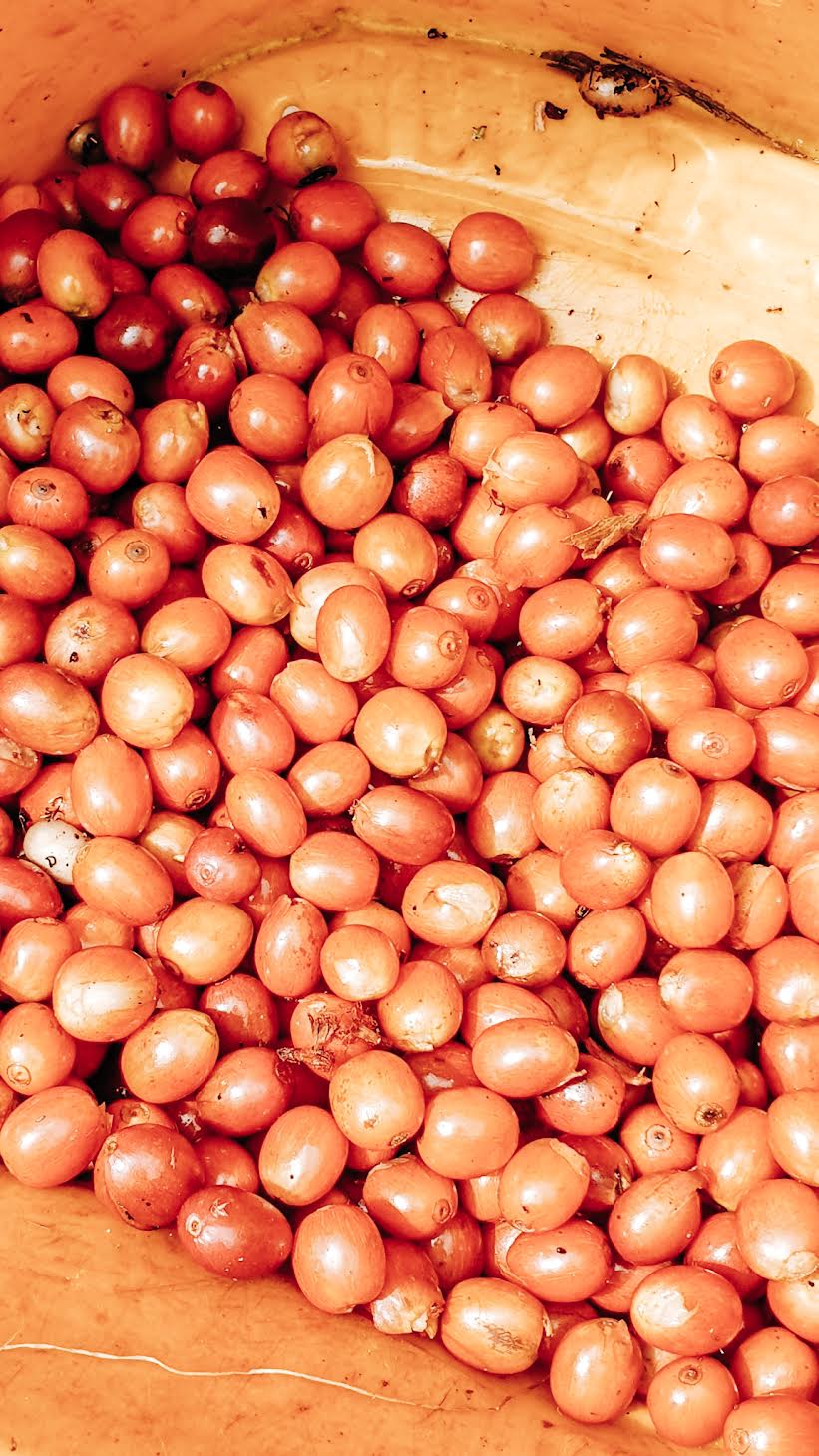














































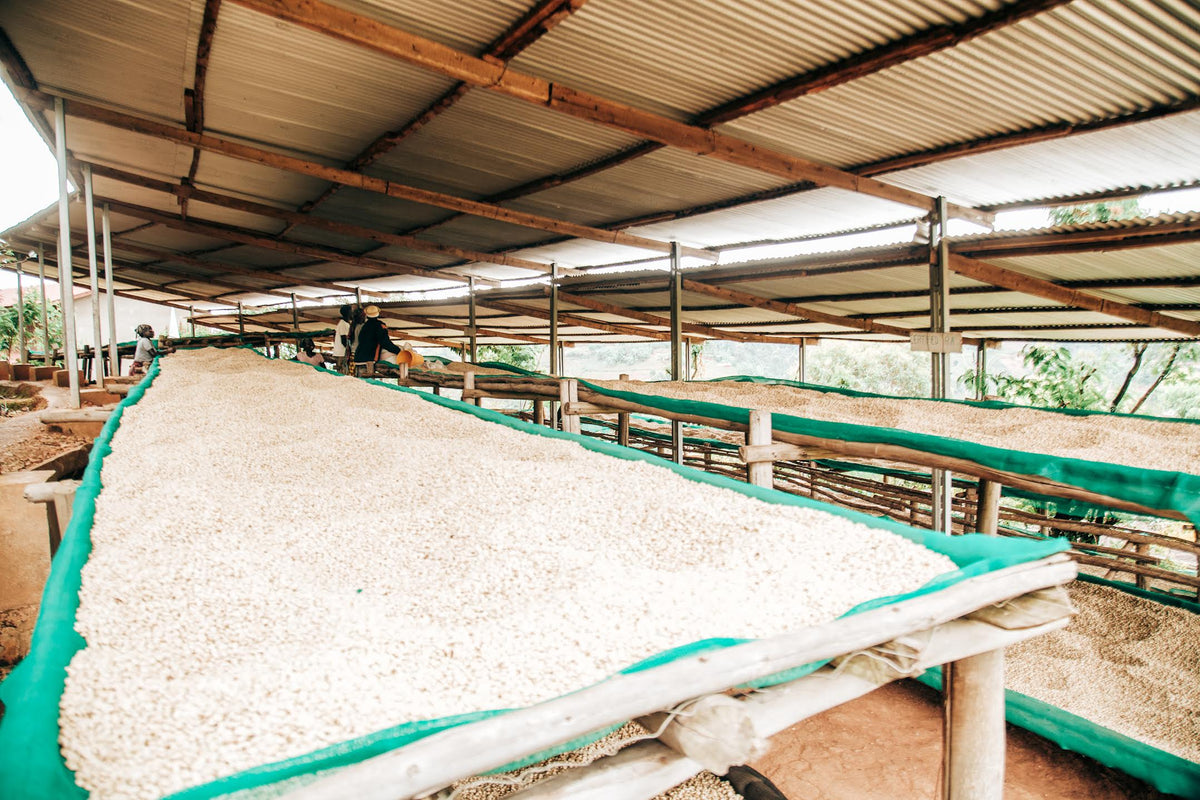






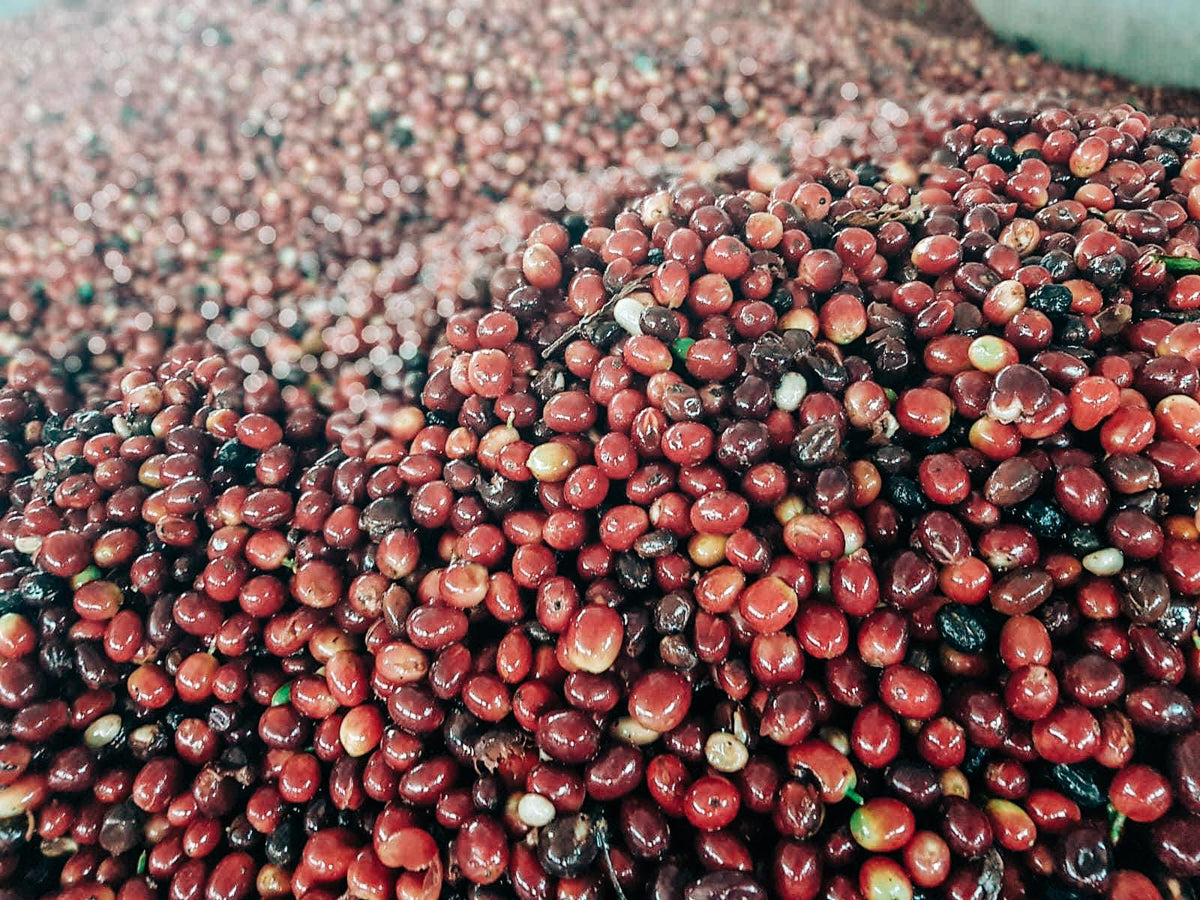


Your guide to Green Coffee Beans for Kaffelogic Roasters
-
How far does a bag of green coffee go in a Kaffelogic?
-
Which coffees suit air roasting in a Kaffelogic?
-
Matching a Kaffelogic profile to the coffee