Burundi Green Coffee Beans

Zielone ziarna kawy z Burundi

Uprawiana na dużych wysokościach, zielona kawa ziarnista Burundi ceniona jest za wyraźną kwasowość i złożone smaki. Prawie cała produkcja koncentruje się na arabice, szczególnie odmianie bourbon, oferującej owocowe i kwiatowe nuty. Pochodząca z małych gospodarstw, ta kawa odzwierciedla troskę lokalnych społeczności i tradycyjne myte przetwarzanie. Nasza oferta obejmuje hurtową zieloną kawę ziarnistą Burundi dla większych operacji, a także mniejsze partie 1 kg do testów i próbek.

  • Jaki masz związek z Burundi i jego producentami kawy?

    Poruszanie się po rynku kawy w Burundi może być wyzwaniem, zwłaszcza przy współpracy z organizacjami takimi jak ODECA, które czasem komplikują cały proces. Dlatego skupiamy się na budowaniu silnych, zaufanych relacji z partnerami, którzy naprawdę rozumieją niuanse kawy z Burundi rynku. Ściśle współpracujemy z importerami i eksporterami, którzy udowodnili swoje zaangażowanie zarówno w jakość, jak i przejrzystość. Te partnerstwa pozwalają nam oferować niezawodny dostęp do wysokiej jakości kawy z Burundi, jednocześnie dbając o dobrze zarządzany i zrównoważony łańcuch dostaw. W kraju takim jak Burundi zaufanie jest kluczowe, dlatego poświęciliśmy czas, by współpracować z tymi, którzy konsekwentnie realizują swoje obietnice i wartości.

  • Jak współpracujecie z producentami z Burundi, aby zapewnić zrównoważony rozwój i poprawę jakości?

    W Burundi nawiązaliśmy szczególnie silną współpracę z Migoti Coffee, jednym z naszych kluczowych partnerów. Nasz współzałożyciel, Dale, spędził dużo czasu na miejscu z zespołem Migoti, bezpośrednio wspierając ich wysiłki w uzyskaniu certyfikatu Rainforest Alliance. To praktyczne zaangażowanie pomogło zapewnić, że zrównoważone praktyki są wbudowane w ich działania, od zarządzania farmą po przetwarzanie.

    Poza tym współpracujemy z naszymi partnerami, aby dostarczać ciągłe informacje zwrotne i wsparcie producentom, pomagając im być na bieżąco z wymaganiami rynku i nowymi technikami poprawiającymi zarówno jakość, jak i zrównoważony rozwój. Dzięki bliskiej współpracy z zaufanymi partnerami, takimi jak Migoti, możemy oferować konsekwentnie wysokiej jakości kawę z Burundi, jednocześnie dbając, by zrównoważony rozwój pozostał priorytetem w procesie produkcji.

  • Czy możesz pomóc w zamówieniu surowca z konkretnych regionów Burundi lub o określonych metodach przetwarzania?

    Zdecydowanie! Burundi oferuje różnorodne, unikalne regiony uprawy kawy oraz metody przetwarzania, i możemy współpracować z naszymi zaufanymi partnerami, aby pomóc Ci znaleźć dokładnie to, czego potrzebujesz. Niezależnie od tego, czy interesuje Cię konkretny region, taki jak Kayanza lub Ngozi, czy też interesują Cię konkretne metody przetwarzania, takie jak proces naturalny lub myty, możemy wykorzystać naszą sieć, aby pozyskać kawy spełniające Twoje dokładne wymagania. Po prostu skontaktuj się z nami pod adresem hello@greencoffeecollective.com, a pomożemy Ci poznać dostępne opcje.

  • Discover the Distinctive Edge of Burundi Green Coffee Beans

    Burundi may be small on the map, but it's a big deal in the world of green coffee. Burundi's unroasted coffee beans offer roasters a rare combination of brightness, clarity, and complexity that sets them apart on cupping tables all over Europe and beyond.

    With its rich volcanic soil, high altitudes, and perfect microclimates, Burundi consistently produces green coffee beans that are full of citrusy acidity, florals, and sweet stone fruit notes. For roasters looking for traceable quality and dynamic cup profiles, Burundi is not just an origin—it's an opportunity.

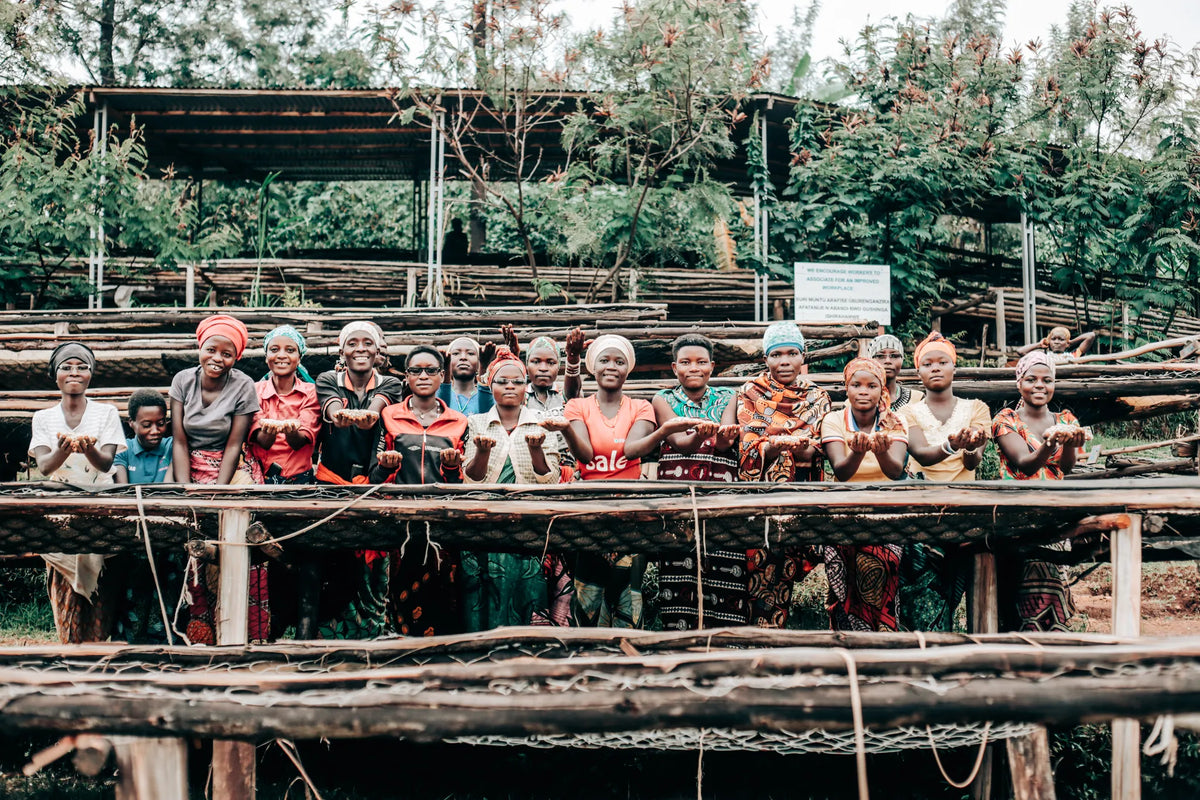
    The community-driven production concept is what really makes Burundi green coffee stand out. Most of the coffee comes from smallholder farmers who only have a few hundred trees. These farmers care a lot about the quality and long-term health of their crops. These coffees are usually cleaned at central stations, which makes it easier to keep an eye on quality and process them all the same way.

    Burundi's profile has earned respect around the world in recent years because of its potential for ethical sourcing, bright cup character, and steady demand from specialized customers. Burundi green coffee adds something new, real, and perfectly balanced to your lineup, whether you're profiling for filter, working on your espresso line, or making seasonal specials.

  • Why Burundi Green Coffee Beans Are Famous

    Burundi green coffee beans have earned a reputation in the speciality coffee industry because of their unique cup profile, a bright blend of acidity, floral aromas, and luscious fruit notes that is easy to recognize. People typically compare its flavor to the best of East Africa, but Burundi has a unique twist: a clean, tea-like clarity with red berries, lemon, and a hint of spice.


    The beans' attractiveness is mostly due to their regional differences. Coffee from places like Kayanza, Ngozi, and Kirundo shows how terroir affects the flavor of the cup. Some lots have a crisp apple and black tea flavor, while others have a richer stone fruit and flowery sweetness. These variances make Burundi a popular place for roasters who want to find a wide range of flavors in one country.

    Burundi's name keeps growing around the world, especially in professional roasting and speciality coffee competitions. People who judge the World Brewers Cup and the Cup of Excellence often say nice things about their coffees, like how complicated and elegant they are. These awards have helped the country's reputation as a top place to get unroasted beans.

    Green coffee from Burundi is also valued as a key base in high-end blends sold around the world. It adds structure and brightness, and the layered acidity and clean sweetness go well with Central or South American flavors. If you show off Burundi's green beans as a single origin or use them to make a mix better, they are taken seriously in roasting programs all over Europe and beyond.

  • Why Roasters Love Burundi Green Coffee Beans

    Burundi green coffee beans are valued by roasters for their notable versatility across various brewing methods. The beans exhibit notable consistency and character, whether calibrated for espresso, optimized for filter extractions, or employed to enhance brightness in a seasonal blend. Their clear cup structure and pronounced acidity facilitate creative flexibility while ensuring traceable quality.

    Burundi green coffee exhibits its most valued characteristics, subtle floral notes, vibrant citrus, and a refined sweetness, particularly for those who favor light to medium roast levels. Although darker profiles can be achieved, particularly in blends, the majority of speciality roasters prefer lighter roasting to maintain the unique vibrancy and clarity of the origin.

    There is still a lot of demand from speciality buyers, and it's not just because of Burundi's unique flavor. Many lots are also sold with clear supply lines and using sustainable farming methods. People who care about ethical sourcing and flavor-driven sourcing love Burundi because it fits perfectly with their values and cup standards.

    How well it reacts to precision is what makes it stand out. Speciality roasters often highlight Burundi coffees because they can bring out subtle notes, show acidity, and keep the balance. These are qualities that make competition roasts better and make signature products more interesting. To sum up, Burundi green coffee beans are more than just good; they also offer style, control, and history.

  • Flavor Profile & Cupping Notes

    People love Burundi green coffee beans because, once roasted, they make a cup of coffee that is lively and clear. Most of the time, their flavors are characterized by a sharp, organized acidity that tastes like crisp apple or lemon zest. This acidity is usually matched by a medium to silky body, which gives the coffee a clean and elegant mouthfeel that roasters love.


    Some of the most common flavors that come out when you roast coffee are citrus, red berries, stone fruit, black tea, and light flowers. Depending on the area and elevation, you may also find hints of honey, brown sugar, or light spice. These beans are great for both bold single-origin drinks and complex blends.

    The soil is a big part of what makes Burundi's taste unique. The cup is clear and sweet because of the high elevations, rich volcanic soils, and unique microclimates. For example, beans from Kayanza or Ngozi are known for having a smooth acidity and floral tones. Beans from other places may have a more tropical fruit and tea-like structure.
    Light to medium roast styles are usually what roasters choose when they want to bring out these subtleties. Lighter roasts tend to bring out the brightness and floral notes, while middle levels can add a bit of depth and roundness without changing the character of the origin.

    Processing also has a big effect on taste. Most Burundi coffees are fully washed, which makes them clear and acidic. However, honey and novel anaerobic methods are becoming popular and often produce richer or funkier flavors. (Read on for more on processes.)

    Most Burundi green coffees get scores of 84 to 87+ on the cupping scale, and the best microlots get scores higher than that. These numbers show that the beans were harvested, sorted, and washed to high standards, which means that roasters who want to produce top-notch results can count on them.

  • Coffee-Growing Regions of Burundi

    The central plateau and mountainous terrain of Burundi make it a good place to grow coffee, with perfect elevations between 1,400 and 2,000 meters above sea level. Combining these factors with warm weather and rich volcanic soils makes for an ideal setting for growing premium green coffee beans that are full of flavor and depth.

    Kayanza

    Kayanza is in the northern mountains and is one of Burundi's best-known coffee regions. It is home to some of the best washing stations in the country. The area is known for its red soils that drain well, steady rains, and high elevations, all of which help make bright, clean coffees with complex floral and acidic layers.

    Ngozi

    Ngozi is right next to Kayanza and shares the same high mountains and agricultural and environmental conditions. But the flavors here tend to be more balanced, with notes of both berries and tea. Roasters who like easy-to-understand complexity and smooth structure love this area.

    Kirundo

    Green coffee from Kirundo, which is farther north, is often more fruity and juicy. Because it isn't as high as Kayanza and Ngozi, its acidity may be a little lower. This makes it a great choice for mixes or medium roasts that want sweetness over sharpness.

    Muramvya

    Located in the central-west, Muramvya is unique because it has steep hills and cooler temperatures. Because of these things, the coffee cherries take longer to mature, which makes the coffee sweeter and more flavorful. A lot of the time, roasters look to Muramvya for elegant finishes and polished cup profiles.


    Each of these areas helps Burundi's image as a speciality origin with unique microregional diversity. While Ethiopia's Sidamo and Yirgacheffe zones are very different from each other, Burundi's differences are not as clear but still have an effect, giving roasters a chance to find unique flavors that are linked to specific areas of land and elevation.

  • Varietals & Species

    The variety selection is the cornerstone of Burundi's superior green coffee. Nearly all Arabica species are grown throughout the nation, with a preponderance of Bourbon varieties. This historical variety produces rich green beans valued for their sweetness, balance, and complexity and grows well in Burundi's high-altitude regions.

    Bourbon Varietals

    Due to their long roots in Burundi's agricultural past, Red Bourbon and Jackson are the varieties most commonly planted throughout the country. These cultivars are renowned for their rich fruit overtones, bright acidity, and delicate florals, all of which contribute to consistently high cup ratings. They are a great option for specialist roasters looking for clarity and structure in the cup because of their genetic characteristics, which enable exceptional sugar growth and complexity.

    Heirloom Influence & Local Adaptation

    Burundi doesn't have any native coffee species, but its Bourbon plants have adapted to the local growing environment to produce strains that are resilient and distinctive. Depending on the growing region, the cup characteristics of these regionally crafted Bourbon lines vary from bright and tea-like to rich and luscious, reflecting the terroir in subtle ways.

    Emerging Cultivars

    SL varietals like SL28 are being tested in a few experimental lots and cooperatives dedicated to research, providing an exciting future for Burundi's green coffee scene. But the vast majority of people continue to stick with Bourbon's track record of excellence and cup complexity.

    Burundi's varietals are prized by speciality roasters for their consistency throughout harvests as well as their potential as cups. Bourbon is a dependable and expressive base for filter roasts as well as the development of complex espresso due to its inherent propensity to express layered sweetness, crisp acidity, and floral grace.

  • Harvest Seasons & Availability

    Burundi’s green coffee harvest is shaped by its equatorial location and elevation, resulting in a single main harvest season annually. The primary harvest typically begins in March and continues through June, with peak picking and processing occurring during April and May. During these months, coffee cherries reach optimal ripeness, and washing stations operate at full capacity to handle the influx of fresh fruit.

    Unlike some coffee origins with multiple crop cycles, Burundi does not have a significant secondary harvest. This means the availability of fresh green coffee is seasonal, with the majority of lots being processed and exported between July and September. Roasters seeking peak freshness generally source their Burundi green beans during the late summer to early autumn months, when arrivals are at their most vibrant and cupping quality is at its highest.

    Given the country’s single annual harvest, year-round sourcing requires careful inventory planning. For those managing larger volumes or planning extended menu features, it’s important to secure contracts early in the post-harvest cycle to ensure access to top lots before they’re sold out.

    While Burundi green coffee isn't harvested continuously throughout the year, its seasonal nature aligns well with limited edition or rotating origin programs, allowing roasters to introduce fresh and traceable micro-lots at their flavor peak.

  • Processing Methods in Burundi

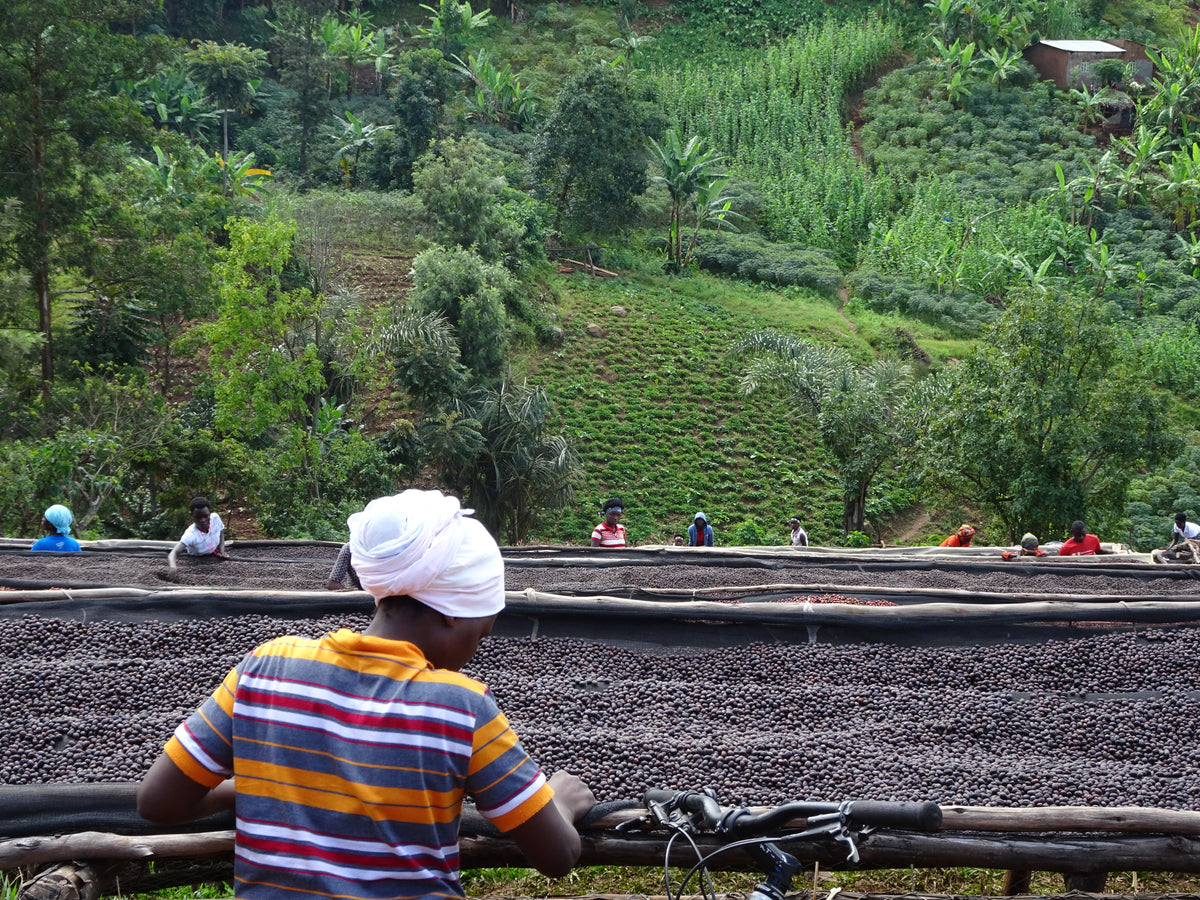
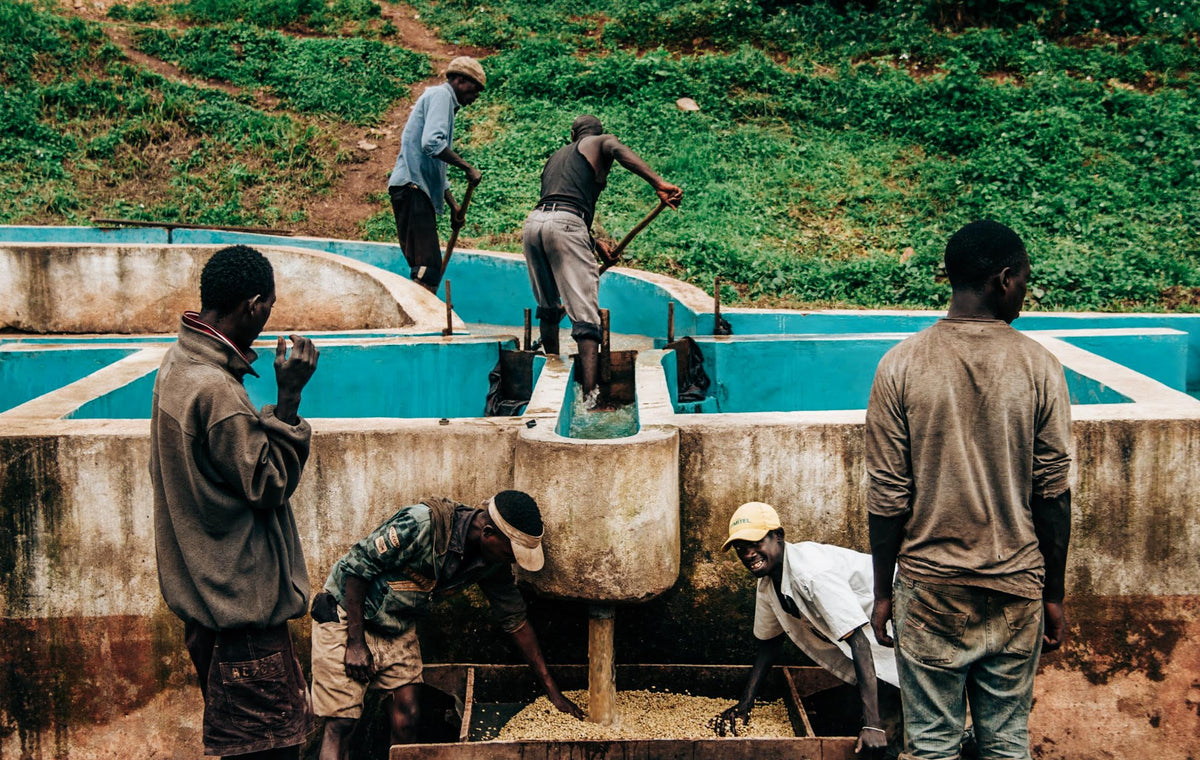
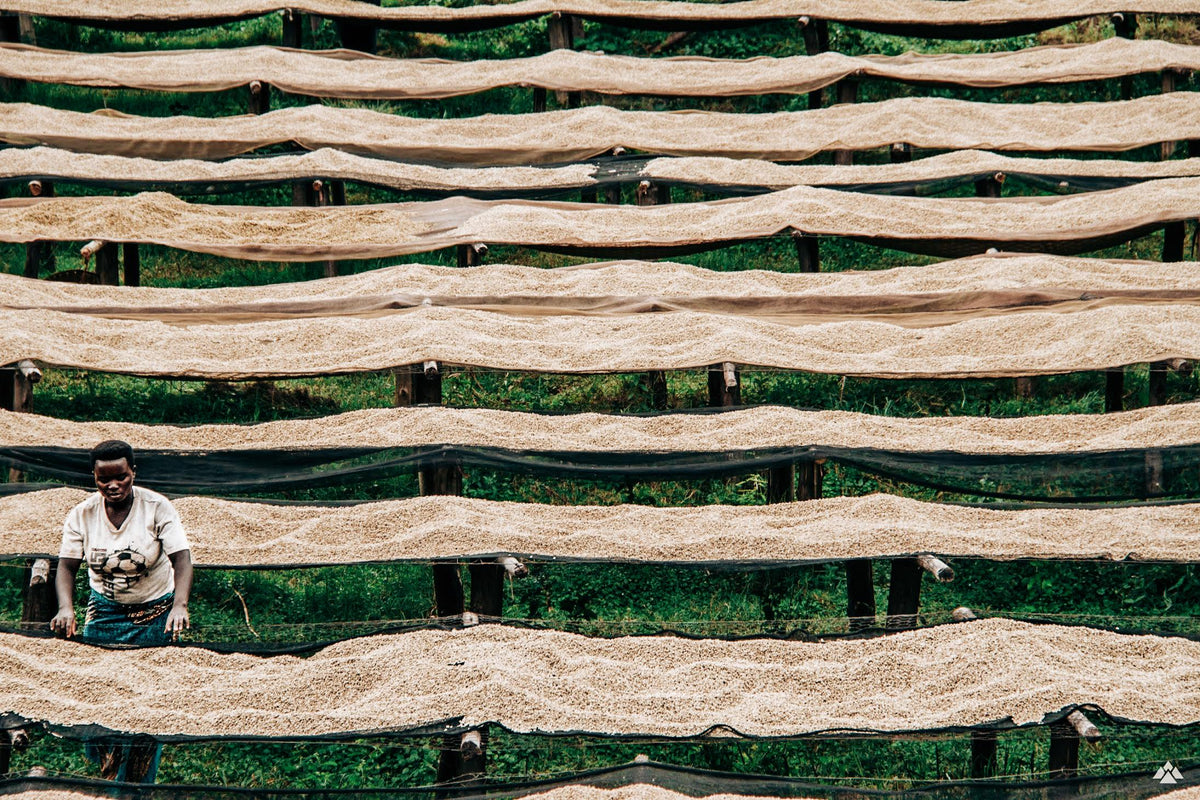
    Burundi’s green coffee beans are primarily processed using the fully washed method, a technique that has become a national standard across its central washing stations. After hand-picking, cherries are delivered to local wet mills where they are mechanically pulped, fermented in water tanks for 12–24 hours, and then thoroughly washed and sorted by density. This method results in clean, high-clarity cups, bringing out the bright acidity, floral notes, and crisp structure that Burundi is renowned for.

    The fully washed process is preferred across most growing regions, particularly in Kayanza and Ngozi, because it enhances the transparency and vibrancy of the final roasted coffee, which speciality roasters highly value. This technique also helps unify cup profiles across micro-regions, allowing buyers to confidently source multiple lots with consistent quality benchmarks.

    In recent years, experimental methods have gained momentum, particularly among producer groups focused on micro-lots and international competitions. These include:

    • Natural (Dry) Process: While less common in Burundi due to humidity and infrastructure challenges, select producers have successfully introduced natural-processed coffees. These beans are dried in the cherry on raised beds, resulting in fruit-forward profiles with deeper sweetness, wild berry tones, and fuller body, making them a standout for roasters seeking bolder cup expressions.
    • Honey Process: Partial mucilage retention while drying is a rare but developing aspect of honey processing. This technique, which is still in the experimental stage and only applies to specific microlots, can add mellow fruit tones and a rounded mouthfeel.
    • Anaerobic Fermentation: Anaerobic fermentation techniques are being tested by certain forward-thinking washing stations, which seal paper or cherries in oxygen-restricted tanks to control the development of flavor. Competition-level roasters looking for uniqueness and originality may find these methods interesting because they can yield outcomes that are complex and very aromatic.

    Kenya and Ethiopia, which are nearby, are known for their natural coffees and washed coffees, respectively. Burundi, on the other hand, is best at washed coffees and is becoming more interested in controlled fermentation and new processing styles. Each method changes the taste of the green bean uniquely, giving roasters the option of clean, structured profiles or more fruit-driven cups.

  • Notable Varieties of Burundi Green Coffee Beans

    There is a modest but significant range of Arabica varietals grown in Burundi that are renowned for their high-quality green coffee. Despite their scarcity, these varietals pack a punch when it comes to taste development and roasting versatility, making them invaluable to speciality roasters.

    Red Bourbon

    Known for its sweetness, crisp acidity, and floral character, Red Bourbon is the most widely planted cultivar in Burundi. It grows well at high altitudes. The cherry-like structure produces dense green beans that roast uniformly and let you regulate their development to a finer degree. Roasters consistently choose Red Bourbon for its clarity in washed processing and its ability to highlight terroir.

    Jackson

    A mutation of Bourbon introduced decades ago, Jackson has adapted well to Burundi’s climate. It produces green beans with balanced flavor attributes, including soft stone fruit, citrus, and herbal elements. Though less celebrated globally, Jackson varietals contribute to the broader flavor range in regional blends.

    SL28 (Experimental Lots)

    Recently introduced through trial programs, SL28 is known for its complex acidity and extended sweetness. While still rare in Burundi, when cultivated and processed with care, SL28 green coffee can offer bright tropical fruit notes, syrupy texture, and high cupping potential, making it an exciting option for speciality buyers and competition use.

    Heirloom-Like Bourbon Strains

    Although Burundi doesn’t have native heirloom varieties like Ethiopia, long-term cultivation and selective propagation of Bourbon have led to regionally adapted strains with distinct expressions. These locally evolved lines often exhibit subtle floral shifts and fruit depth, particularly when grown in microclimates like those found in Muramvya or Kirundo.

    Other Varietals

    While Typica, Caturra, and Geisha are not widely cultivated in Burundi, some pilot farms and private estates have begun exploring these high-value types. Their presence remains minimal but may grow in future harvest cycles as interest in varietal diversification expands.

    Each of these varietals brings a unique flavor identity to the table, and their collective contribution solidifies Burundi’s position as a quality-driven origin. For roasters looking to offer traceable, terroir-specific green coffees, these varietals provide a dependable foundation for clean, expressive, and high-scoring profiles.

  • Usage & Versatility of Burundi Green Coffee Beans

    Both small-batch artisanal micro-roasters and bigger speciality enterprises can appreciate the beans' remarkable adaptability after roasting. The natural qualities of Burundi green coffee are best noticeable at light to medium roast levels, while it readily adjusts to other roast types. The origin's crisp acidity and rich flavor structure are preserved at these levels, allowing the nuances driven by fruit and flowers to fully show themselves.


    Roasters looking for beans with great richness and clarity will find Burundi green coffee to be the perfect addition to their single-origin inventory, particularly for filter-focused offerings. Because of its wide dynamic range and clean cup profile, it would be perfect for specialized cafés or subscription programs looking to add a touch of seasonality to their offerings.

    It is also an excellent component to incorporate into blends due to its well-balanced sweetness and structured acidity. Burundi green coffee, whether used as an accent or base in espresso blends, adds a refined touch, brightness, and lift without overpowering the other flavors.


    When it comes to brew technique appropriateness, Burundi coffees, once roasted, shine in pour-over, Chemex, and Aeropress manual brewing systems, where their subtle aromatics and purity shine through. Impressively, they also work as single-origin espresso, providing a clean aftertaste and a high level of sweetness.


    Burundi green coffee provides roasters with the freedom they need to anchor blends precisely or use it as a high-impact, traceable single-origin coffee with exceptional flavor.

  • Best Brewing Methods for Burundi Green Coffee Beans

    Once roasted, Burundi green coffee beans work well with many brewing methods, making it a popular choice for roasters seeking versatility.

    Espresso

    The Burundi bean is best roasted to a medium degree because its sweet structure and sharp acidity provide for well-balanced, complex espresso shots. This espresso is great both on its own and in milk-based beverages; it has a bright, upfront flavor with overtones of citrus and red fruit and a clean, silky finish.

    Pour-Over (V60, Chemex)

    Roasters aiming for filter coffee profiles will find Burundi green beans to be an exceptional choice. These beans are perfect for speciality cafés' single-origin pour-over menus because, after a gentle roasting and brewing in a V60 or Chemex, they provide subtle citrus tones, floral aromatics, and refined acidity.

    French Press

    Using a French Press to brew Burundi coffees that have been slightly darker roasted brings out their fuller body and richness. This technique provides a more complete and enveloping taste by highlighting the lusciousness of stone fruit and tea-like undertones.

    Cold Brew

    Though not as commonly associated with cold extraction, Burundi green coffee roasted to a medium level can produce low-acid, fruit-forward cold brews. These tend to be smooth, clean, and pleasantly sweet, ideal for roasters seeking to diversify their cold beverage lineup with something elegant yet approachable.

    Aeropress

    The Aeropress is a perfect playground for Burundi coffees, thanks to its adaptability. Whether roasted light or medium, this method allows brewers to highlight bright acidity or richer body depending on the grind size, water temperature, and brew time. It’s an excellent match for customers who enjoy experimenting with origin character.

    For roasters looking to supply customers with a multi-functional coffee that thrives in both clarity-driven brews and more robust formats, Burundi green coffee is a highly adaptable and rewarding choice.

  • Quality Standards for Green Coffee Beans in Burundi

    Burundi green coffee is governed by a structured grading system and national quality control protocols that help maintain consistency from farm to export. Beans are typically classified by screen size and density, with Grade A and Grade B being the most commonly used classifications for export. Higher-density beans are prioritized, as they generally indicate superior maturation and roasting potential.

    during the cooperative level, washing stations must follow precise sorting methods, including hand selection during cherry input, wet processing, and drying. These methods reduce flaws early and ensure only the best lots are exported. Government-aligned programs like the Regulatory Authority for the Coffee Sector (ARFIC) impose minimum standards and traceability for many cooperatives.

    The Burundi coffee value chain is prioritizing transparency. Microlot makers and niche exporters increasingly use direct trade agreements and verifiable supply chains. This change lets roasters see farm location, processing station, altitude, and harvest date, enabling them to tell better origin stories and improve sourcing ethics.


    GrainPro-lined jute bags protect Burundi green coffee from moisture and odours during transport, preserving quality. Exporters follow humidity and water activity criteria to preserve shelf life, which roasters must consider for seasonal inventory.

    Packaging & Sizing Options

    Our Burundi green coffee beans are available in a variety of packaging formats to meet the needs of roasters at every scale. Choose from:

    • 0.5kg and 1kg sizes – Ideal for home roasters and sample profiling.
    • 2kg, 5kg, and 10kg – Perfect for small cafés or artisan roasters conducting test batches or limited-edition runs.
    • 20kg and 30kg – Designed for commercial roasting operations, offering volume efficiency while maintaining storage flexibility.

    Packing each size carefully preserves bean freshness during shipping. You may source a small test lot or scale up for production with our roasting workflow-specific packaging.

  • Sourcing & Traceability

    Transparency, ethical alliances, and long-term supply chain partnerships underpin our Burundi green coffee bean procurement. We deal directly with exporters, cooperatives, and washing stations who follow strict post-harvest regulations and stress traceability from cherry collection to shipment.


    Verified channels include farm location, elevation, processing method, and varietal type for each lot we sell. Roasters can confidently tell the story of each coffee and receive consistent quality.


    Our sourcing partners prioritize farmer empowerment, environmental sustainability, and ethical labor. Even without certification, many of the cooperatives we partner with follow Fair Trade, organic transition, or Cup of Excellence criteria. These values are central to our green coffee selection process.

    We believe that transparency and accountability are non-negotiable in speciality sourcing, especially from a country like Burundi, where smallholder producers rely heavily on fair market access. That’s why we only select coffees that are traceable to specific washing stations, regions, or micro-lots, giving our roasters the tools to roast with purpose and share the full origin story with their customers.

  • Buy 100% High-Quality Burundi Green Coffee Beans

    Discover the vibrant, high-altitude character of Burundi with our carefully curated selection of green coffee beans. Sourced directly from smallholder producers and regional cooperatives, each lot is chosen for its distinctive flavor clarity, traceability, and clean processing.

    Whether you're a micro-roaster looking to feature fruit-forward, washed Bourbon varieties or a commercial buyer seeking consistent, cupping-approved profiles, our Burundi offerings provide an exceptional balance of value and cup complexity.

    All coffees are fresh-crop, stored in climate-controlled warehouses, and shipped with full transparency on origin, process, and quality metrics. Explore single-station lots, regional blends, and experimental microlots, all selected to meet the evolving demands of discerning roasters across Europe and beyond.

    Browse our Burundi Green Coffee collection today and elevate your menu with this East African gem, where heritage farming meets vibrant cup quality.

  • What role does altitude play in the quality of Burundi Green Coffee Beans?

    Wysokość nad poziomem morza odgrywa kluczową rolę w rozwoju smaku. Wysokie położenie Burundi, zazwyczaj między 1 500 a 2 100 metrów nad poziomem morza, spowalnia dojrzewanie owoców kawy, pozwalając na głębszy rozwój cukrów i bardziej złożoną kwasowość. Skutkuje to ziarnami o wyraźniejszej klarowności, kwiatowej jasności i subtelnej słodyczy.

  • Jakie metody obróbki są powszechnie stosowane dla zielonej kawy ziarnistej z Burundi?

    Najczęstszą metodą jest w pełni myty, wykorzystujący tradycyjne afrykańskie kanały fermentacji i staranną ręczną selekcję na stacjach mycia. Procesy naturalne i honey pojawiają się w niewielkich ilościach, często dając bardziej owocowe, egzotyczne profile. Te metody są zazwyczaj zarządzane przez spółdzielnie i małych producentów z głęboką wiedzą na temat technik po zbiorach.

  • Jak zapewniacie jakość i spójność waszej zielonej kawy ziarnistej z Burundi?

    Priorytetowo traktujemy śledzenie lot, relacje na miejscu oraz selekcję opartą na cuppingu. Wszystkie kawy z Burundi przechodzą wielokrotne kontrole jakości, w tym zatwierdzenia próbek przed wysyłką, losowe kontrole magazynowe oraz testy poziomu wilgotności. Zaopatrujemy się wyłącznie u partnerów zaangażowanych w selektywny zbiór, staranne mycie i konsekwentne praktyki sortowania.

  • Jaki jest sezon zbiorów kawy w Burundi i kiedy nowy plon zazwyczaj trafia do Wielkiej Brytanii/Europy?

    Zbiór kawy w Burundi zwykle trwa od marca do lipca, w zależności od wysokości i mikroklimatu. Główne wysyłki zaczynają się pod koniec sierpnia i trwają do października, co oznacza, że importerzy z Wielkiej Brytanii i Europy zazwyczaj otrzymują świeżą kawę zieloną z Burundi na początku jesieni. Termin może się nieznacznie różnić w poszczególnych latach ze względu na pogodę i logistykę.

  • Dlaczego zielone ziarna kawy z Burundi są uważane za ukryty skarb w świecie kawy?
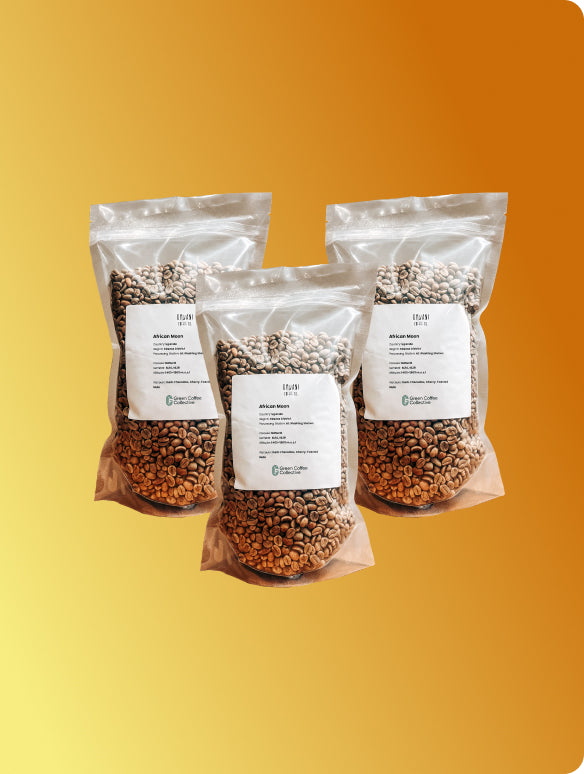
    Mimo że Burundi produkuje jedne z najbardziej żywych i złożonych kaw w Afryce Wschodniej, pozostaje niedostatecznie reprezentowane z powodu wyzwań logistycznych i ograniczonej globalnej ekspozycji. Jednak dla tych, którzy chcą eksplorować, jakość filiżanki dorównuje najlepszym partiom z Kenii i Etiopii, oferując ogromną wartość i charakter przy pełnej przejrzystości pochodzenia.

Twoje pytania, odpowiedzi

Czym jest Green Coffee Collective?

Jesteśmy społecznością producentów kawy i ekspertów ds. zaopatrzenia, którzy wspólnie pracują, aby kawa zielona była łatwo dostępna — niezależnie od tego, czy jesteś hobbystą palacz w domu lub profesjonalistą palącym setki ton rocznie. Nasza platforma została zaprojektowana, aby uprościć zakup kawy zielonej, tak jak każde inne zakupy online. Bez zbędnych komplikacji, tylko świetna kawa na wyciągnięcie ręki.

Czy oferujecie wsparcie dla relacji handlu bezpośredniego z producentami?

Tak, zawsze chętnie pomagamy nawiązywać kontakty! Jeśli chcesz współpracować bezpośrednio z jednym z naszych producentów, po prostu wyślij do nas e-mail (hello@greencoffeecollective.com), a z przyjemnością pomożemy w nawiązaniu kontaktu. Przy większych zamówieniach możemy także pomóc w logistyce i wszelkich zawiłościach związanych z bezpośrednim pozyskiwaniem od producentów.

Czy oferujecie próbki lub partie testowe przed złożeniem większego zamówienia?

Tak, oferujemy próbki większości naszych kaw. Jeśli potrzebujesz większej próbki niż ta, która jest zazwyczaj dostępna, polecamy wypróbować jedną z opcji o mniejszej ilości dostępnych na naszej stronie. W ten sposób możesz przetestować kawę, zanim zdecydujesz się na większe zamówienie.

Jaki masz proces zapewniania spójności między partiami lub zbiorami?

Ściśle współpracujemy z naszymi partnerami zaopatrzeniowymi, aby zawsze oferować kawę najwyższej jakości. Większość partnerów, których znajdziesz na naszej stronie, ma wieloletnie doświadczenie w swoich regionach, i wykorzystują tę wiedzę, aby zdobywać najlepsze kawy dostępne w każdym sezonie. Ich głębokie relacje z producentami pomagają utrzymać stałą jakość i dostępność.

Jaka jest minimalna ilość zamówienia (MOQ) przy dużych zamówieniach lub umowach długoterminowych?

W przypadku większych lub długoterminowych umów możesz zacząć już od jednej torby. Pracujemy też nad narzędziami, które pomogą Ci uzyskać dostęp do zbiorów i rezerwować kawy, zanim jeszcze opuszczą kraj. Choć nie jest to jeszcze w pełni gotowe, zawsze chętnie pomożemy palarnie dowolnej wielkości łączą się z producentami, z którymi chcą współpracować.

Jak radzicie sobie z logistyką i wysyłką większych zamówień?

Mamy to pod kontrolą! Przy większych zamówieniach oferujemy pełne wsparcie logistyczne, w tym transport, magazynowanie i zarządzanie zapasami. Zadbamy, aby cały proces przebiegał sprawnie i bezproblemowo, dzięki czemu możesz skupić się na paleniu świetnej kawie. Jeśli wysyłasz za granicę, możemy również pomóc w zapewnieniu płynnej dostawy.

Czy mogę zorganizować wizytę u źródła lub wziąć udział w wizytach podczas sezonu zbiorów?

Pracujemy nad organizacją wyjazdów w przyszłości! Tymczasem, jeśli jest jakieś konkretne miejsce pochodzenia, które chciałbyś odwiedzić, po prostu skontaktuj się z nami, a postaramy się pomóc w zorganizowaniu czegoś.

Jak Green Coffee Collective wspiera rozwój mojego biznesu?

Naszą wizją jest uczynienie niesamowitej kawy dostępną dla palarni każdej wielkości. Dostarczamy wszystkie materiały marketingowe i opowieści, których potrzebujesz, aby pokazać pochodzenie naszych kaw. Jeśli czegoś brakuje i powstrzymuje Cię to przed zakupem, daj nam znać! Zawsze szukamy sposobów, by ulepszyć nasze produkty i informacje, czyniąc je jeszcze bardziej przejrzystymi. Wielu palarnie z powodzeniem rozwijało swoją ofertę dzięki naszemu wsparciu, a my jesteśmy tu, by pomóc Ci zrobić to samo.

Jaka jest wasza struktura cenowa i czy oferujecie rabaty lub korzyści przy zakupach hurtowych?

Nasze ceny są proste. Dla ilości mniejszych niż 60 kg doliczamy niewielką dopłatę, która pokrywa magazynowanie, kompletowanie, pakowanie, obsługę i wysyłkę — to pozwala na realizację mniejszych zamówień. Przy pełnych workach pobieramy prowizję od naszych partnerów sourcingowych, więc cena, którą u nas płacisz, jest taka sama, jakbyś kupował bezpośrednio od nich. Rabaty przy większych ilościach są podane na naszej stronie i obliczamy je na podstawie konsultacji z producentami i partnerami sourcingowymi, odzwierciedlając korzyści z zakupów hurtowych i zobowiązania do stałych zamówień.

What does Burundi coffee taste like?

Burundi green coffee beans, once roasted, often produce a cup that is bright, juicy, and complex. Common flavor notes include red berries, citrus zest, florals, and mild spice, supported by a refined acidity and clean finish. These flavor profiles make them highly prized among speciality coffee roasters seeking layered and expressive coffees.

Jaką rolę odgrywa wysokość nad poziomem morza w jakości zielonych ziaren kawy z Burundi?

Wysokość nad poziomem morza odgrywa kluczową rolę w rozwoju smaku. Wysokie położenie Burundi, zazwyczaj między 1 500 a 2 100 metrów nad poziomem morza, spowalnia dojrzewanie owoców kawy, pozwalając na głębszy rozwój cukrów i bardziej złożoną kwasowość. Skutkuje to ziarnami o wyraźniejszej klarowności, kwiatowej jasności i subtelnej słodyczy.

Jakie są cechy zielonej kawy ziarnistej z Burundi?

Zielone ziarna z Burundi są zazwyczaj gęste, o małym do średniego rozmiarze, i pochodzą z odmian linii Bourbon. Po uprażeniu dają dobrze zbudowaną kwasowość, jedwabiste ciało i aromatyczne profile, które mogą obejmować owoce pestkowe i hibiskus aż po goździk i wanilię, w zależności od przetwarzania i terroir.

Jaki jest wpływ produkcji zielonej kawy z Burundi na środowisko?

Kawa z Burundi jest uprawiana głównie przez małych rolników stosujących rolnictwo o niskim nakładzie. Techniki uprawy w cieniu i międzyplony pomagają zachować bioróżnorodność. Chociaż certyfikacja środowiskowa w tym regionie jest jeszcze w fazie rozwoju, wielu producentów domyślnie stosuje praktyki zrównoważone, korzystając z systemów wodnych zasilanych źródłami i metod kompostowania organicznego.

Jak proces mycia wpływa na smak zielonych ziaren kawy z Burundi?

Proces myty podkreśla czystość i jasność w filiżance. Usuwa on dokładnie owocową mucylogę, pozwalając na proces naturalną kwasowość, kwiatowe nuty i subtelną słodycz na pełne wybrzmienie. Ten proces jest kluczowy dla osiągnięcia czystych, wyrazistych profili z których słyną kawy z Burundi.

Jak ziarna zielonej kawy z Burundi wypadają na tle innych afrykańskich kaw, takich jak ziarna kenijskie czy etiopskie?

Podczas gdy Kenia jest znana z kwaśnej kwaskowatości czarnej porzeczki i Etiopia ze względu na kwiatowe, herbaciane odmiany dziedziczne, Burundi stanowi równowagę między nimi. Oferuje strukturę i jasność kawy kenijskiej z pewną owocową złożonością i kwiatową elegancją spotykaną w partiach etiopskich, co czyni ją wszechstronną i często bardziej opłacalną opcją dla palarni poszukujących wysokiej klasy afrykańskich profili.