South American Green Coffee Beans

Zuid-Amerikaanse Groene Koffiebonen

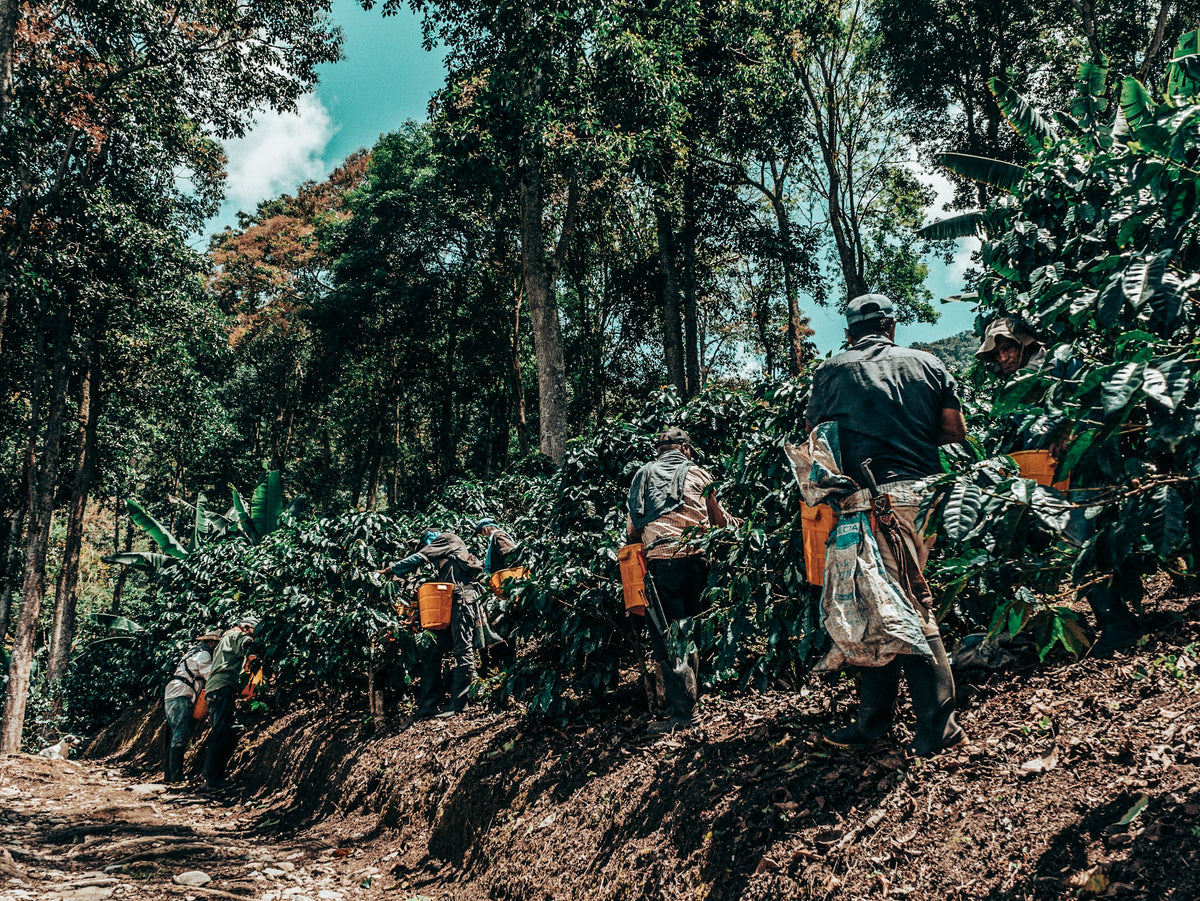
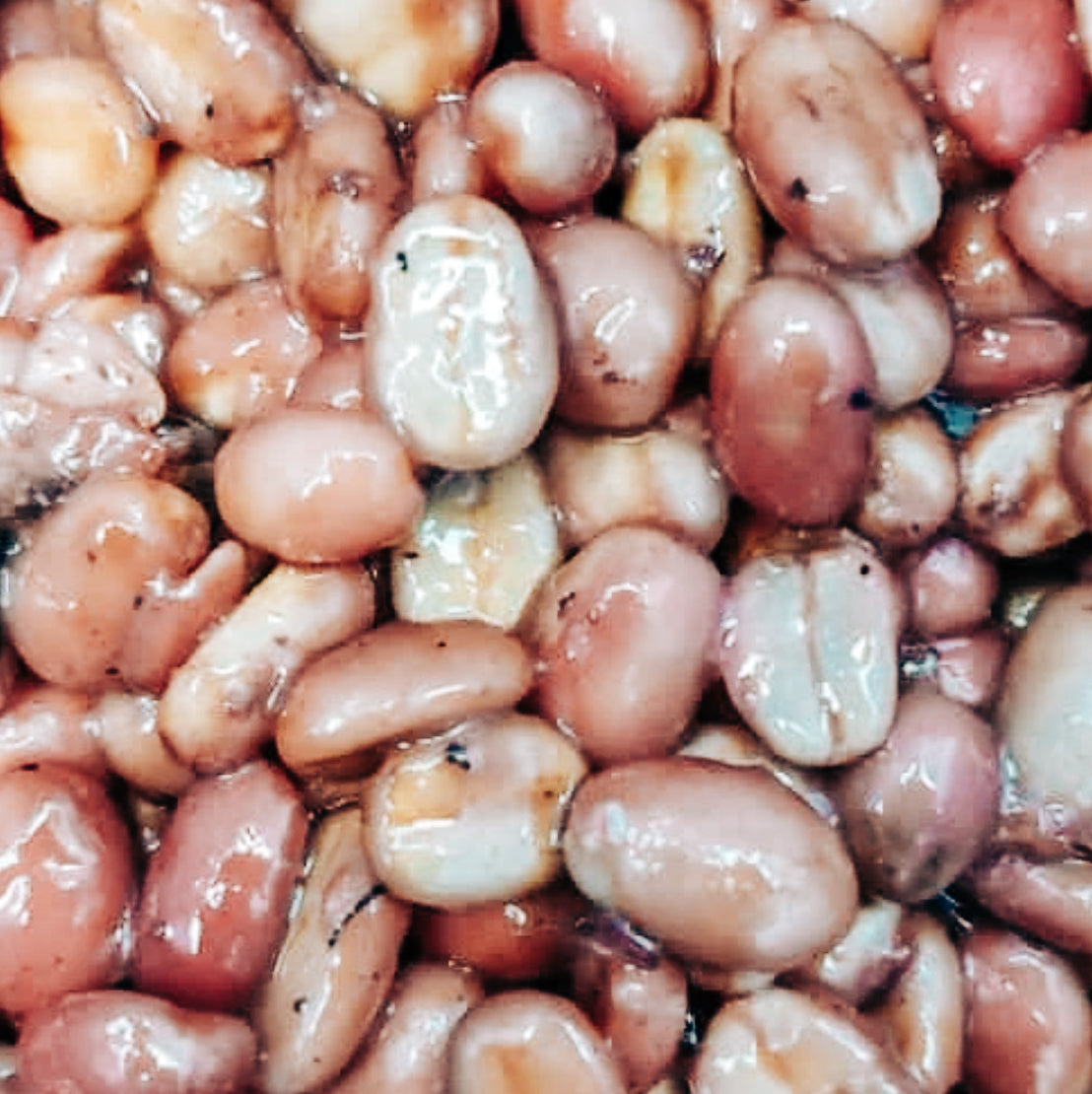
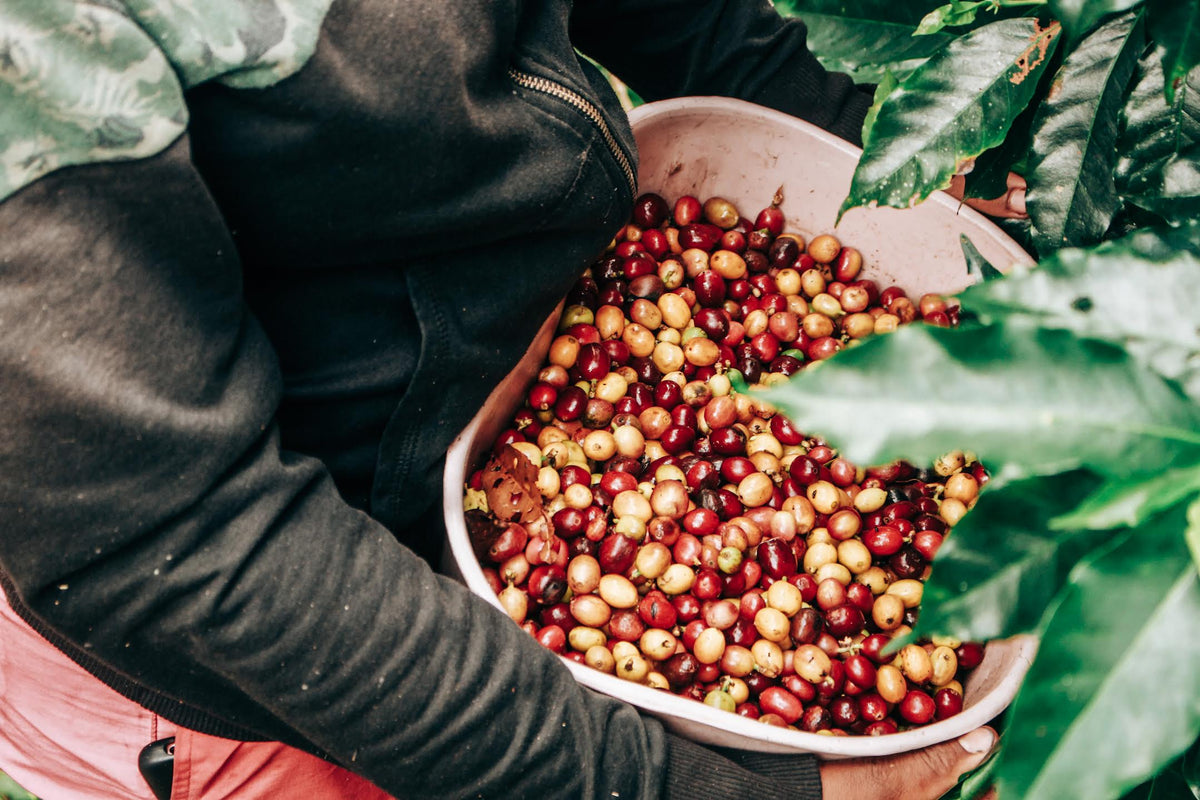
Zuid-Amerika is de grootste koffieproducerende regio ter wereld, met smaakprofielen die net zo divers zijn als het landschap. Brazilië staat bekend om zijn zachte, chocoladeachtige koffies, vaak met nootachtige en kruidige tonen, terwijl hoger gelegen teeltgebieden zorgen voor frissere citrusaccenten. Colombia is geliefd om zijn levendige, fruitige koffies met heldere zuren, wat een duidelijk contrast vormt met de vollere body van veel Braziliaanse koffies. Die diversiteit zie je ook terug in de verwerking: Guatemala staat bekend om gewassen koffies, Costa Rica loopt voorop met honey processing, en Colombia experimenteert steeds vaker met innovatieve technieken.

Op zoek naar een besparing?

Stel je eigen unieke kleine batch samen. Kies uit een diverse selectie deskundig samengestelde koffies uit meer dan 30 landen en bespaar tot 10%.

Begin met het samenstellen van een bundel
  • Welk Zuid-Amerikaans land produceert de beste koffie?

    Het bepalen van de "beste" Zuid-Amerikaanse koffie hangt volledig af van persoonlijke smaakvoorkeuren. Elk land in Zuid-Amerika biedt unieke smaakprofielen, groeiomstandigheden en verwerkingsmethoden, die een breed scala aan koffieliefhebbers aanspreken. Hier is een overzicht van wat enkele van de bekendste koffieproducenten uit de regio onderscheidt:

    Brazilië: De reus van consistentie en veelzijdigheid

    Brazilië is de grootste koffieproducent ter wereld en is verantwoordelijk voor meer dan een derde van de wereldwijde koffieproductie. Bekend om koffies met chocolade-, noot- en specerijtonen, zijn Braziliaanse bonen favoriet vanwege hun toegankelijke profielen en uitstekende body. Bij teelt op hogere hoogten kun je zelfs hints van citrus ontdekken. Hoewel Braziliaanse koffies zelden in de hoge 80 punten scoren op specialty schalen, excelleren ze als espresso basis dankzij hun uitzonderlijke mondgevoel en crema. Als je houdt van een soepele, goed afgeronde koffie met een chocoladeachtige rijkdom, is Brazilië misschien wel je favoriet.

    Colombia: Een toevluchtsoord voor specialty koffie

    Colombia is synoniem met koffie van hoge kwaliteit. Bekend om zijn zijdezachte body, rietsuikerzoetheid, bloemige hints en sporen van tropisch fruit, biedt Colombiaanse koffie een breed spectrum aan smaken. De diverse microklimaten en heuvelachtige terreinen van het land maken het mogelijk om het hele jaar door koffie te oogsten, wat zorgt voor versheid. Bovendien lopen Colombiaanse boeren voorop in experimentele verwerkingsmethoden, zoals anaeroob fermentatie. Deze innovaties verleggen grenzen en verrukken liefhebbers van specialty koffie. Als je houdt van complexiteit en de spanning van iets nieuws proberen, heeft Colombiaanse koffie veel te bieden.

    Peru: De verborgen parel van specialty koffie

    De koffieomstandigheden in Peru zijn niets minder dan buitengewoon. Met hoge hoogten, rijke bodems en een scala aan microklimaten is Peruaanse koffie schoon, helder en vol karakter. Een goede Peruaanse koffie vertoont vaak opvallende zuurgraad, gematigde fruit- of bloemige tonen en een schone zoetheid. De variatie in teeltgebieden betekent dat elke kop een ander verhaal vertelt, wat het een uitstekende keuze maakt voor wie diversiteit zoekt in zijn koffie-ervaring. Als je houdt van levendige, genuanceerde koffies, is Peru misschien jouw favoriet.

  • Hoe zorgen wij ervoor dat Zuid-Amerikaanse koffie op een duurzame en transparante manier wordt ingekocht?

    Duurzaamheid en transparantie bepalen hoe we onze Zuid-Amerikaanse koffies inkopen. Door samen te werken met vertrouwde partners die ethische praktijken, milieubewustzijn en traceerbaarheid vooropstellen, zorgen we ervoor dat elke boon die we aan jou leveren het harde werk en de toewijding van de boeren weerspiegelt. Zo doen we dat:

    Brazilië: Mio

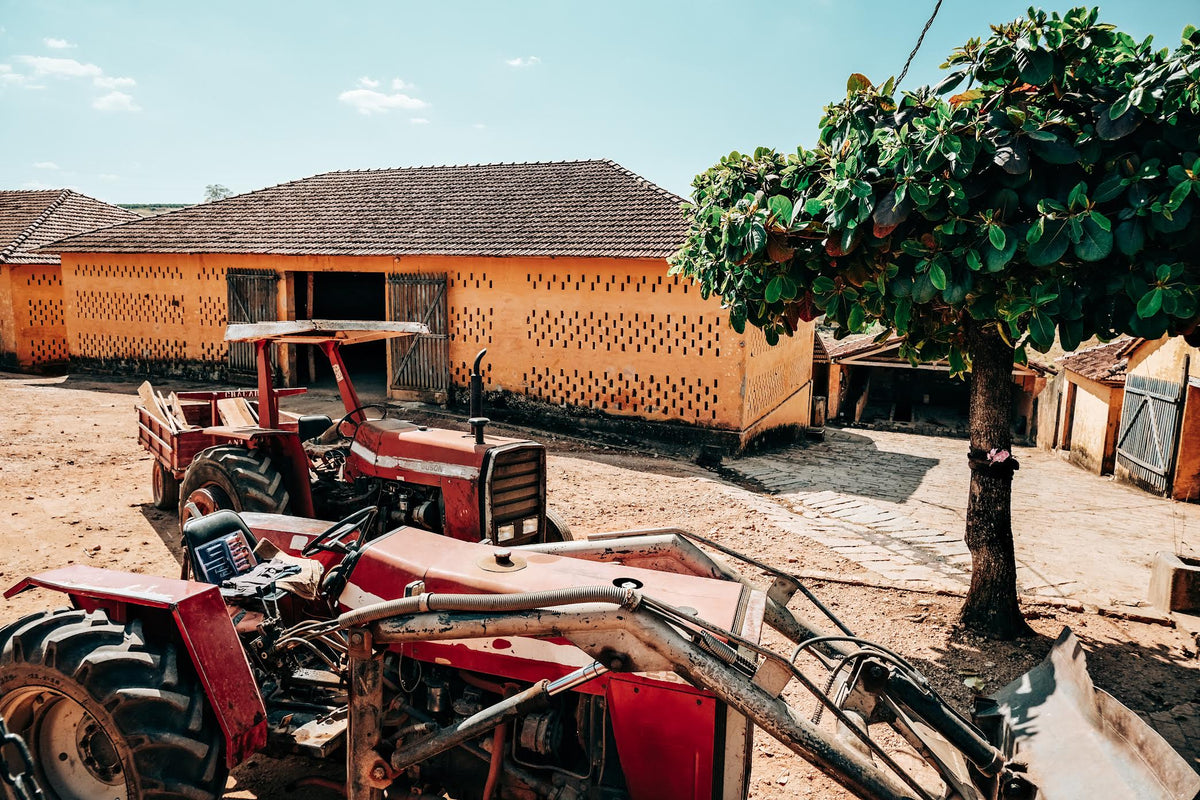
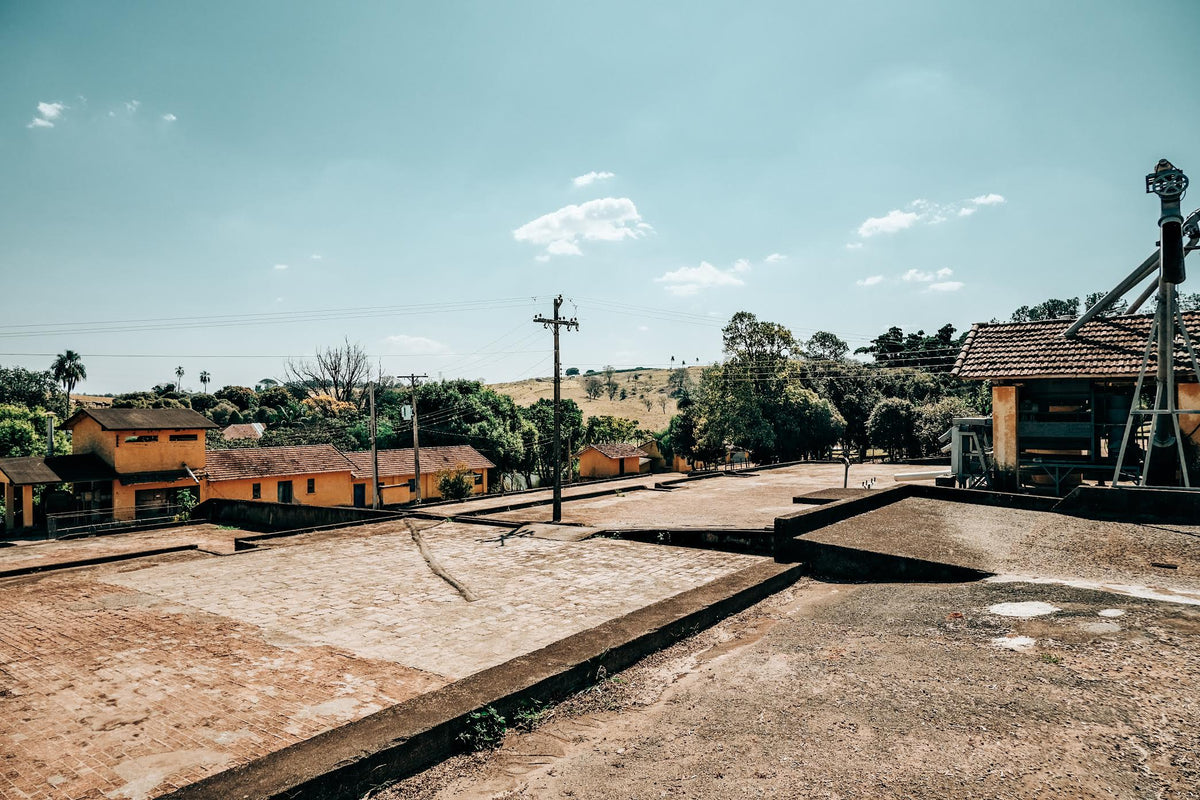
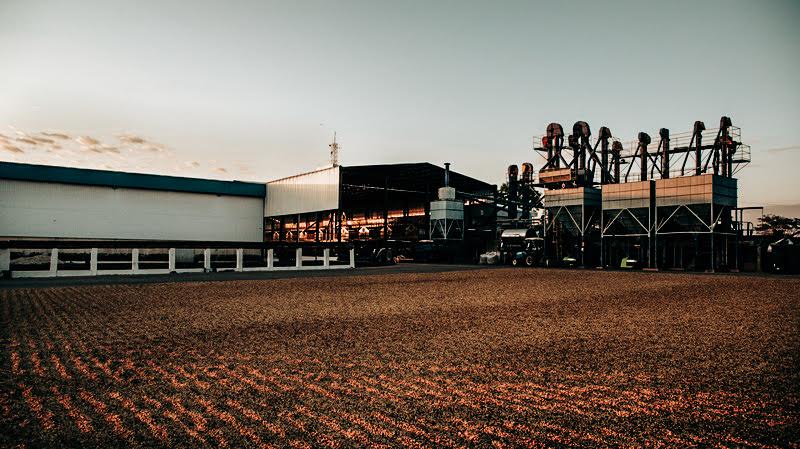
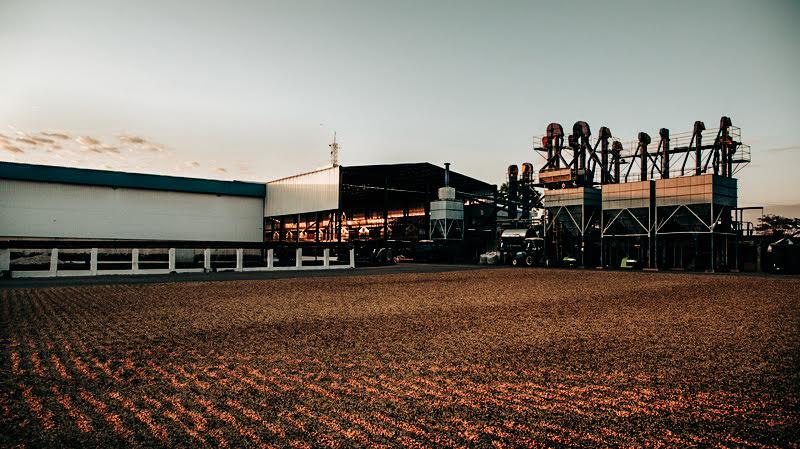
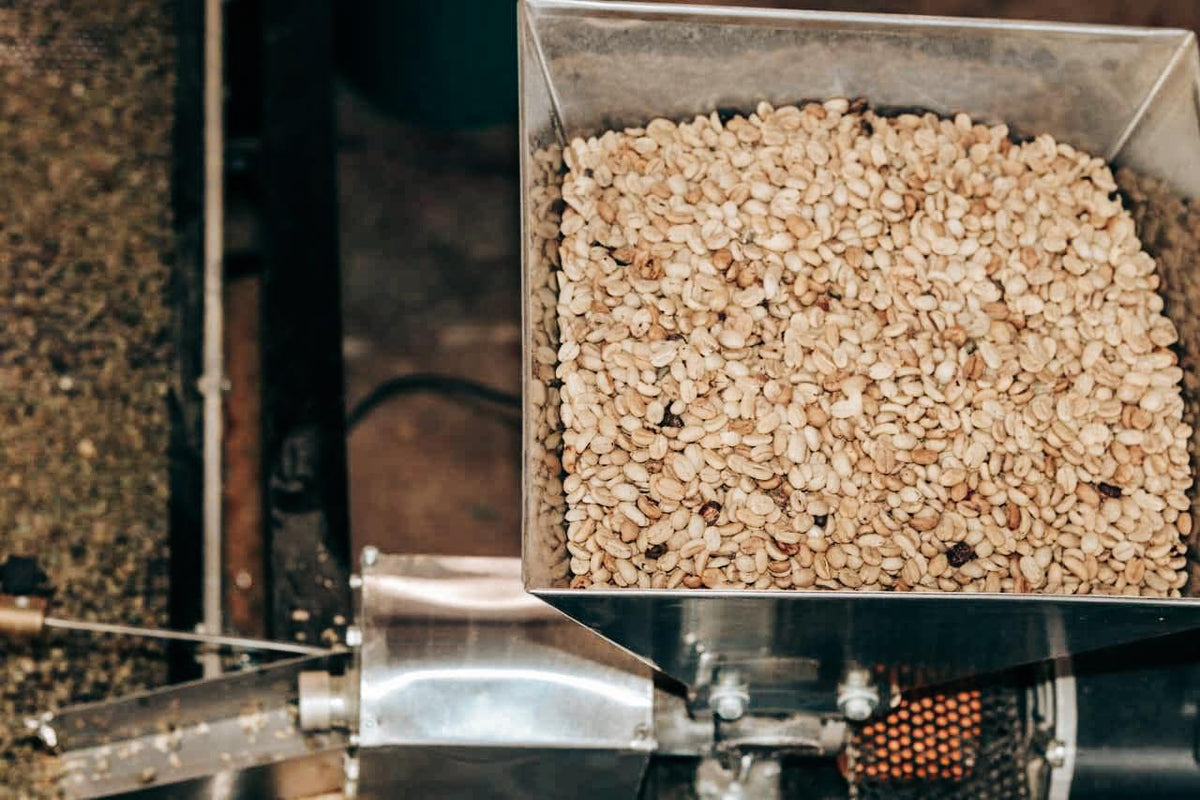
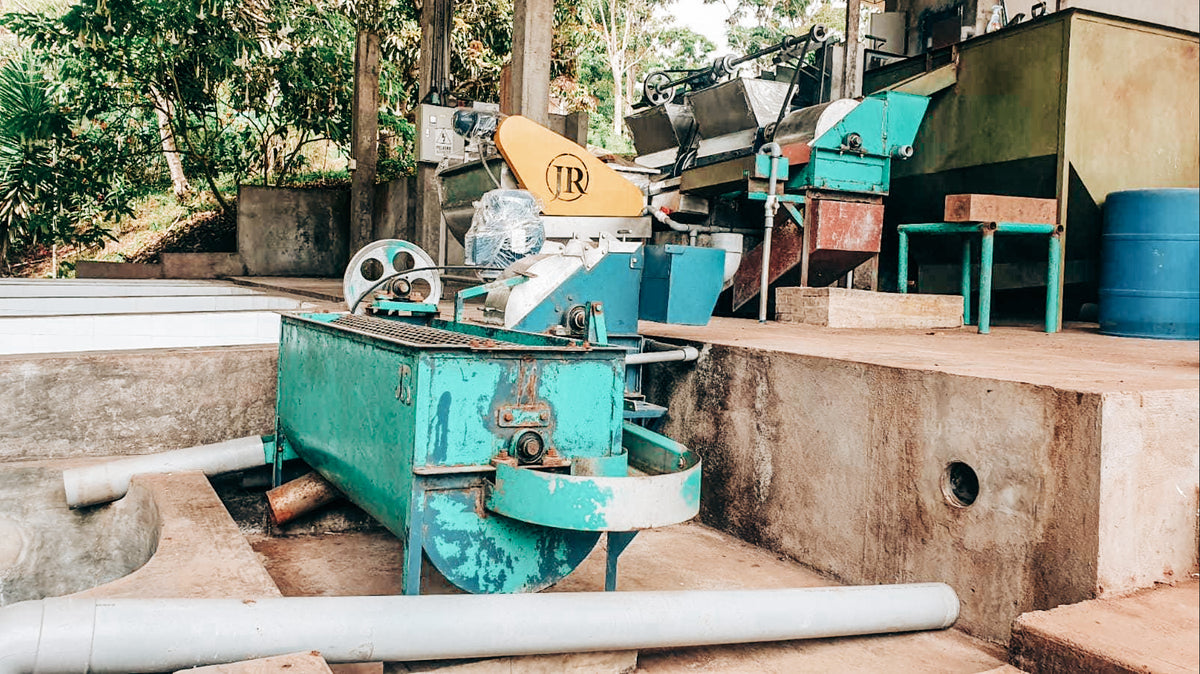
    Onze partner Mio houdt toezicht op elke stap van de koffieproductie in Brazilië, waarbij volledige traceerbaarheid en transparantie worden gegarandeerd. Met Natural- en Honey-verwerkingsmethoden creëren ze consequent koffies van hoge kwaliteit. Geavanceerde sorteertechnologie en zorgvuldige aandacht zorgen ervoor dat elke batch aan de hoogste standaarden voldoet.

    Colombia: The Green Collection, Mi Café, Cata Export en Makicuna

    De koffiediversiteit van Colombia is ongeëvenaard, en we vertrouwen op verschillende partners om het beste uit deze gerenommeerde regio te halen:

    • The Green Collection levert uitzonderlijke Single Origin micro-lots, met focus op duurzaamheid en het ondersteunen van landbouwgemeenschappen in regio's zoals Tolima en Huila.
    • Mi Café verbindt ons met topkwaliteit Colombiaanse producenten, wat zorgt voor een soepele en betrouwbare toeleveringsketen.
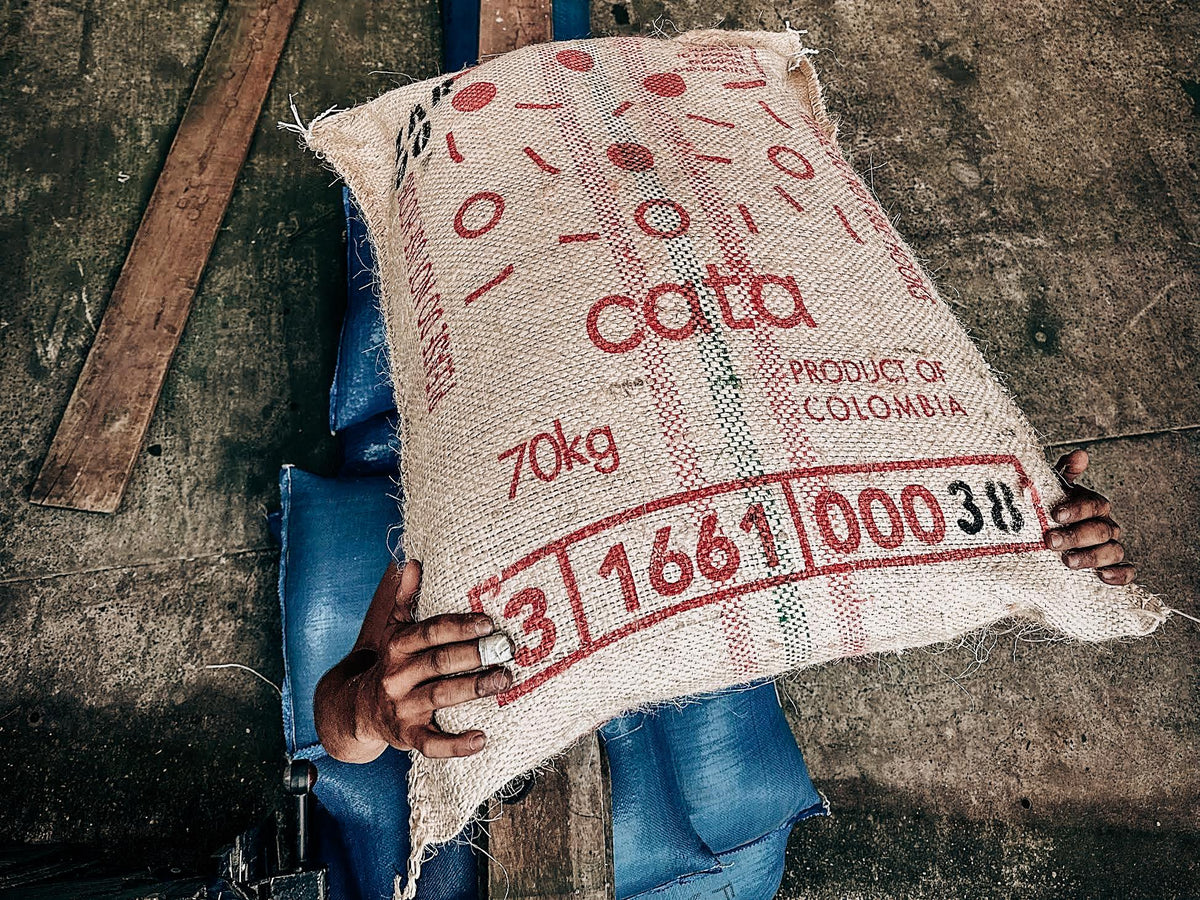
    • Cata Export combineert expertise als zowel exporteurs als producenten, met nadruk op traceerbare handel en regeneratieve landbouwpraktijken.
    • Makicuna bouwt sterke relaties met boeren en zorgt tegelijkertijd voor volledige traceerbaarheid, bevordert eerlijke handel en duurzame bestaansmiddelen.

    Peru: Khipu

    In Peru, Khipu benadrukt de ongelooflijke diversiteit van Peruaanse koffie door alles te betrekken, van coöperatieve partijen tot experimentele nanolots. Ze beheren het proces van boerderij tot export, waarbij transparantie en kwaliteit in elke stap worden gewaarborgd.

    Ecuador en Colombia: Makicuna

    Makicuna levert ook specialty koffies uit Ecuador, een groeiende speler in de koffiewereld. Hun samenwerkingsgerichte aanpak zorgt voor uitzonderlijke kwaliteit, terwijl ze producenten ondersteunen en duurzame praktijken bevorderen.

  • Kun je maatwerk sourcing verzorgen voor specifieke Zuid-Amerikaanse landen, verwerkingsmethoden of variëteiten?

    Ja, dat kunnen we! Bij Green Coffee CollectiveGreen Coffee Collective zijn we trots op onze vaardigheid om koffie te vinden die precies aansluit bij jouw specifieke wensen. Of je nu op zoek bent naar bonen uit een bepaald Zuid-Amerikaans land, unieke verwerkingsmethoden, of specifieke variëteiten, wij werken samen met een netwerk van vertrouwde partners om het voor elkaar te krijgen.

    Onze expertise in sourcing omvat ook samenwerking met producenten en exporteurs die duurzaamheid, traceerbaarheid en kwaliteit hoog in het vaandel hebben staan. Van traditionele gewassen koffies tot experimentele verwerkingsmethoden zoals Honey, Natural of Anaerobe fermentatie, we kunnen je in contact brengen met de juiste koffie die past bij jouw voorkeuren en eisen.

    Stuur ons een e-mail op hello@greencoffeecollective.com, en we helpen je de perfecte koffie te vinden voor jouw bedrijf of project.

  • Discover the Essence of South American Green Coffee Beans

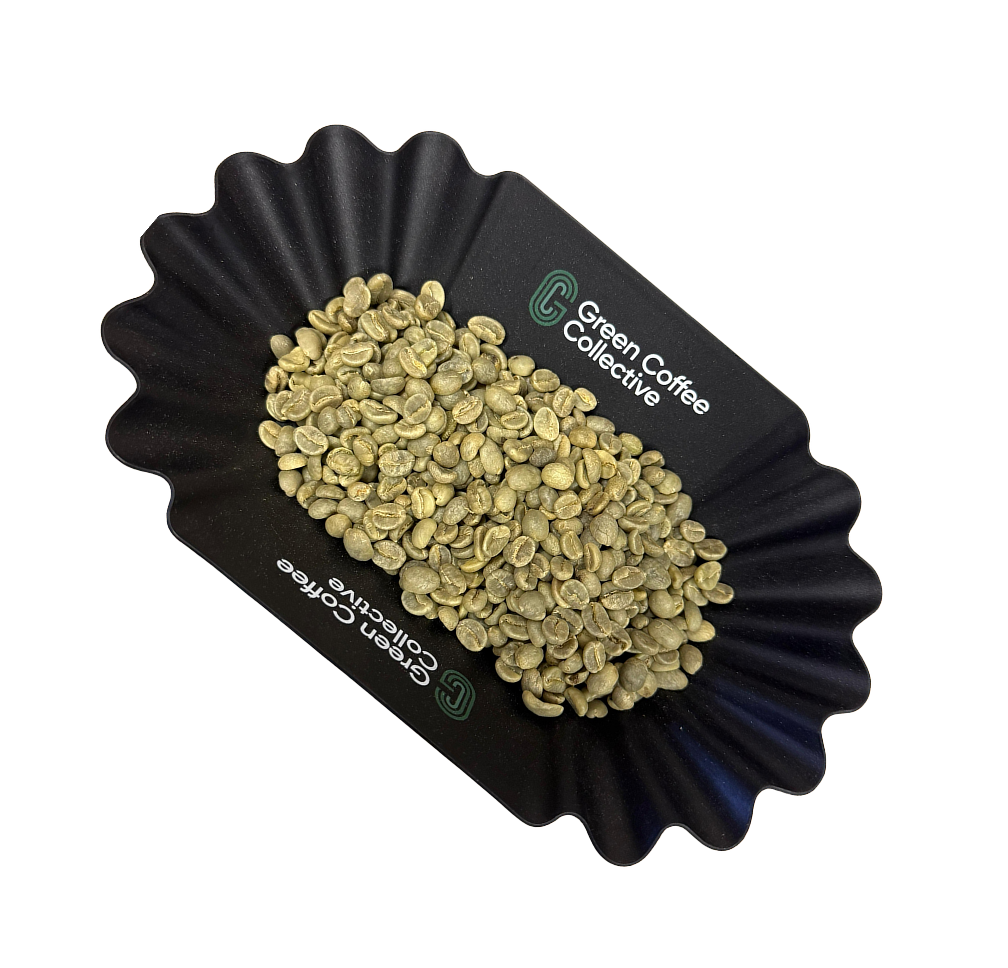
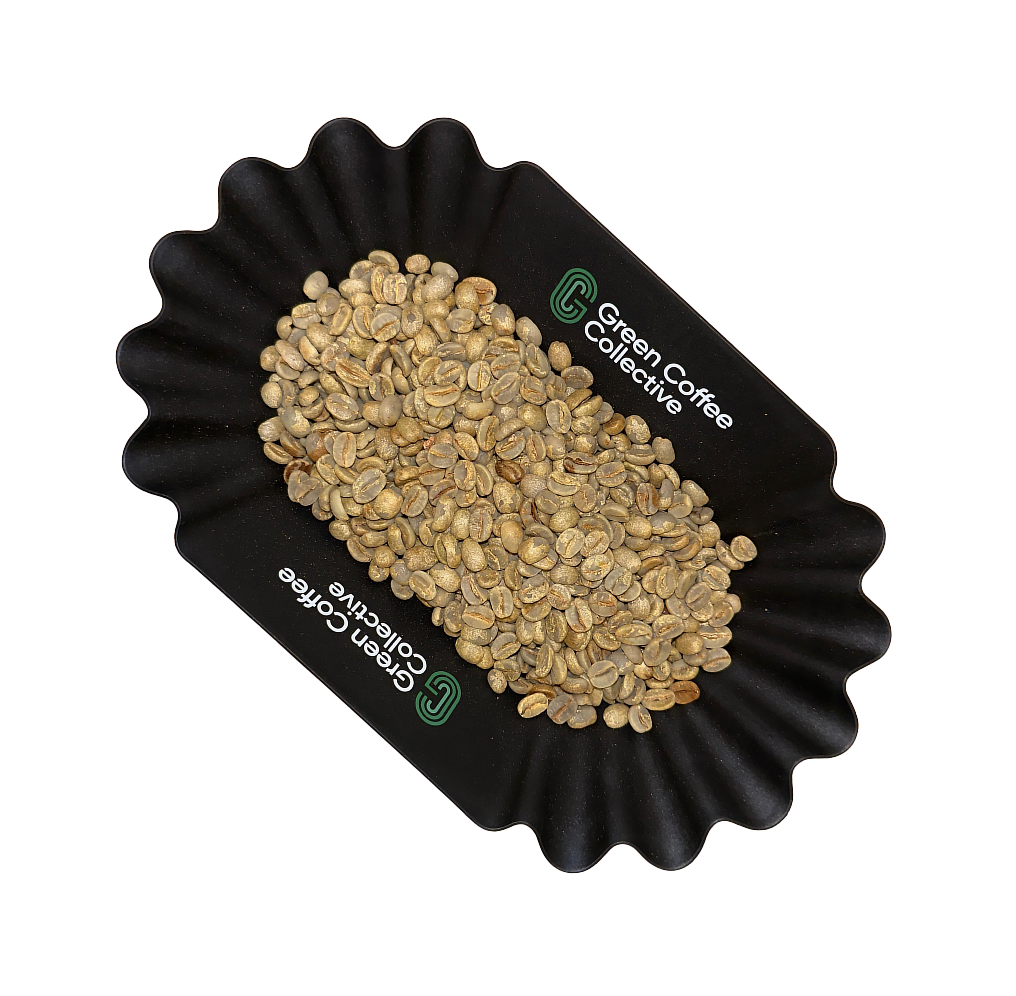
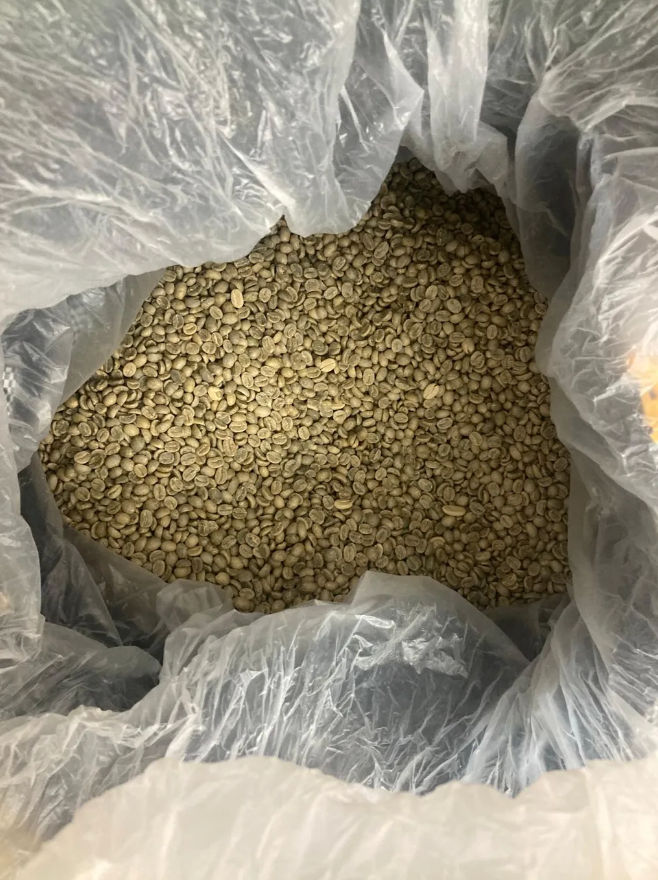
    South America is at the center of the world's green coffee trade. It is known for its rich biodiversity and for growing some of the most sought-after unroasted coffee beans in the world. South American green coffee is the best base for a great roasting selection because it has a wide range of flavors, consistency, and complexity.


    Brazil, Colombia, and Peru all have strong coffee cultures. For decades, these countries have impacted the speciality coffee scene via their artistry and new ideas. From the high-altitude, shade-grown lots of the Andes to the vast sun-drenched farms of Minas Gerais, South American beans are incredibly versatile. They can be used to make anything from bright, fruity single origins to balanced espresso blends.


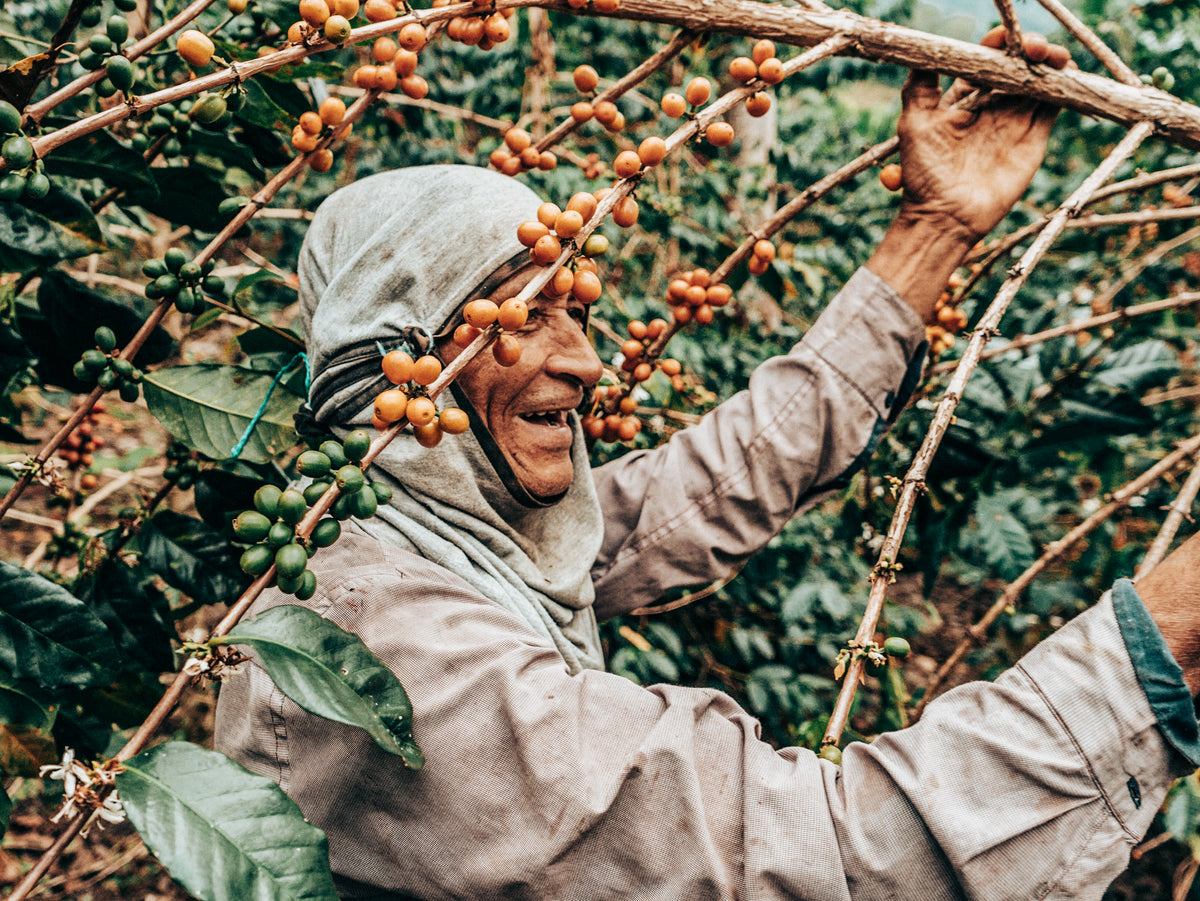
    The passion of smallholder farmers who work in harmony with the soil is what makes these green coffee beans different. South America is now a major player in the speciality green coffee market because of their focus on environmentally friendly farming methods, responsible post-harvest processing, and choosing high-quality varieties.


    No matter if you own a little coffee shop or a large coffee house, getting South American green coffee beans means getting a heritage of quality, global demand, and unlimited roasting possibilities.

  • Why South American Green Coffee Beans Are Famous

    Roasters all across the world rely on South American green coffee beans because they offer a wide range of cup profiles, are always high quality, and can be scaled up like no other. Their reputation is both historic and always changing, from single-origin micro-lots to parts of world-class blends.

     
    Each country that makes things in the area has a unique flavor identity. People love Brazilian green coffee because it has a rich, chocolatey depth and low acidity, which makes it great for espresso bases and big blends. Colombian beans, on the other hand, are frequently bright and acidic, with citrus notes and a smooth texture. They are popular for high-end single-origin coffees. On the other hand, origins like Peru add subtle floral flavors and refined sweetness, especially from farms at high elevations.


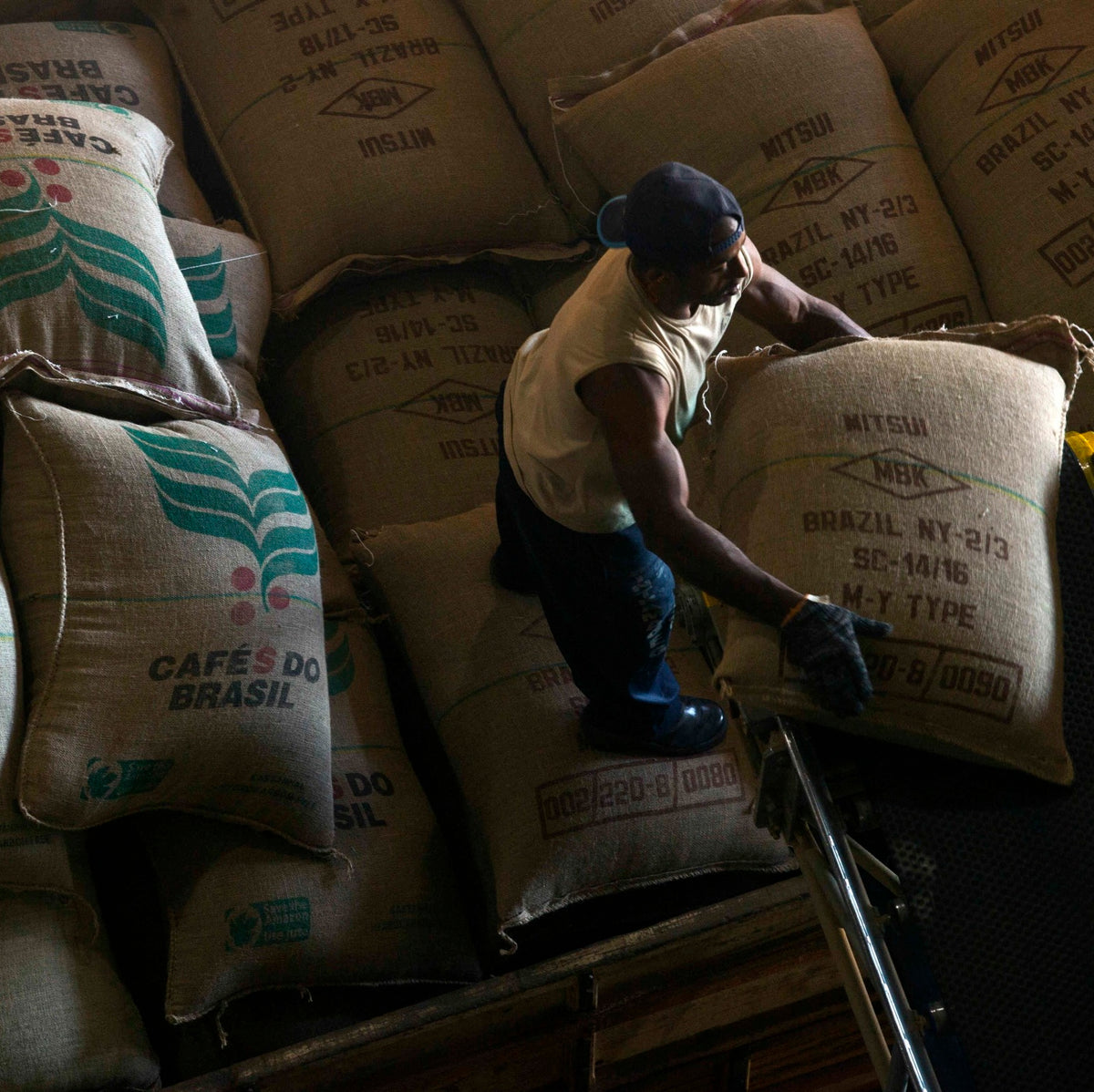
    South America plays an important role in world trade because of its many different regions. Brazil and other countries are some of the biggest exporters of green coffee in the world. Colombia, on the other hand, is known for making high-quality coffee. Importers, roasters, and buyers at the competition level all agree that South America is the best place to get a steady supply of goods.


    South American beans are often used in cupping competitions, barista championships, and roaster's choice selections in the world of speciality coffee. When judging quality or making expert blends with different flavors, they are commonly used as benchmark lots. This vast, mountainous continent is home to many award-winning coffees, whether they come from Cup of Excellence programs or industry shows.


    South America has both prestige and great taste in the cup for any roaster who wants to add high-quality green coffee that is respected around the world.

  • Why Roasters Love South American Green Coffee Beans

    Roasters love South American green coffee beans because they can be used in so many different ways. These beans work well with a wide range of roast levels and brew methods, whether you're making a bright, flavorful filter roast or a well-balanced espresso. Their structure is strong enough to handle both light and medium roasts, which brings out their crisp acidity, layered sweetness, and regional differences. For darker roasts, especially those made with Brazilian beans, the body gets thicker while still being clear. This is great for making blends that everyone will love.


    Roasters that work with beans from South America like the consistent processing, predictable density, and wide range of flavors. These qualities let the roaster regulate the development, which makes profile tuning more predictable and repeatable. This is very important for both small-batch artisan roasters and big speciality businesses.


    There is still a demand for South American coffees in the niche market because they can be traced, have quality assurance processes, and have clear supply networks. They are often the base for distinctive blends, and they also provide single-origin meals with the clarity and uniqueness they need.


    South American green coffees are the perfect mix of quality, consistency, and adaptability for speciality roasters in the UK and Europe. These are all important when serving picky coffee aficionados.

  • Flavor Profile & Cupping Notes

    The different microclimates, altitudes, and processing techniques throughout South America provide green coffee beans with a wide range of flavors. These beans are noted for their approachable but complex cup character after roasting, which makes them a reliable choice for specialist roasters who want to bring out more flavor and balance.


    Depending on where it comes from and how high it is, acidity levels across the continent might be mild or severe. For example, Colombian and Peruvian beans frequently have a crisp, citrusy acidity, while Brazilian coffees tend to have smoother, more balanced flavors. The body might be silky and medium in high-grown lots or creamy and full-bodied in lower-altitude lots, especially when the beans are prepared naturally.


    Roasters can anticipate finding a wide range of flavors in Brazilian coffees, such as milk chocolate, caramel, and almond. In washed Peruvian or Colombian lots, they can get flowery, red berry, and stone fruit flavors. These flavor notes make them good for both single-origin presentations and balanced espresso bases.


    Depending on the lot and how it was processed, the average cupping score for speciality-grade South American green coffees is between 83 and 87+. These scores show that the profiles are clean, the sweetness is good, and the cup complexity is excellent, which is what roasters want for their best products.


    The terroir of a region is very important for developing flavor. Volcanic soils, high altitudes, and different patterns of rainfall all help cherries grow more slowly, which makes the sweetness and scent stronger. For instance, coffees from the Andes often have delicate floral notes and a fine acidity, whereas coffees from lower elevations may have more cocoa-toned, grounded characteristics.


    Most roasters get the best flavor out of these beans when they are roasted lightly to medium, which brings out their unique qualities and keeps the cup's integrity. But some Brazilian naturals and lower-acid lots can still taste good even when roasted more deeply, without losing their sweetness or structure.


    The way the coffee is processed, washed, natural, or honey, also affects the final taste, adding clarity, fruitiness, or body depending on the method employed.

  • Coffee-Growing Regions of South America

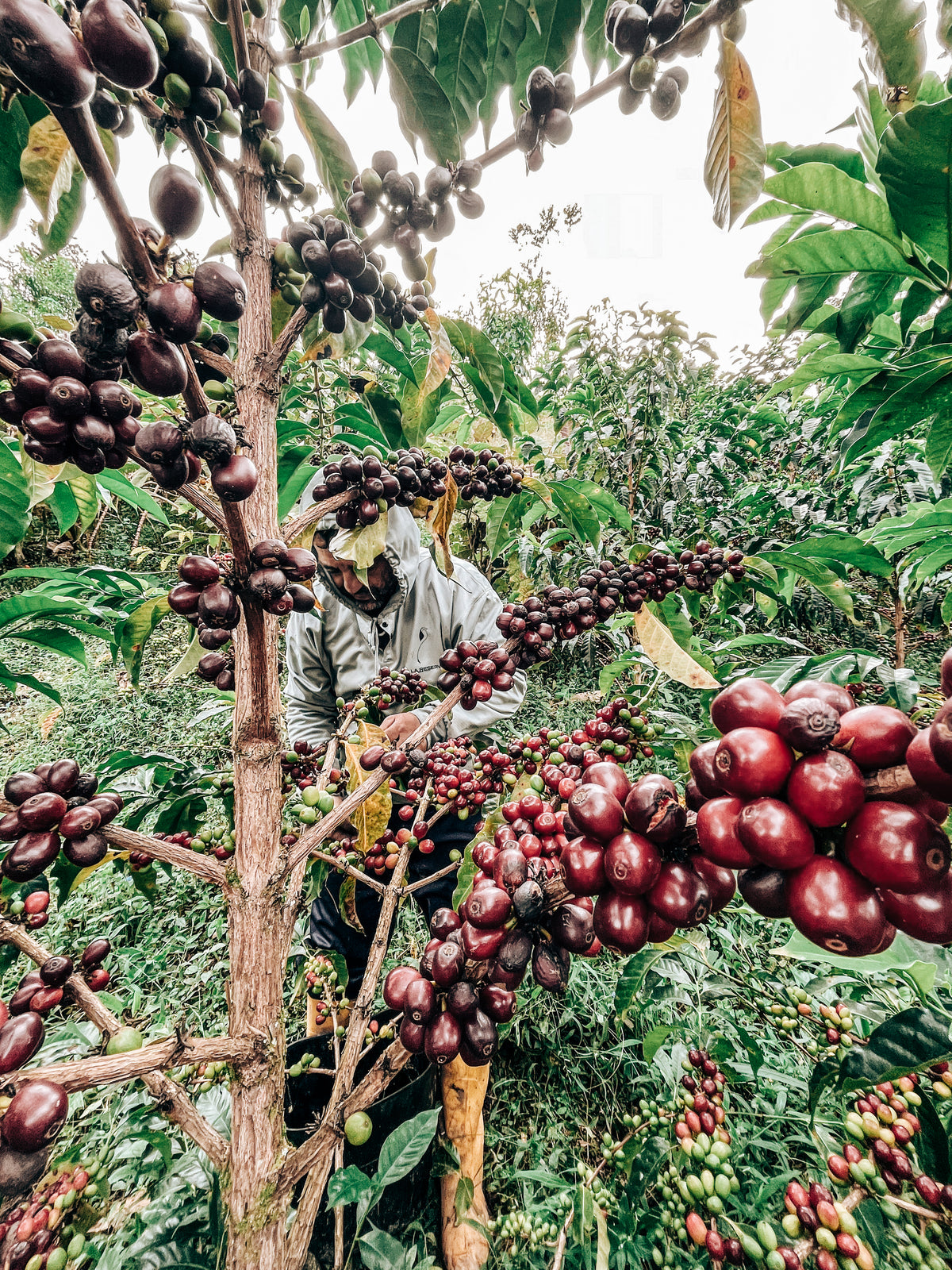
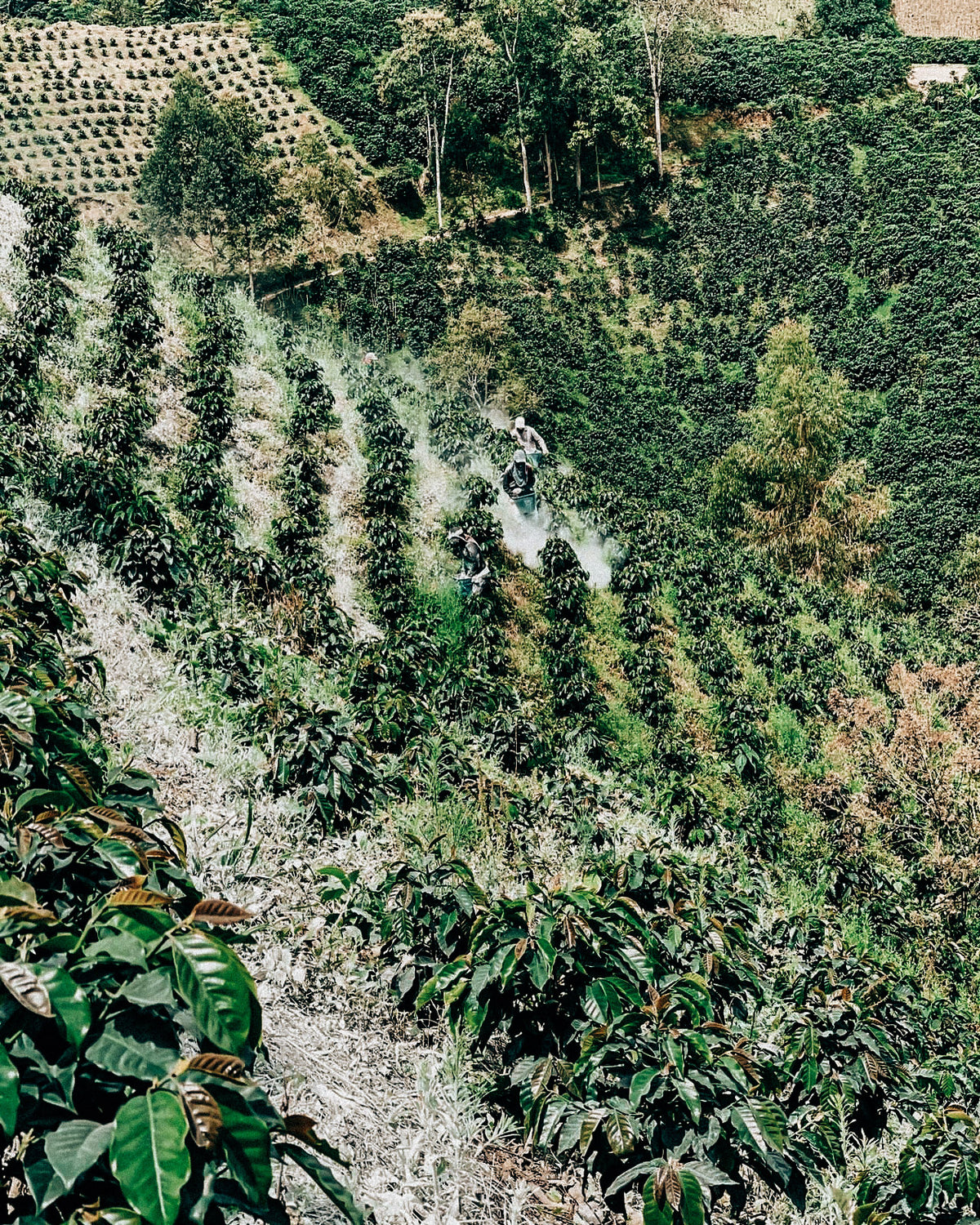
    Some of the most famous coffee-growing areas in the world are in South America. Each one has its unique environmental conditions that make its green coffee beans different and interesting. Roasters can better manage the taste profiles, processing kinds, and cup quality that come from different origins by knowing where they come from.

    Brazil – Sul de Minas, Cerrado Mineiro, and Mogiana

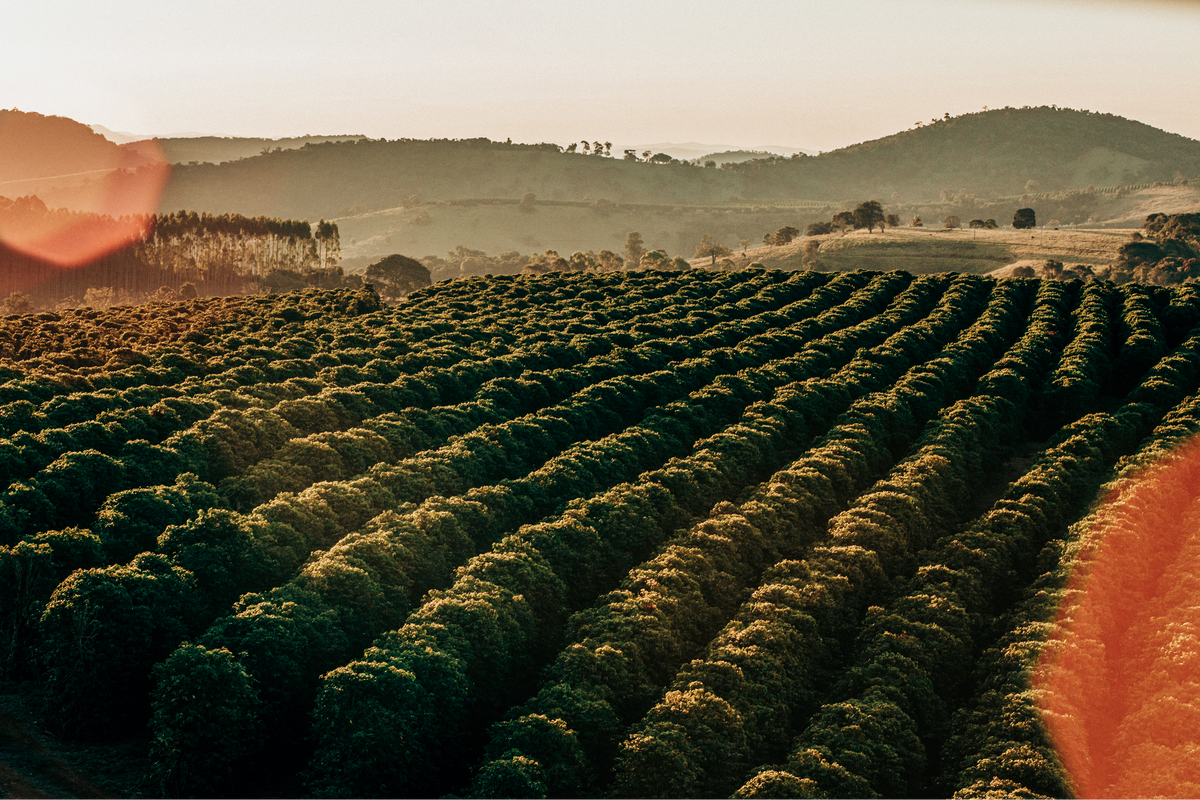
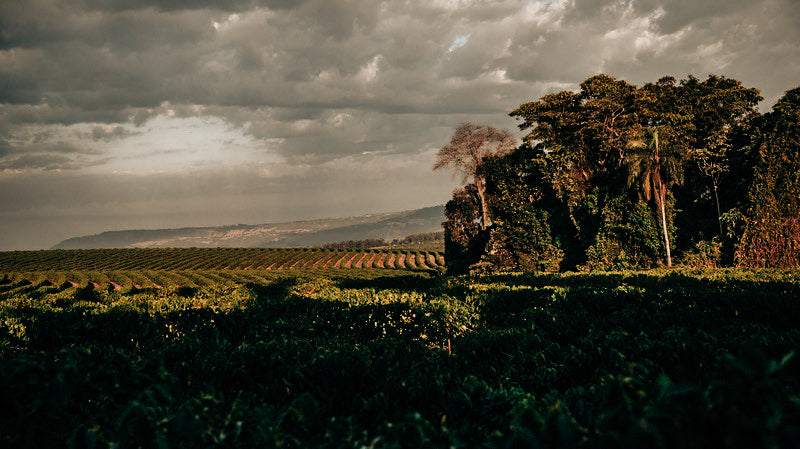
    Brazil has a lot of different types of land, but some of the best places to grow crops are in Sul de Minas, which has gentle rolling hills, a stable temperature, and rich, loamy soil. Coffees from this area are usually well-balanced and sweet, with hints of nuts and chocolate. 

    Cerrado Mineiro is a high plateau area that has dry harvest seasons and gets a lot of sun, which makes the beans clean and full-bodied. Mogiana, which is close to São Paulo, is at a higher elevation and has structured acidity and silky finishes. This makes it great for both single-origin and blend components.

    Colombia – Huila, Nariño, and Antioquia

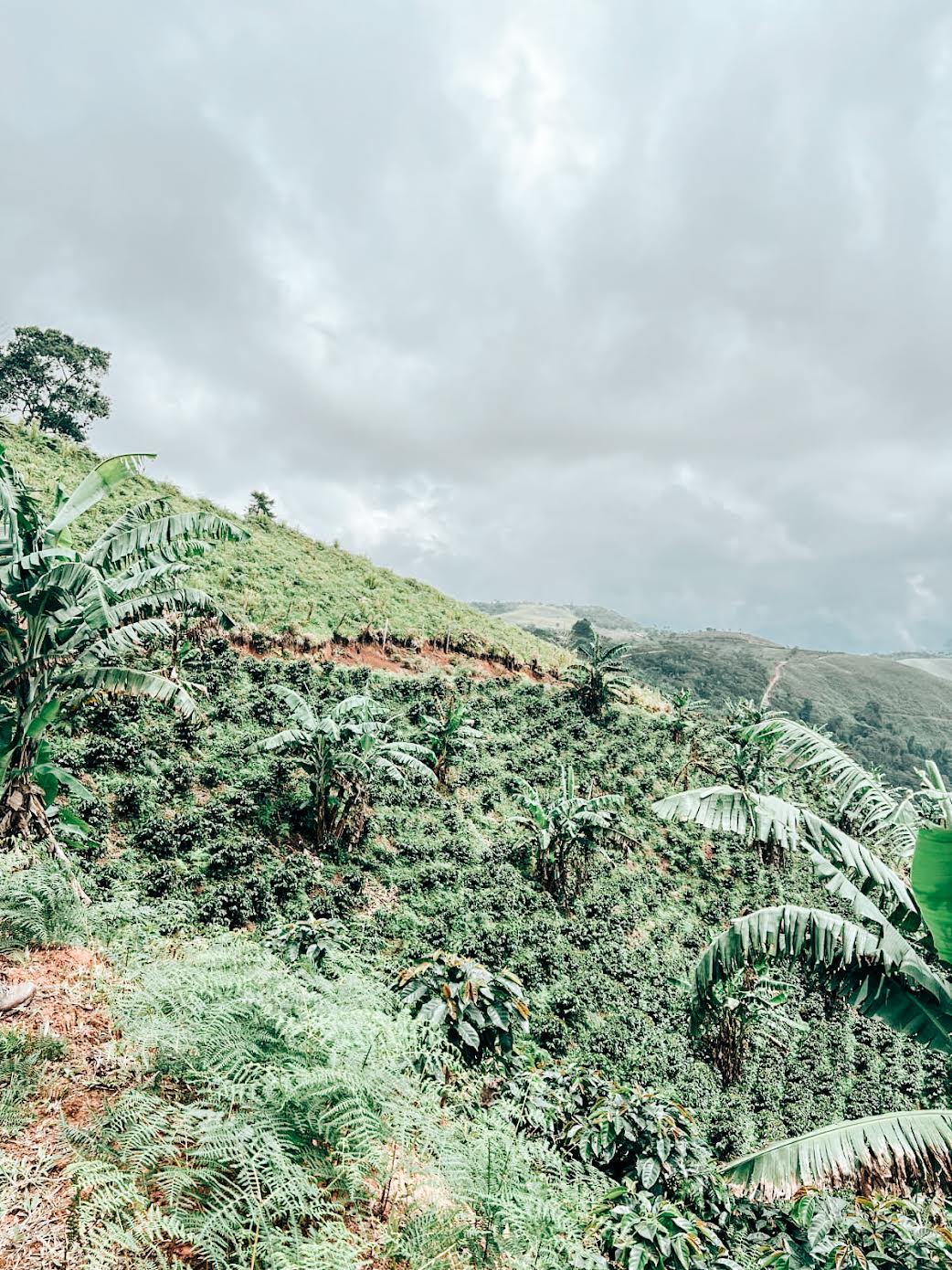
    People in Colombia love places like Huila because they are high up, have volcanic soil, and have big temperature changes between day and night. These things make the acidity bright and the fruit-forward characteristics complicated. Nariño is one of the highest places in the world for growing coffee. The cherries there take a long time to ripen, which makes the coffee taste very clear, fragrant, and sweet. Antioquia has bigger farms and more modern infrastructure, so it tends to have chocolate-toned profiles with moderate acidity. This makes it consistent and easy to scale.

    Peru – Cajamarca, Cusco, and San Martín

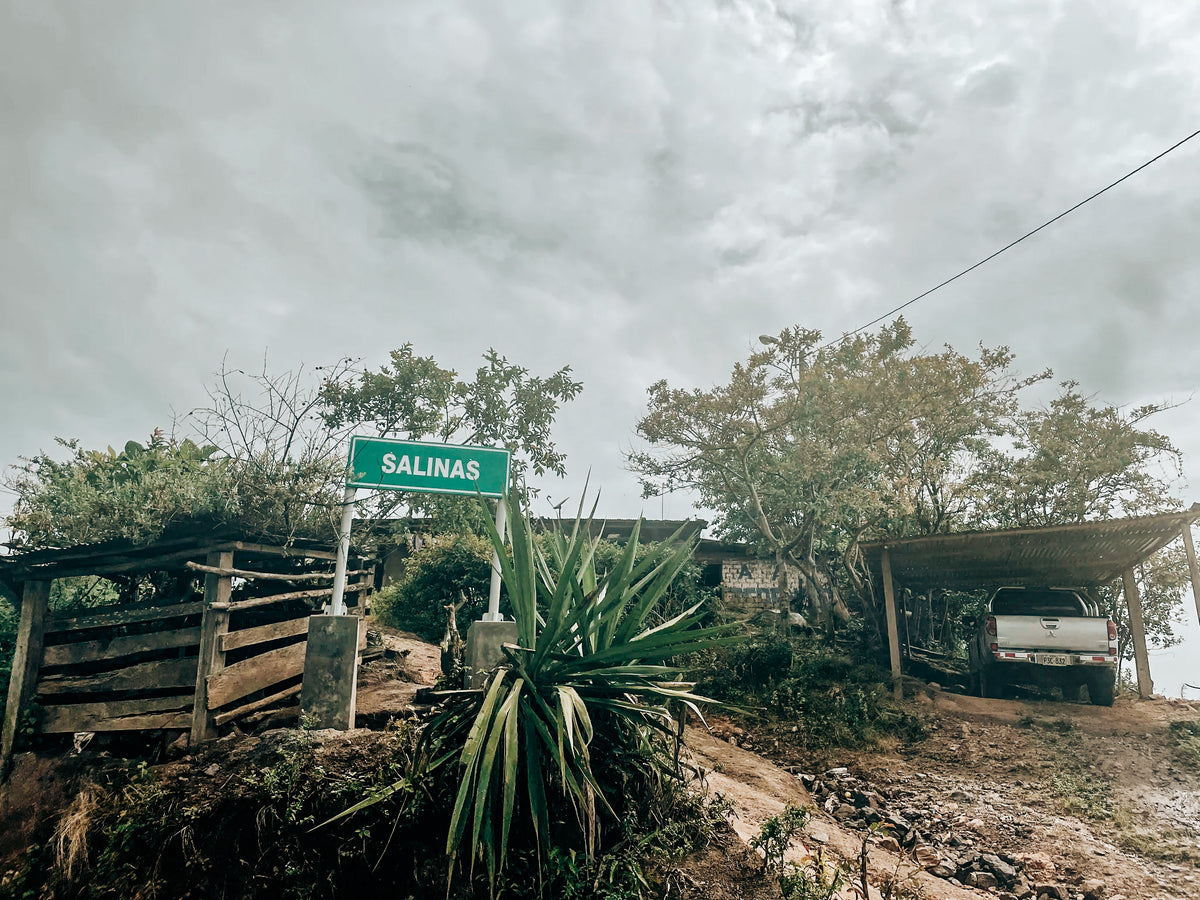
    Peru's reputation is growing thanks to places like Cajamarca, which is in the Andes and has high-altitude fields that grow delicate floral and stone fruit notes. Cusco has a lot of different plants and animals, and ancient farming methods. It makes coffees that are crisp and sweet. In San Martín, beans with clean acidity and a soft body are cultivated amid lush rainforests and a variety of microclimates. These beans are often grown by indigenous cooperatives who care about sustainability.


    The climate, altitude, and soil makeup of each place all have a direct effect on the green coffee's qualities. This variety lets roasters customize their products, whether they want bright single origins or dependable mixes with steady base notes.

  • Varietals & Species

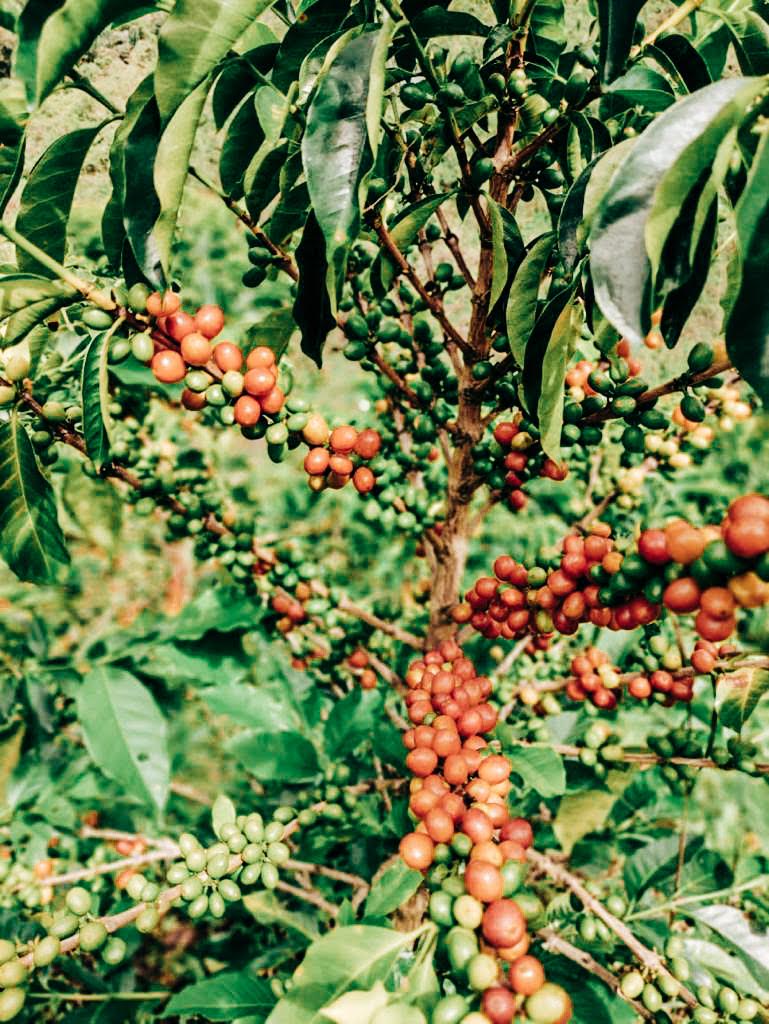
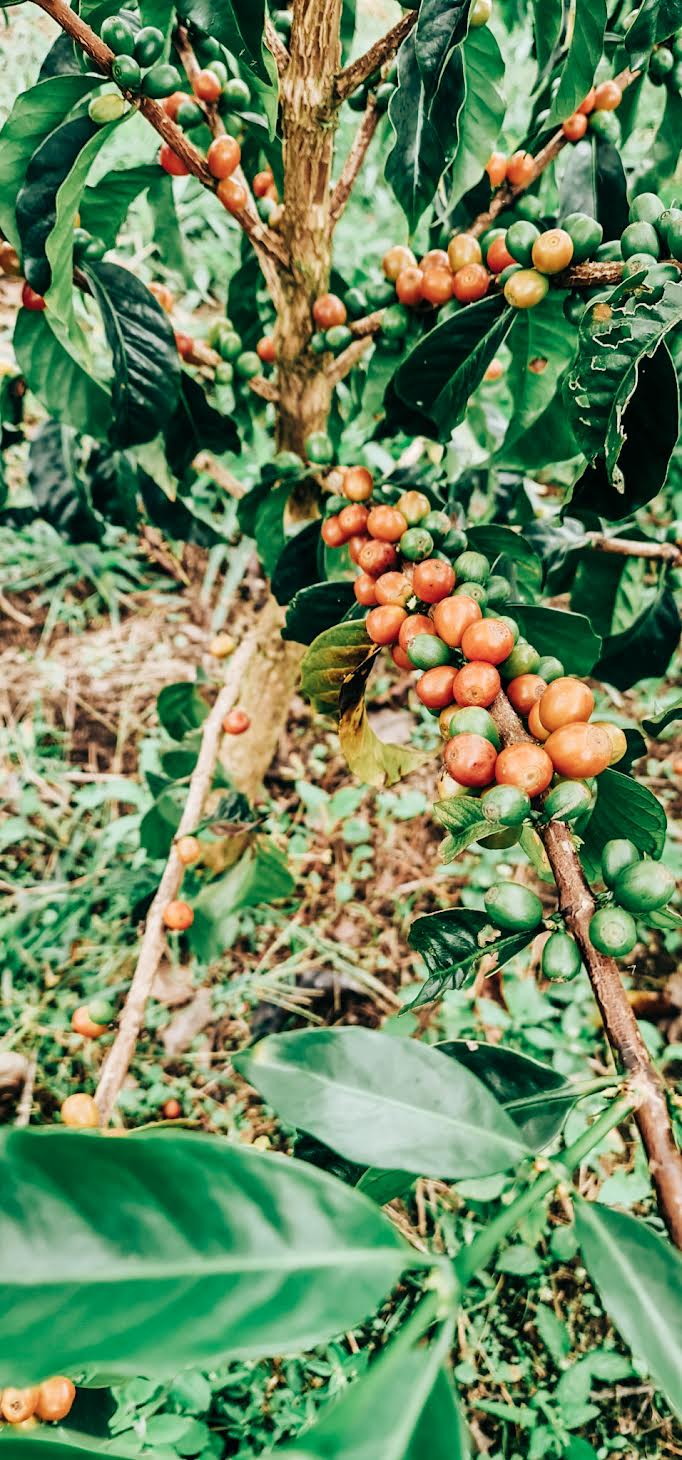
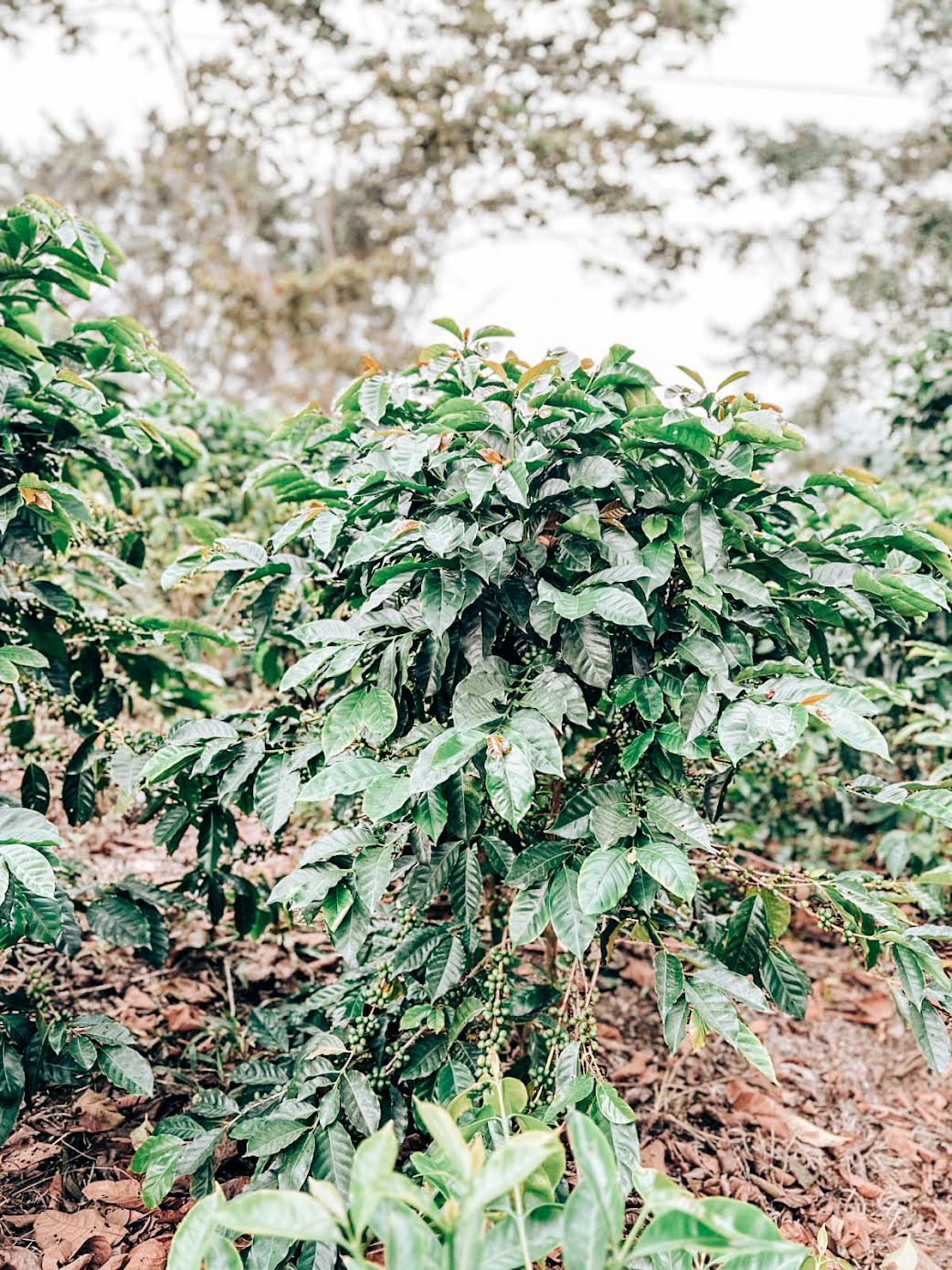
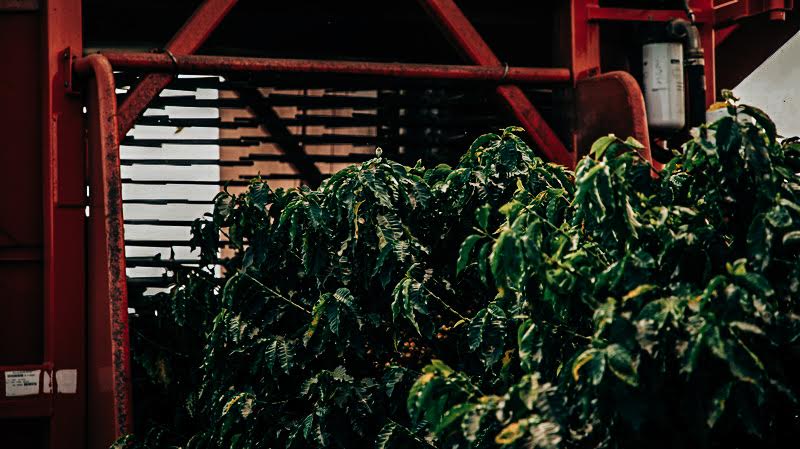
    The Arabica species makes up most of the coffee grown in South America. These beans are known for making high-quality green coffee beans that are popular in the speciality sector. The continent has a vast range of elevations, temperatures, and farming methods, which allows for a large range of varietals, each with its particular qualities that roasters can use to achieve clarity, complexity, or consistency.

    Commonly Grown Species

    Coffea Arabica is the most common type of coffee grown in South America. It has a wide range of cup profiles and less caffeine than other types. Robusta is limited and mostly used in non-speciality markets, so the region can focus its resources on improving and sustaining the quality of Arabica through selective breeding and better agricultural methods.

    Notable Varietals

    Bourbon, Typica, Caturra, and Castillo are some of the most well-known types. People like Bourbon and Typica, two historical kinds, for their sweet, clear cups and refined acidity, but they need more care and are more likely to get sick. Caturra, a small natural mutation of Bourbon, is grown a lot in Colombia and Peru because it makes great coffee and can grow well at mid- to high-elevations.


    Castillo has become the most popular type of coffee in Colombia because it is resistant to disease and produces reliable yields. It also makes well-structured, sweet, and balanced cups that speciality buyers like. Mundo Novo and Catuaí are widespread in Brazil. They are hybrids that give a round body and gentle acidity, making them great for espresso and darker roasts.
    Heirloom & Speciality Cultivars

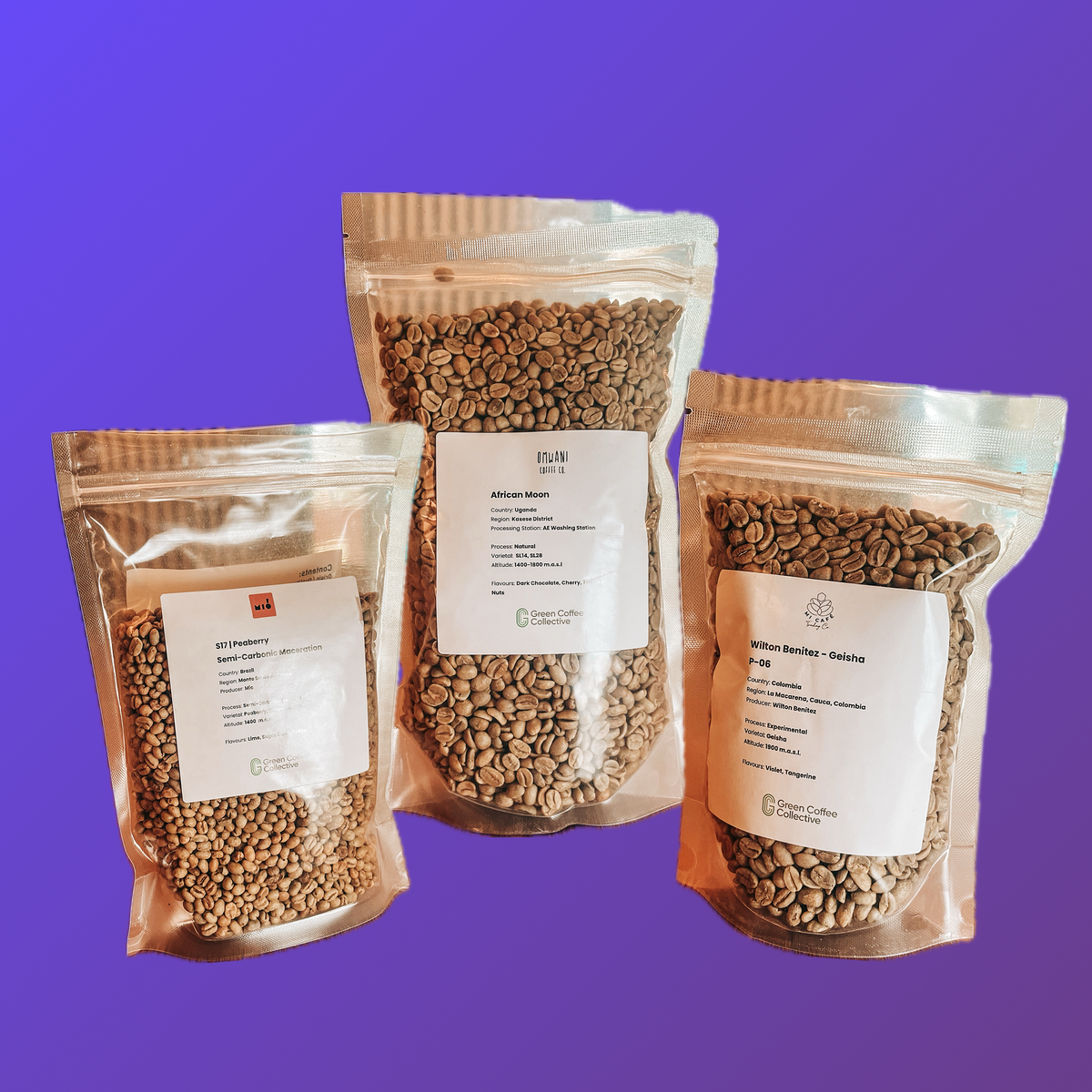
    South America isn't recognized for having a lot of old or wild heirloom species like Ethiopia, but a few chosen cultivars have gotten a lot of attention in the last few years. Geisha (Gesha) is a rare coffee bean that is grown in small numbers in Colombia and Peru. It has jasmine flowers, a tea-like body, and bright citrus notes. It regularly gets top ratings in cuppings and competitions. Some experimental lots also have SL28 and Pacamara beans, which are known for their unique cup character and potential for great single-origin coffees.


    If you're a roaster looking to add some variety to your menu with green coffee that has traceable, varietal-specific character, South America has a lot of cultivars that are both agronomically strong and taste well.

  • Harvest Seasons & Availability

    Roasters who care about freshness, consistency, and arranging their green coffee purchases ahead of time need to know how the harvest calendar works. Because South America is so big, the times of year when crops are harvested differ from nation to nation and region to region. This implies that there are both seasonal peaks and staggered availability across the continent.
    Primary and Secondary Harvest Periods

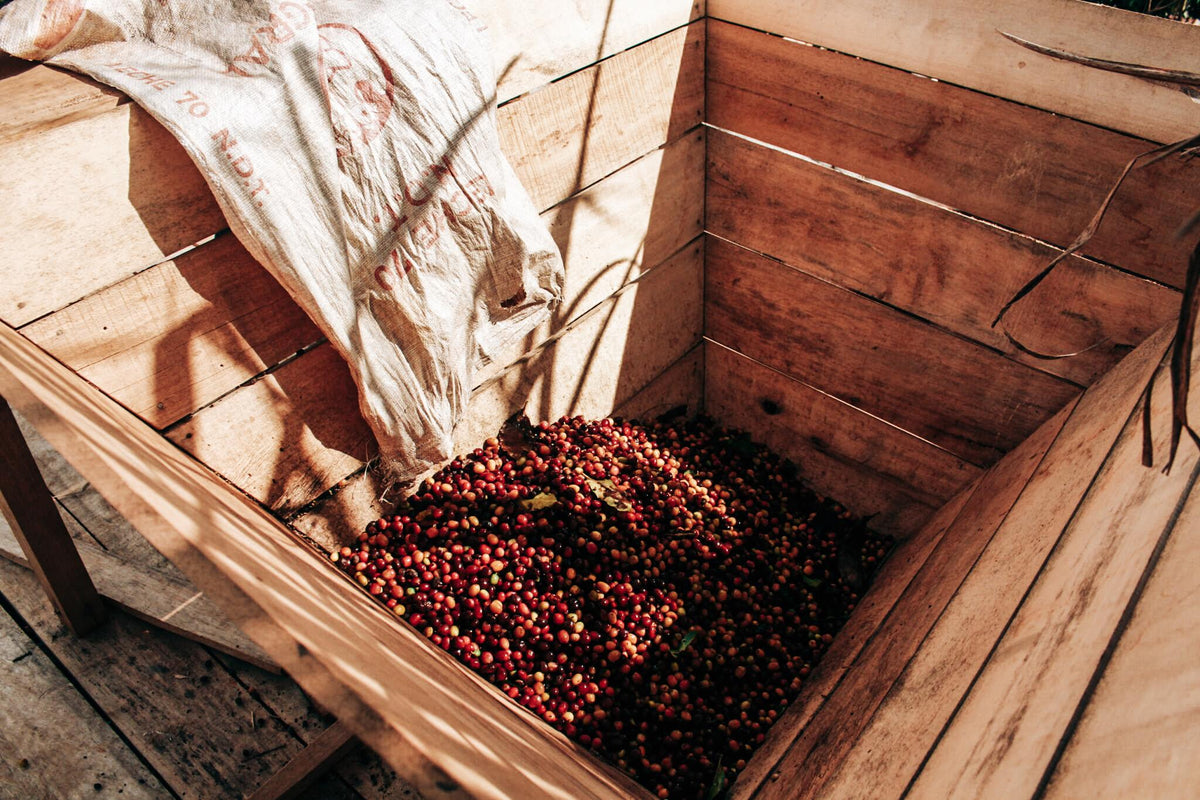
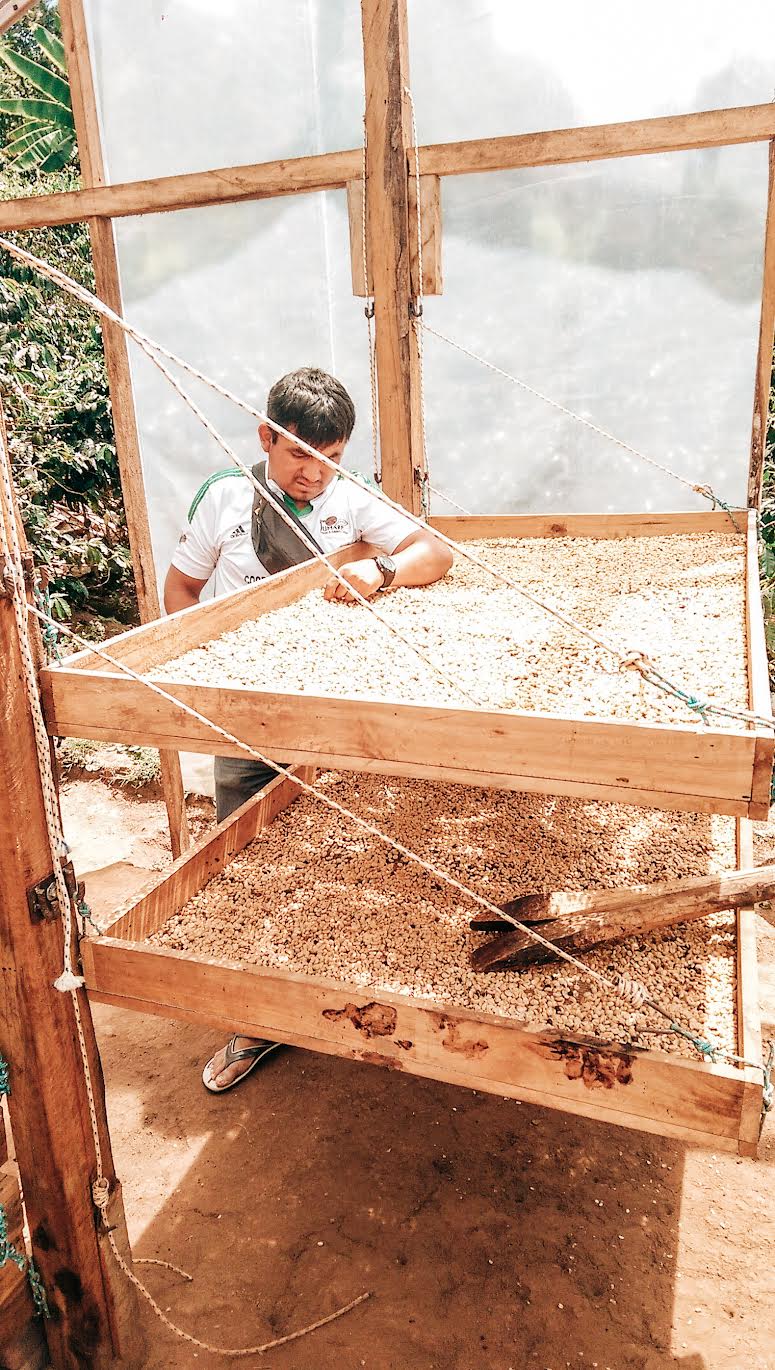
    The main harvest in Brazil happens between May and September, and most of the goods that go to foreign warehouses come from Brazil during late summer and early fall. Colombia's location near the equator and its two-harvest system are good for the country. The primary crop, Mitaca, grows from September to December, and a lesser secondary harvest happens between April and June, depending on the department.


    Peru has a more conventional harvest cycle, with the primary season extending from May to October. This is because the Andes are so high up. This cycle implies that Peruvian lots are often available later in the year, giving roasters a new choice as Central American inventories start to get old.

    Freshness and Availability

    Roasters that want the freshest beans will usually discover that South American green coffee beans that were just picked arrive between July and November, depending on where they came from and how they were sent. Planning during these months helps you have bunches with the right amount of moisture, a clean flavor, and a complete aroma, perfect for showing off the clarity of the origin or making seasonal mixes.

    Seasonal vs Year-Round Sourcing

    Some South American sources, like Brazil, have constant supply lines since they have large-scale manufacturing and warehousing. Others, like micro-lots from Peru and Colombia, need to be bought seasonally. 

    Roasters who want lots that are high in elevation and concentrate on speciality coffee typically work on forward contracts or arrange their sourcing periods to match when new lots arrive.

     
    For roasteries in the UK and Europe, South American green coffees are a dependable base. They can be used for year-round offerings or seasonal menus that change based on the best new crops.

  • Processing Methods in South America

    The different ways that green coffee beans are processed in South America have a big effect on their flavor, body, and overall profile. Roasters can better manage how the roast develops and how the mix is made if they know these processes.

    Washed (Fully Washed) Processing

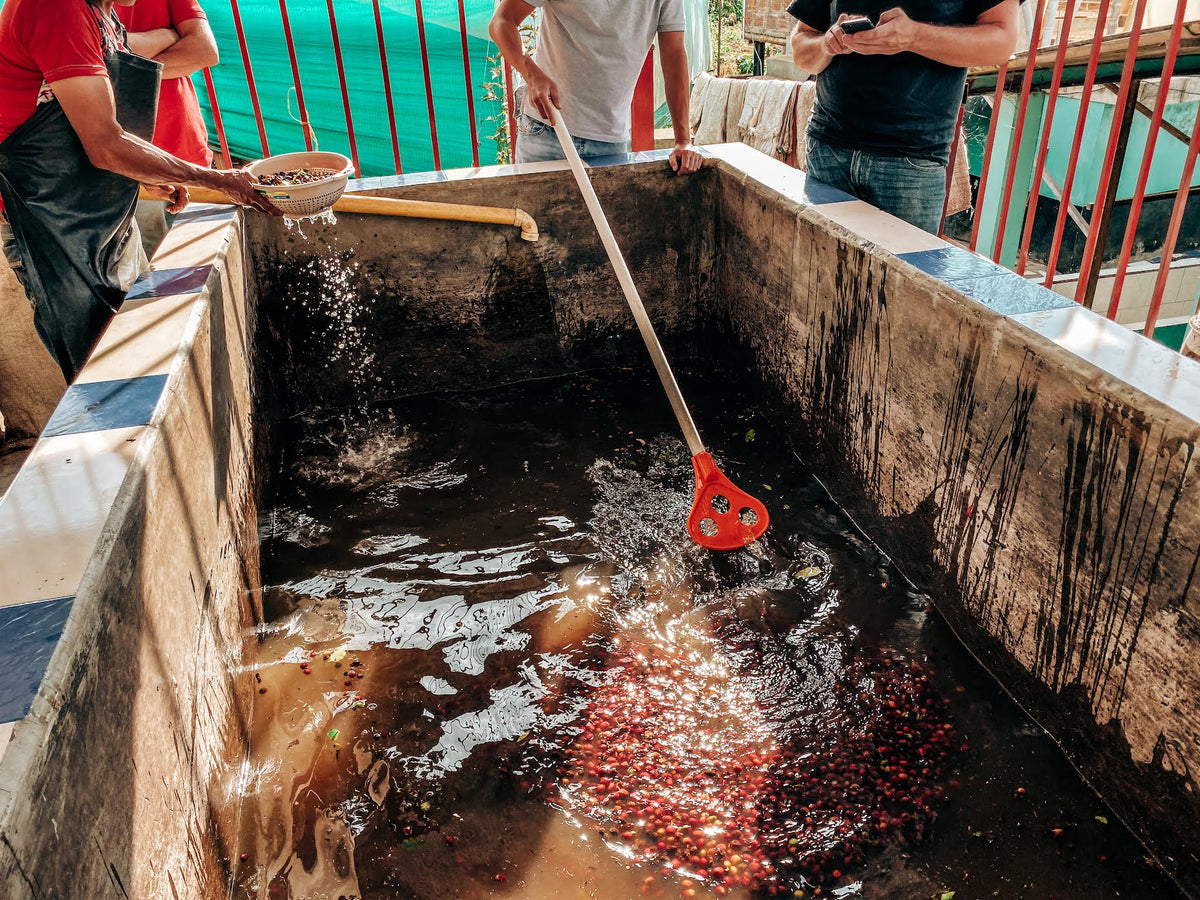
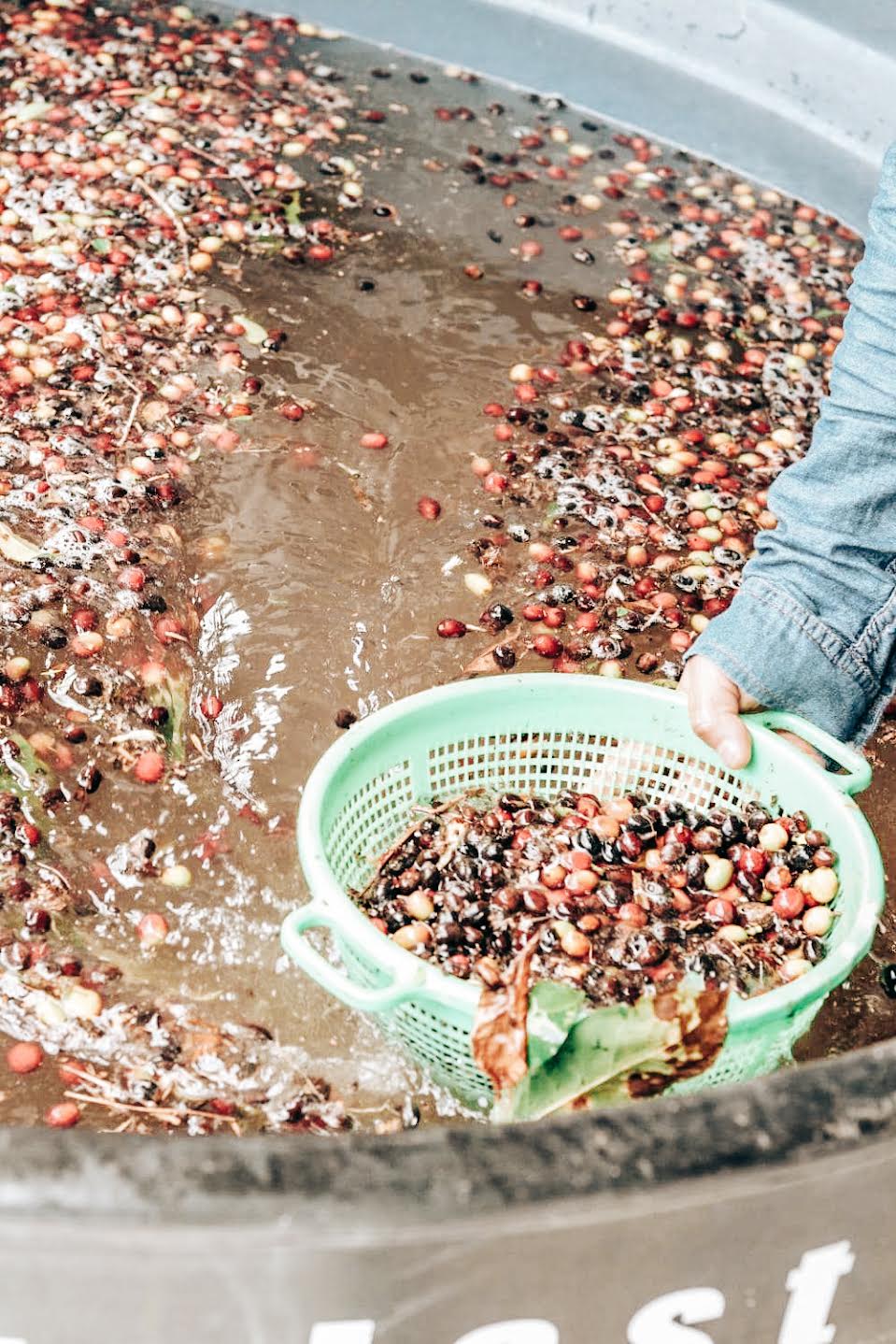
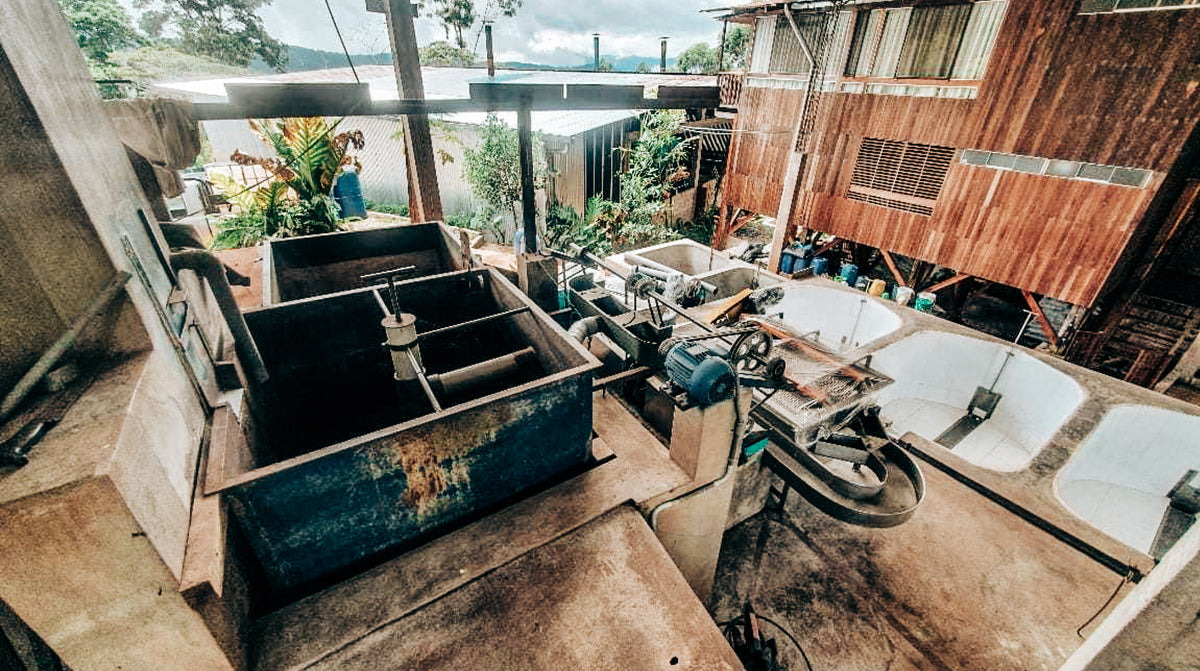
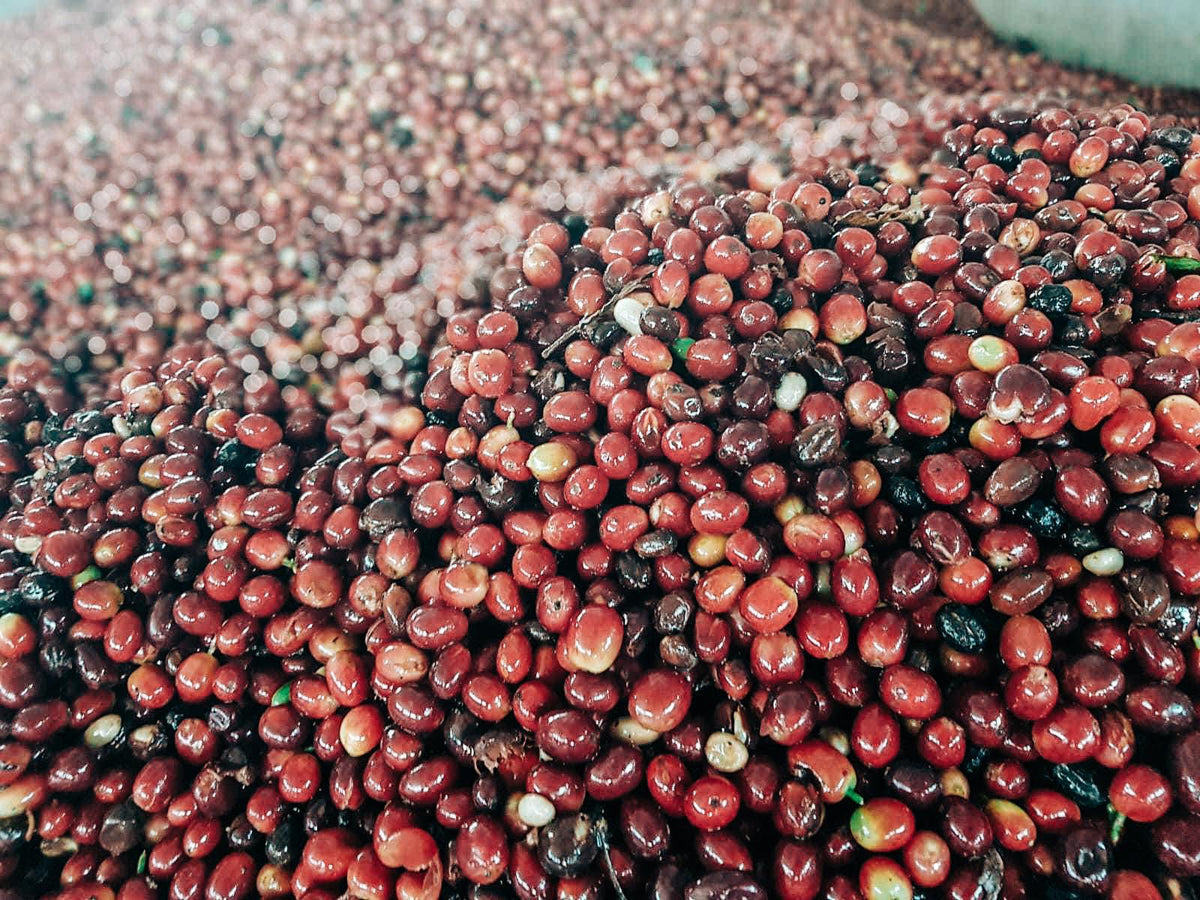
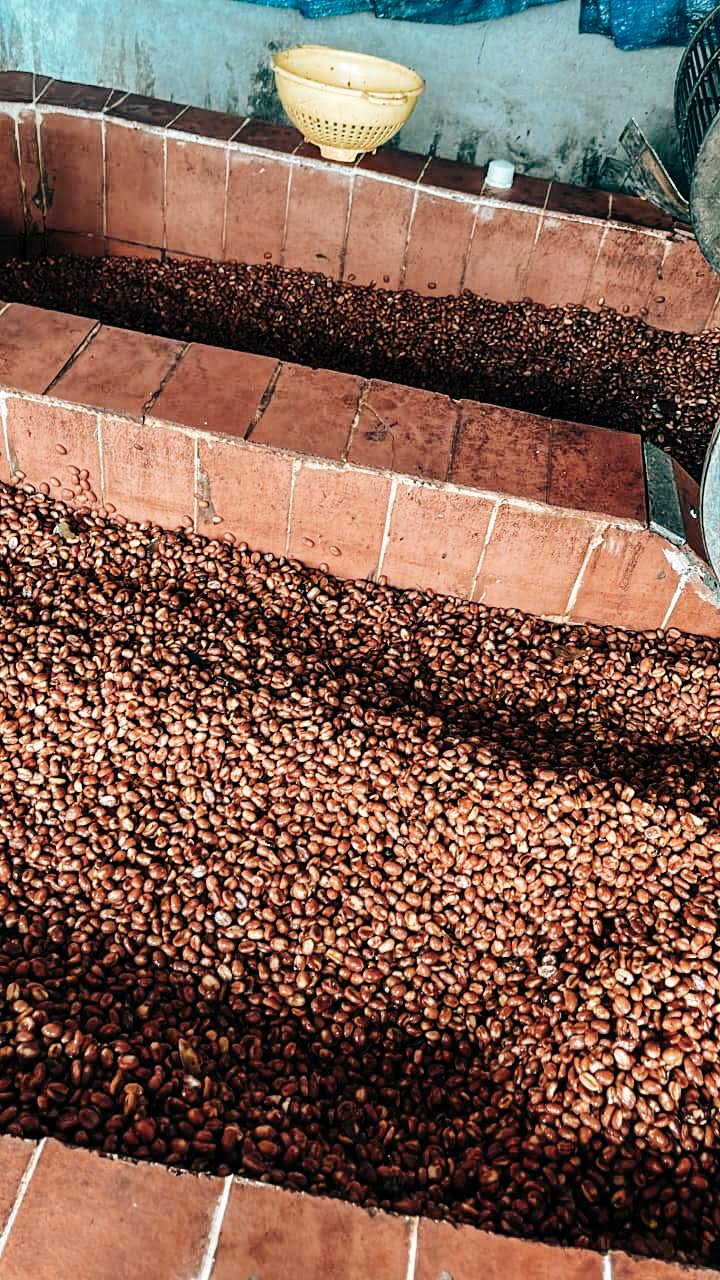
    Washed processing is the most common way to do things in South America, notably in Colombia and Peru. In this method, ripe cherries are depulped, fermented to break down the mucilage, and then washed and dried. This approach makes cups that are clean and bright, with great flavor separation and well-defined acidity. It's perfect for roasters who want to focus on light to medium roast characteristics and single-origin clarity.

    Natural (Dry) Processing

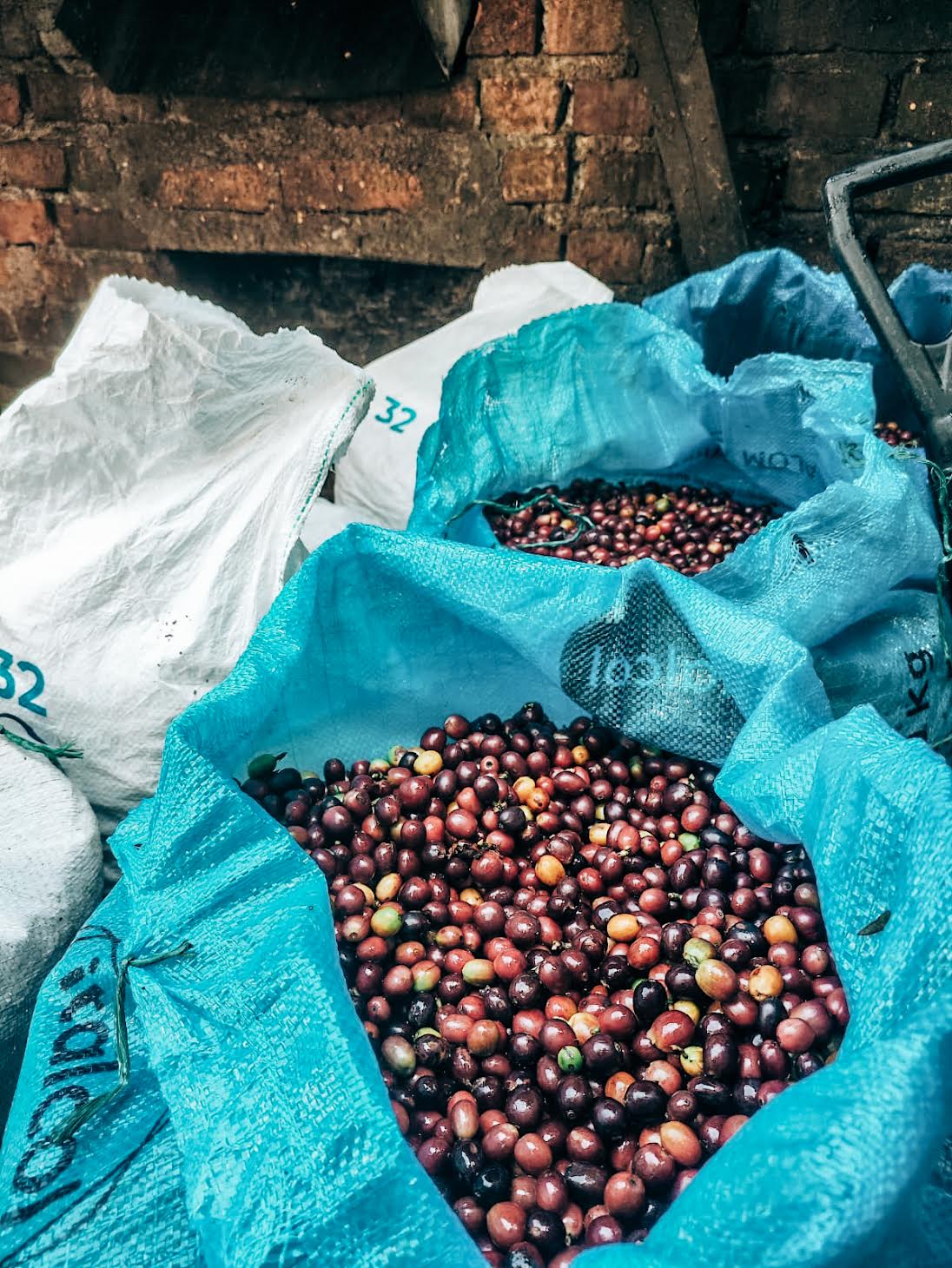
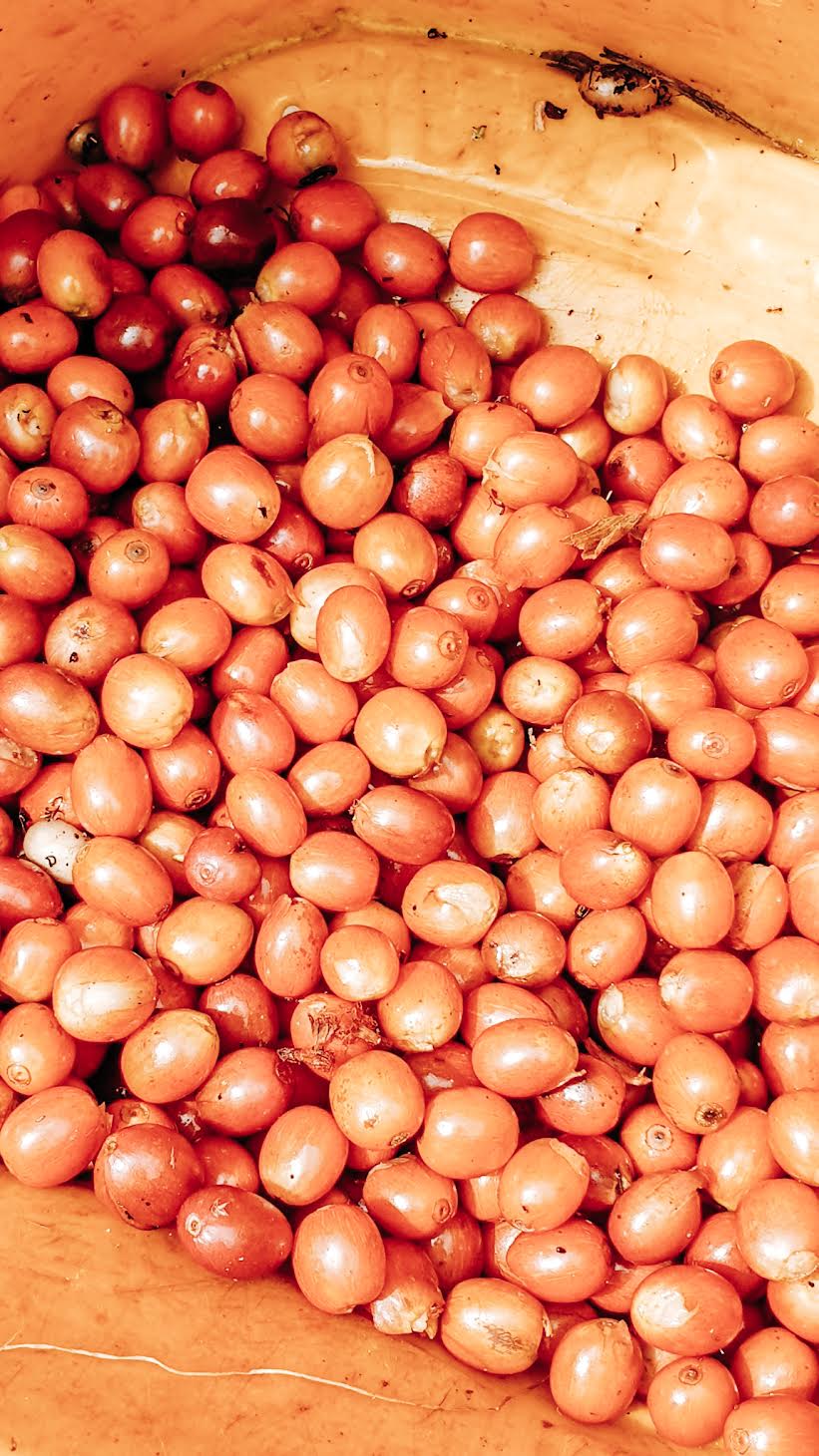
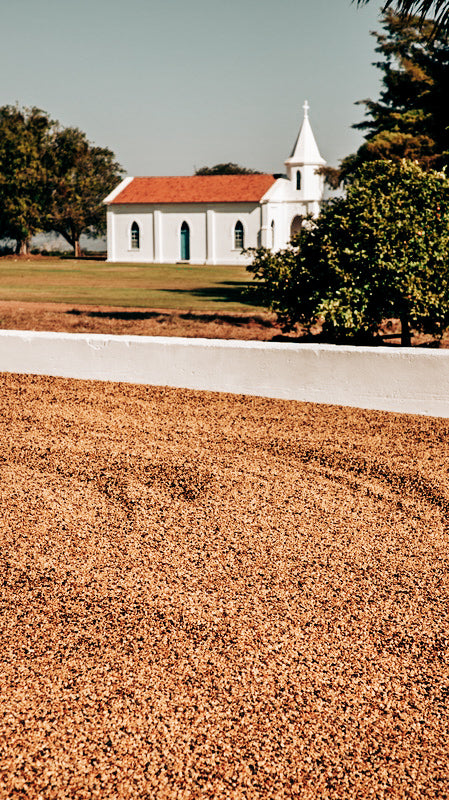
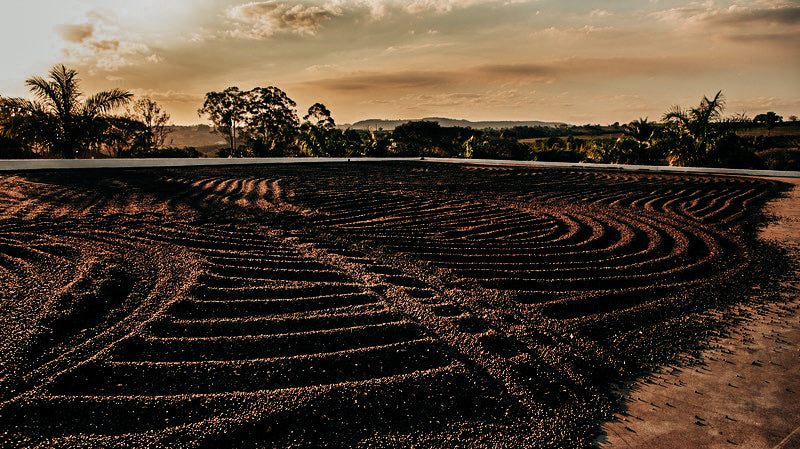
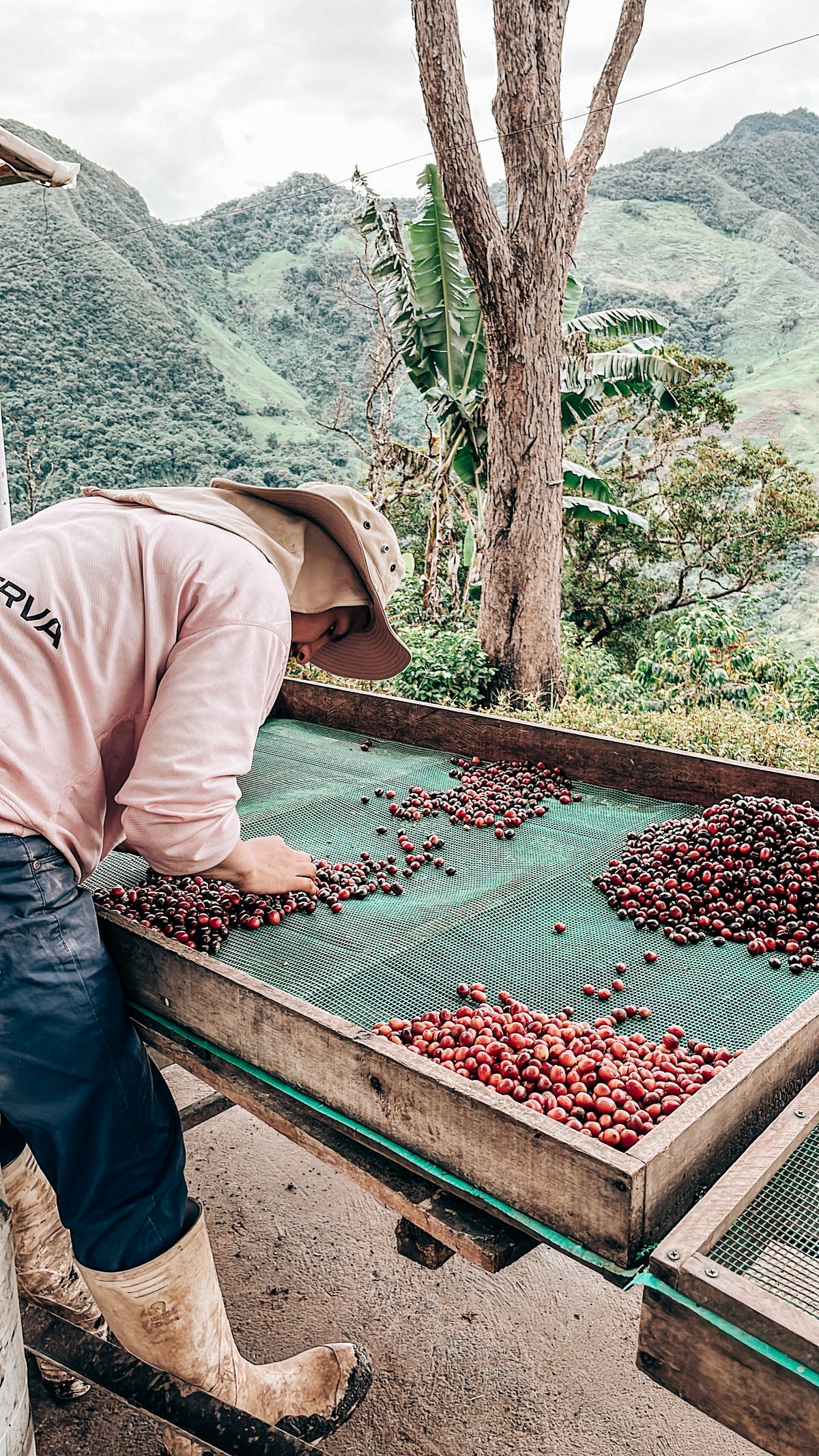
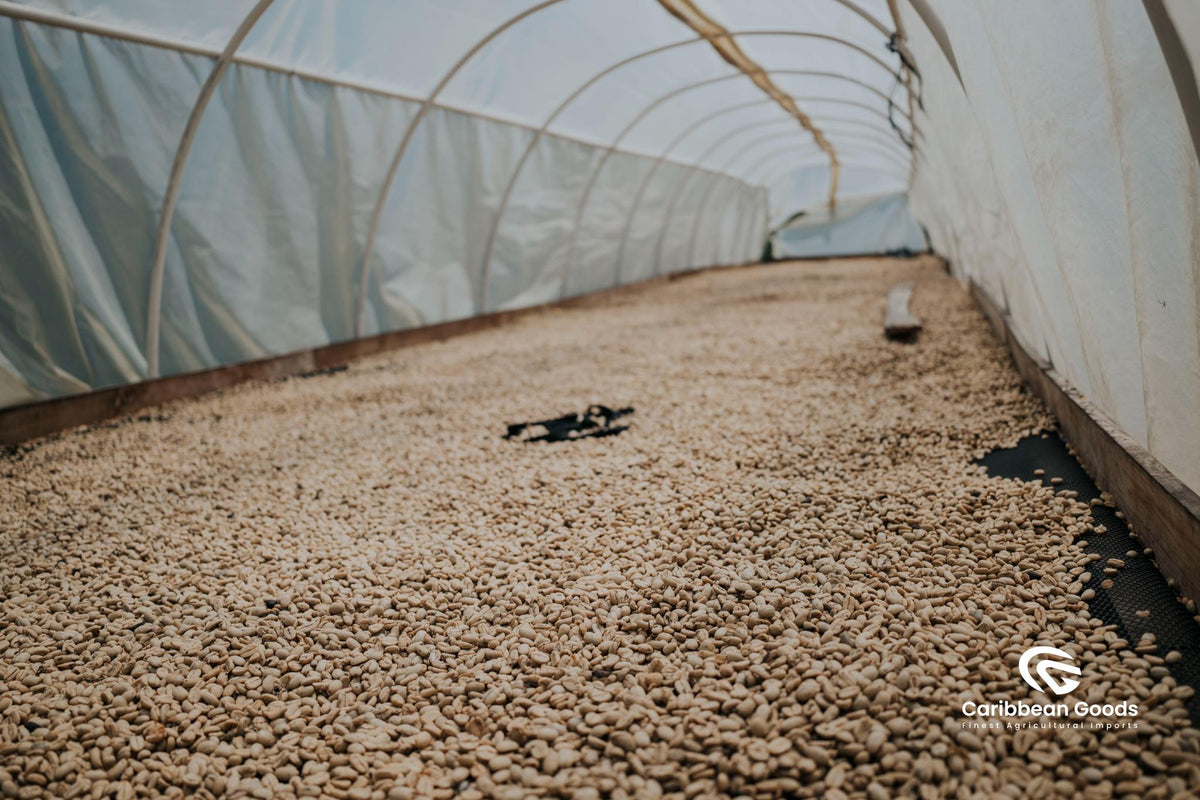
    Natural processing is a common and customary way of doing things in Brazil. Before hulling, cherries are dried whole in the sun, usually on patios or raised beds. This method makes green coffee that is less acidic, has a fuller body, and has sweet, fruity notes. This makes it great for espresso mixes or richer medium roasts. Brazil's environment makes it easy for things to dry out, which helps the scalability and quality of organically treated lots.

    Honey Processing

    Honey processing isn't as common in Peru and Colombia as it is in Central America, but it does happen in some places. This approach leaves some or all of the mucilage on the bean while it dries. This makes a cup that blends the brightness of washed coffees with the round sweetness of naturals. These lots frequently have syrupy textures and hints of fruit, which makes them great for limited-time releases or seasonal menu changes.

    Anaerobic & Experimental Fermentations

    Anaerobic and extended fermentation methods are becoming more popular in Colombia as more people get interested in competition coffees and advanced sensory investigation. In these processes, cherries or depulped beans are fermented in sealed tanks. 

    Sometimes, the temperature is controlled or yeast is added. These methods can make green coffees that are robust and expressive, with rich tropical notes, flowery aromas, and complex acidity. This is great for roasters that want to offer unique flavor experiences.

    Regional Techniques and Trends

    • Brazil: Primarily, natural and pulped natural methods dominate due to climate suitability and large-scale drying infrastructure.
    • Colombia: Washed processing is the standard, but innovation in fermentation and drying is expanding.
    • Peru: Mostly washed, with occasional honey and small-scale natural processing appearing in remote regions.

    Washed coffees from Colombia and Peru are still a good choice for roasters who want clear, predictable flavors. People who like sweet, textured, and fruity cups often choose Brazil's naturals or Peru's new honey lots. South America is still changing its processing environment to meet the growing demand for speciality products. It offers both classic consistency and cutting-edge innovation.

  • Notable Varieties of South American Green Coffee Beans

    South America's green coffee collection includes a mix of old and new types, as well as some that are hard to find. Each one gives roasters a different flavor and roasting potential. These varieties not only affect how intricate the cup is, but they also help with agronomic resilience and crop productivity.

    Bourbon

    People in Colombia and Peru still enjoy bourbon. The beans usually make sweet, well-balanced cups with bright acidity and a creamy texture. This type is recognized for having mild fruity and chocolate notes, which makes it a good choice for both light and medium roasts that bring out the flavor of the beans.

    Caturra

    Caturra is a spontaneous mutation of Bourbon that grows well in areas with mid-elevation. People like it because it has a fresh acidity and crisp floral flavors, and the clean finish makes it good for single-origin roasting. Its small plant size also helps farmers because it makes it easier to grow more plants in less space.

    Typica

    Typica, one of the oldest coffee varieties introduced to South America, delivers a clean and nuanced cup often characterized by delicate citrus and tea-like qualities. While generally lower-yielding, it remains favored by speciality roasters for its refined profile and heritage significance.

    SL28

    Though originally from East Africa, SL28 has been experimented with in select South American micro-lots. It’s prized for its complex fruit and berry notes, balanced acidity, and winey brightness qualities that make it a sought-after varietal in speciality circuits when available.

    Geisha

    Geisha is increasingly cultivated in limited quantities, especially in Colombia and Peru. Renowned for its intense floral aromatics, jasmine-like fragrance, and bright citrus flavors, Geisha stands out as a premium green coffee choice for roasters looking to create exclusive, high-scoring offerings.

    Heirlooms and Hybrids

    Hybrid varietals like Castillo and Mundo Novo have also been brought to South America. These varieties are developed to be disease-resistant and high-yielding without losing cup quality. These hybrids frequently have a balanced acidity, a larger body, and chocolaty undertones that roasters like because they want both consistency and unique qualities.


    If roasters want to add more variety to their green coffee selection, South America has a wide range of varietals to choose from. These range from old heirlooms that are loved for their complexity to modern hybrids that are designed to be reliable and tasty.

  • Usage & Versatility of South American Green Coffee Beans

    These beans are quite flexible after being roasted, which makes them a must-have for roasters that want to develop interesting and varied coffee menus. South American green coffees work well with a wide range of roasting profiles and brewing methods. They give speciality roasters both consistency and depth.


    South American coffees work well at all roast degrees and are great for roasters looking for beans that make flavors clear. Light roasts bring out sparkling acidity, flowery aromas, and delicate fruit notes. These are great for single-origin pour-over or drip coffee. Medium roasts bring out caramel and nutty flavors that work well in both filter and espresso styles. They also bring out sweetness and harmony. Some origins, like Brazilian naturals, also work well with darker roasts, which bring out a greater body and chocolate richness without losing complexity.


    These beans can be used as single-origin green coffees or as the main parts of mixes. Their balanced flavor makes them a good base for espresso blends that go well with more acidic or floral origins from Africa or Central America. At the same time, their evident origin traits let them shine on their own, rewarding roasters who carefully improve the roast to bring out the terroir.


    When roasted, South American coffees work really well with brewing methods including pour-over, Chemex, Aeropress, and espresso. Their well-rounded acidity and medium to full body provide for a smooth, easy-to-drink cup with complex flavors. Because they can be used in so many ways, they are also a reliable choice for cold brew or batch brew.


    South American green coffee beans are a reliable and flexible choice for roasters in the UK and Europe. They are great for making menus that appeal to both traditional and adventurous coffee drinkers.

  • Best Brewing Methods for South America Green Coffee Beans

    South American green coffee beans taste great no matter how you brew them. Each method brings out different flavors in the beans.


    These beans provide a good base for a medium roast espresso since they have balanced acidity and rich, chocolaty undertones. This makes them perfect for single-origin shots or espresso mixes that need a cup that is both smooth and energetic.


    When made as a pour-over, like with the V60 or Chemex, these coffees show off their stronger floral and citrus notes. Light to medium roasts bring out the clarity and complexity of the coffee, letting the subtle fruit notes shine through.


    The French Press is a great way to bring out the beans' fuller body and natural flavor. This immersion brew brings out the thicker mouthfeel that many South American coffees have, making for a gratifying and strong experience.


    Once roasted, these beans have a smooth, mellow taste that cold brew fans will love. Because they are inherently low in acidity, they are great for cold extraction, which yields pleasant, refreshing drinks with very little bitterness.


    The Aeropress is great for roasters who want to try out different roast levels and extraction strategies since it lets them bring out diverse tastes in the coffee, from bright acidity in lighter roasts to deeper, richer flavors in darker profiles. This method lets you make profiles that are perfect for both casual drinkers and coffee experts.


    These different ways of brewing show how adaptable South American green coffee beans are and why they should be in every roaster's portfolio.

  • Quality Standards for Green Coffee Beans in South America

    Quality Standards for Green Coffee Beans in South America

  • Sourcing & Traceability

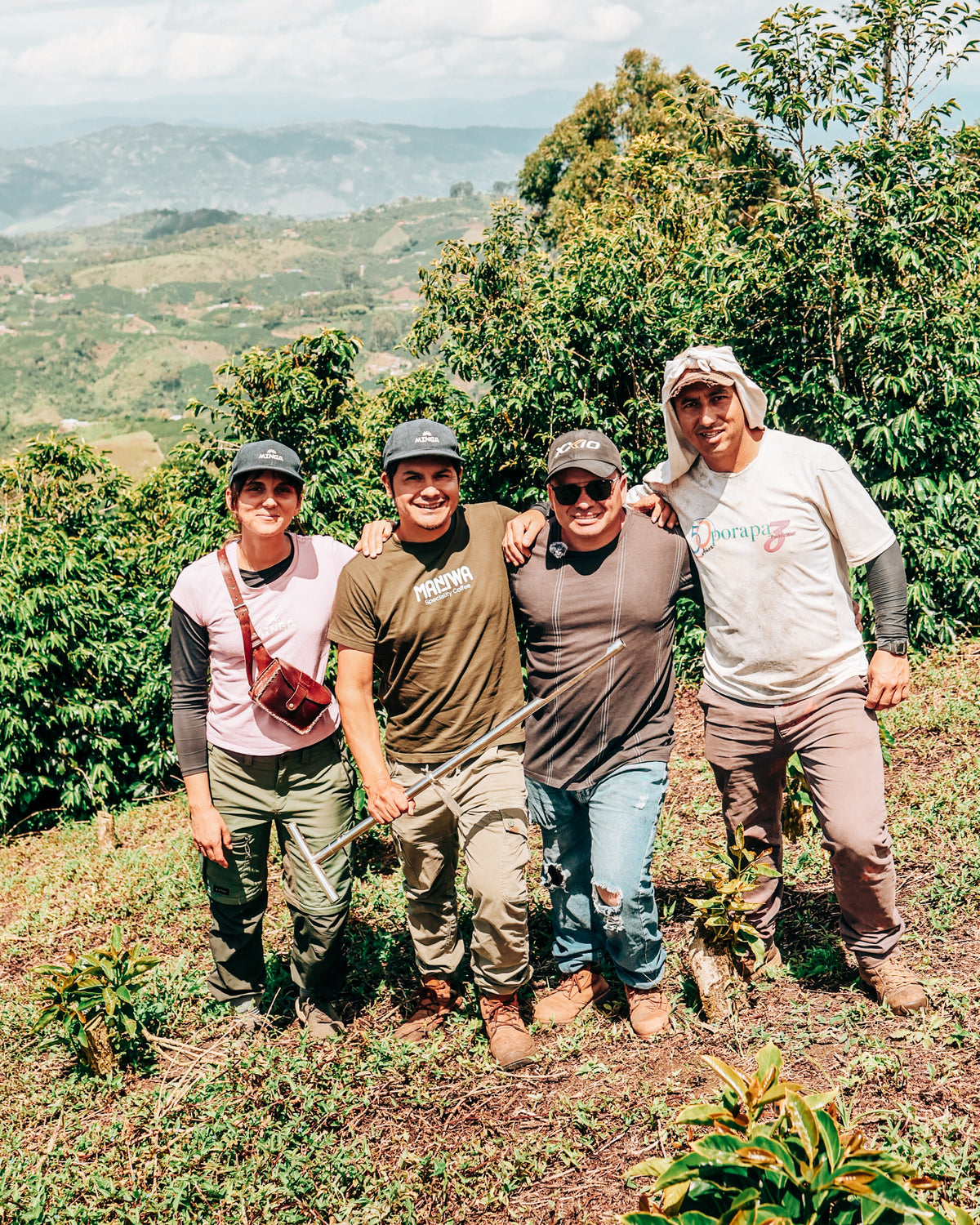
    We are dedicated to getting South American green coffee beans by creating direct, open partnerships with growers and cooperatives all across the region. We make sure that every batch of green coffee satisfies strict quality requirements by working closely with trusted farmers. This also helps support ethical and sustainable methods.

     
    We put a lot of emphasis on full traceability, which means giving detailed information about the location of the farm, the methods used to process the crops, and the farmer cooperatives that are responsible for each lot. This openness not only helps roasters choose beans that match their flavor and roasting goals, but it also encourages appreciation for the growers' work and accountability.

    Ethical sourcing is at the core of our approach. We collaborate with cooperatives that emphasize fair pricing, environmental stewardship, and social development initiatives. Many of our partners hold internationally recognized certifications such as Fair Trade, Rainforest Alliance, and Organic, assuring buyers that the green coffee beans come from responsible and sustainable operations.

    Through these efforts, we aim to bridge the gap between growers and roasters, creating a supply chain that honors quality, sustainability, and mutual benefit. For roasters seeking South American green coffees with a clear provenance and an ethical footprint, our sourcing model delivers both confidence and consistency.

  • Buy 100% High-Quality South American Green Coffee Beans

    Explore our carefully curated selection of 100% high-quality South American green coffee beans, sourced directly from trusted farms and cooperatives across the continent. Whether you’re a home roaster or a professional seeking exceptional raw beans, our collection offers a diverse range of origins, varietals, and processing styles, ensuring you find the perfect match for your roasting profile.

    We guarantee freshness and transparency in every batch, providing detailed information on crop year, farm practices, and processing methods to help you make informed sourcing decisions. Our strong relationships with growers mean you receive green coffee beans with optimal moisture levels and traceable provenance, ready to unlock their full potential in your roastery.

    Start elevating your roasting journey today by choosing South American green coffees known for their versatility, consistency, and vibrant flavors. Browse our range now and experience the difference that responsibly sourced, fresh green coffee can make.

  • Central American Green Coffee Beans

    Midden-Amerikaanse Groene Koffiebonen

    Heldere en verfijnde koffies met een medium body en complexiteit – gevormd door de hoge ligging en microklimaten van Midden-Amerika

  • Brazil Green Coffee Beans

    Braziliaanse groene koffiebonen

    Brazilian coffees known for chocolatey depth, low acidity, and versatility across a range of profiles.

  • Colombia Green Coffee Beans

    Colombiaanse groene koffiebonen

    From clean and balanced to bold and experimental, Colombia offers diversity, reliability, and standout flavour.

  • African Green Coffee Beans

    Afrikaanse Groene Koffiebonen

    Levendige en complexe koffies met wijnachtige zoetheid en frisse zuren – Afrika op zijn meest uitgesproken.

  • Middle East

    Midden-Oosten

    Aards, kruidig en fruitgedreven – koffies gevormd door het erfgoed en de hooglanden van het Midden-Oosten.

  • Asia Green Coffee Beans

    Aziatische Groene Koffiebonen

    Aards, rijk en uitgesproken – koffies uit Azië bieden krachtige smaken en een breed palet aan profielen.

Jouw vragen, beantwoord

Wat is de Green Coffee Collective?

We zijn een gemeenschap van koffieproducenten en inkoopexperts die samenwerken om groene koffie gemakkelijk toegankelijk te maken—of je nu een hobbyist bent brander thuis of een professional die honderden tonnen per jaar brandt. Ons platform is ontworpen om het kopen van groene koffie te vereenvoudigen, net als elke andere online winkelervaring. Geen gedoe, gewoon geweldige koffie binnen handbereik.

Hoe weet ik dat jullie koffies van topkwaliteit zijn?

We snappen het helemaal - kwaliteit is alles! Daarom bieden we voor bijna al onze koffies samples aan, zodat je het zelf kunt proberen als je twijfelt voordat je een keuze maakt. Bovendien komt elke koffie met een gedetailleerd, makkelijk leesbaar cupping-rapport waarin we de scores uitleggen volgens het SCA-protocol en alle smaaktonen opsommen. We staan voor transparantie, dus je weet precies wat je krijgt!

Hoe kan ik contact opnemen met jullie team?

We vinden het geweldig om van onze klanten te horen. Heb je een vraag of heb je hulp nodig? Stuur ons gewoon een e-mail op hello@greencoffeecollective.com, en een lid van ons team helpt je graag verder. We zijn er altijd om ervoor te zorgen dat je goed wordt geholpen!

Hoe snel ontvang ik mijn bestelling?

Als je kiest voor expresverzending, kan je bestelling al binnen 24 uur aankomen (afhankelijk van je locatie). Voor de meeste bestellingen geldt: als je voor 12 uur bestelt, verzenden we het dezelfde dag nog! Anders wordt het de volgende dag verstuurd. We doen ons best om je koffie zo snel mogelijk bij je te krijgen.

Biedt u monsters of proefpartijen aan voordat u grotere bestellingen plaatst?

Ja, we bieden monsters aan voor de meeste van onze koffies. Als je een groter monster nodig hebt dan wat er meestal beschikbaar is, raden we aan een van de opties met kleinere hoeveelheden op onze site te proberen. Zo kun je de koffie testen voordat je een grotere bestelling plaatst.

Kan ik een bezoek aan de herkomst regelen of deelnemen aan bezoeken tijdens het oogstseizoen?

We zijn bezig met het coördineren van reizen in de toekomst! Als je in de tussentijd een specifieke oorsprong wilt bezoeken, neem dan gewoon contact met ons op, en we doen ons best om iets te regelen.

What kind of coffee beans are grown in South America?

South America primarily cultivates Arabica coffee beans, prized for their delicate flavors and complexity. While some Robusta is grown, especially in lower elevations, the region is renowned for Arabica varieties that thrive in diverse climates and altitudes.

What are the flavor characteristics of South American coffee?

South American coffees typically offer a balanced cup profile with medium to full body, mild to bright acidity, and notes ranging from chocolate, caramel, and nuts to citrus, berries, and floral hints, depending on the origin and processing method.

What are some popular South American coffee bean varieties?

Common varietals include Bourbon, Caturra, Typica, Castillo, and Mundo Novo, along with speciality cultivars like Geisha cultivated in select farms. Each variety brings unique flavor nuances and roasting potential.

What are the differences between South American and African coffee?

While South American coffees are often known for their smooth, balanced body and sweeter, nutty, or chocolate notes, African coffees tend to showcase brighter acidity, floral aromatics, and more pronounced fruity or wine-like flavors. These distinctions arise from differences in terroir, altitude, and processing traditions.

Do coffee beans come from South America?

Yes, South America is a major coffee-producing region, exporting vast quantities of green coffee beans globally. Countries like Brazil, Colombia, and Peru are key suppliers of high-quality green coffee for roasters worldwide.