Honey Processed Green Coffee Beans

Honey Process Green Coffee Beans

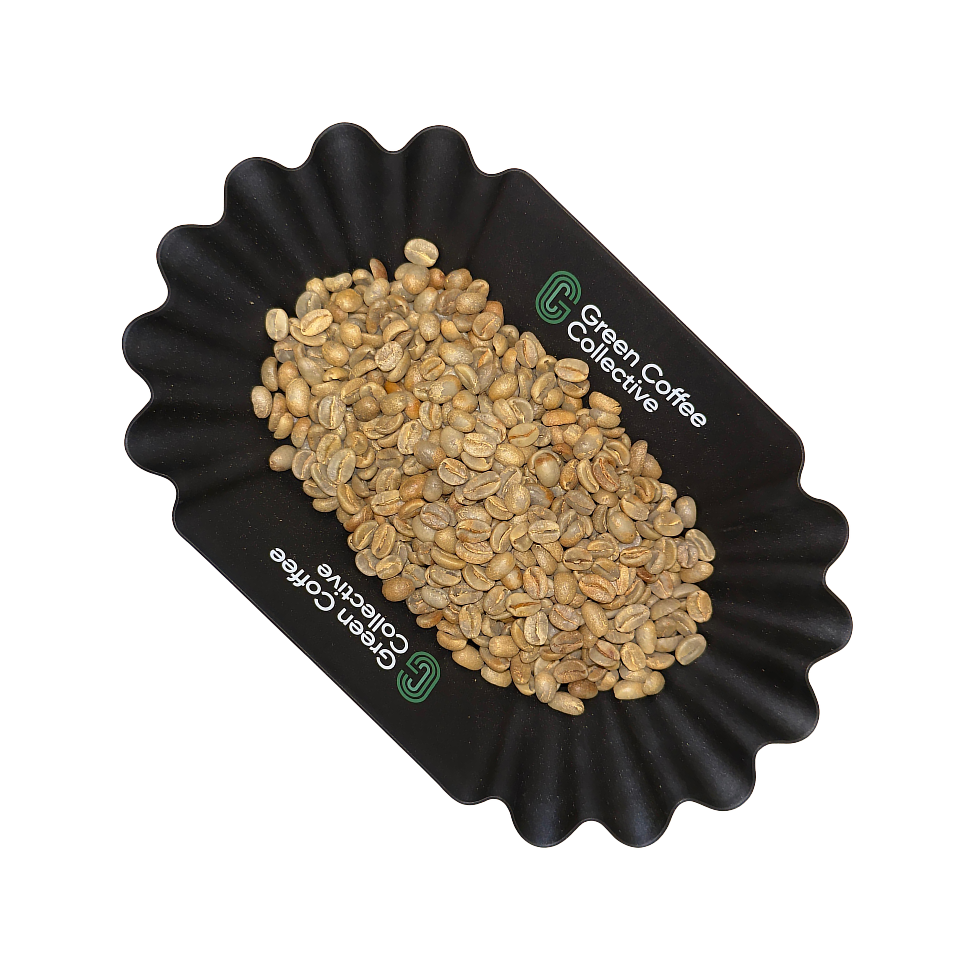
Unroasted honey processed green coffee for roasters. The skin is removed but some or all of the sticky mucilage stays on the bean while it dries, giving more sweetness and body than a washed lot and more clarity than a natural. Our range covers yellow honey, black honey and lots that pair honey drying with anaerobic fermentation. Buy from 0.5kg with samples on most lots – to taste the method where it took off, browse our Costa Rican green coffee beans. Looking for roasted coffee? These are raw beans you roast yourself – here's how to start.

Looking to make a saving?

Build your own one-off small batch bundle. Choose from a diverse selection expertly curated coffees from across over 30 countries and save up to 10%.

Start building bundle
  • How honey processing works

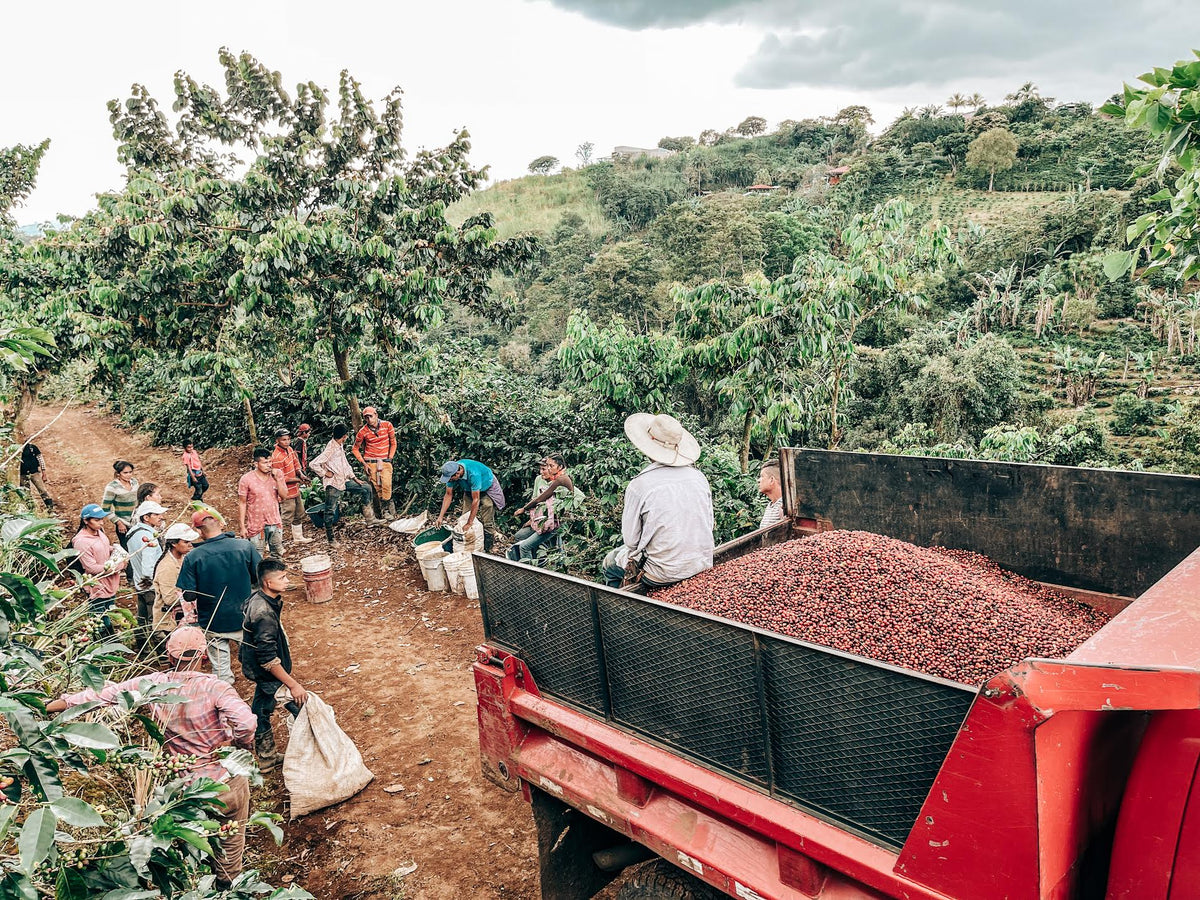
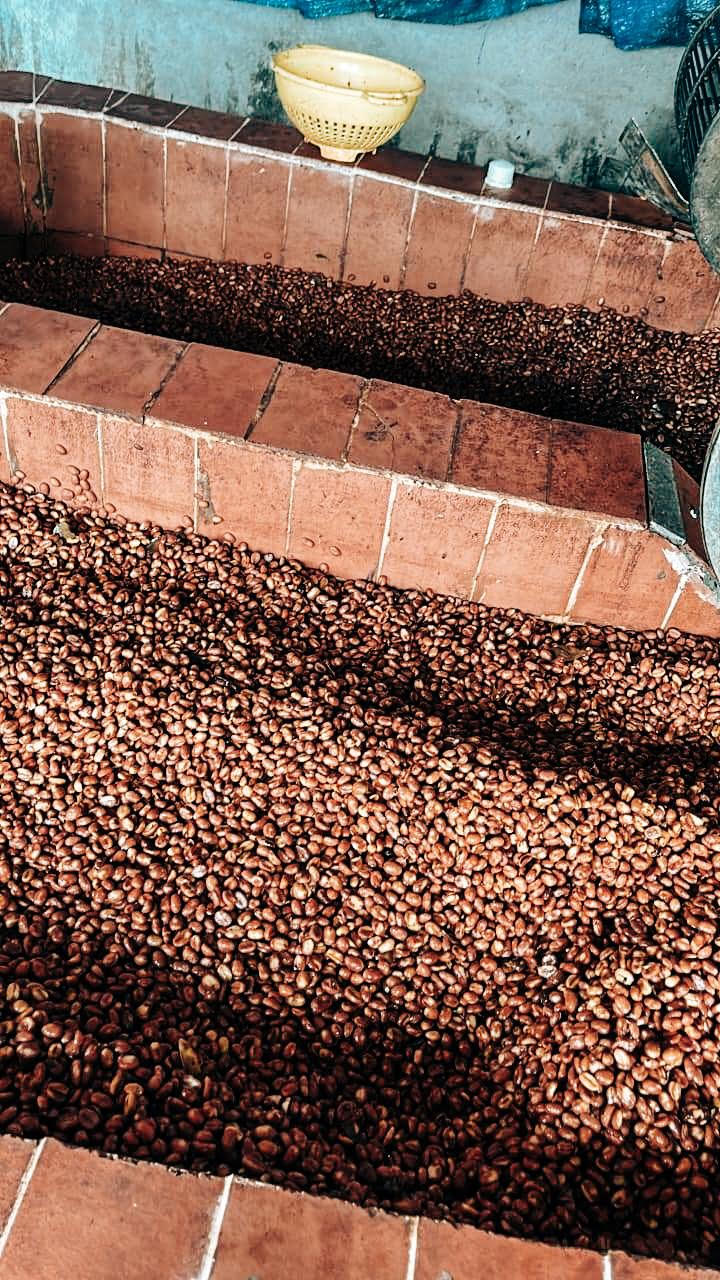
    Cherries are depulped, but instead of fermenting and washing off the mucilage, the producer dries the coffee with some or all of it still attached. Honey 'colours' – white, yellow, red and black – describe how much mucilage is left and how slowly the coffee dries; more shade and less turning means a darker honey. There's no fixed standard, so one farm's red can be another's yellow. The method took off with Costa Rica's micro-mills – the story is here – and our honey processing guide goes deeper.

  • Roasting honey processed green coffee

    Honey lots sit between washed and natural in how they roast. Sugars left from the mucilage mean they can colour a little faster than a washed bean of similar density, and darker honeys behave more like naturals. A moderate charge and steady energy through the Maillard phase usually works; watch the rate of rise into first crack so the extra sweetness caramelises rather than scorches. White and yellow honeys roast much like a washed lot.

  • Honey vs washed and natural

    Compared with a washed coffee, a honey lot from the same farm usually has more sweetness and body and slightly softer acidity. Compared with a natural, it's cleaner, with less overt fruit and less risk of ferment. That balance makes honeys popular as single-origin espresso and as the sweet middle of a blend.

  • Origins in our honey range

    Costa Rica is the home of modern honey processing and supplies many of our lots, including Hermanos Aguilera's yellow honeys. We also carry honeys from Brazil, Colombia, Guatemala, Honduras, Peru, Rwanda, India and Indonesia as harvests allow. Use the filters above to narrow by origin, variety or honey style.

  • Natural Dry Processed Green Coffee Beans

    Natural Process Green Coffee Beans

    Green coffees processed in whole cherry, bringing jammy fruit, big body, and layered sweetness.

  • Costa Rican green coffee beans – Tarrazú region

    Costa Rican Green Coffee Beans

    Innovative and balanced, Costa Rican coffees offer clean profiles, rich sweetness, and processing diversity.

  • Washed Green Coffee Beans

    Washed Green Coffee Beans

    Clean, vibrant washed green coffees that highlight the unique character of place, process, and variety.

  • Experimental

    Experimental Process Green Coffee Beans

    Innovative green coffees with bold, complex flavours – shaped by fermentation, maceration, and thermal shock.

  • Fruity Filter Brewing

    Green Coffee Beans for Fruity Filter Coffee

    Fruit-driven green coffees with bright acidity and sweetness, selected for standout performance in filter brewing.

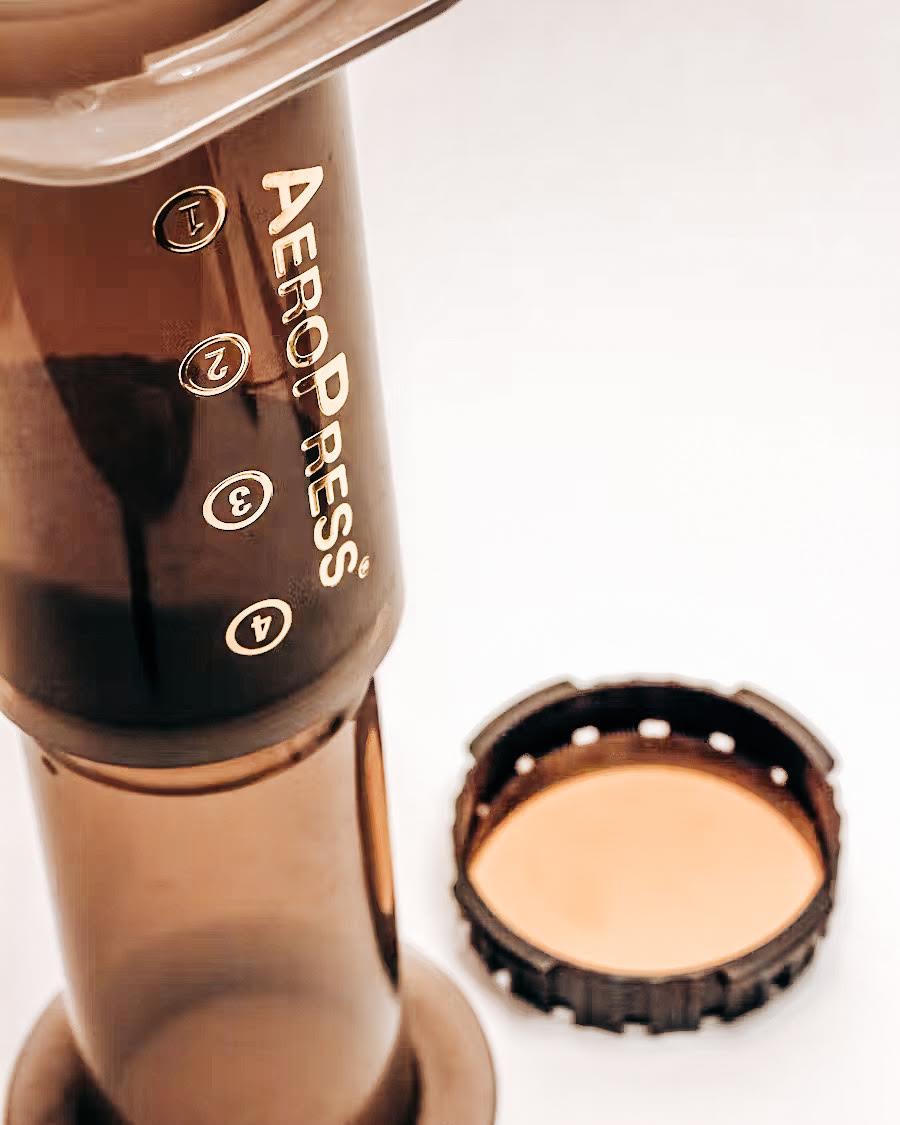
  • Aeropress Brewer

    Green Coffee Beans for Aeropress

    Green coffees that bring out the Aeropress’s best – fuller body, deep sweetness, and complexity.

Your questions, answered

What is honey processed coffee?

Coffee that's had its skin and pulp removed but is dried with some of the sticky mucilage still on the bean. It has nothing to do with bees – the name comes from the sticky, honey-like coating during drying.

Does honey processed coffee taste like honey?

Not literally, and no honey is added. The mucilage left on during drying tends to add sweetness and a rounded, syrupy body, so tasting notes often include brown sugar, caramel and stone fruit.

What is the difference between yellow, red and black honey?

How much mucilage stays on and how slowly the coffee dries. White and yellow honeys keep less and dry faster, so they're closer to washed coffee; red and black keep more and dry slowly in shade, so they're closer to natural. See our yellow honey and black honey ranges.

Is honey processed coffee good for espresso?

Usually, yes. The sweetness and body work well as a single-origin espresso and with milk, and lighter honeys also make clean, sweet filter coffee.

Why is honey processing popular in Costa Rica?

It uses far less water than washing and suits the small micro-mills that spread across Costa Rica in the 2000s, letting producers process and sell their own lots. Read the history.

Do you offer samples or trial batches before committing to larger orders?

Yes, we offer samples for most of our coffees. If you need a larger sample than what’s typically available, we recommend trying one of the smaller quantity options listed on our site. That way, you can test the coffee before committing to a larger order.

What sizes or quantities can I order?

We offer coffee starting from as little as 0.5kg (1 lb) all the way up to full sacks. If you’re looking for larger quantities than what’s listed on our site, just get in touch! We’d be happy to help you organise and place a custom order. We're here to make sure you get exactly what you need.