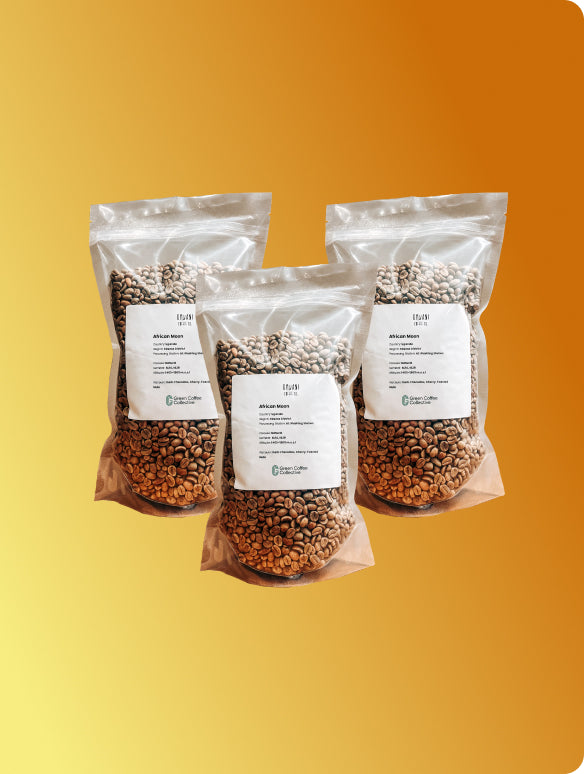
Fermented Green Coffee Beans
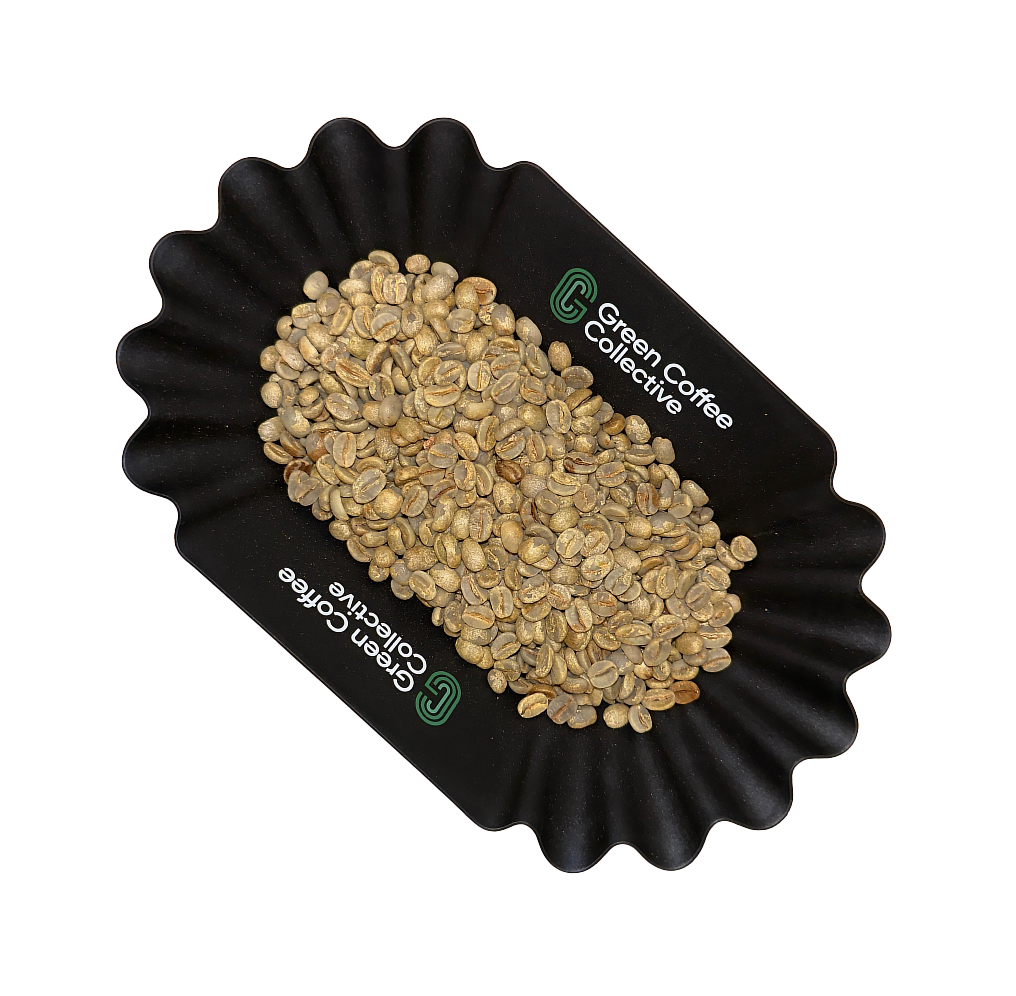
Unroasted fermented green coffee for roasters. Every coffee ferments during processing, but these are lots where the producer has deliberately controlled and extended fermentation – sealed anaerobic tanks, longer times, carbonic maceration, added yeasts or co-fermentation – to build specific flavours. Expect fruit-forward, expressive cups. Buy from 0.5kg with samples on most lots, or step back and compare them with every green coffee we stock. Looking for roasted coffee? These are raw beans you roast yourself – here's how to start.
-
Rancho Morelia
Cupping Score85.0Processing MethodVarietalBourbon, Typica, CatimorMain Flavour NotesMaple Syrup | Cocoa | Orange | BergamotOut of stock -
Kenya Orange CoFerment
Cupping Score86.0Processing MethodVarietalBatian, Ruiru 11Main Flavour NotesCaramel | Orange | PecanOut of stock -
Sitio Maranhão - Experimental Brazil
Cupping Score86.25Processing MethodVarietalYellow CatuaiMain Flavour NotesHazelnut | Brown Sugar | Green AppleOut of stock -
Nimbus Pink Bourbon Decaf
Cupping Score86.0Processing MethodVarietalPink BourbonMain Flavour NotesPapaya | Blueberry Compote | SherryOut of stock -
San Juan De La Unión Anaerobic Washed Microlot
Processing MethodVarietalTypica, Bourbon, Mundo NovoOut of stock -
Huehuetepan Natural Anaerobic
Cupping Score87.0Processing MethodVarietalTypicaMain Flavour NotesRipe Cherry | Plum | BananaOut of stock -
Equatoria Coffee Excelsa Anaerobic
Cupping Score82.25Processing MethodVarietalCoffea Liberica var. DewevreiMain Flavour NotesChamomile | Green Apple | Honey | PecanOut of stock -
Agri Evolve Extended Fermentation
Cupping Score86.75Processing MethodVarietalSL 14, SL 28Main Flavour NotesBlackberry | Juicy | Violet | FunkyOut of stock -
Colombia El Fenix Tabi - Washed Anoxic
Cupping Score85.75Processing MethodVarietalTabiMain Flavour NotesPomegranate | Candied Lemon | MojitoOut of stock -
Edinson Argote Yeast Inoculation
Cupping Score86.0Processing MethodVarietalCastilloMain Flavour NotesCherry | Blackberry | CaramelOut of stock -
Sucalfru 72h Yeast Fermentation
Cupping Score88.0Processing MethodVarietalArara PeaberryMain Flavour NotesTamarind | Starfruit | Watermelon | JuicyOut of stock -
Auro 72h Yeast Fermentation Acaiá Peaberry
Cupping Score89.5Processing MethodVarietalAcaiá PeaberryMain Flavour NotesCaramel Shards | Yellow Tomato | Physalis | Tartaric | SyrupyOut of stock -
Andres Bazos - Red Caturra - ⚠️ Parchment Issue
Cupping Score83.5Processing MethodVarietalRed CaturraMain Flavour NotesOrange Citrus | Caramel | Milk ChocolateOut of stock -
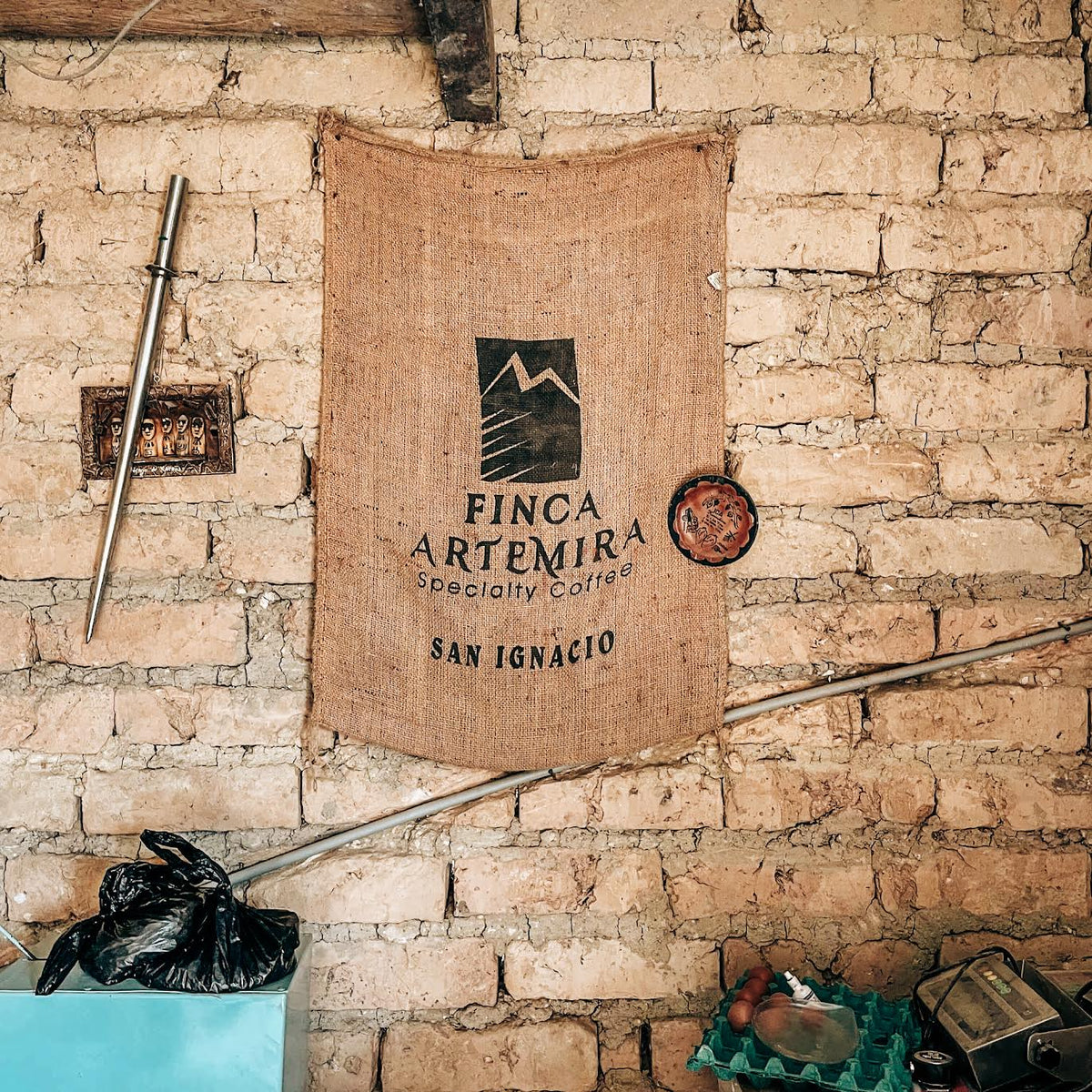
Finca Artemira - Ebert Huaman Villegas - Washed Catuai & Caturra
Cupping Score85.0Processing MethodVarietalCatuai, CaturraMain Flavour NotesOrange | Toffee | AlmondOut of stock -
Llave de Oro - Andres Bazos - Rainforest Alliance - Estate Lot
Cupping Score83.5Processing MethodVarietalRed CaturraMain Flavour NotesOrange Citrus | Caramel | Milk ChocolateOut of stock -
Niguse Nare Anaerobic Fermentation
Cupping Score86.25Processing MethodVarietal74158Main Flavour NotesBlueberry | Peach | Floral | LimeIn stock- 2 -
La Reserva Wush Wush
Cupping Score88.0Processing MethodVarietalSidra, Wush WushMain Flavour NotesRose | Mango | Berries | PapayaOut of stock -
Tadessa Yonka Anaerobic Fermentation
Cupping Score86.5Processing MethodVarietal74158Main Flavour NotesCream | Mango | StrawberryIn stock- 2 -
Calherro 72h Yeast Fermentation
Cupping Score88.5Processing MethodVarietalMundo NovoMain Flavour NotesPineapple | Lemongrass | Syrupy | Floral | Orange CointreauOut of stock -
Faustino Flores - Natural Marshell
Cupping Score87.5Processing MethodVarietalMarshellMain Flavour NotesBlueberry | Citrus Fruits | CreamyOut of stock -
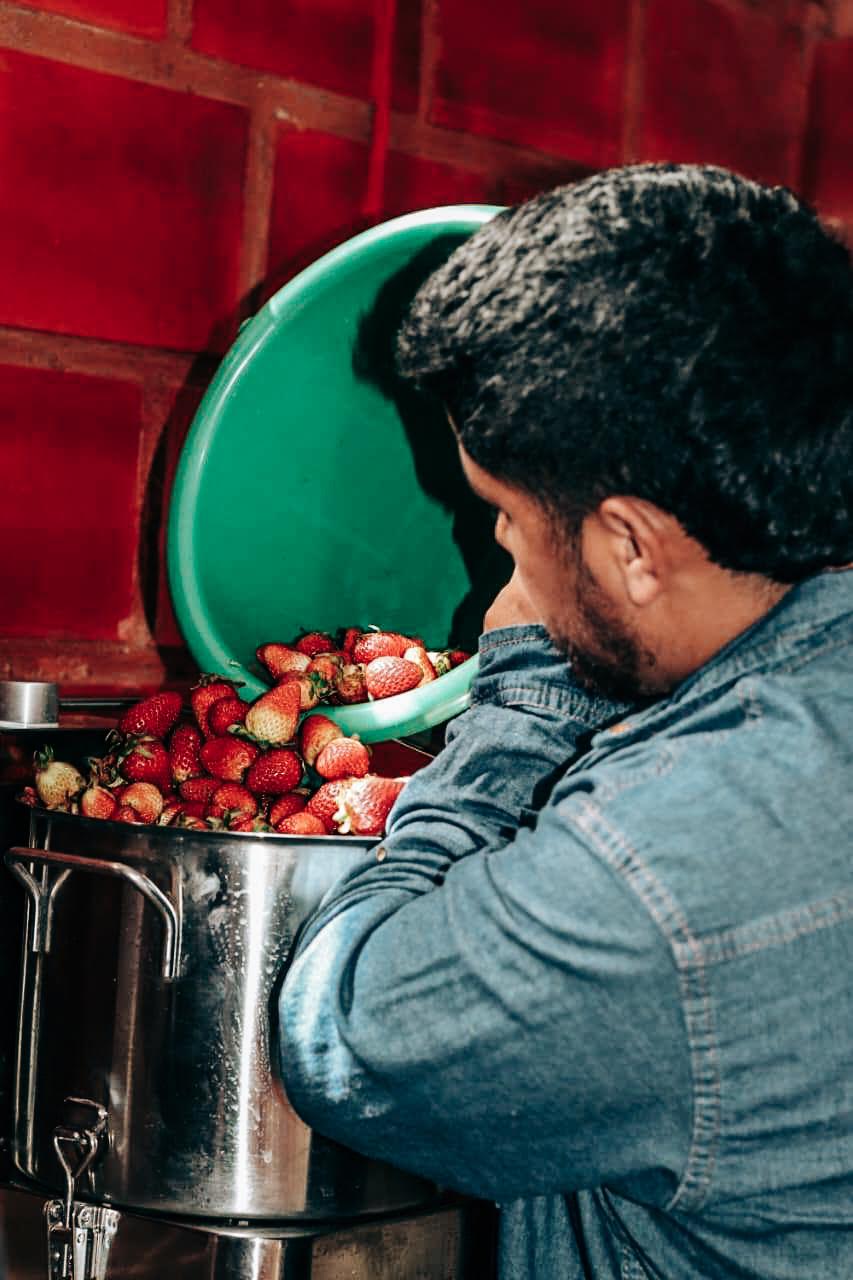
Edinson Argote Strawberry Coferment
Cupping Score86.0Processing MethodVarietalCaturraMain Flavour NotesStrawberryOut of stock -
Manuel Rosendo Marlo Baca - Geisha Green Tip
Cupping Score88.0Processing MethodVarietalGreen Tip GeishaMain Flavour NotesFloral | Panela | GrapefruitIn stock- 1 -
Finca Artemira Washed Tabi
Cupping Score86.5Processing MethodVarietalTabiMain Flavour NotesCaramel | Plum | OrangeIn stock- 12 -
David Flores Washed Marshell
Cupping Score87.0Processing MethodVarietalMarshellMain Flavour NotesDark Chocolate | OrangeIn stock- 12 -
Rogelio Pena - Typica & Caturra
Cupping Score86.5Processing MethodVarietalTypica, CaturraMain Flavour NotesRed Fruits | Panela | VanillaIn stock- 10 -
Miller Bravo Daza Washed Gesha
Cupping Score88.06Processing MethodVarietalGeshaMain Flavour NotesWine | Cherry | Sangria | Dark ChocolateLow stock- 9 -
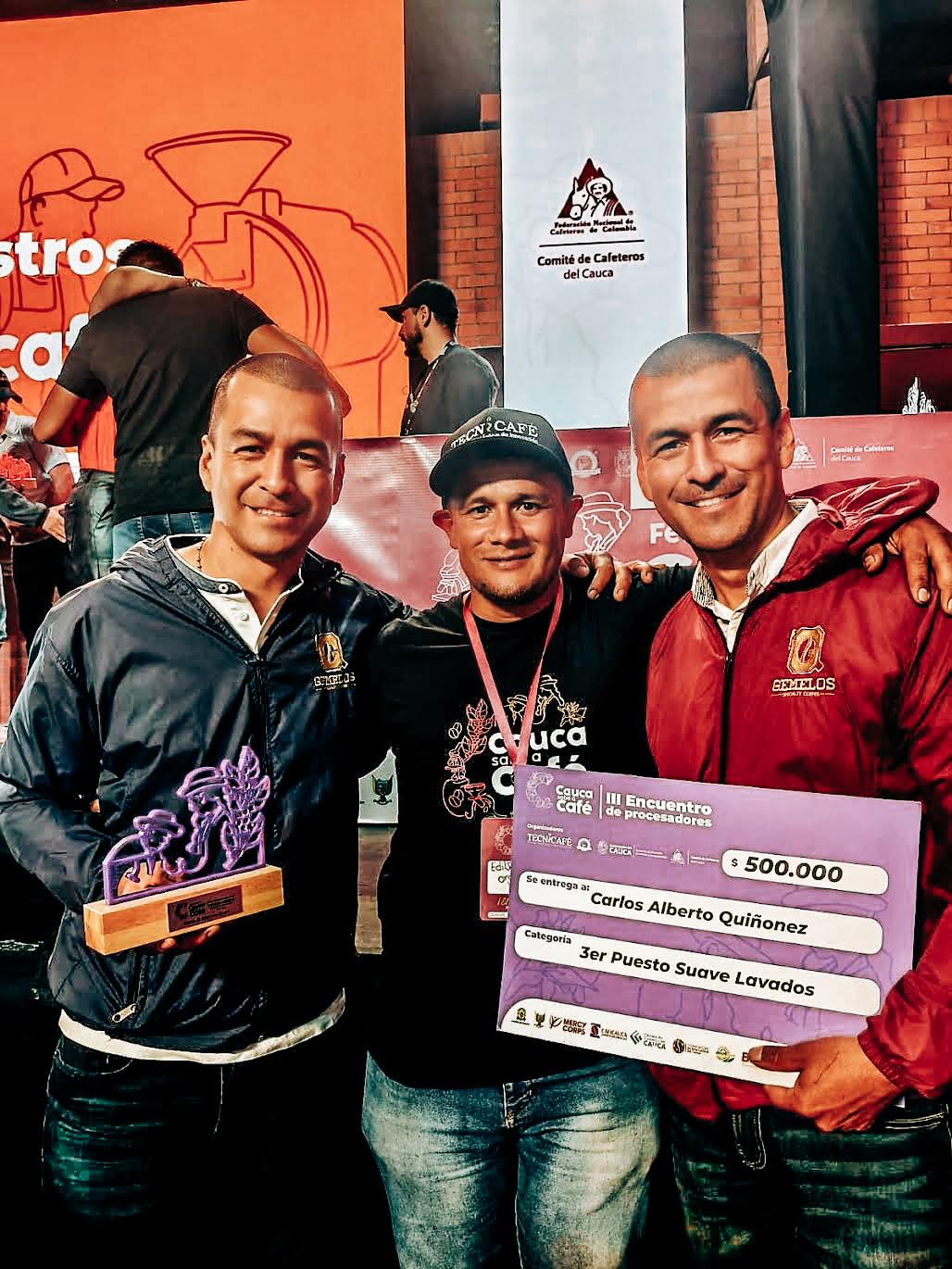
Los Gemelos Washed Pink Bourbon
Cupping Score87.17Processing MethodVarietalPink BourbonMain Flavour NotesPeach | Lemongrass | AlmondsLow stock- 3 -
Eulices Fabian Quilindo Natural Pink Bourbon
Cupping Score87.58Processing MethodVarietalPink BourbonMain Flavour NotesBlackberries | Grape | CocoaLow stock- 3
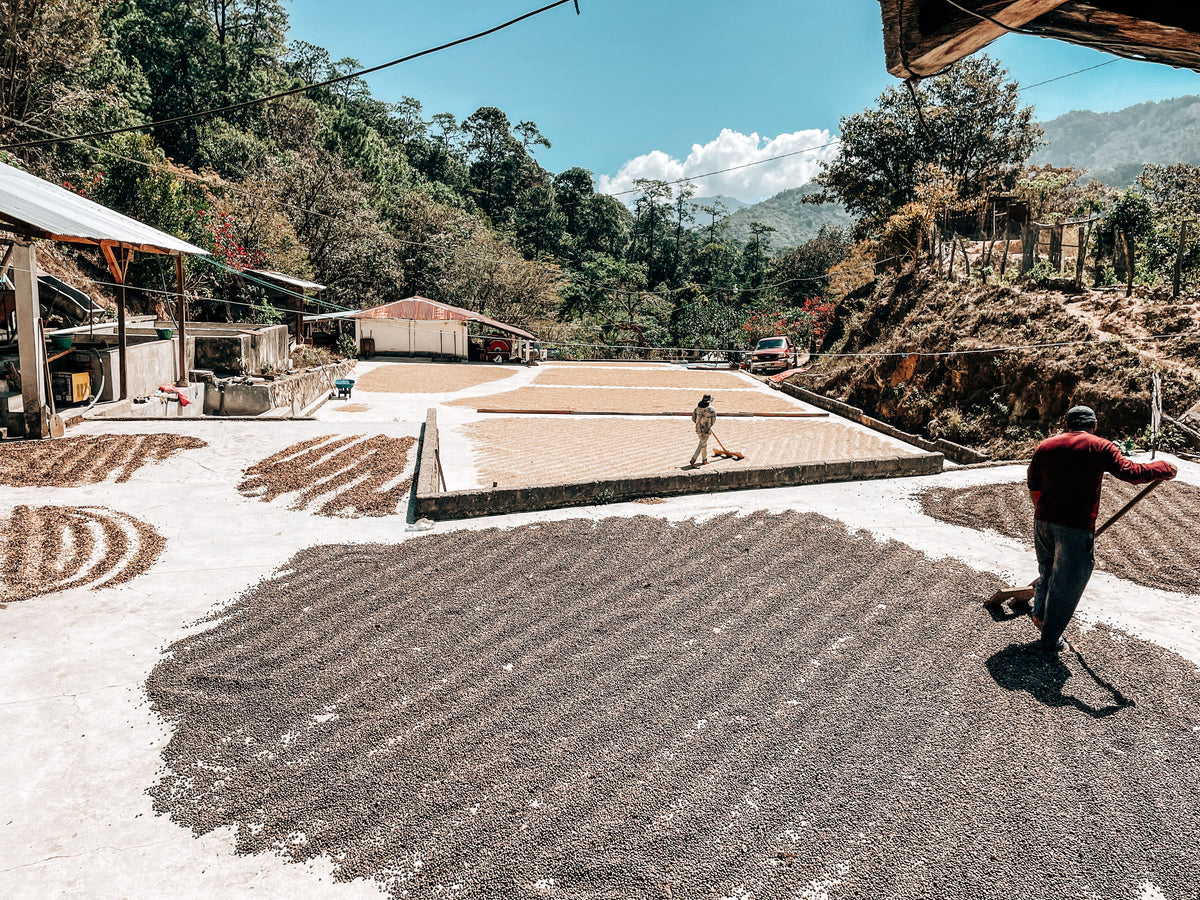
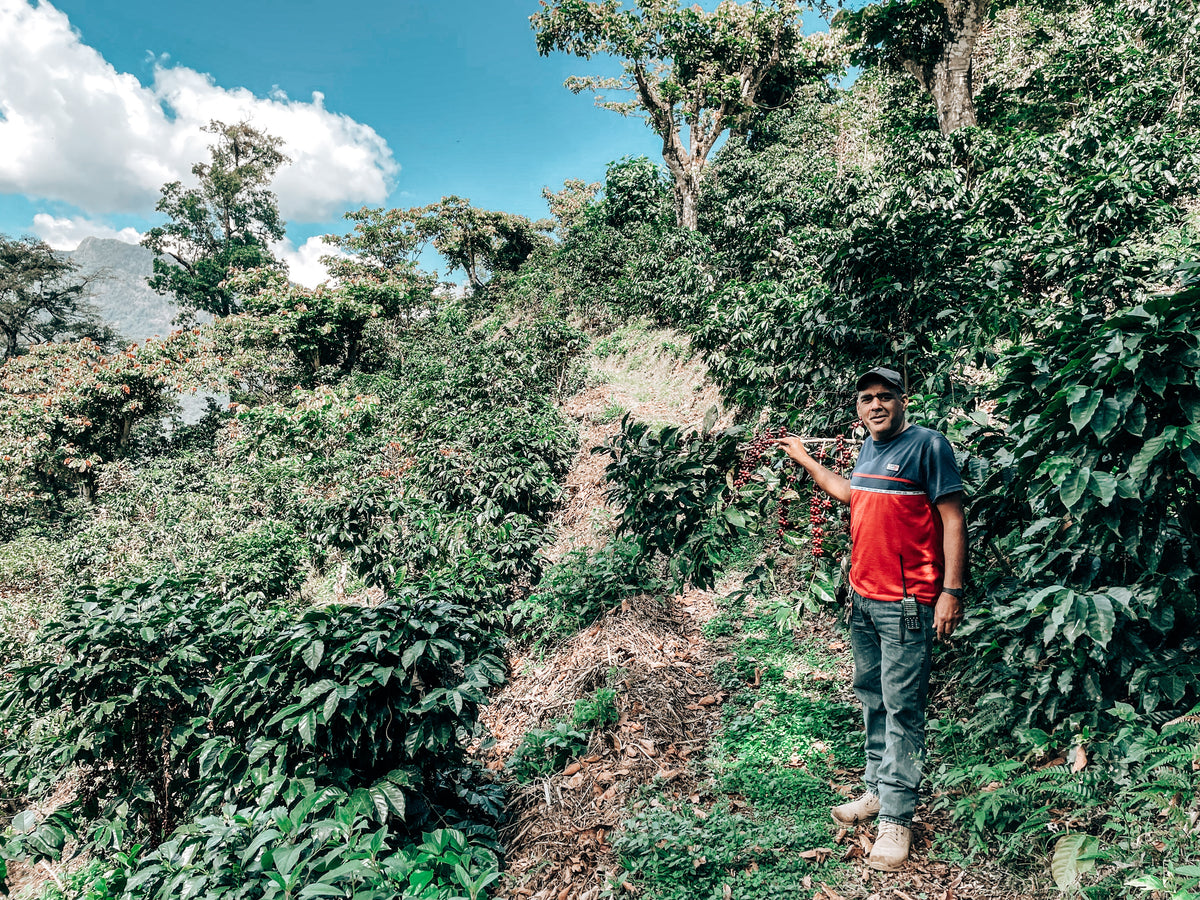









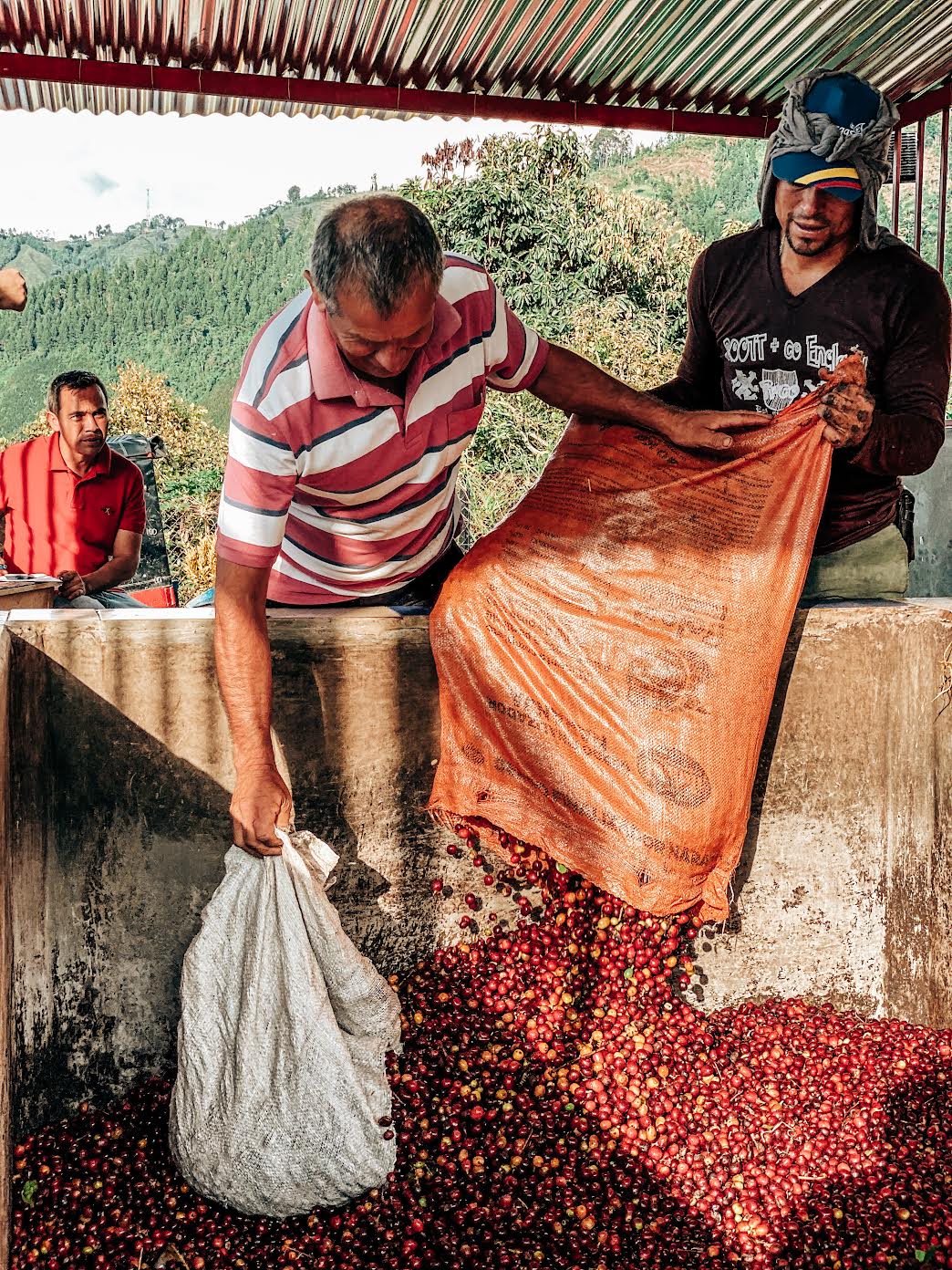
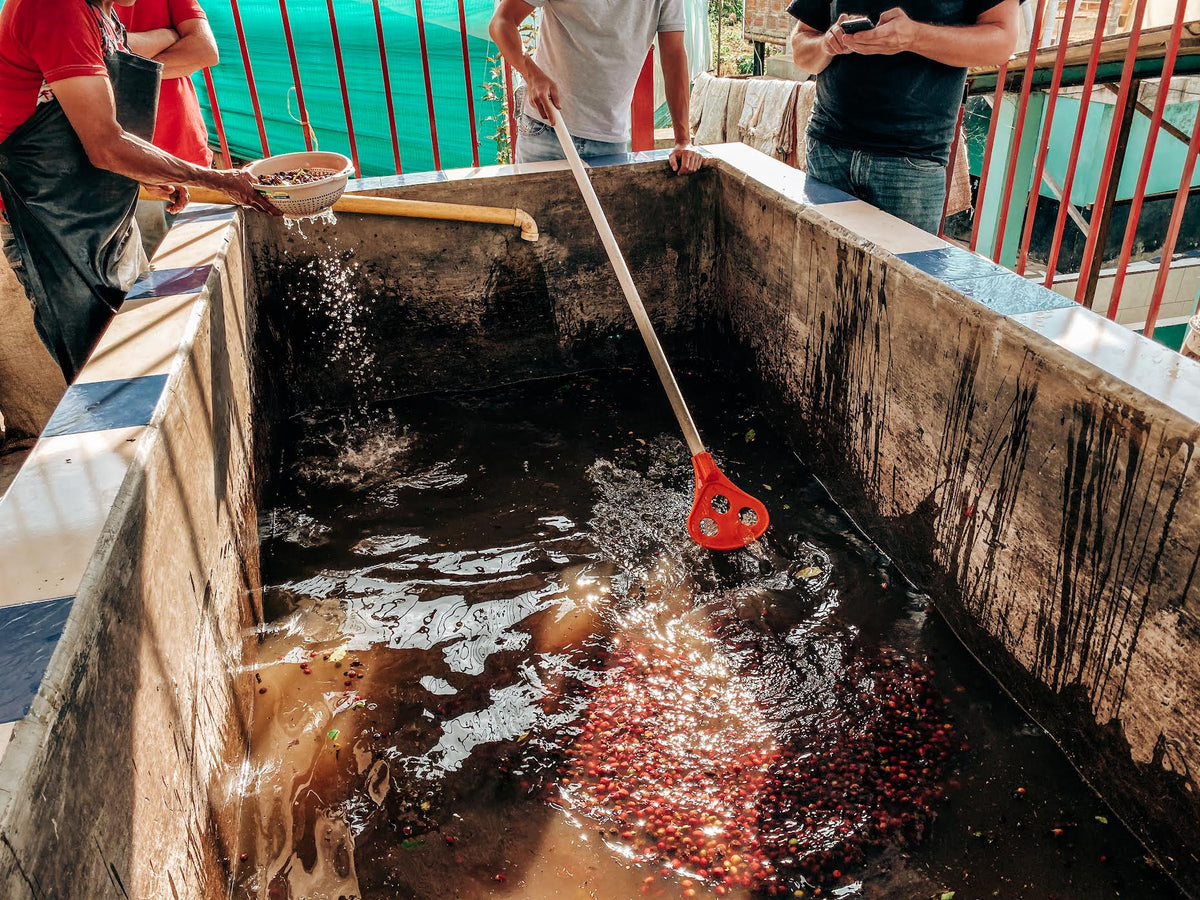




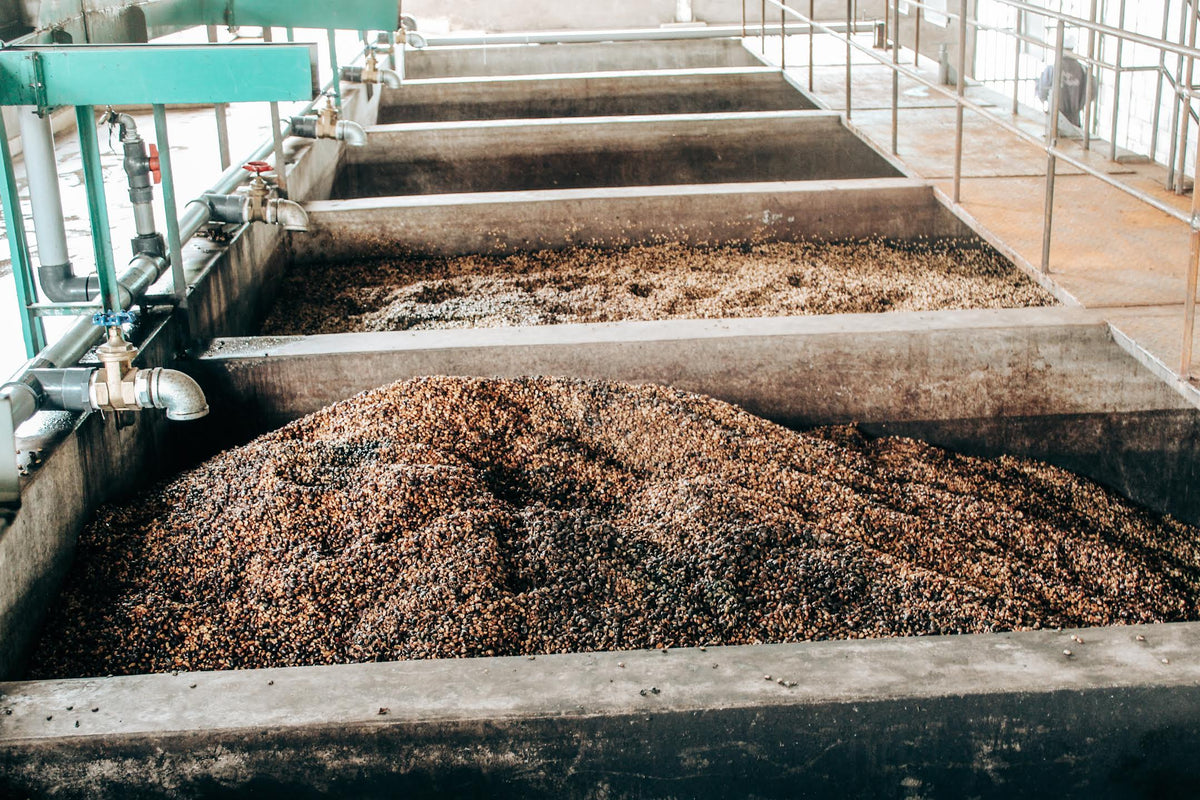

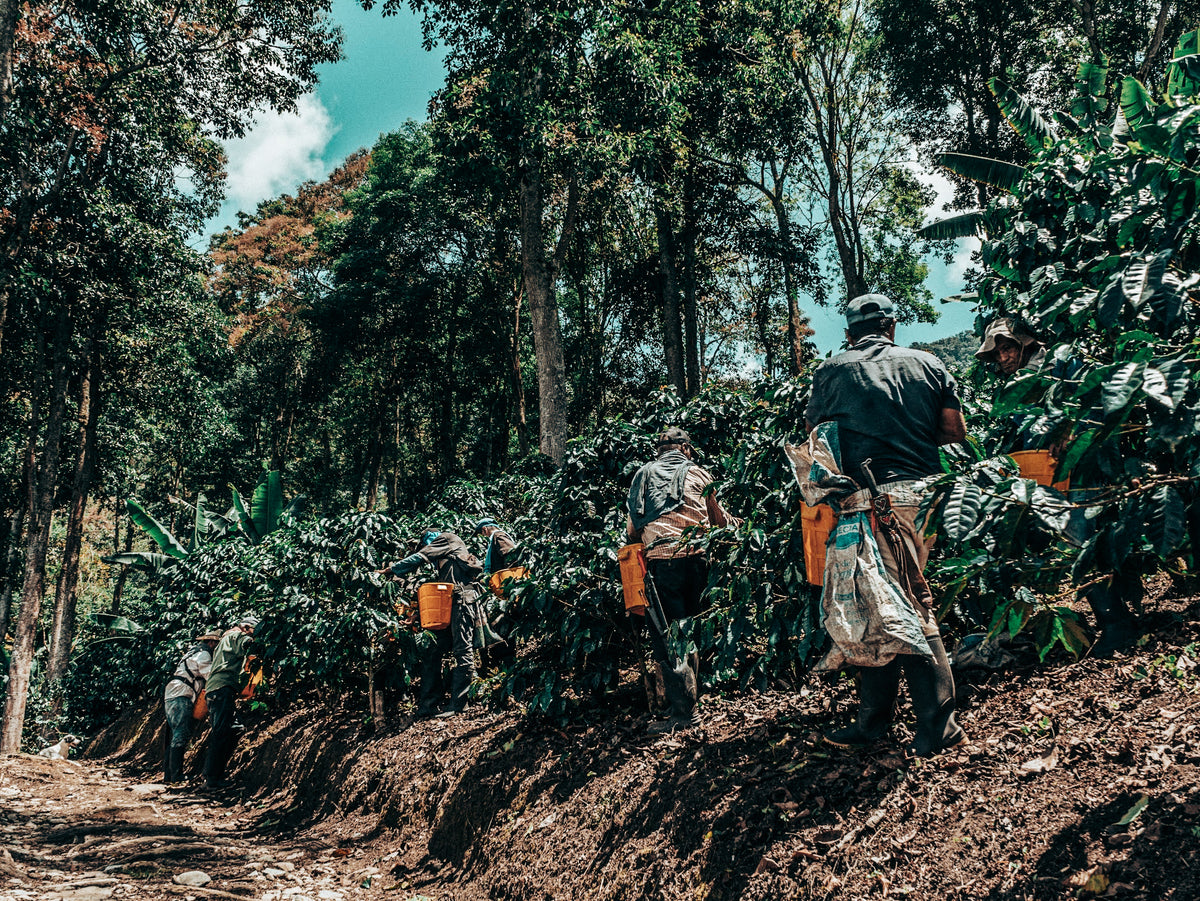
























Your guide to Fermented Green Coffee Beans
-
Why fermentation matters in coffee processing
-
Types of fermentation in this range
-
Roasting fermented green coffee
-
Origins in our fermented range