Grading Assessment

Grading Assessment

Grade green coffee like a buyer. Our growing range of grading and assessment equipment helps you check samples, count defects and compare lots before you roast. It includes tools like assessment trays for accurate defect counting and UV lights that reveal fermented beans invisible in daylight, everything you need to grade to SCA standards at your own bench.

Wanting to Explore Equipment for Quality Control?

Wanting to improve your accuracy and consistency when roasting? These analysis tools offer a simple way to track and refine your process.

Explore Equiment
  • What does grading green coffee actually involve?

    Grading is how buyers decide whether a lot is worth its price before a single bean is roasted. Under the SCA method, you take a 350g sample of green coffee, spread it out, and pick through it for defects: black and sour beans, insect damage, fungus, foreign matter, broken and shell beans, and more. Each defect type carries a weighting, and those add up to a "full defect" count. To qualify as specialty grade, a sample needs zero primary (Category 1) defects and no more than five full defects. Grading continues after a roast, when a 100g sample is checked for quakers, the underdeveloped beans that stay pale and taste papery or peanut-like in the cup. A full grade also takes in moisture content and cup quality. You'll find tools for those in our Moisture Meters, Water Activity and Cupping Lab collections.

  • Who grades coffee – and why?

    Importers and buyers grade every sample that crosses their desk, because a defect count is one of the clearest signals of how carefully a coffee was picked, processed and sorted. Roasters grade incoming lots to confirm they got what they paid for and to catch problems before they reach a customer's cup. A growing number of home roasters grade their greens too, since defects often explain uneven roasts or off flavours that would otherwise be put down to the roast profile.

  • How do the tools help?

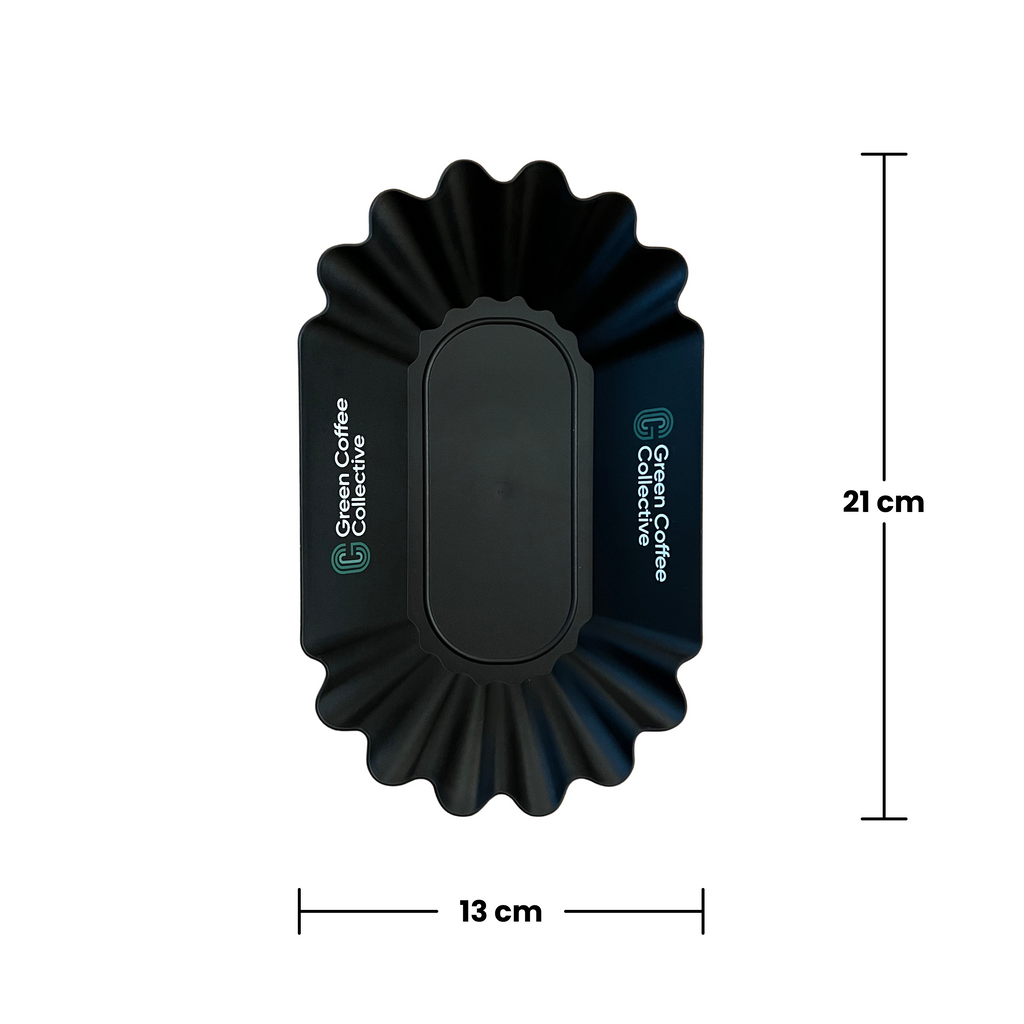
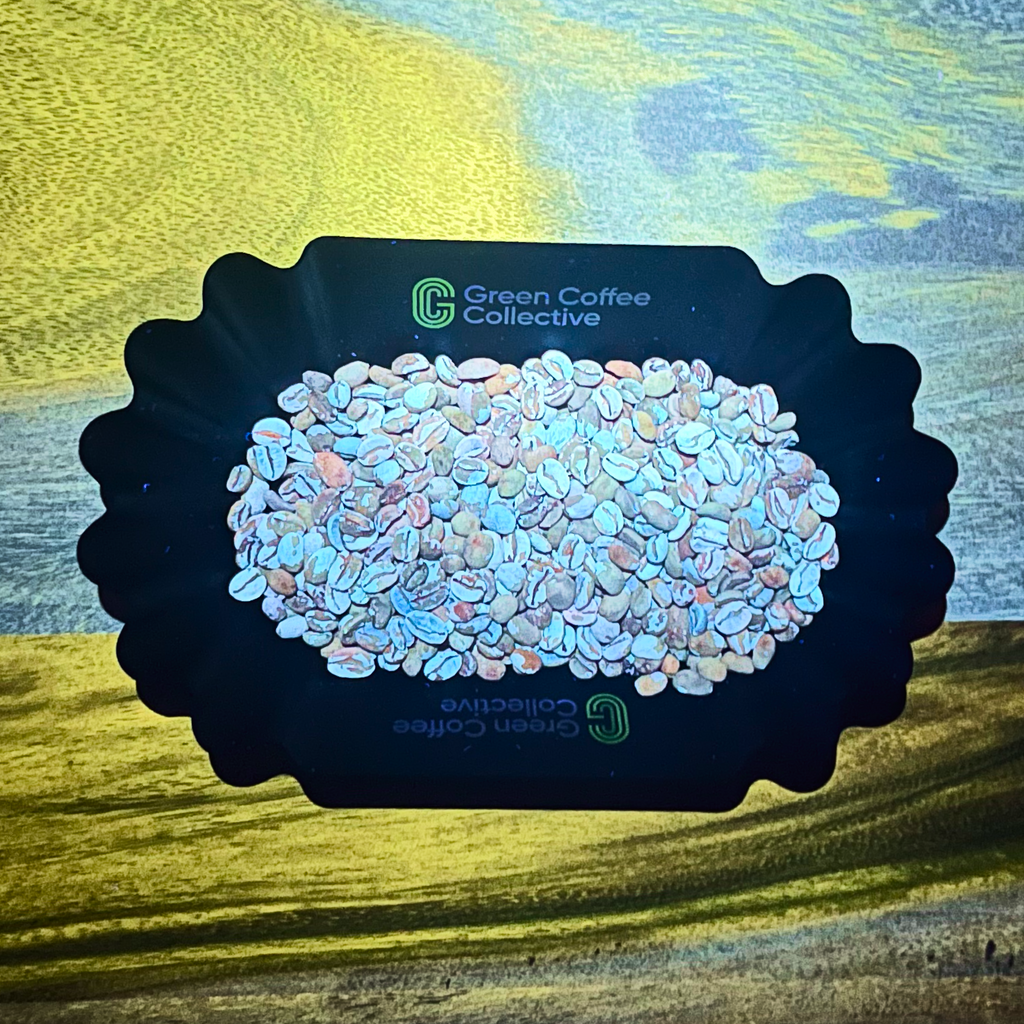
    Assessment trays give you a clean, contained surface to spread a sample and sort defects into groups, so counting is quicker and far more consistent than working on a countertop. A 365nm UV light shows what the eye can't: fermented and some damaged beans fluoresce under ultraviolet, so beans that look perfectly normal in daylight suddenly stand out. Together, they turn grading from a rough visual check into a repeatable process you can compare across lots and harvests.

  • Small Quantities of Green Coffee Beans

    Small Quantities of Green Coffee Beans

  • Coffee Moisture Meters

    Coffee Moisture Meters

    Know how a coffee will behave before it hits the drum. Moisture and density readings in seconds.

  • Water Activity Meters

    Water Activity Meters

    Moisture says how much water. Water activity says whether it's a problem. Check every lot you store.

Your questions, answered

Do I need to grade green coffee if I'm only roasting at home?

You don't have to, but it's one of the fastest ways to improve. Spotting defects before roasting lets you pick them out by hand. It can also explain flavour faults you might otherwise blame on your roast profile.

Can I use the assessment trays for roasted coffee too?

Yes. They work for both green and roasted samples, so you can grade your greens before roasting and check for quakers afterwards using the same setup.

Why use a UV light rather than just looking closely?

Some of the most damaging defects, like fermented beans, can be almost impossible to spot in normal light. Under 365nm UV they fluoresce, which makes them easy to find and remove. For best results, use it in a dim or dark room.

What sample size should I use?

The SCA standard is 350g for green grading and 100g of roasted coffee for a quaker count. Using these sizes means your results compare directly with how importers and buyers grade.