
Kenya Kenya

Kenyan Green Coffee Beans

Kenya coffee beans are renowned for their vibrant acidity, clarity, and fruit-driven cup profiles. From structured washed lots to experimental processes, our Kenya selection includes traceable coffees from Nyeri, Kirinyaga, and beyond. We work with trusted producers and exporters to offer SL-28, SL-34, Ruiru 11, and more – all available in volumes suited to roasters of every size. Want to compare origins? Browse all our green coffee beans.

Regions
Nyeri · Kisii · Kericho County
Varieties
SL-28 · SL-34 · Batian · Ruiru 11
Harvest
Oct – Dec
Scale
12% production increase to 950,000 60kg bags in 2026/7. (USDA FAS)

In stock now

2 Kenyan coffees in stock · 6 recently sold out

Recently sold out

Still worth a read – most producers come back next harvest.

ORIGIN GUIDE

Buying and roasting Kenyan green coffee

Saskia Chapman Gibbs, Marketing & Sustainability, Green Coffee Collective

Why Kenyan coffee tastes the way it does

Kenya’s signature cup starts with its varieties. SL28 and SL34 were selected at Scott Agricultural Laboratories in Kenya in the 1930s, and they still give Kenyan coffee its intensity: blackcurrant, citrus and berry, with a juicy, sparkling acidity. Many farms now also grow newer types like Ruiru 11 and Batian, bred in Kenya to resist disease, alongside the older varieties.

Altitude and soil do the rest. Most coffee grows at 1,400–2,200m on red volcanic soils, on the slopes of Mount Kenya and the Aberdares and in the highlands further west. Cool nights slow ripening and build sweetness and acidity. Kenya also has two rainy seasons, so many areas bring in a main crop and a smaller fly crop each year.

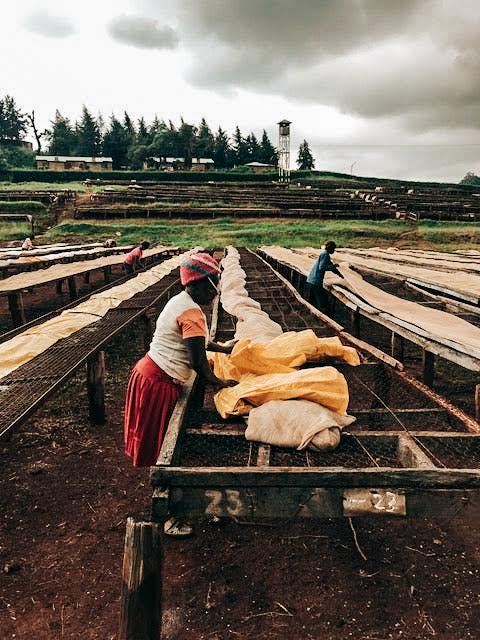
Processing is traditionally careful. Most Kenyan coffee is washed at cooperative “factories”, where cherry is pulped, fermented, washed and often soaked, then dried slowly on raised beds. That gives the clean, vivid cups Kenya is known for. Naturals are less common but growing, and they bring more body and riper fruit.

Read: How colonialism built Kenya's coffee industry

How Kenyan coffee is processed

How the cherry is handled after picking changes the cup more than almost anything else.

WashedCherry skin and mucilage removed before drying – clean, bright, origin-expressive cup.1 in stock →What is it?
NaturalWhole cherries dried with fruit intact – produces heavy body and fruit-forward flavour.1 in stock →What is it?
ExperimentalCoffee fermented in sealed, oxygen-free vessels – producing intense, fruity profiles.0 in stockWhat is it?

The regions

Translation missing: en.origin.map.title UGANDA →TANZANIA →RWANDA →ETHIOPIA →DR CONGOBURUNDI →SOUTH SUDANSOMALIA Nairobi Nyeri Kisii Kericho County Translation missing: en.origin.map.title UGANDA →TANZANIA →ETHIOPIA →SOUTH SUDANSOMALIA Nairobi Nyeri Kisii Kericho County
Nyeri1,750–1,800m
Red volcanic soils between Mount Kenya and the Aberdares. Nyeri is home to many of Kenya’s best-known washing stations, where smallholders deliver cherry from farms of just a few hundred trees.
Kisii1,200–2,200m
Densely farmed highlands near Lake Victoria, far from Kenya’s central coffee belt. Smallholders grow coffee on volcanic soils, often alongside bananas, tea and food crops.
Kericho County1,400–2,100m
Best known as the heart of Kenya’s tea country, high on the western edge of the Rift Valley. Coffee is grown here on a smaller scale, on cool, green hills alongside the tea.

Meet a producer: Lot 20

Lot 20

Kericho County, Kenya ↗ Farming since 2019

Lot 20 Coffee, located in the highlands of Kericho, Kenya, is dedicated to exploring new possibilities in coffee processing. By embracing a hands-on, experimental approach, Lot 20 seeks to produce coffee with unique and refined flavour profiles.

Originally focused on exporting coffee from Bomet and Kericho counties, Lot 20 has gradually expanded its scope. They now collaborate with more regions across Kenya and experiment with innovative processing techniques like yeast and co-fermentation to enhance the quality of their coffee.

Lot 20 is committed to keeping its operations rooted in the local community. By opting for smaller-scale processing facilities in Kericho rather than high-tech options in Nairobi, they aim to support the local economy and create employment opportunities. This approach is reflected in the creation of Metibellion Coffee Co, the washing station established by Lot 20 in 2024, which they are planning to expand by including the construction of a decaffeination plant.

Supporting the community is a key aspect of Lot 20's work. Farmers partnering with them receive fair prices for their cherries, along with financial literacy training and access to quality seedlings and expert advice. Additionally, their co-fermentation processes enable them to buy locally grown fruit, further contributing to the local economy. Through these efforts, Lot 20 Coffee aims to make a positive impact on both the coffee they produce and the community they work alongside.

From farm to our warehouse

Most Kenyan coffee is grown by smallholders, often on farms of just a few hundred trees. Farmers usually belong to cooperative societies and deliver their ripe cherry to the society’s washing stations, known locally as “factories”. There it’s pulped, fermented, washed and dried, then milled and graded by bean size into AA, AB, PB and other grades. Much of it is sold through the weekly auction at the Nairobi Coffee Exchange.

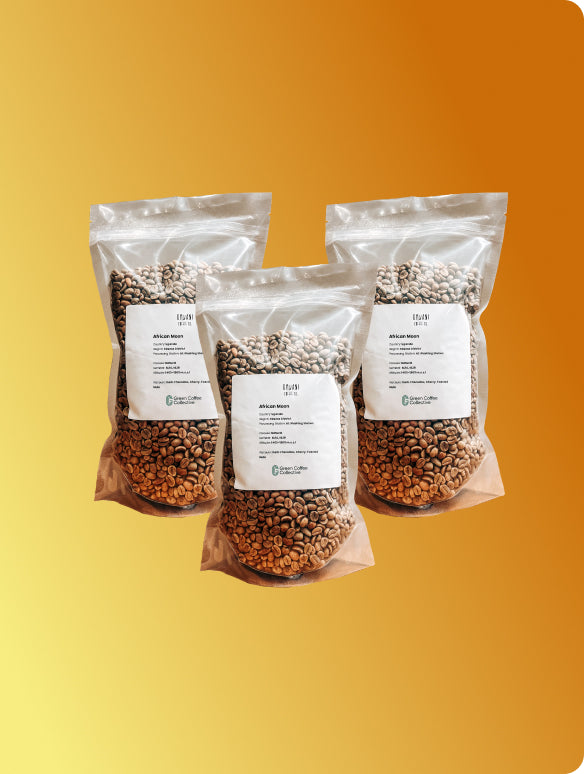
We buy Kenyan coffee through Omwani, our East African import partner, which sources from Lot 20 in western Kenya. Founded by Sidney Kibet in 2019, Lot 20 takes its name from its first goal: exporting 20 bags of Kenyan coffee to the UK. It now works with farmers across western Kenya, including Kericho and Kisii, and experiments with fermentation using fruit pulp, different yeasts and fungi. The aim is to raise cup quality and the value of each lot, so more of that value goes back to the farmers.

Lots change from harvest to harvest. Kenya’s main crop is picked from roughly October to December, with a smaller fly crop in some areas mid-year. Lot 20 is always trying new processing methods, so each season brings something different. We’d rather buy what’s cupping best than repeat a name for the sake of it. If you liked a past lot, join the arrivals list and we’ll tell you what’s closest when new crop lands.

Read: Industry Insight: The auction, the cooperatives and the new Coffee Act in Kenya

Kenyan lots we've sourced

Every lot we've brought in, with our team's cupping score where we have one. A good guide to what next season's will be like.

Past lots on record
11
Average cup score (11 scored)
86.2
Highest
87.75 AA Nandi County
Kenyan lots we've sourced
Lot Region Process Crop Score
AA Nandi CountyRaspberry, Tangerine, Milk Chocolate Nandi Washed 2024 87.75
Ainabtany AA– – Washed 2023 87.5
Gelegele SpecialBlack Cherry, Strawberry, Milk Chocolate Kericho Anaerobic 2024 87.5
Kisii Banana AnaerobicPapaya, Pineapple, Red Apple Kisii Anaerobic 2024 87.0
The Lion SlayerPassion Fruit, Orange, Golden Raisin Kericho Natural 2024 86.75
Ainabtany AB– Rongo, Migori Washed 2024 86.25
Marani Banana Infused NaturalOrange, Pineapple, Caramel Kisii Natural 2024 86.0
Oyugis HoneyRaspberry, Milk Chocolate Oyugis, Homa Bay Honey 2024 85.5
Kaplelgot Boozy PineappleAlmond, Brown Sugar, Raisin Kericho Anaerobic 2024 85.25
Oyugis Extra SpecialBrown Sugar, Raisin, Walnut Oyugis, Homa Bay Experimental c. 23/24 85.0
Washed Rongo ABOrange, Black Tea, Caramel Rongo, Migori Washed 24/25 84.0

When to buy Kenyan green coffee

Fresh-crop Kenyan lots arrive months after the harvest ends. Buy on arrival for the brightest cup.

Buying Kenyan coffee in volume

From a first sample bag to a container, without the import paperwork.

0.5 – 5KG Sample and small batch Open to everyone. Most lots offer a sample size so you can cup before committing.Shop in-stock lots →
10 – 20KG Wholesale account Approved roasters see 10kg and 20kg sizes and trade pricing when signed in.Apply for wholesale →
FULL SACKS & CONTAINERS Through our import partners Sacks, pallets and full containers from the importers we buy Kenyan coffee from. Omwani

Roasting Kenyan coffee

How Kenyan coffee behaves in the roaster depends on its grade and how it was processed. AA beans are large and dense, so they need plenty of energy to carry the roast through to the end. Peaberries are smaller and can scorch more easily, so start them with a lower charge. Washed lots are the most predictable. Naturals and experimental fermentations, like those from Lot 20, can behave differently, so start gently and watch them closely. Keeping development short helps hold on to Kenya’s bright acidity, but make sure the roast is fully developed, or the cup can taste grassy and sour. Kenyan coffees can also take longer to rest after roasting, so give them a little extra time before brewing.

Never roasted coffee before? These are raw, unroasted beans – they need roasting before you can brew them. It's easier than it sounds.

Kenyan green coffee FAQs

What does Kenyan coffee taste like?

Kenyan coffee is bright, juicy and intense, with blackcurrant, citrus and berry notes. Washed lots are clean and vivid, while naturals and experimental fermentations bring more body and riper fruit.

What do AA, AB and PB mean on Kenyan coffee?

They’re grades based on bean size, not cup quality. AA beans are the largest, AB is a mix of slightly smaller beans, and PB stands for peaberry, where the cherry grows a single round bean instead of two. Kenyan coffee is graded for quality separately.

What are SL28 and SL34?

They’re Kenya’s classic coffee varieties, selected at Scott Agricultural Laboratories in Kenya in the 1930s. They’re known for intense fruit and bright acidity, and they’re a big part of why Kenyan coffee tastes the way it does.

Is all Kenyan coffee washed?

No. Most Kenyan coffee is traditionally washed, but some producers now make naturals and experimental fermentations. Our partner Lot 20 experiments with fruit pulp, different yeasts and fungi to push cup quality further.

How do you roast Kenyan green coffee beans?

It depends on the grade and process. Dense AA beans need plenty of energy to carry the roast through, while smaller peaberries need a lower charge to avoid scorching. Keep development short to hold on to Kenya’s acidity, but make sure the roast is fully developed, and give the beans extra time to rest.