Coffee Moisture Meters

Coffee Moisture Meters

Moisture levels play a big role in green coffee quality. If they drop too low, coffee can taste flat or roast unpredictably. Too high, and you risk mould or defects. A good moisture meter gives you fast, reliable readings - helping you catch problems early and store, roast, and plan with confidence.

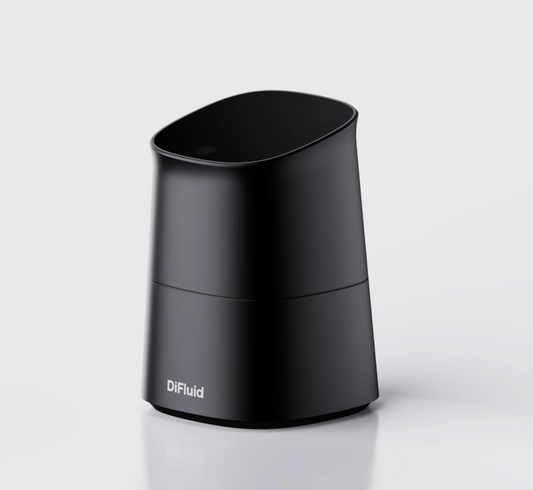
DiFluid

The trusted name in coffee analysis equipment. Accurate, intuitive tools for roasting, grading, and brewing.

Explore DiFluid Products
  • Why does moisture content matter in green coffee?

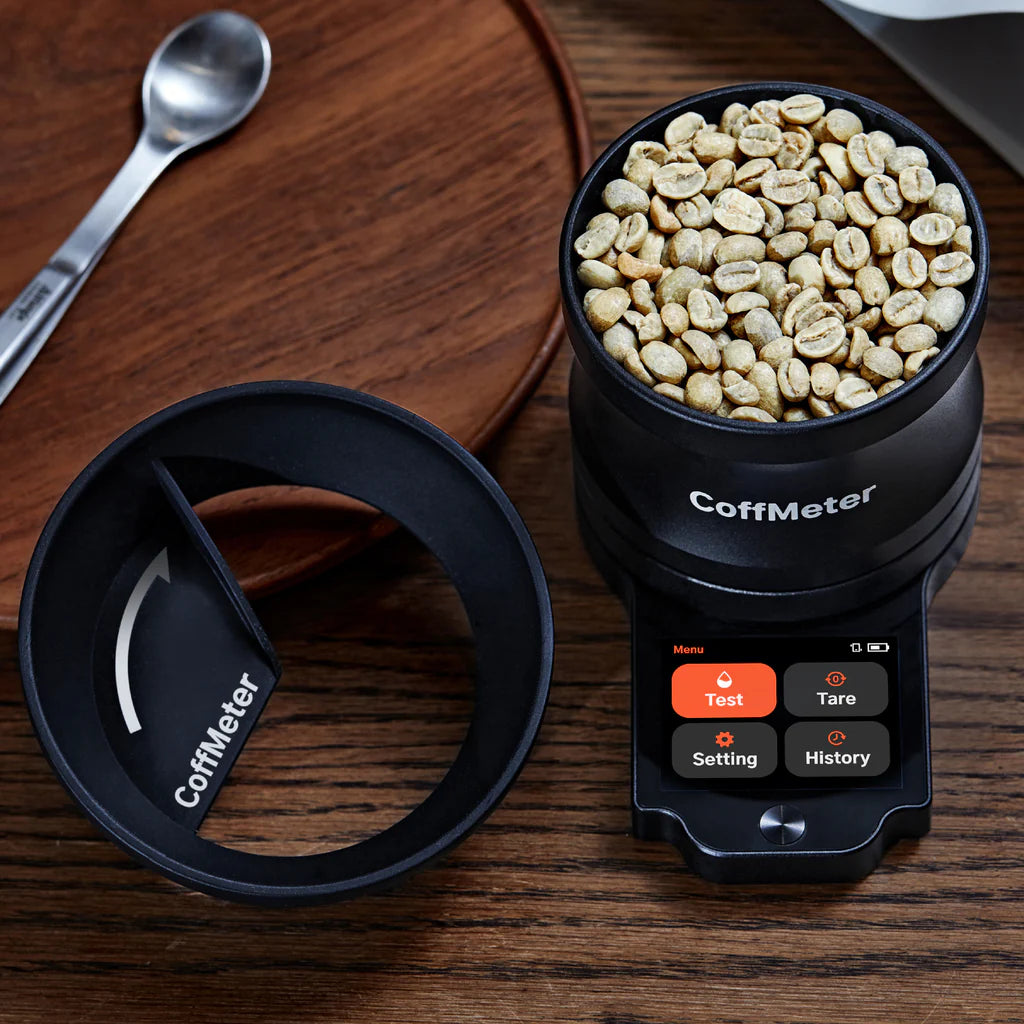
    A coffee moisture meter measures the percentage of water in green or roasted coffee - one of the fastest checks of quality and roast readiness. Moisture levels affect how coffee roasts, ages, and tastes. Too dry, and it can roast too quickly or lose complexity. Too much moisture, and there’s a risk of mould, fermentation, or cup defects. Staying within the ideal range - usually between 10% and 12% - helps protect quality at every stage.

  • When should I measure it?

    It depends where you are in the chain. Producers measure moisture to check when coffee is ready to move off the drying beds. Roasters tend to check on arrival or during storage to monitor how the coffee is holding up. It’s a quick way to flag problems early - especially if a coffee isn’t performing as expected in the roaster.

  • What makes a good moisture meter?

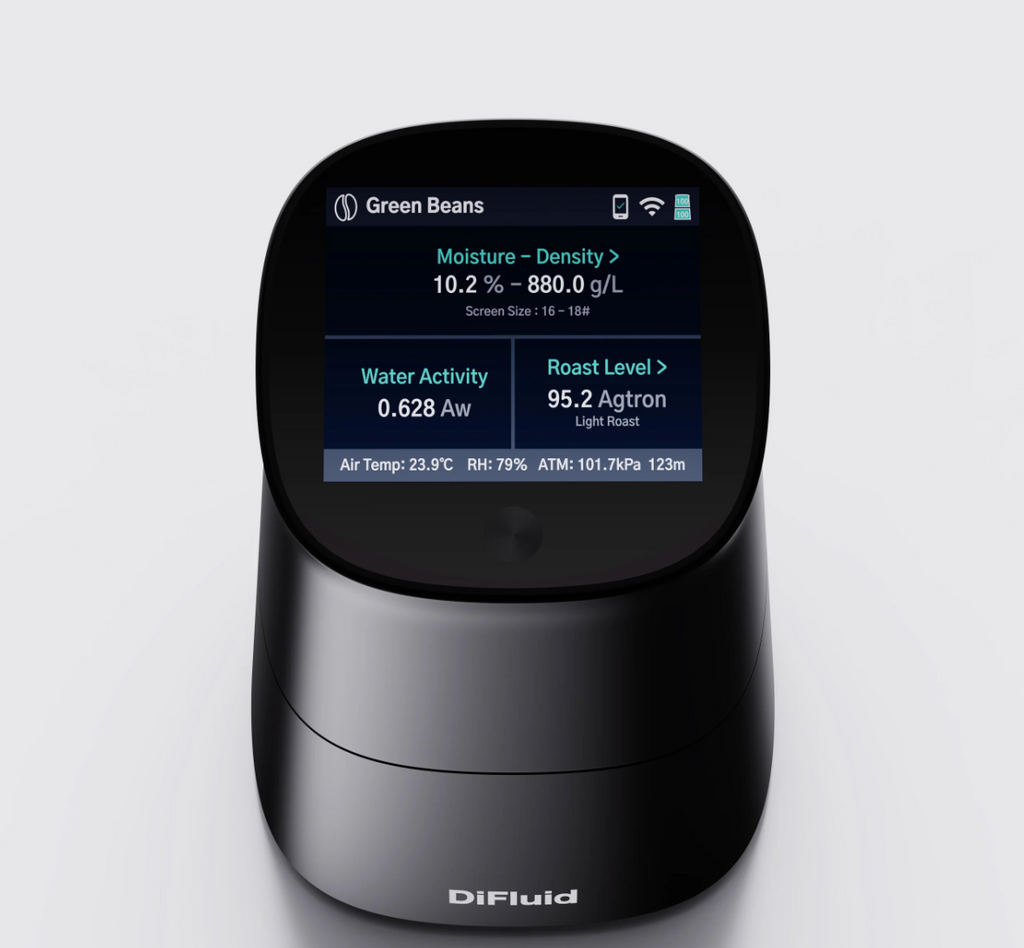
    Speed, accuracy, and ease of use. The best meters give consistent readings from small samples, without needing much setup. Some also track temperature and density, or link to apps to help you keep better records - but even a simple device can make a big difference.

  • Roast Colour Meters & Analysis Equipment

    Roast Colour Meters & Analysis Equipment

    Roast colour tells you how the roast actually went. Measure it, track it, and reproduce your best batches.

  • Water Activity Meters

    Water Activity Meters

    Moisture says how much water. Water activity says whether it's a problem. Check every lot you store.

  • Equipment for Cupping Lab

    Equipment for Cupping Lab

    Numbers tell you what changed. The cupping table tells you if it matters. Kit for tasting systematically.

Your questions, answered

What's the difference between moisture content and water activity?

Moisture content measures the total amount of water in a coffee; water activity measures how much of that water is free to support mould growth or chemical change. Moisture affects roasting behaviour, water activity determines storage stability. Serious green buying setups measure both - see our water activity meters.

Who are moisture meters for?

They’re most useful for producers, exporters, and professional roasters - anyone handling green coffee in volume or managing storage. Home roasters generally don’t need one unless they’re really keen to understand all the variables in their coffee

What's the difference between the CoffMeter M1 and the Omix Plus?

The M1 measures moisture and density - the two numbers that determine how a coffee behaves in the roaster - at a fraction of the Omix Plus's price. The Omix Plus adds water activity and roast colour, folding a complete green coffee lab into one device. If moisture is your main question, start with the M1.

What’s the ideal moisture range for green coffee?

Most producers and roasters aim for 10.5% to 11.5%. That range helps preserve flavour, improve roasting consistency, and extend shelf life - especially important if the coffee is being stored or shipped for long periods.

How does climate affect moisture levels?

Both extremes can cause problems. Hot, humid conditions can increase moisture and lead to condensation inside storage bags, dulling flavour and aroma. Dry air, on the other hand, can pull too much moisture from the beans, making them brittle.