


Colombia Colombia

Colombian Green Coffee Beans

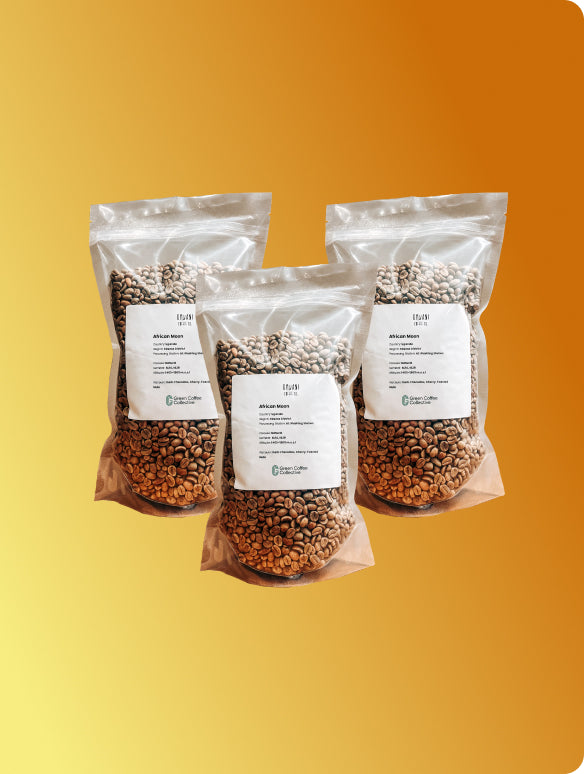
Explore Colombian green coffee beans at Green Coffee Collective, where exceptional quality meets versatility. Whether you need wholesale quantities or smaller sizes perfect for sampling, our sustainably sourced beans deliver bright acidity, smooth body, and rich flavours. Elevate your roasting with the finest Colombian coffee! Comparing origins? Our green coffee beans collection has every lot we stock.

Regions
Huila · Antioquia · Tolima · Cauca
Varieties
Castillo · Caturra · Pink Bourbon · Tabi · Wush Wush
Harvest
Sep – Dec
Scale
3rd largest global producer. 1st for Arabica. (USDA FAS)

In stock now

7 Colombian coffees in stock · 9 recently sold out

Recently sold out

Still worth a read – most producers come back next harvest.

ORIGIN GUIDE

Buying and roasting Colombian green coffee

Saskia Chapman Gibbs, Marketing & Sustainability, Green Coffee Collective

Why Colombian coffee tastes the way it does

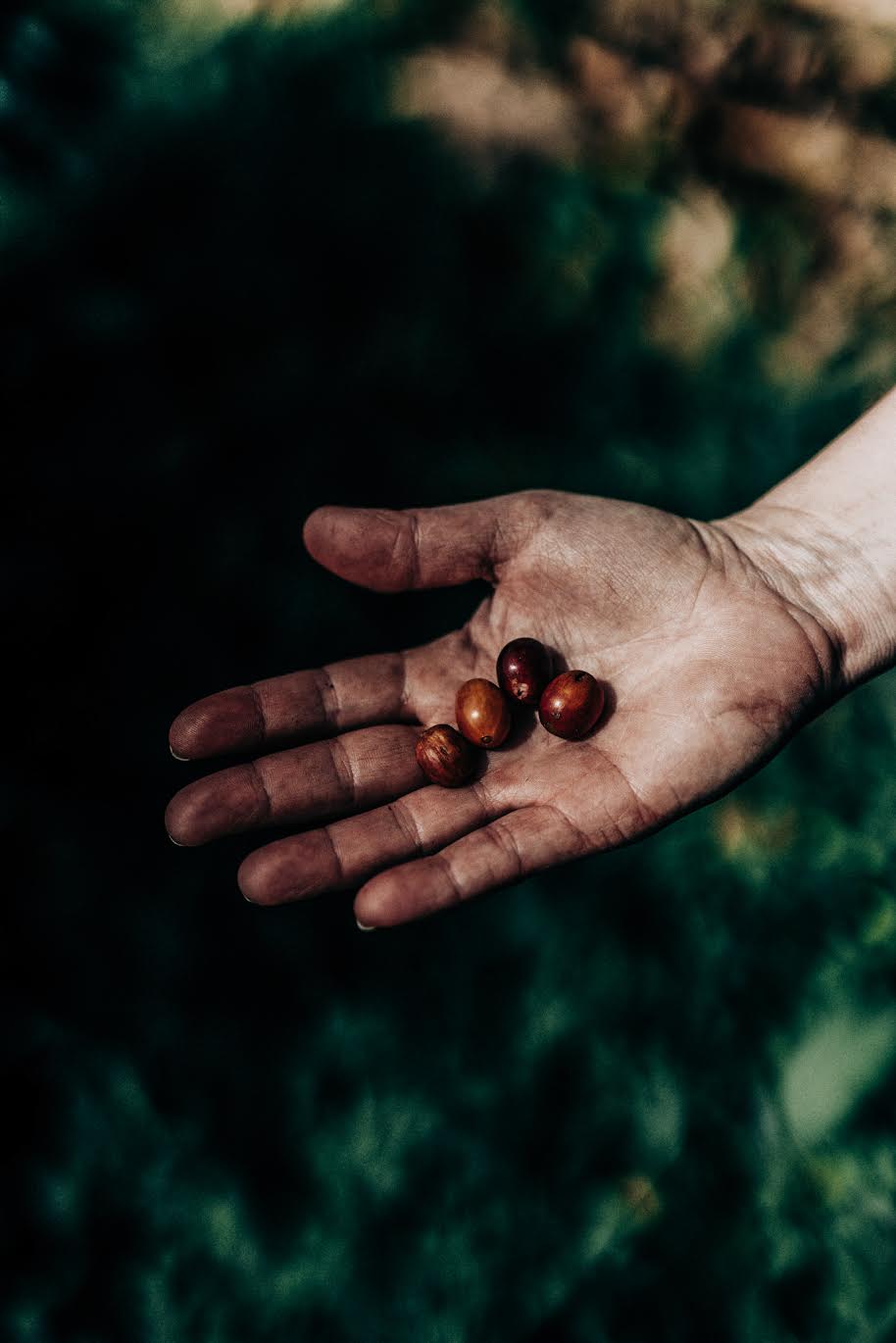
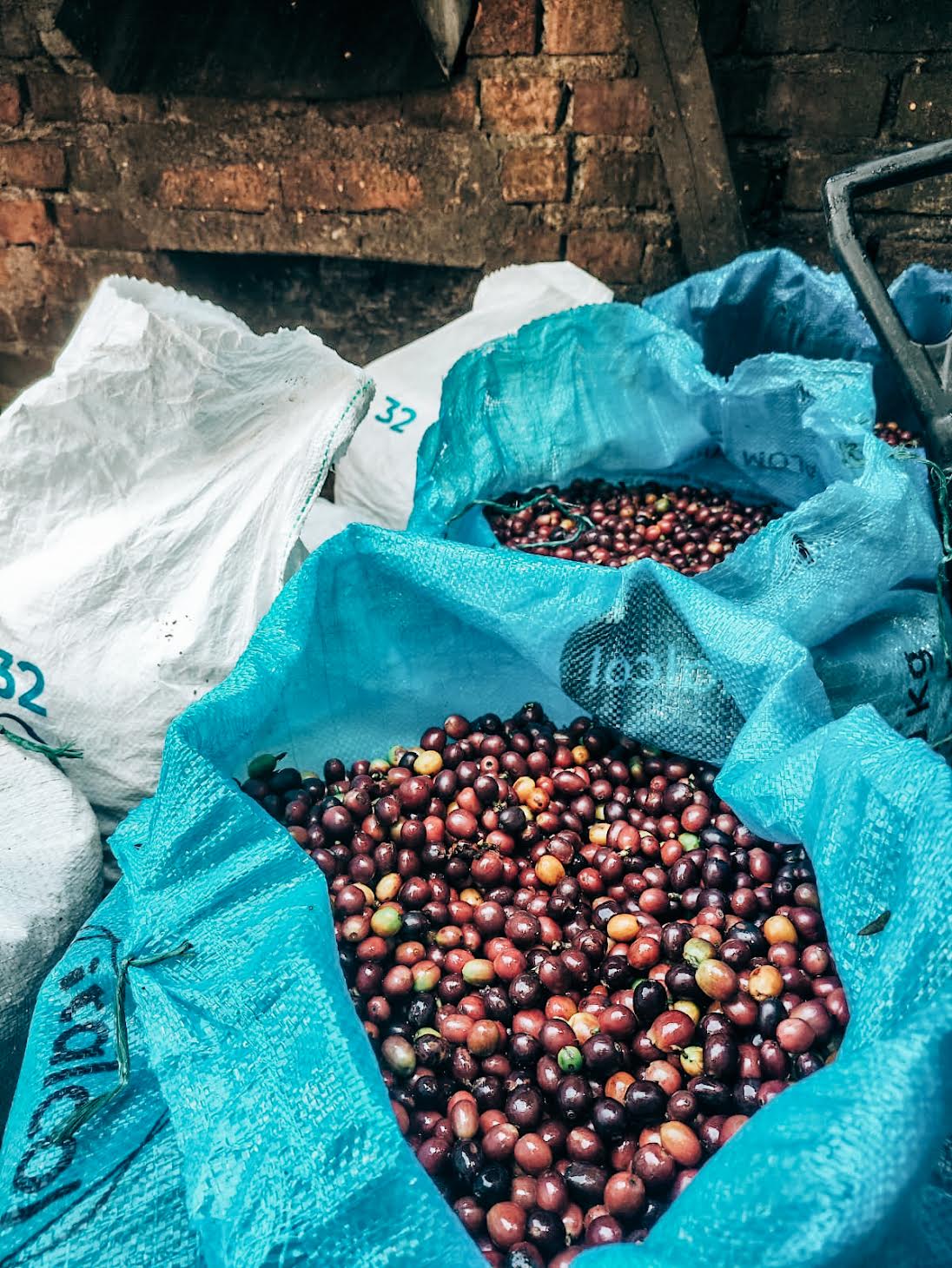
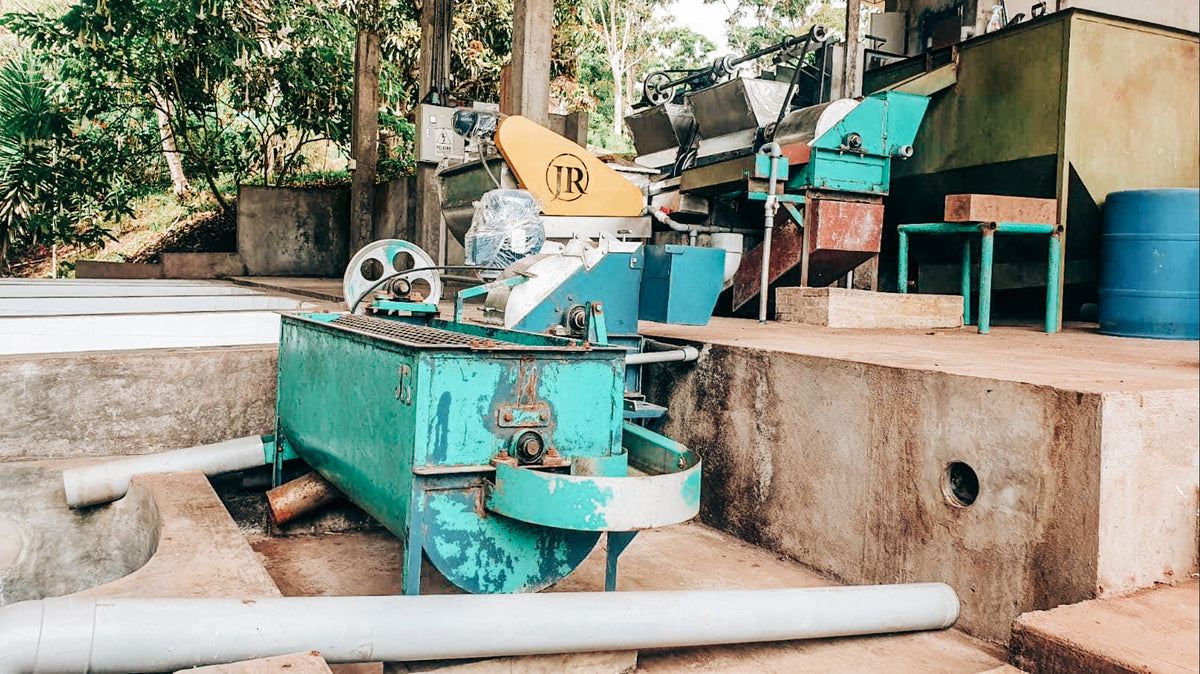
Colombia’s reputation was built on washed coffee. Most farms are smallholdings growing Castillo, Caturra and Colombia, and most process their own cherry: pulped, fermented in tanks, then dried on patios or under parabolic covers. Three Andean ranges near the equator create hundreds of microclimates, and coffee grows mostly at 1,200–2,200m. The result is the classic Colombian cup: bright and juicy, with red fruit, citrus and chocolatey, panela-like sweetness.

Varieties are where it gets interesting. A newer generation of producers is planting for flavour rather than yield, with Pink Bourbon, Tabi and the Ethiopian landrace Wush Wush. These bring florals, stone fruit and tea-like complexity rarely found in a traditional Colombian.

Processing is changing fastest of all. Alongside washed lots, producers are experimenting with anaerobic fermentation, thermal shock and co-fermentation. These push the cup towards tropical fruit, boozy sweetness and intense aromatics. Some of the most talked-about lots we sell come from this work.

Read: How Colombia's civil wars changed the course of its coffee production

How Colombian coffee is processed

How the cherry is handled after picking changes the cup more than almost anything else.

WashedCherry skin and mucilage removed before drying – clean, bright, origin-expressive cup.7 in stock →What is it?
NaturalWhole cherries dried with fruit intact – produces heavy body and fruit-forward flavour.0 in stockWhat is it?
HoneyCherry skin removed, mucilage left on during drying – sweeter and rounder than washed.0 in stockWhat is it?
ExperimentalCoffee fermented in sealed, oxygen-free vessels – producing intense, fruity profiles.0 in stockWhat is it?
DecafCaffeine removed from the green beans before roasting, keeping as much of the origin character as possible.0 in stock

The regions

Translation missing: en.origin.map.title VENEZUELAPERU →PANAMA →NICARAGUA →ECUADOR →BRAZIL →GUYANA Bogota Huila Antioquia Tolima Cauca Translation missing: en.origin.map.title VENEZUELAPERU →PANAMA →ECUADOR →BRAZIL → Bogota Huila Antioquia Tolima Cauca
Huila1,200–2,200m
Colombia’s largest coffee-growing department, and one of its most inventive. Smallholders here are known for both clean, bright washed lots and experimental fermentations, often with standout varietie
Antioquia1,300–2,200m
The mountains around Medellín, where Colombia’s smallholder coffee tradition began. Settler families cleared these slopes into small fincas in the 1800s. Expect balanced, approachable lots.
Tolima1,600–2,100m
Steep volcanic slopes in the Central Andes, long isolated by conflict. Since the 2016 peace accords, southern towns like Planadas have become Cup of Excellence regulars.
Cauca1,400–2,200m
High plateaus around Popayán, with cold nights that slow ripening. The main harvest comes mid-year, unlike northern regions. Crisp citrus acidity, caramel and fuller body.

Huila rainfall: 2026 vs the 10-year average

2026 10-year average

Huila has had  14% less rain than its 10-year average so far this year (1,222 mm against 1,425 mm, January to October). August to October were 26% above normal.

Monthly rainfall in Huila, Colombia, 2026 compared with the 2016–2025 average
Month 2026 (mm) 10-year average (mm)
January 11 126
February 64 71
March 17 79
April 79 117
May 174 213
June 130 98
July 69 181
August 257 185
September 214 176
October 207 178
November not yet 160
December not yet 179

Why it matters: rain at flowering sets up the next crop, and dry weather at harvest helps naturals dry evenly. Big swings either way can mean a smaller or later harvest – we'll say so here as reports come in.

Source: NASA POWER (MERRA-2) for Huila (2.485044°N, 75.420095°E) · updated monthly · last updated 8 Nov 2026

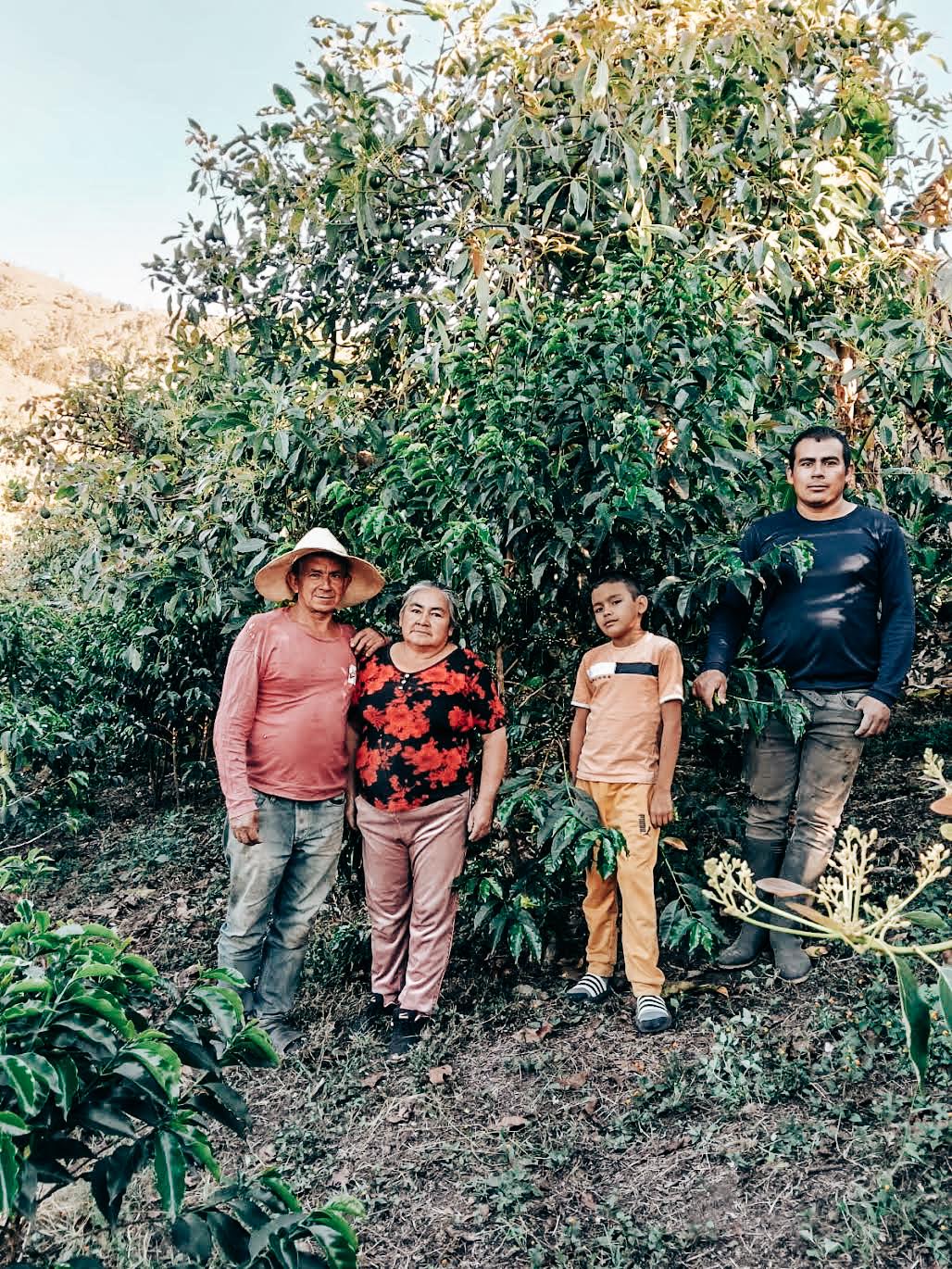
Meet a producer: Edinson Argote

Edinson Argote

Quebraditas, Cauca ↗

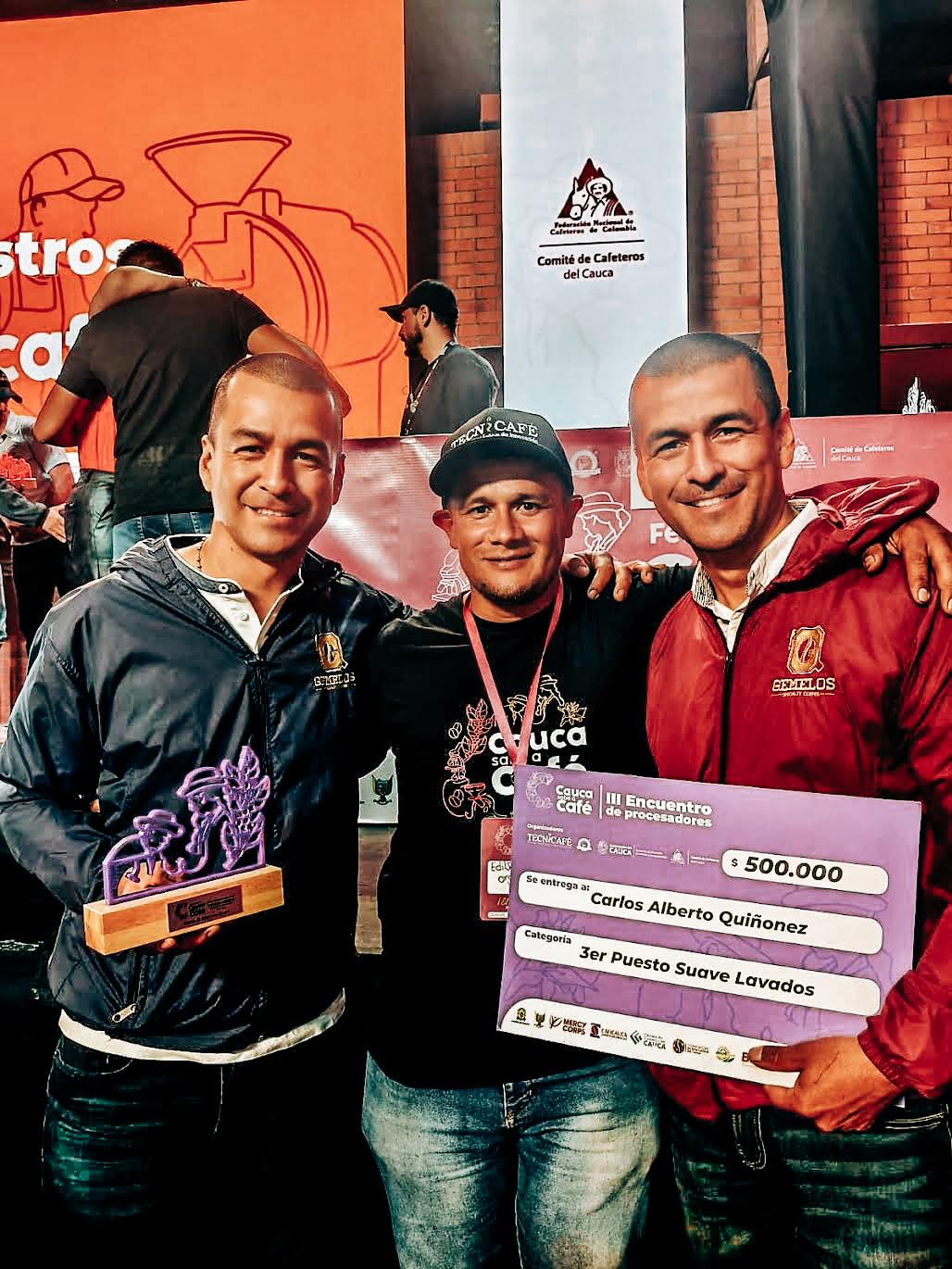
Edinson Argote’s story is one of resilience and determination. Orphaned at just three years old and raised by his sister in Huila, Colombia, Edinson left home at 11 to support himself, taking on work wherever he could. By 18, he joined the army, completing 18 months of service. Afterward, a chance job at a local coffee buying station in Acevedo sparked his passion for coffee. Loading and unloading coffee sacks turned into a fascination with cupping, and Edinson pursued courses to refine his sensory skills, beginning his journey into specialty coffee.

Eager to deepen his knowledge, Edinson worked on some of Cauca’s most innovative coffee farms, gaining hands-on experience and mentorship in quality control and processing. Rising to the role of head of quality and processing control, Edinson was grateful for the expertise he had gained but was driven by a greater ambition: to build something of his own. His vision was to establish a farm where he could combine his skills with a focus on producing exceptional coffee.

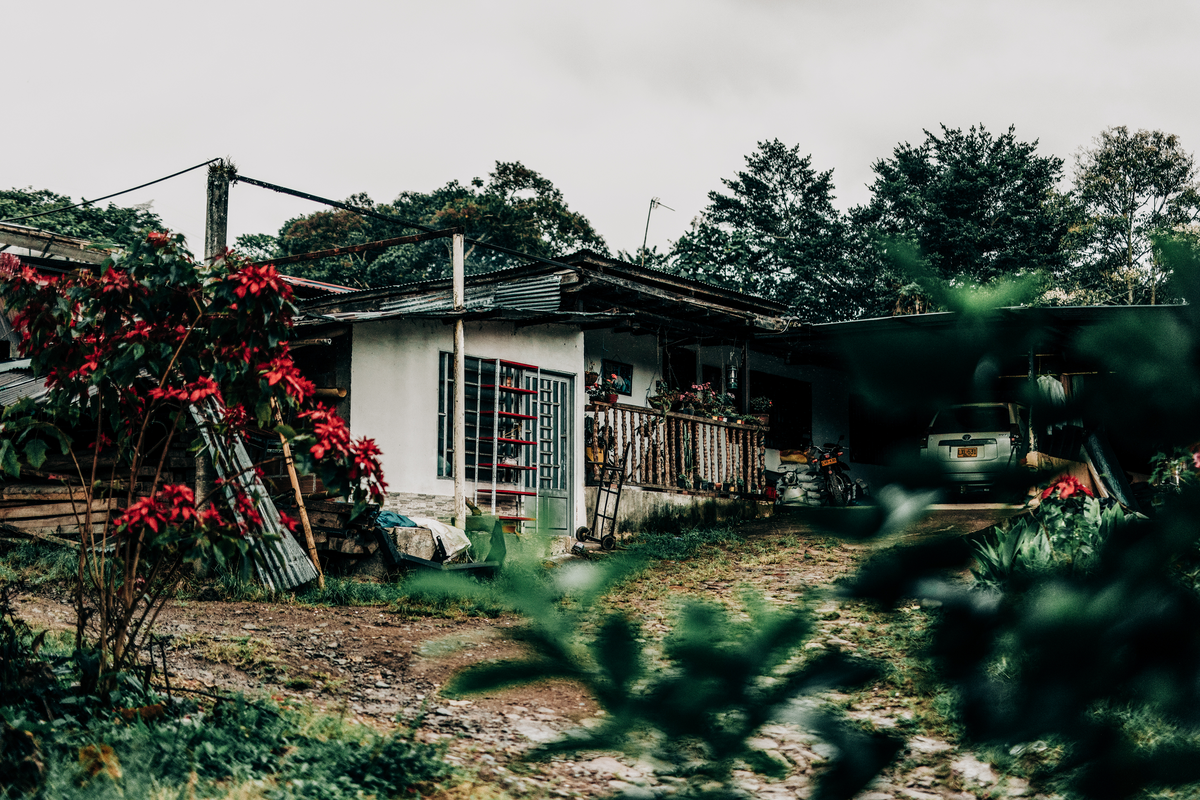
Today, Edinson runs Quebraditas Coffee Farm with his family, cultivating exotic varieties like Gesha, Bourbon Sidra, Ombligon, Eugenoids, Chiroso, and Laurina. His farm reflects not only his dedication to quality but also his innovative approach to coffee production. Edinson’s journey, shaped by hardship and fueled by ambition, is a testament to his commitment to crafting extraordinary coffee that stands out on the global stage.

From farm to our warehouse

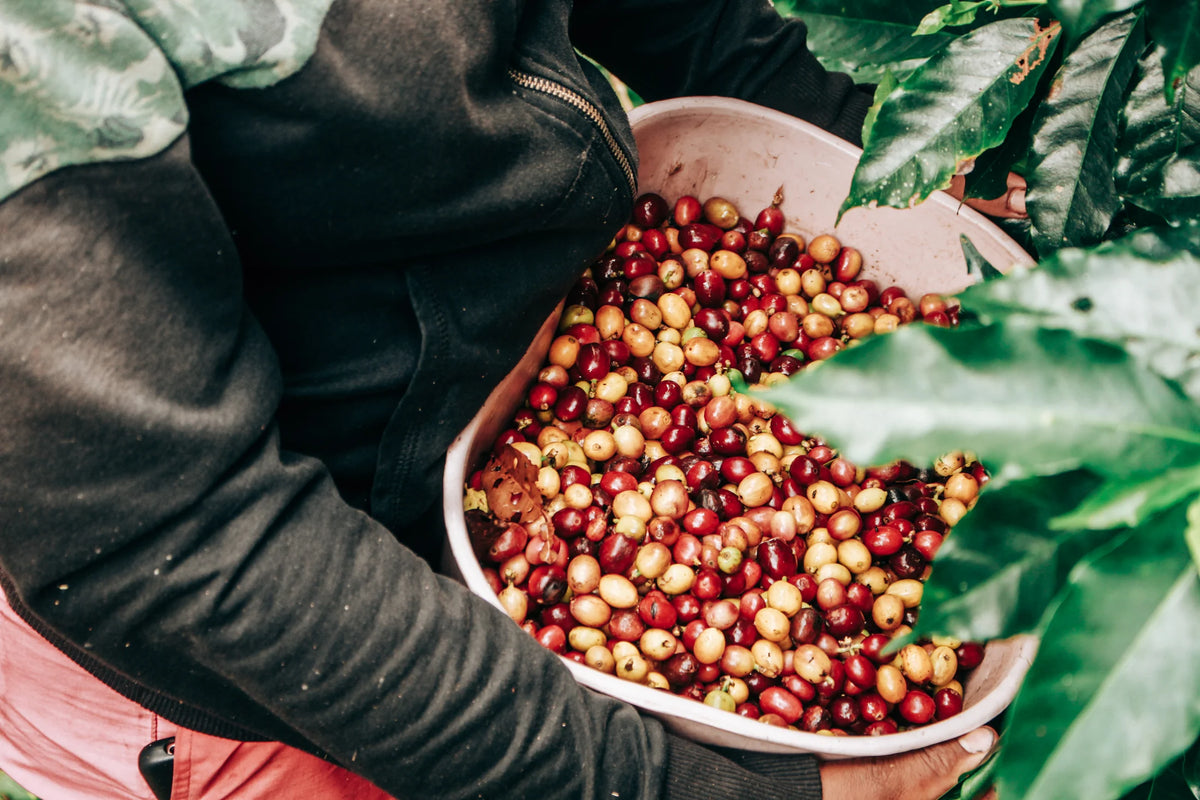
Colombian coffee is grown by around 540,000 families, and roughly 95% of producers farm less than 5 hectares. Most farmers process their own coffee: they hand-pick ripe cherry from steep Andean slopes, then pulp, ferment and dry it on the farm. They sell it as dried parchment, to cooperatives, private exporters or the National Federation of Coffee Growers (FNC), which has backed Colombian coffee since 1927. It’s milled and graded before export.

We buy Colombian coffee through four partners: Mi Café, Cata Export, Arcadia Coffee and Minga. They work closely with the farms they buy from, so we can usually name the producer, the farm and the variety on every lot.

Lots change from harvest to harvest. Colombia’s regions harvest at different times, so new lots arrive through the year rather than all at once. We’d rather buy what’s cupping best than repeat a name for the sake of it. If you liked a past lot, join the arrivals list and we’ll tell you what’s closest when new crop lands.

Colombian lots we've sourced

Every lot we've brought in, with our team's cupping score where we have one. A good guide to what next season's will be like.

Past lots on record
40
Average cup score (32 scored)
86.8
Highest
90.0 Edinson Argote Sidra Thermal Shock
Colombian lots we've sourced
Lot Region Process Crop Score
Edinson Argote Sidra Thermal ShockHoneysuckle, Pink Lemonade, Turkish Delight Quebraditas Farm, Huila Experimental 24/25 90.0
Quebraditas Bourbon Sidra Thermal ShockHoneysuckle, Pink Lemonade, Turkish Delight Quebraditas Farm, Huila Experimental 24/25 90.0
Wilton Benitez - Geisha P-06Violet, Tangerine La Macarena, Cauca Experimental 24/25 89.75
Wilton Benitez - Koji– – Extended Fermentation c. 23/24 89.0
La Cascada– – Anaerobic c. 22/23 88.75
Wilton Benitez - JavaCustard, Rhubarb, Apple Crumble – Extended Fermentation c. 23/24 88.75
Wilton Benitez | Yellow Typica WashedTropical Fruit, Lavendar, Cream Cauca Washed 23/24 88.25
Caturra - J01Buttery, Cream, Vanilla Amalfi, Antioquia Thermal Shock 23/24 88.0
Wilton Benitez - Yellow Typica– – Extended Fermentation c. 23/24 88.0
Wilton Benitez | Striped Bourbon WashedCitrus, Lemon, Lime Cauca Washed 23/24 88.0
El Jaragual - J10– – Thermal Shock c. 23/24 87.75
El Jaragual Caturra-Colombia BlendPeach, Black Cherry, Red Apple El Jaragual Experimental 23/24 87.75
La Estrilla NaturalPineapple, Panela, Caramel Montalvo, Tolima Experimental 24/25 87.5
Cielo Rivera Devia - Washed F8 ColombiaPassion Fruit, Melon El Paraiso, Tolima Washed 23/24 87.0
Hervey & Rocio Cuellar GeishaJasmine, Honey, Plums Huila Washed 24/25 87.0
Jorge Mira - Yellow BourbonRaspberry Yogurt, Marshmallow, Cranberry Antioquia Experimental c. 24/25 87.0
Wilton Benitez - Castillo Regional– – Extended Fermentation c. 23/24 87.0
Zarza | Silvia Valderama Estate LaurelesMango, Lime, Milk Choclate San Antonio del Tequendama Washed 23/24 87.0
Las Vegas HoneyPapaya, Red Apple, Cocoa Montalvo, Tolima Honey 23/24 86.75
Wilton Benitez | Chiroso NaturalNougat, Vanilla, Berry Cauca Natural 23/24 86.75
ChocolocoDark Chocolate, Banana, Winey Huila Natural 24/25 86.25
Henry Bonilla - Washed GeishaJasmin, Lime, Chocolate El Pital, Las Merceded Washed 2023 86.25
Jorge Mira - ColombiaMaple Syrup, Dried Dates, Raisin Antioquia Experimental c. 24/25 86.25
Cata Blend– – Washed c. 22/23 86.0
Wilton Benitez - 01 Castillo DecafHaribo, Strawberry Jam, Milk Chocolate Cauca Experimental 24/25 86.0
Alianza Verde | Planadas TolimaChocolate, Caramel, Citrus Planadas, Tolima Washed 23/24 85.75
Planadas Community– – Washed c. 22/23 85.25
Jonathan GascaMilk Chocolate, Roasted Almond, Stone Fruit Bruselas, Huila Washed 23/24 85.0
Salado Blanco | Semi WashedMandarin, Citrus Salado Blanca, Huila Washed 22/23 85.0
Organic TolimaChocolate, Panela, Caramel Planadas, Tolima Natural 24/25 84.25
Johan Gasca Washed Dry FermentBerries, Black Tea, Chocolate Bruselas, Huila Washed 22/23 81.0
Colombia Decaf– – Washed c. 22/23 80.0
Alirio Galindez– – Washed c. 22/23 N/A
Daniela Duque– – Natural c. 22/23 N/A
Johan Gasca Geisha– – Washed c. 22/23 N/A
Omar Guzman– – Washed c. 22/23 N/A
Paola Trujillo– – Washed c. 22/23 N/A
Wilton Benitez Castillo– – Anaerobic c. 22/23 N/A
Wilton Benitez Colombia– – Anaerobic c. 22/23 N/A
Yenni Esperanza | DecafLemongrass, Tea, Rose Cauca, Tambo Anaerobic 22/23 N/A

When to buy Colombian green coffee

Fresh-crop Colombian lots arrive months after the harvest ends. Buy on arrival for the brightest cup.

Buying Colombian coffee in volume

From a first sample bag to a container, without the import paperwork.

0.5 – 5KG Sample and small batch Open to everyone. Most lots offer a sample size so you can cup before committing.Shop in-stock lots →
10 – 20KG Wholesale account Approved roasters see 10kg and 20kg sizes and trade pricing when signed in.Apply for wholesale →
FULL SACKS & CONTAINERS Through our import partners Sacks, pallets and full containers from the importers we buy Colombian coffee from. Cata ExportMi CafeMingaArcadia

Roasting Colombian coffee

Classic washed Colombians are dense, high-grown beans, so they need steady heat to reach the core. They can take a confident charge and won’t scorch as easily as smaller, softer beans. Keep the energy up through drying, then ease off as you approach first crack so the roast doesn’t stall or rush. Most roasters aim for a medium roast, which balances bright citrus and red fruit with caramel and chocolate sweetness. Take it a little darker for espresso and milk drinks, or lighter for a cleaner, juicier filter.

Experimental lots behave differently. Anaerobic, carbonic maceration and co-fermented coffees hold more sugars and organic acids, and their moisture and density can vary from lot to lot. It’s worth checking both before you roast. Start with a lower charge and steady heat through drying to avoid scorching. Then give the browning phase plenty of time, roughly a third of the roast, to build sweetness. Watch closely for first crack, which often arrives earlier than with washed coffee. Keep development short: as a starting point, aim for around 13–17% of total roast time.

Never roasted coffee before? These are raw, unroasted beans – they need roasting before you can brew them. It's easier than it sounds.

Colombian green coffee FAQs

What does Colombian coffee taste like?

Classic washed Colombians are bright and sweet, with red fruit, citrus and a chocolatey, caramel-like finish. They’re balanced enough for espresso and clean enough for filter. Experimental lots and newer varieties like Pink Bourbon push into florals, tropical fruit and more intense sweetness.

What’s the difference between Huila, Antioquia, Tolima and Cauca coffee?

Huila is Colombia’s largest coffee region, known for bright, sweet lots and lots of experimental processing. Antioquia leans balanced and chocolatey. Tolima’s coffees are known for crisp, apple-like acidity and stone fruit. Cauca’s high plateaus produce citrusy, sweet coffees with a fuller body.

What do Supremo and Excelso mean?

They’re Colombian export grades based on bean size, not cup quality. Supremo beans are the largest, at screen size 17 and above. Excelso is slightly smaller, mostly screen 15 to 16. Specialty lots are usually sold by farm, variety and cup score instead.

What is experimentally processed Colombian coffee?

It’s coffee fermented in controlled ways beyond the standard washed process, such as anaerobic fermentation in sealed tanks, thermal shock, carbonic maceration or co-fermentation. These methods create bolder, fruitier and sometimes winey flavours, and Colombian producers are among the most active in the world at developing them.

How do you roast Colombian green coffee beans?

Washed Colombians are dense, so they handle steady, confident heat well and suit a medium roast. Experimental lots need a gentler approach: a lower charge, plenty of time in browning and short development, to keep their fruit-forward character.