Natural Process Green Coffee Beans
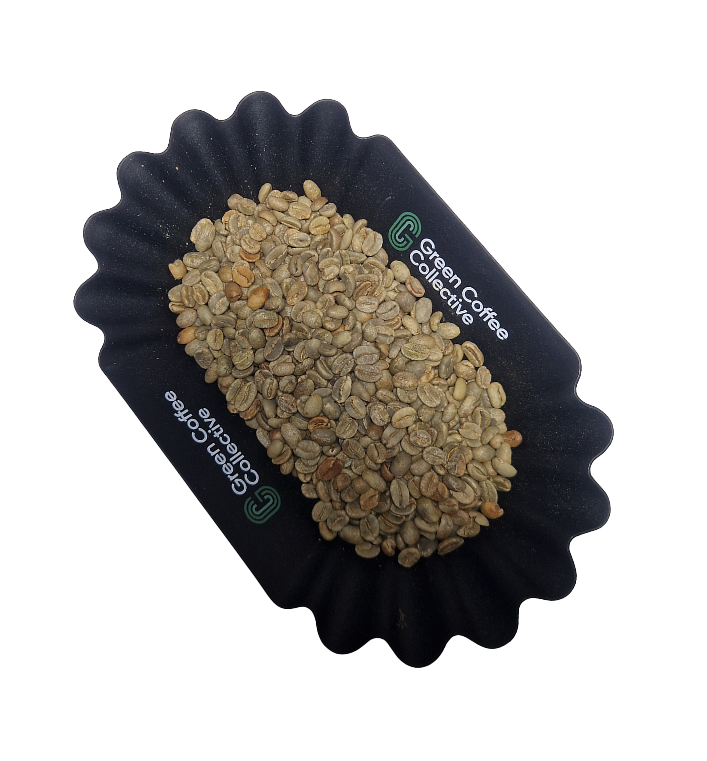
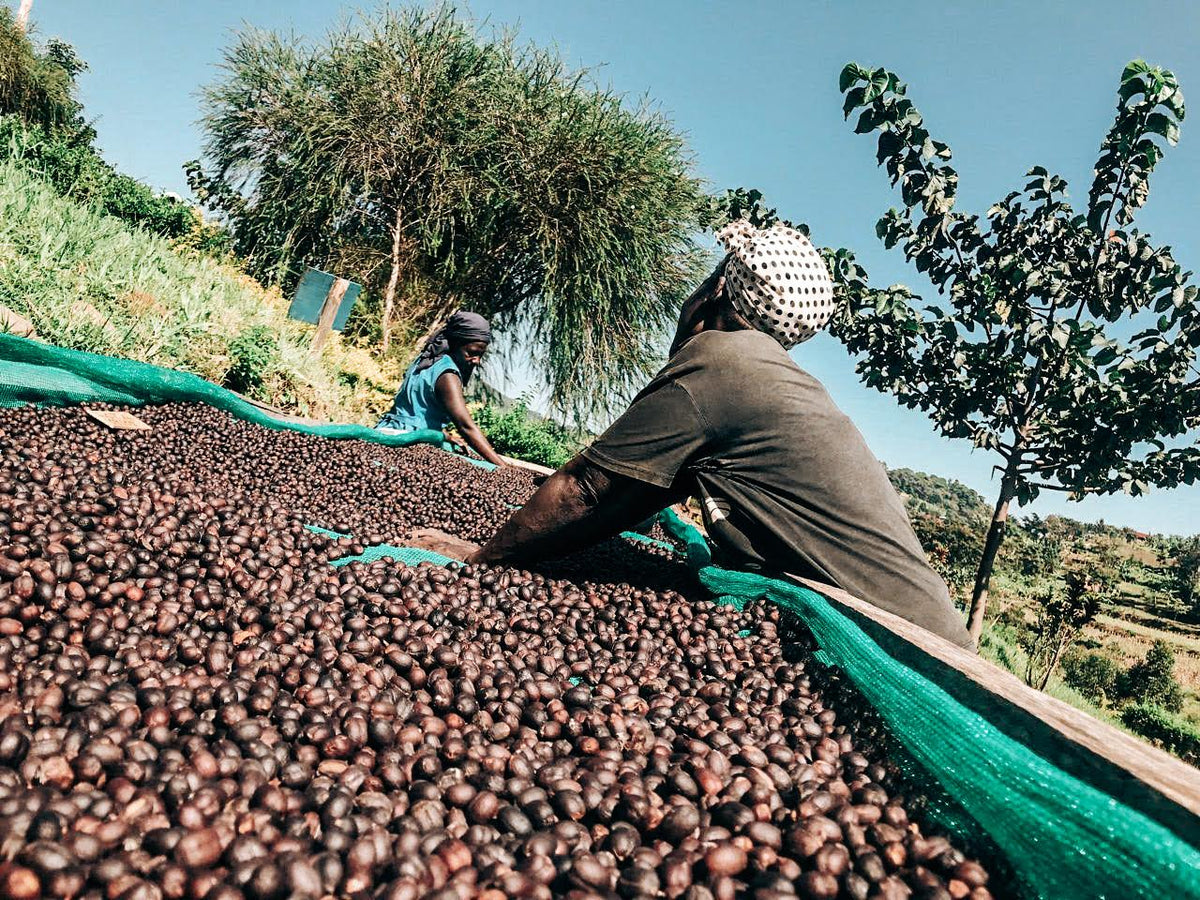
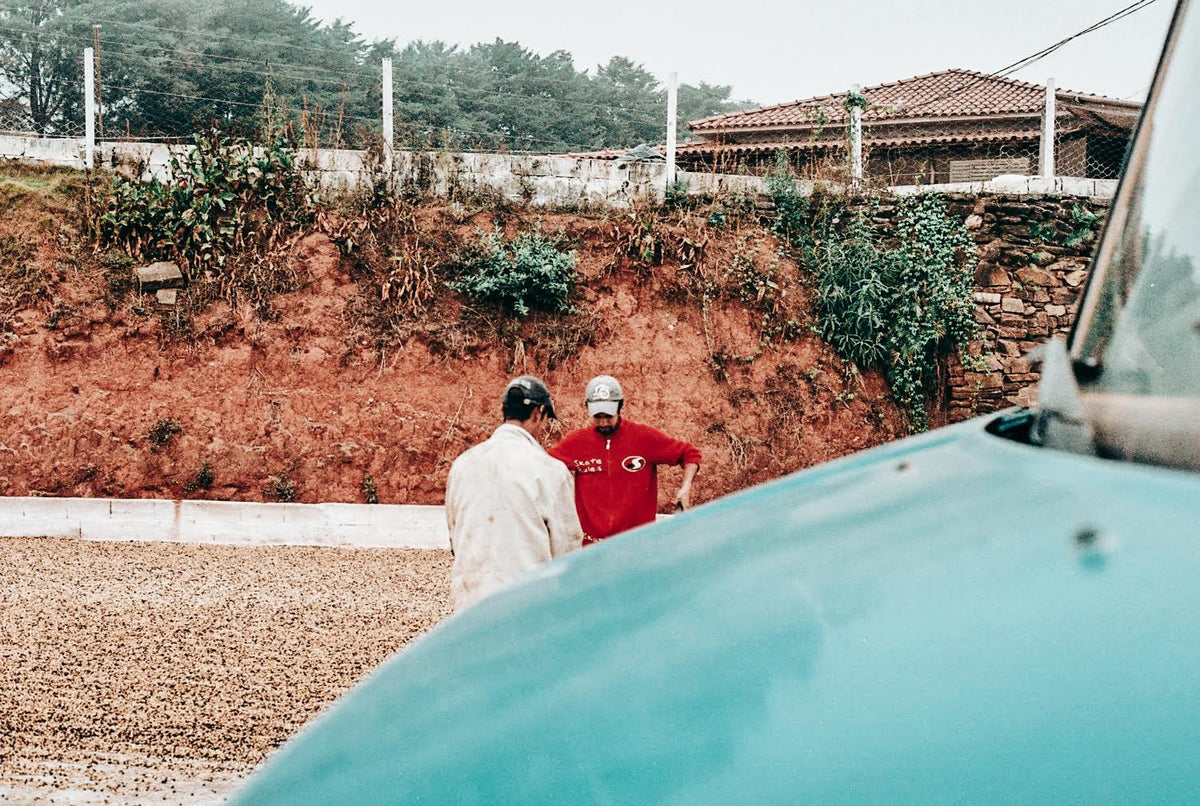
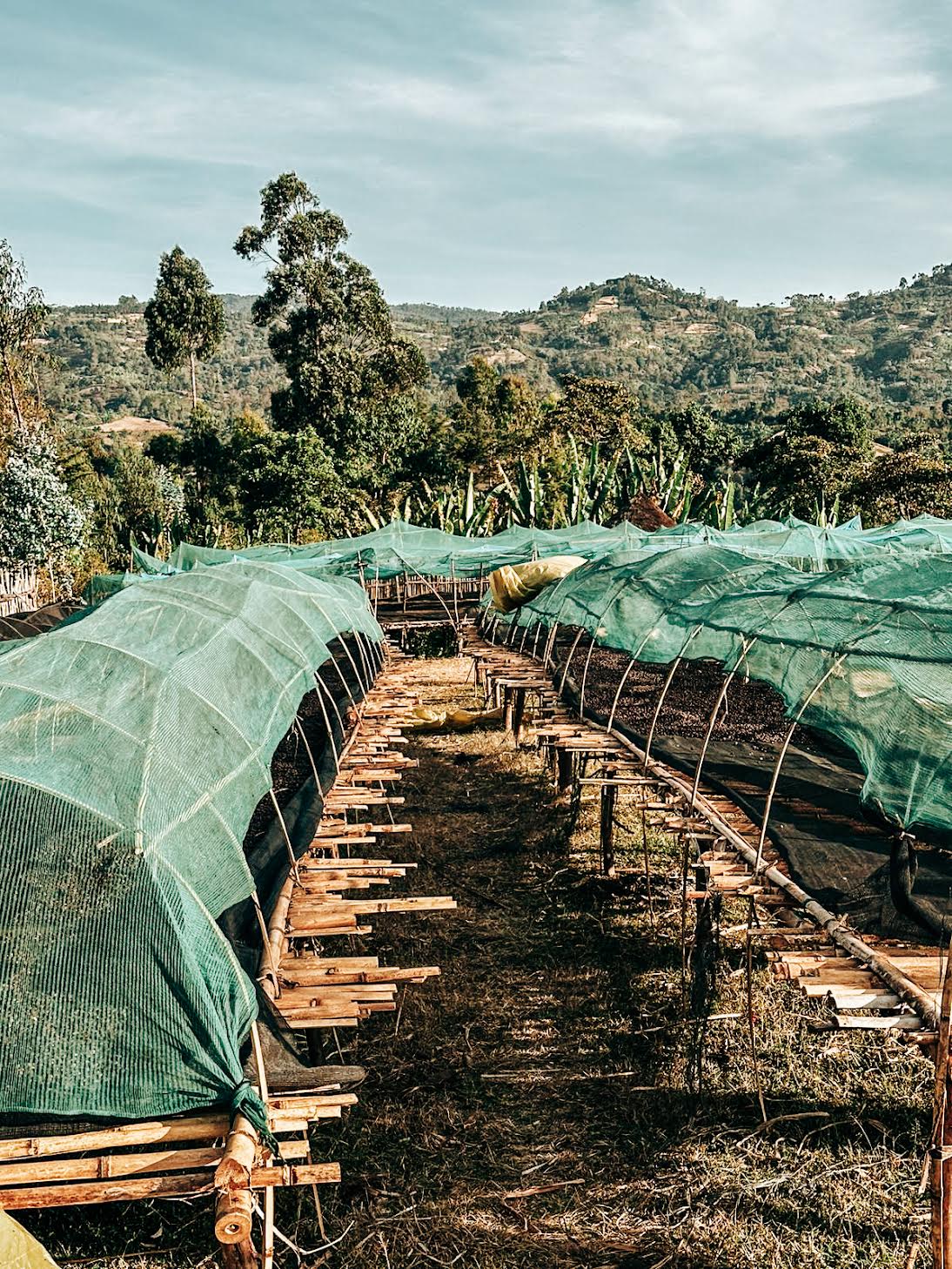
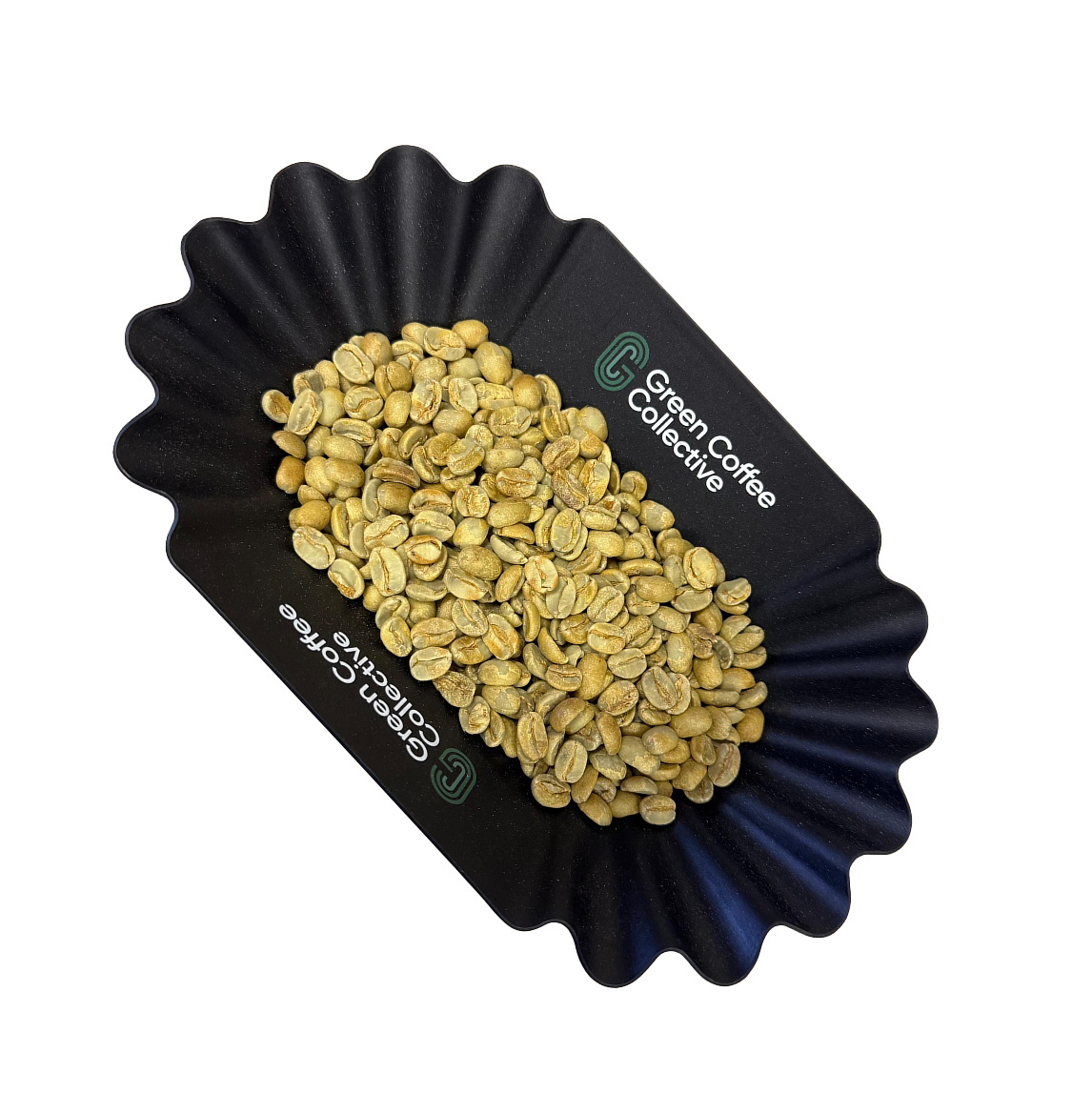
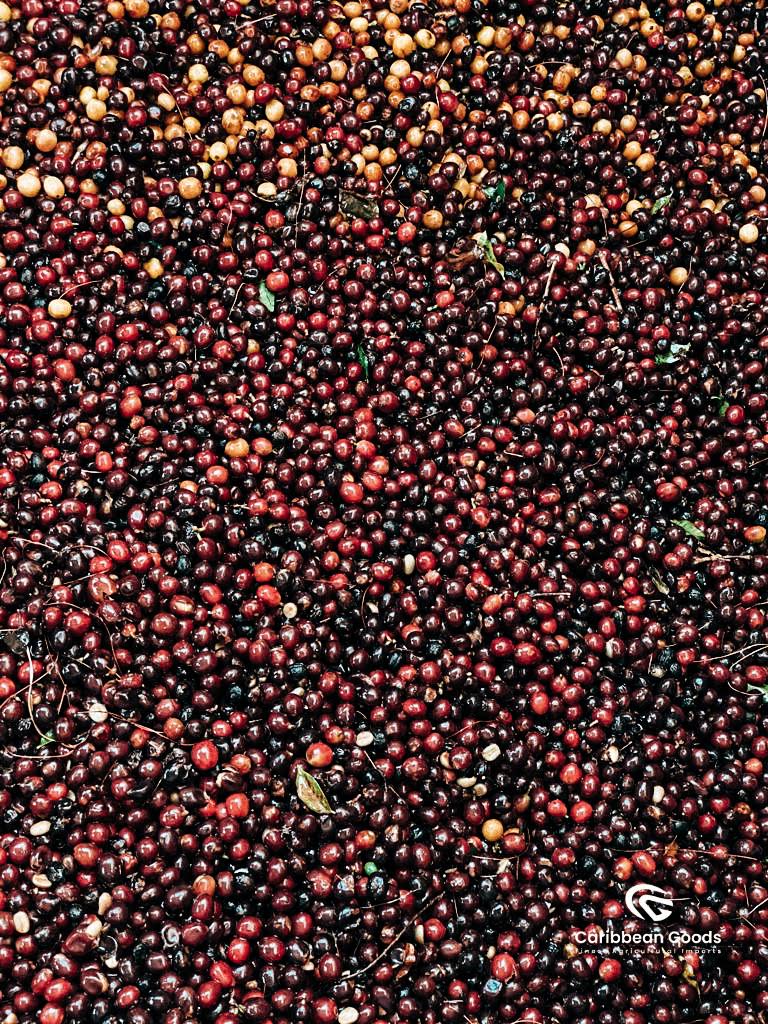
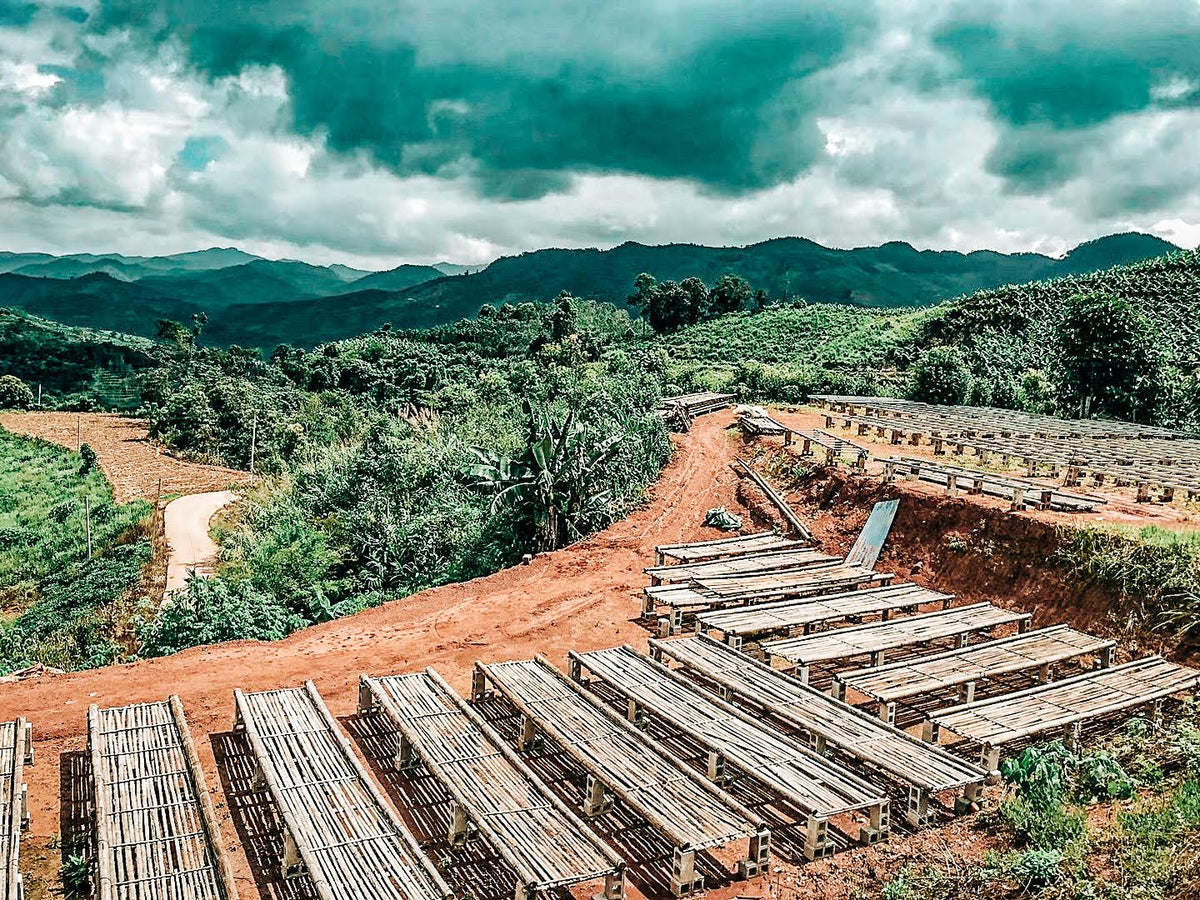
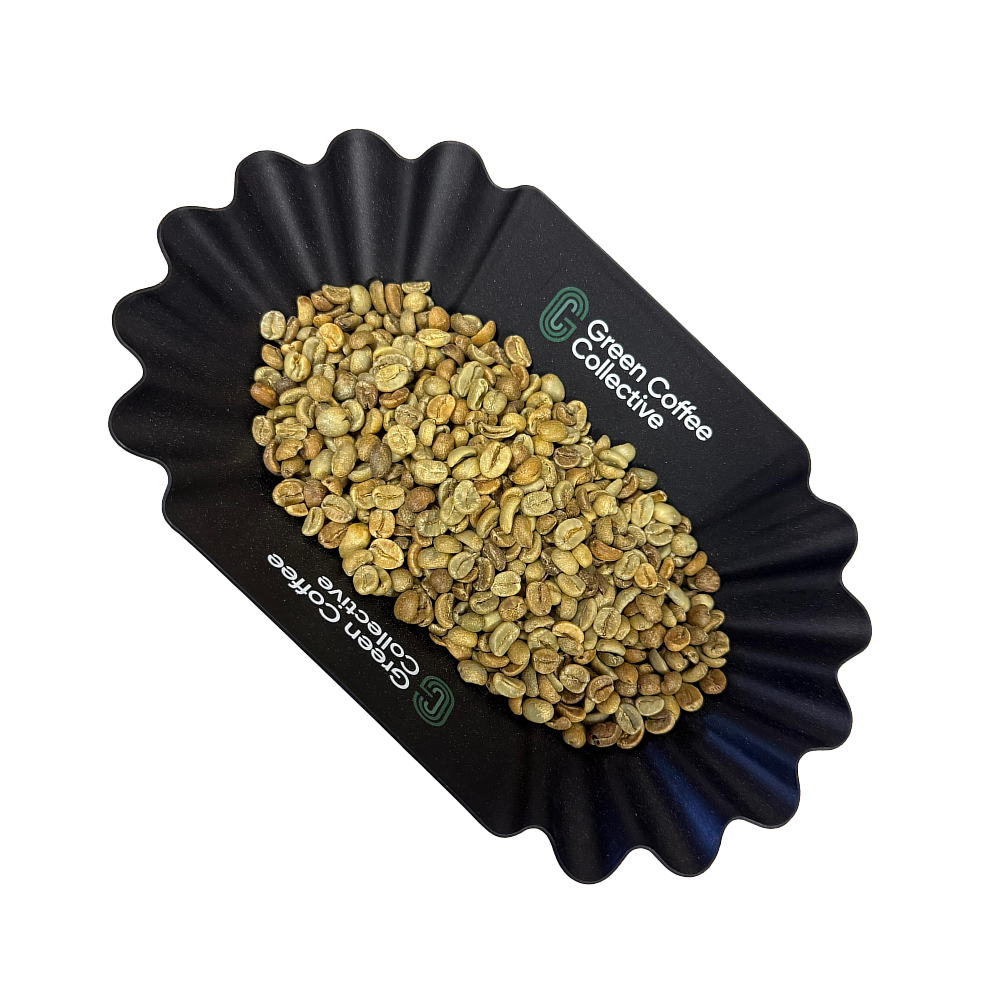
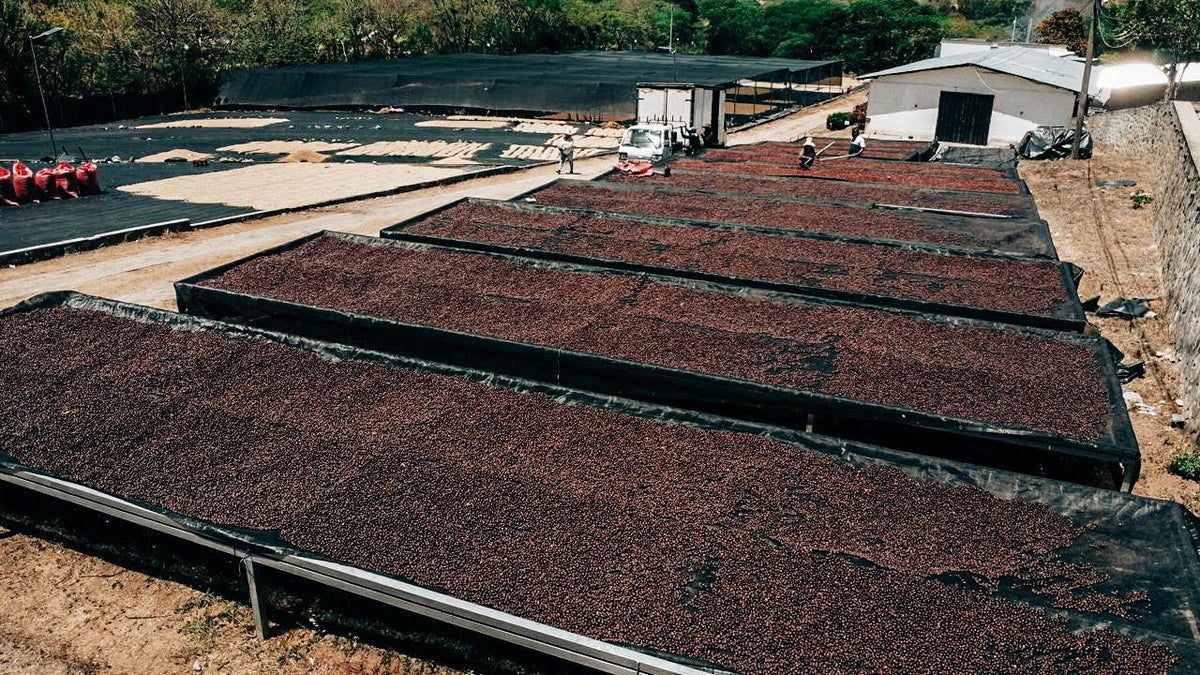
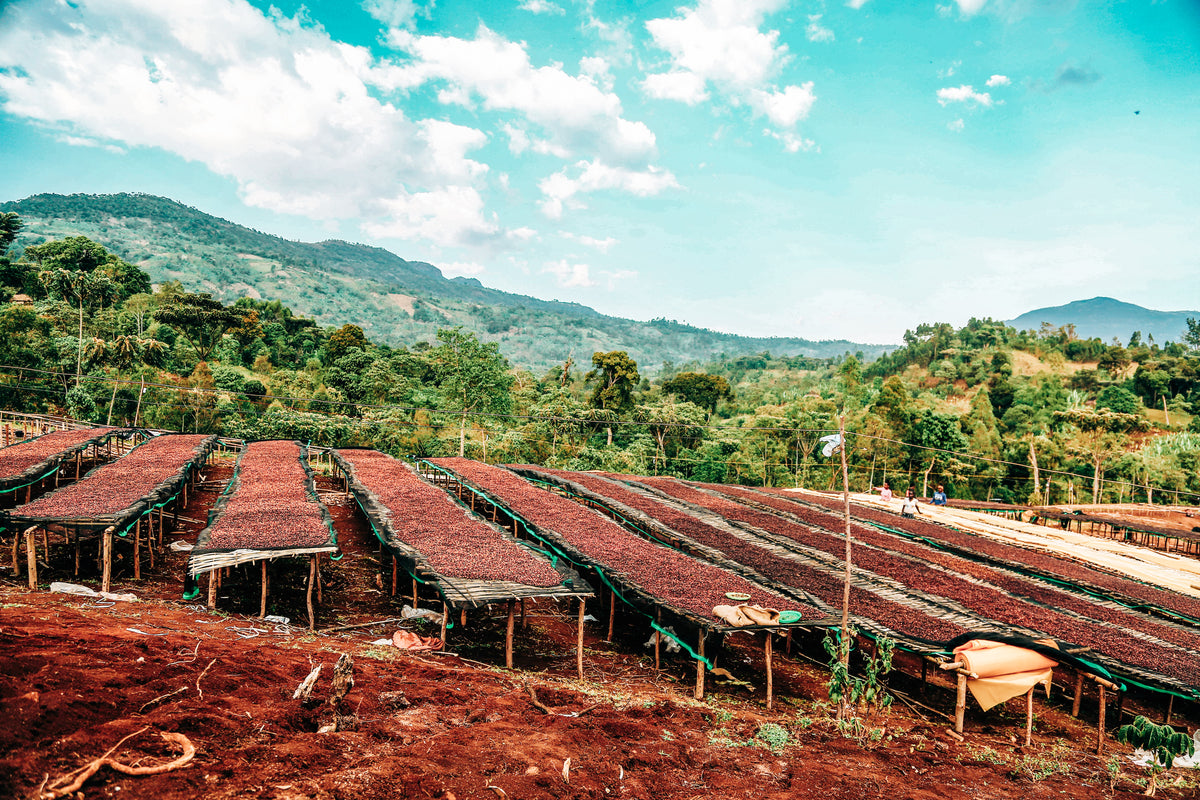
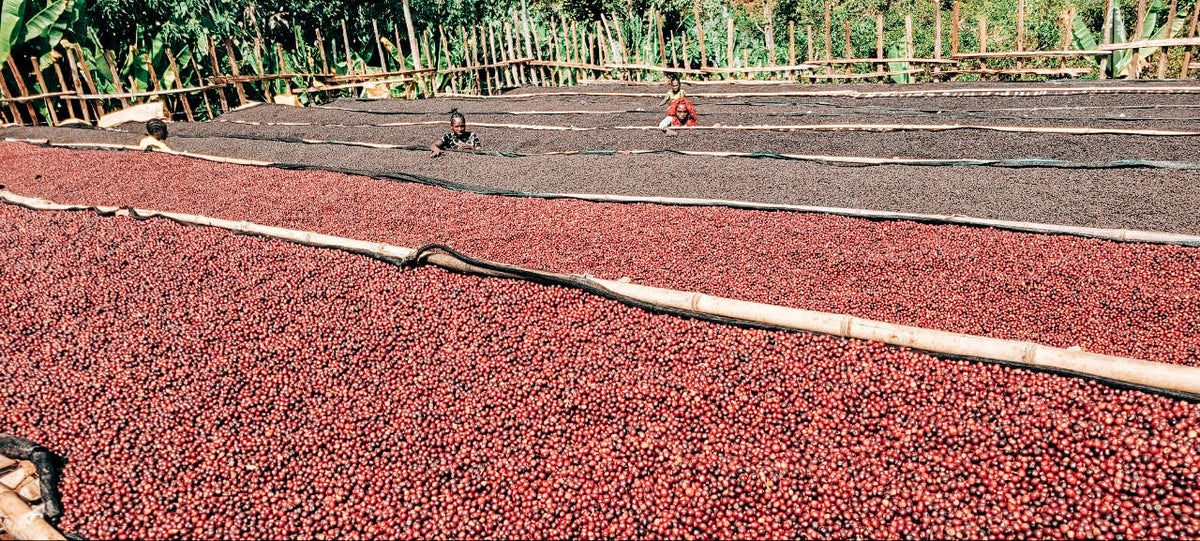
Unroasted natural process green coffee for roasters. Naturals are dried whole in the cherry for several weeks, so the fruit has time to shape the bean: expect more body, sweetness and fruit than a washed lot, from chocolate-and-nut Brazilians to berry-heavy Ethiopians. Buy from 0.5kg with samples on most lots – for the classic espresso-base natural, start with our Brazilian green coffee beans. Looking for roasted coffee? These are raw beans you roast yourself – here's how to start.
-
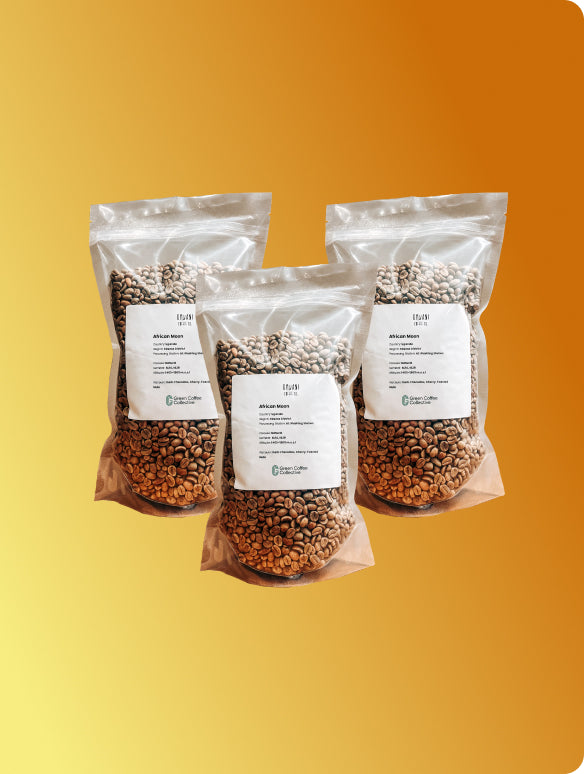
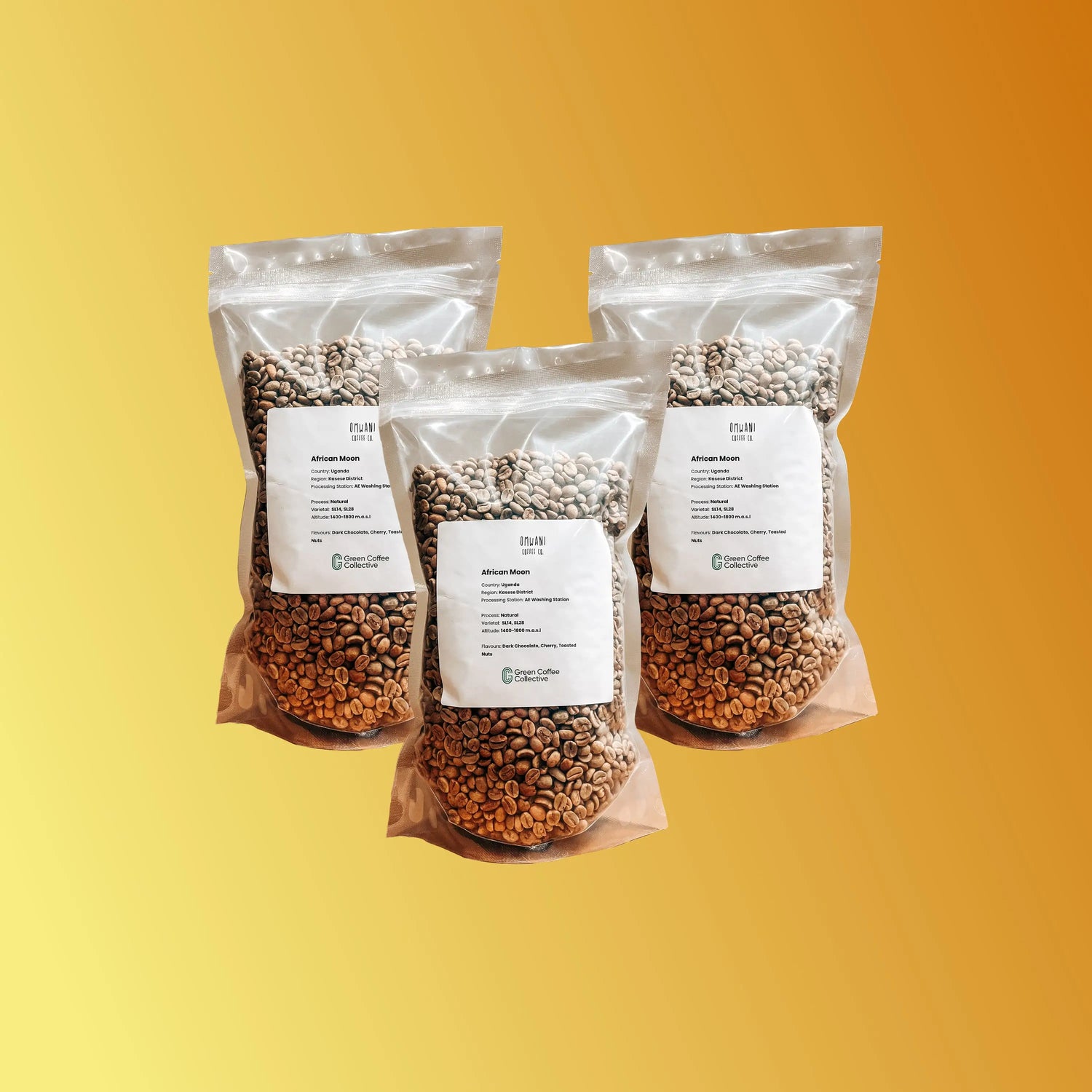
African Moon
Cupping Score83.75Processing MethodVarietalSL 14, SL 28Main Flavour NotesDark Chocolate | Brown Sugar | Pecan | Cashew | PlumIn stock- 10 -
Kwezi Natural - Drugar Premium
Cupping Score85.0Processing MethodVarietalSL 14Main Flavour NotesFruity | Nutty | Honey | ChocolateOut of stock -
Ciasu Peaberry Field Blend
Cupping Score85.0Processing MethodVarietalCatucai, Mundo Novo, AcaiáMain Flavour NotesOrange | Molasses | Juicy | NegroniOut of stock -
Natural Andrea Costa
Cupping Score83.0Processing MethodVarietalRed CatuaiMain Flavour NotesWalnut | CocoaOut of stock -
Sitio Baixao da Serra - Natural Brazil
Cupping Score83.25Processing MethodVarietalCatucaiMain Flavour NotesHoney | Almond | Dark Chocolate | Plum | CherryLow stock- 1 -
Brazil NY 2/3 Scr. 14/16 Natural
Cupping Score80.25Processing MethodVarietalBourbon, Catimor, Catuai, Caturra, Mundo NovoMain Flavour NotesNut | Earthy | CedarOut of stock -
Brazil – Green Coffee Beans for Home Roasting (500g)
Processing MethodMain Flavour NotesNaturally Sweet | Nutty -
Mitiku Yabato Natural
Cupping Score87.75Processing MethodVarietal74158, 74110, Local Land RacesMain Flavour NotesBlueberry | Creamy | UmamiOut of stock -
Bekele Balaycho Natural
Cupping Score87.75Processing MethodVarietalLandraceMain Flavour NotesBlackberry | Brown SugarOut of stock -
Rotutu Natural
Cupping Score86.0Processing MethodVarietalTimor Hybrid, TypicaMain Flavour NotesTropical Fruit | WineyOut of stock -
Niguse Jilo Natural
Cupping Score88.75Processing MethodVarietalKurumeMain Flavour NotesBlackberry | Hibiscus | FloralOut of stock -
Nimbus Pink Bourbon Decaf
Cupping Score86.0Processing MethodVarietalPink BourbonMain Flavour NotesPapaya | Blueberry Compote | SherryOut of stock -
-
Burundi Businde Natural
Cupping Score86.0Processing MethodVarietalRed BourbonMain Flavour NotesVanilla | Marmalade | Toasted CoconutOut of stock -
Nuevo Vergel | Maragogype Natural
Cupping Score87.0Processing MethodVarietalRed MaragogypeMain Flavour NotesStrawberry | Caramel | MandarinOut of stock -
Brazil Vila Boa Yellow Bourbon Natural Carbon Neutral
Cupping Score80.0Processing MethodVarietalYellow BourbonIn stock- 8 -
Huehuetepan Natural Anaerobic
Cupping Score87.0Processing MethodVarietalTypicaMain Flavour NotesRipe Cherry | Plum | BananaOut of stock -
Equatoria Coffee Excelsa Anaerobic
Cupping Score82.25Processing MethodVarietalCoffea Liberica var. DewevreiMain Flavour NotesChamomile | Green Apple | Honey | PecanOut of stock -
ALKO Kerinci Natural
Cupping Score86.0Processing MethodVarietalAndung Sari, Sigarar UtangMain Flavour NotesBerry | Peach | Maple Syrup | HoneyOut of stock -
Marco Romero | Bourbon Natural
Cupping Score86.5Processing MethodVarietalRed BourbonMain Flavour NotesRed Fruits | Strawberry | Plum | Hazelnut | SilkyOut of stock -
El Socorro - Natural Pacamara
Cupping Score86.0Processing MethodVarietalPacamaraMain Flavour NotesNectarine | Honey | MelonOut of stock -
Natural Marsellesa AB
Cupping Score84.5Processing MethodVarietalMarsellesaMain Flavour NotesMolasses | Cola | Bold | Mellow AcidityOut of stock -
Amatillo Bourbon Catuai
Cupping Score89.25Processing MethodVarietalCatuai, BourbonMain Flavour NotesRaspberry Compote | Black Grape | Lime | Red CurrantOut of stock -
Natural Marsellesa C
Cupping Score84.5Processing MethodVarietalMarsellesaMain Flavour NotesCacao Nibs | Honey | Dry FruitOut of stock -
Gui Ben Natural
Cupping Score85.75Processing MethodVarietalCatimor (P3 / P4)Main Flavour NotesGrape Jelly | Kumquat | Cacao NibsOut of stock -
Zarza Natural Geisha
Cupping Score88.25Processing MethodVarietalGeishaMain Flavour NotesOrange Marmalade | Lemongrass | Pink PeppercornOut of stock -
Equatoria Coffee Natural Robusta
Cupping Score80.25Processing MethodVarietalRobustaMain Flavour NotesCocoa | Leather | WalnutOut of stock -
Natural Cipaganti West Java
Cupping Score81.25Processing MethodVarietalTypica, Line SMain Flavour NotesMilk Chocolate | GrapefruitOut of stock -
Aragash Gelcha Natural
Cupping Score87.75Processing MethodVarietal74110, KurumeMain Flavour NotesMarzipan | Melon | Plum | FloralOut of stock -
Martha Alvir Red Catuai Natural
Cupping Score86.0Processing MethodVarietalRed CatuaiMain Flavour NotesBlack Cherries | SyrupyOut of stock -
Kirunga Lot 3
Cupping Score87.0Processing MethodVarietalRed BourbonMain Flavour NotesBlueberry | Strawberry | Tropical Fruit | Umami | VioletOut of stock -
Out of stock
-
DBarbosa Caramelo - Natural Brazil
Cupping Score84.25Processing MethodVarietalTopázioMain Flavour NotesHazelnut | Walnuts | Caramel | Dulce De LecheIn stock- 59 -
Zarza Pacamara Natural + Thermal Shock Decaf
Cupping Score85.0Processing MethodVarietalPacamaraMain Flavour Notes70% Cacao | Black Tea | WineyIn stock- 5 -
African - Green Coffee Beans for Home Roasting (500g)
Processing MethodMain Flavour NotesBright | Clean | Fruity -
Ugandan Natural - African Moon
Cupping Score83.75Processing MethodVarietalSL 14, SL 28Main Flavour NotesDark Chocolate | Brown Sugar | Pecan | Cashew | Plum -
Brazil Natural Staple Subscription
Processing MethodVarietalMultipleMain Flavour NotesChocolatey | Nutty | Caramel -
Brazil Natural - Sitio Baixao da Serra
Cupping Score83.0Processing MethodVarietalRed CatuaiMain Flavour NotesWalnut | Cocoa -
Banka Natural
Cupping Score85.25Processing MethodVarietalCatimor (P3 / P4)Main Flavour NotesCherry Compote | Milk Chocolate | CaramelOut of stock -
Decaf C02 Brazil Carbonic Natural
Processing MethodVarietalMundo Novo, Catuai, BourbonMain Flavour NotesSlight Citrus | Caramel | ChocolateOut of stock -
Faustino Flores - Natural Marshell
Cupping Score87.5Processing MethodVarietalMarshellMain Flavour NotesBlueberry | Citrus Fruits | CreamyIn stock- 3 -
East African Natural Staple Subscription
Processing MethodVarietalMultipleMain Flavour NotesRed Berry | Fruity | Syrupy SweetnessView OptionsRegular price €93,95 -
Eulices Fabian Quilindo Natural Pink Bourbon
Cupping Score87.58Processing MethodVarietalPink BourbonMain Flavour NotesBlackberries | Grape | CocoaLow stock- 3



















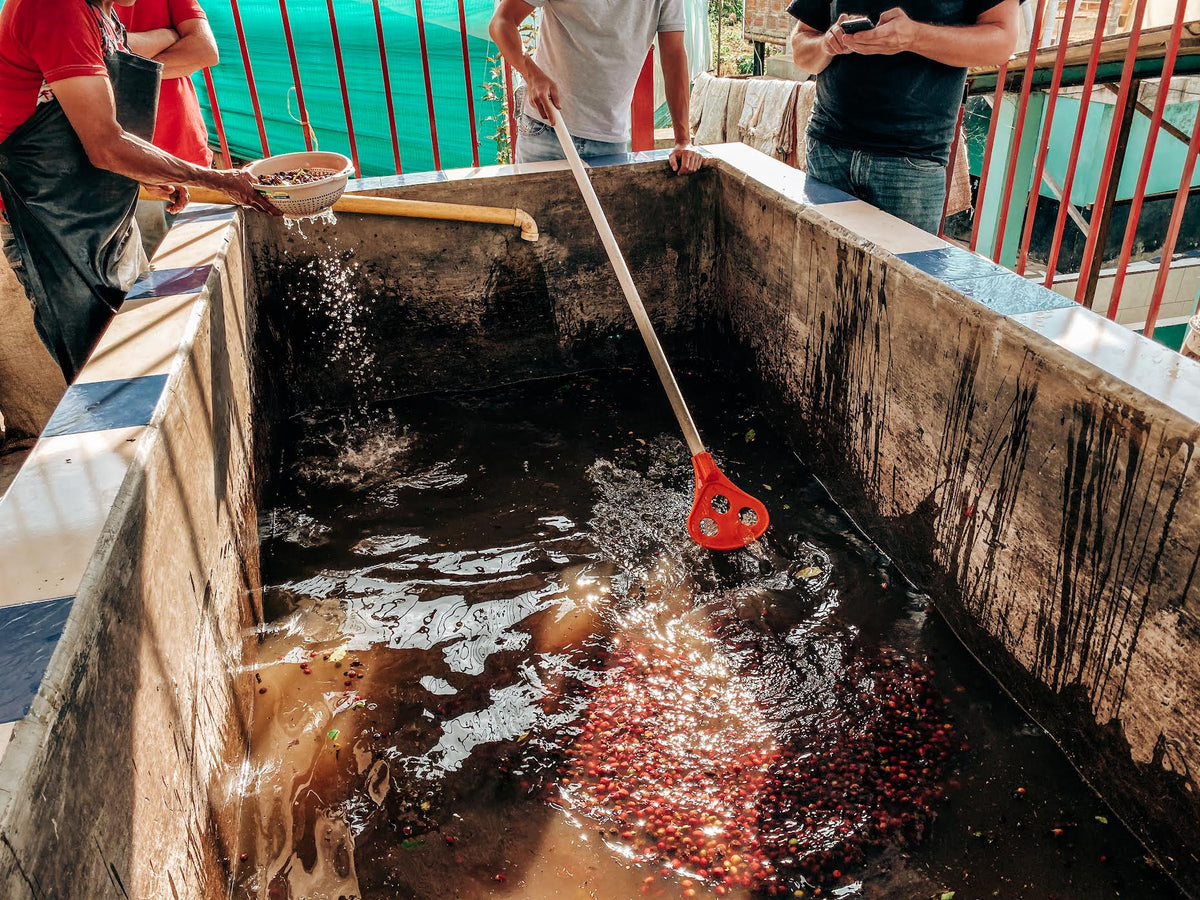




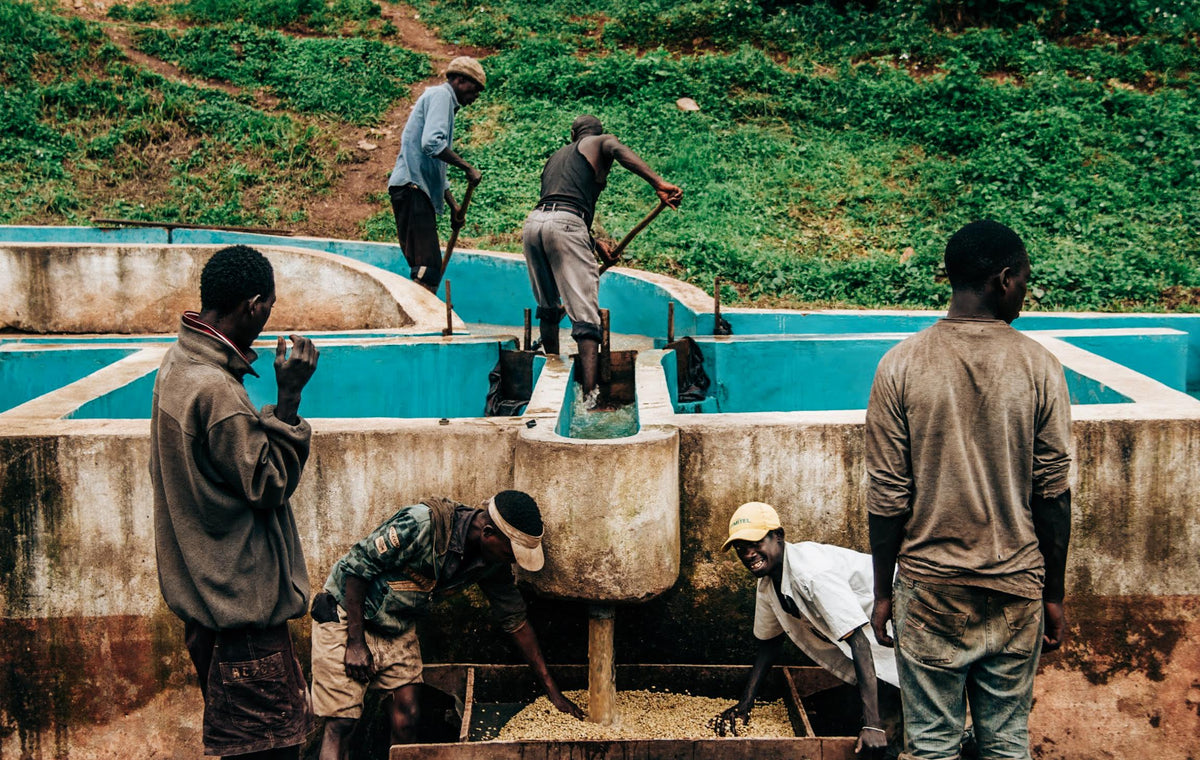
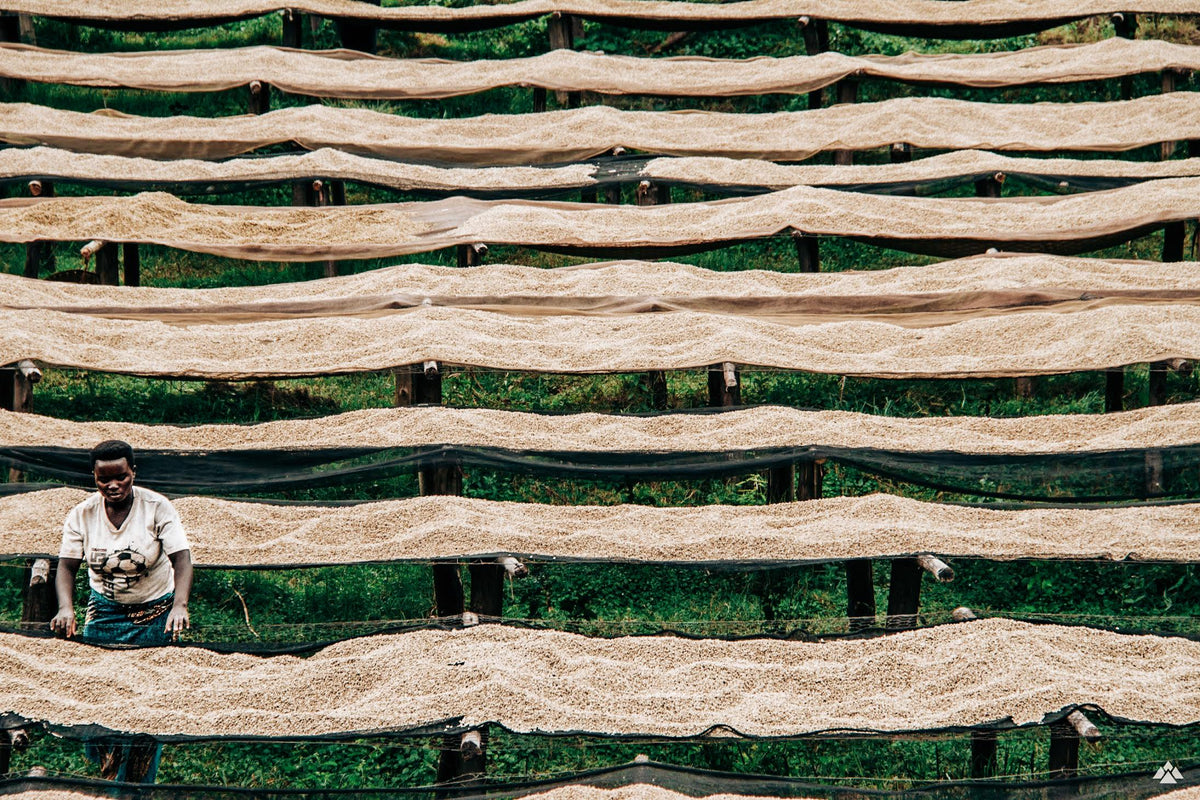


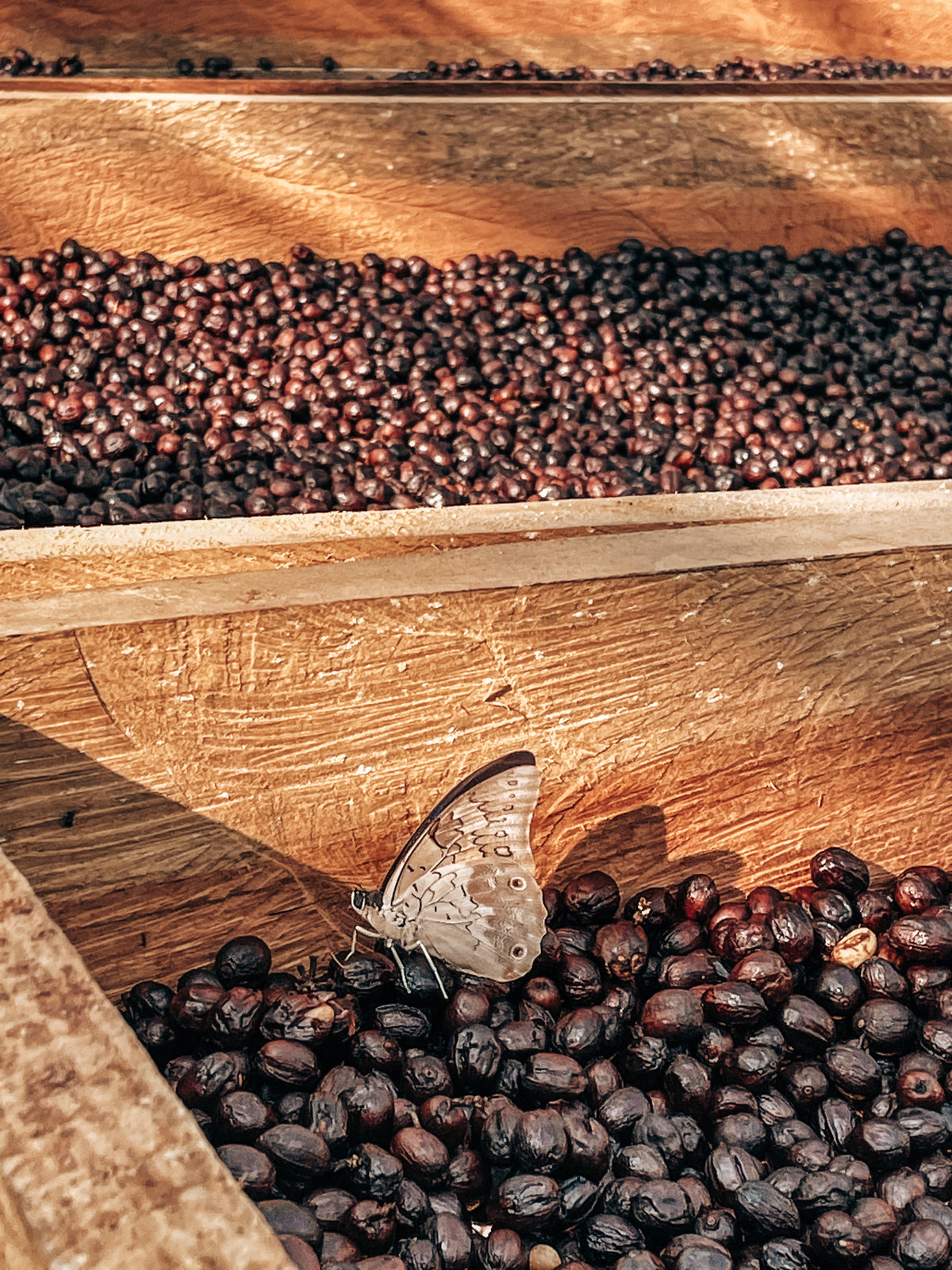







































Your guide to Natural Process Green Coffee Beans
-
How natural processing works
-
Roasting natural green coffee
-
Natural vs washed and honey
-
Origins in our natural range