Rare & Special Green Coffee Beans
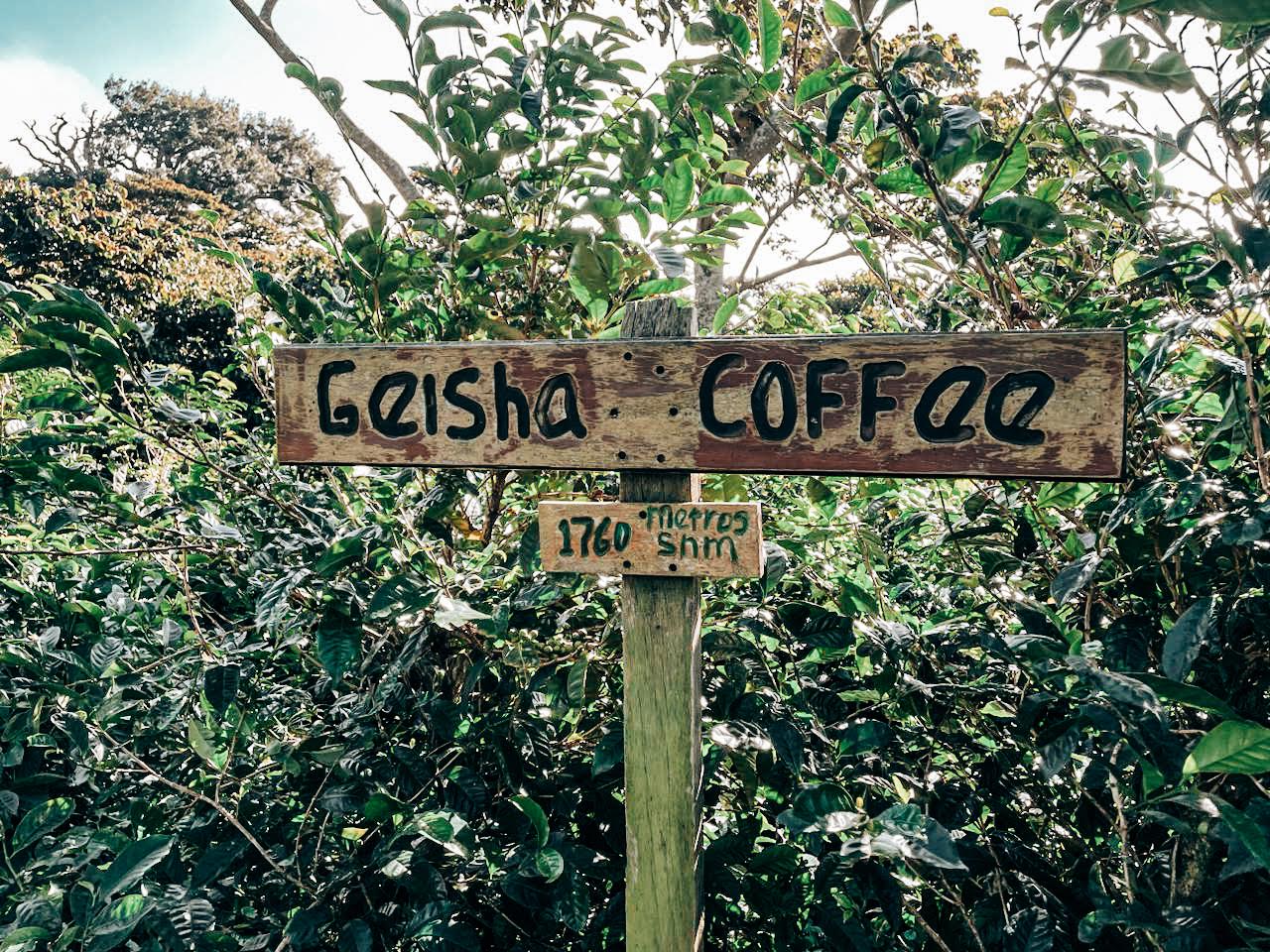
Unroasted green coffee you won't find on most lists. Our rare and special coffees are rare for a reason you can name: an unusual species such as Racemosa or Excelsa, a scarce variety like Geisha, Laurina, Pink Bourbon or Maragogype, an origin few roasters see, such as South Sudan or the Philippines, or processing that pushes the cup somewhere new – co-ferments, thermal shock and yeast inoculation from producers like Edinson Argote and Wilton Benitez. Quantities are small, so every lot is available from 0.5kg, with samples on most – and for lots built for the cupping table, see our competition green coffee. Looking for roasted coffee? Everything here is raw – here's how to start roasting.
-
Kenya Orange CoFerment
Cupping Score86.0Processing MethodVarietalBatian, Ruiru 11Main Flavour NotesCaramel | Orange | PecanOut of stock -
WBP-00 Wilton Benitez Castillo
Cupping Score86.0Processing MethodVarietalCastilloMain Flavour NotesHaribo Gummies | Milk Chocolate | GuavaOut of stock -
Niguse Jilo Natural
Cupping Score88.75Processing MethodVarietalKurumeMain Flavour NotesBlackberry | Hibiscus | FloralOut of stock -
Nuevo Vergel | Maragogype Natural
Cupping Score87.0Processing MethodVarietalRed MaragogypeMain Flavour NotesStrawberry | Caramel | MandarinOut of stock -
Equatoria Coffee Excelsa Anaerobic
Cupping Score82.25Processing MethodVarietalCoffea Liberica var. DewevreiMain Flavour NotesChamomile | Green Apple | Honey | PecanOut of stock -
KA-SB-23 - Washed Garnica - Kalsada Sitio Belis
Cupping Score84.75Processing MethodVarietalGarnicaMain Flavour NotesCalamansi | Green Apples | Milk ChocolateOut of stock -
WBP-03 Wilton Benitez Caturra
Cupping Score88.25Processing MethodVarietalCaturraMain Flavour NotesGuava | Hops | VioletOut of stock -
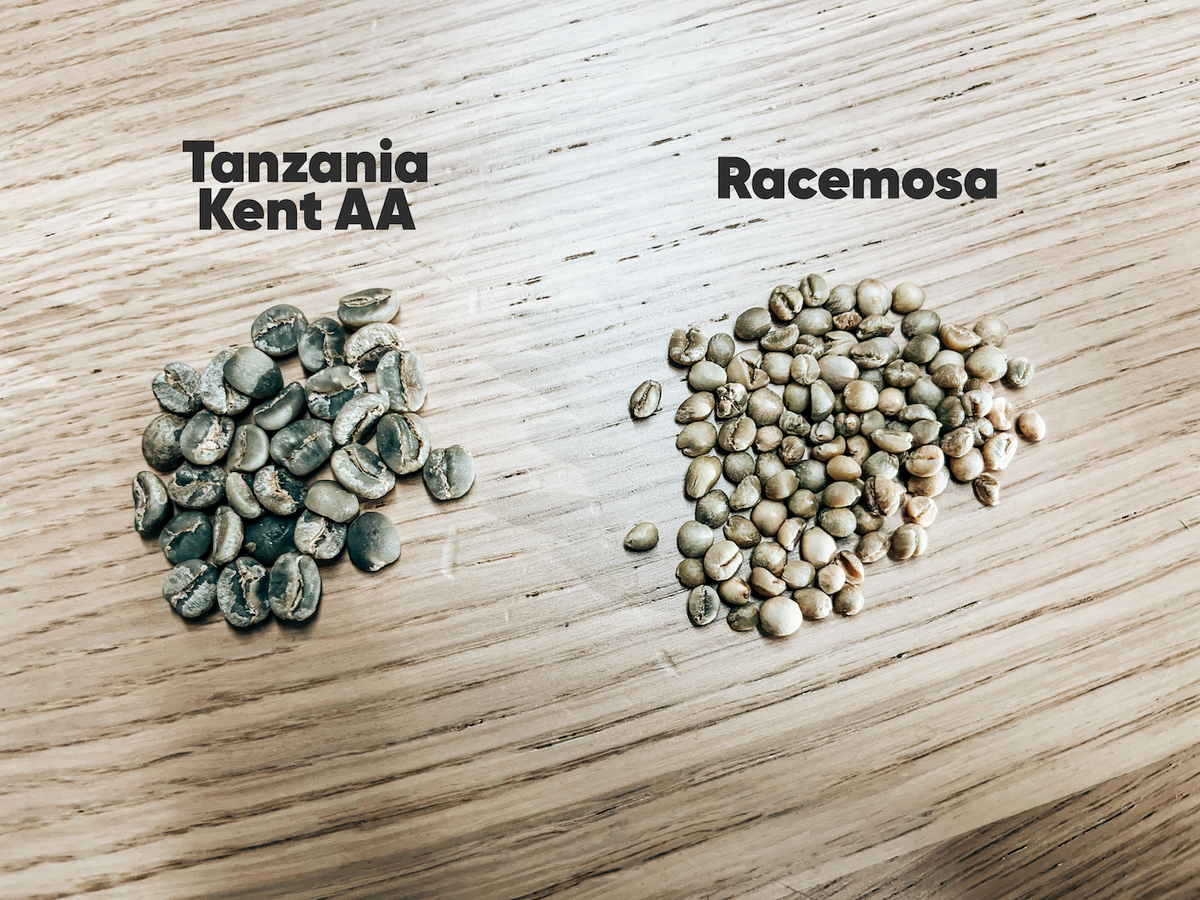
Racemosa
Cupping Score91.25Processing MethodVarietalHeirloom wild geneticsMain Flavour NotesWeird | Cannabis | Dried Tomato | Umami | *Not Like Arabica*Out of stock -
Edinson Argote Yeast Inoculation
Cupping Score86.0Processing MethodVarietalCastilloMain Flavour NotesCherry | Blackberry | CaramelOut of stock -
Zarza Natural Geisha
Cupping Score88.25Processing MethodVarietalGeishaMain Flavour NotesOrange Marmalade | Lemongrass | Pink PeppercornOut of stock -
Equatoria Coffee Natural Robusta
Cupping Score80.25Processing MethodVarietalRobustaMain Flavour NotesCocoa | Leather | WalnutOut of stock -
Zarza Pacamara Natural + Thermal Shock Decaf
Cupping Score85.0Processing MethodVarietalPacamaraMain Flavour Notes70% Cacao | Black Tea | WineyIn stock- 4 -
Santiago Noriega Bourbon Ají
Cupping Score89.0Processing MethodVarietalBourbon AjíMain Flavour NotesMango | Papaya | CoconutOut of stock -
Hervey and Rocio Gesha
Cupping Score88.0Processing MethodVarietalGeshaMain Flavour NotesFloral | Nectarine | Black TeaOut of stock -
Edinson Argote Pink Bourbon Thermal Shock
Cupping Score88.0Processing MethodVarietalPink BourbonMain Flavour NotesGrapefruit | Orange | Tropical FruitOut of stock -
J-07 El Jaragual Rosado
Cupping Score88.0Processing MethodVarietalRosadoMain Flavour NotesMango | Passion Fruit | Papaya | Strawberry | Tropical FruitOut of stock -
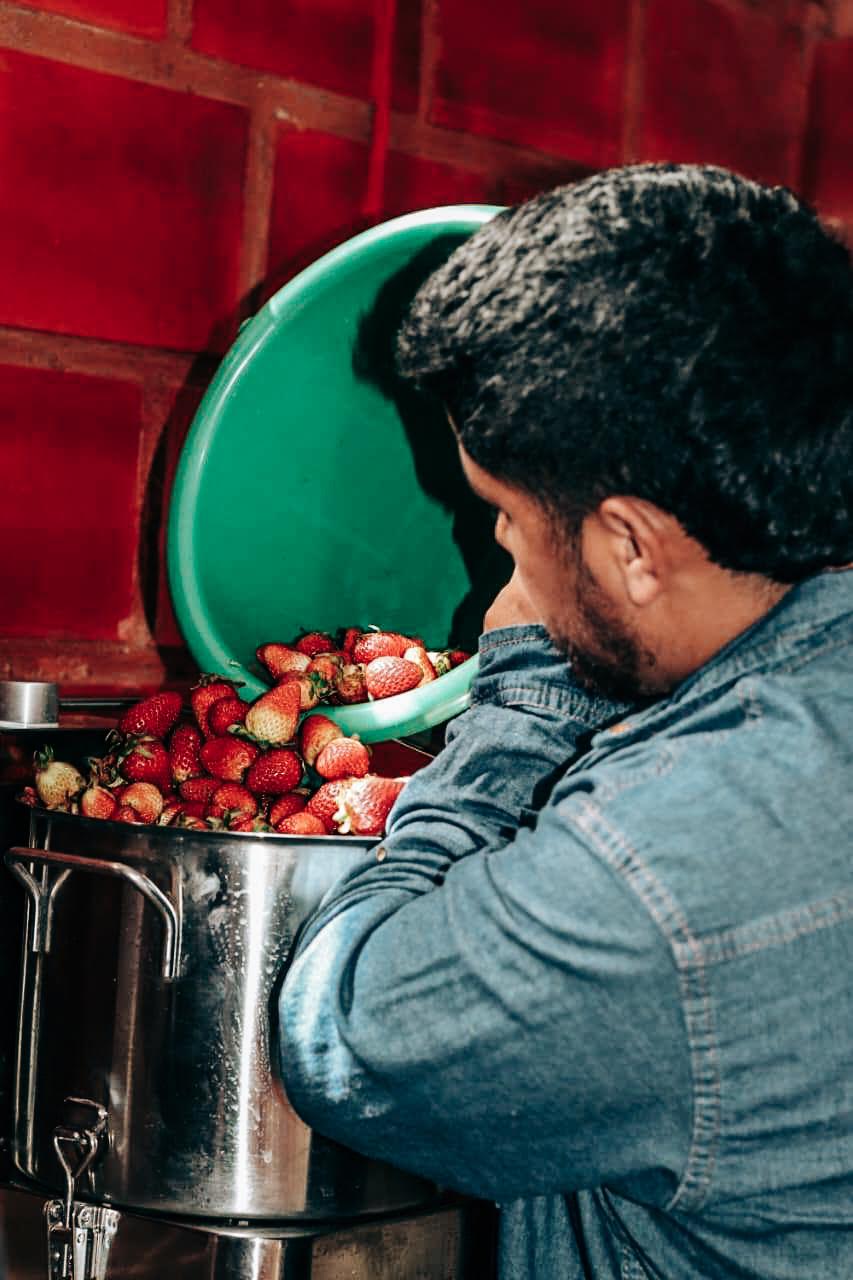
Edinson Argote Strawberry Coferment
Cupping Score86.0Processing MethodVarietalCaturraMain Flavour NotesStrawberryOut of stock -
Manuel Rosendo Marlo Baca - Geisha Green Tip
Cupping Score88.0Processing MethodVarietalGreen Tip GeishaMain Flavour NotesFloral | Panela | GrapefruitIn stock- 1 -
Edinson Argote Laurina
Cupping Score85.0Processing MethodVarietalLaurinaMain Flavour NotesCitrus | Mandarin | BerriesOut of stock -
Washed Racemosa
Processing MethodVarietalHeirloom wild geneticsMain Flavour NotesGluhwein | Quince | Mandarin | Eucalyptus | BlackcurrantLow stock- 1




















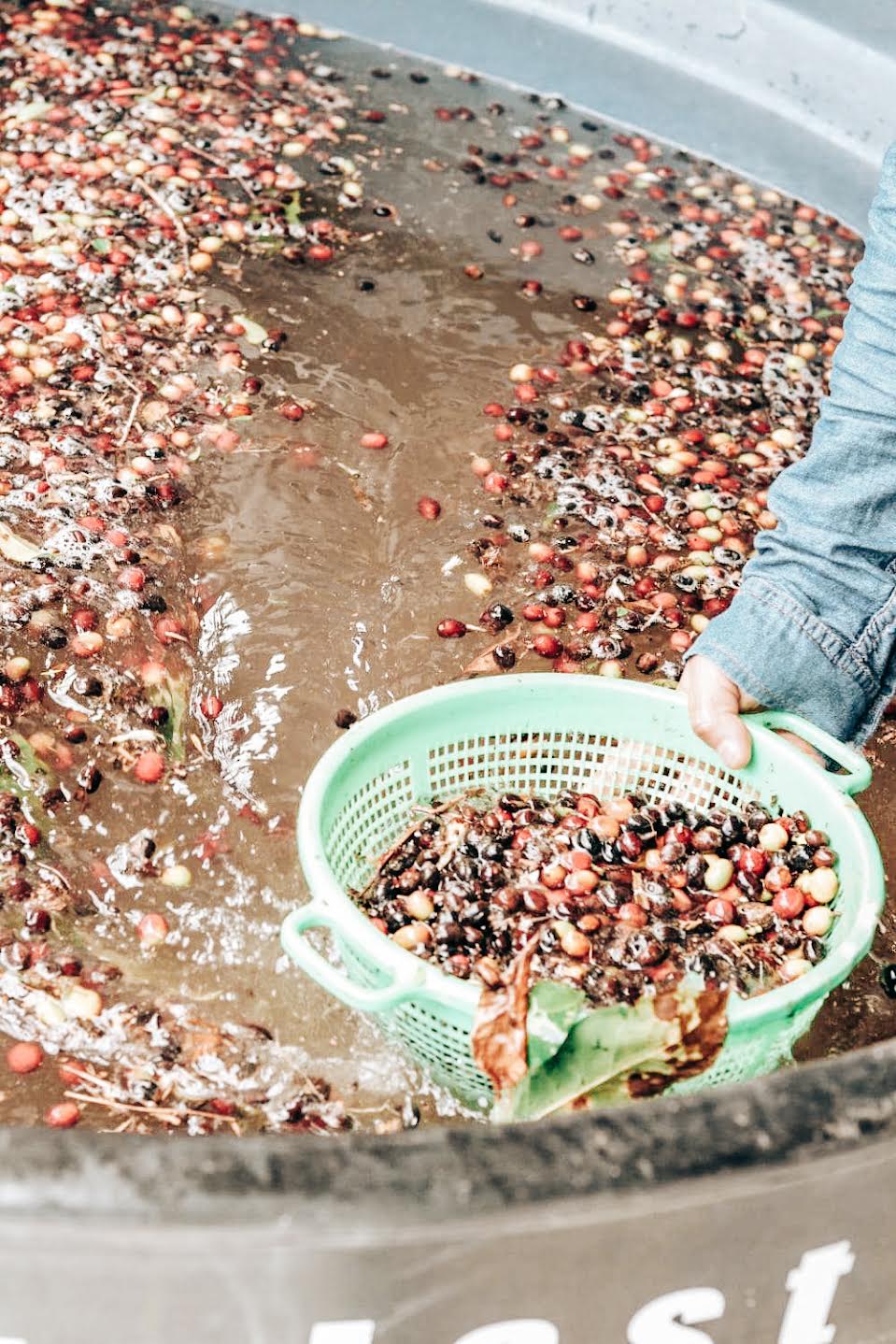

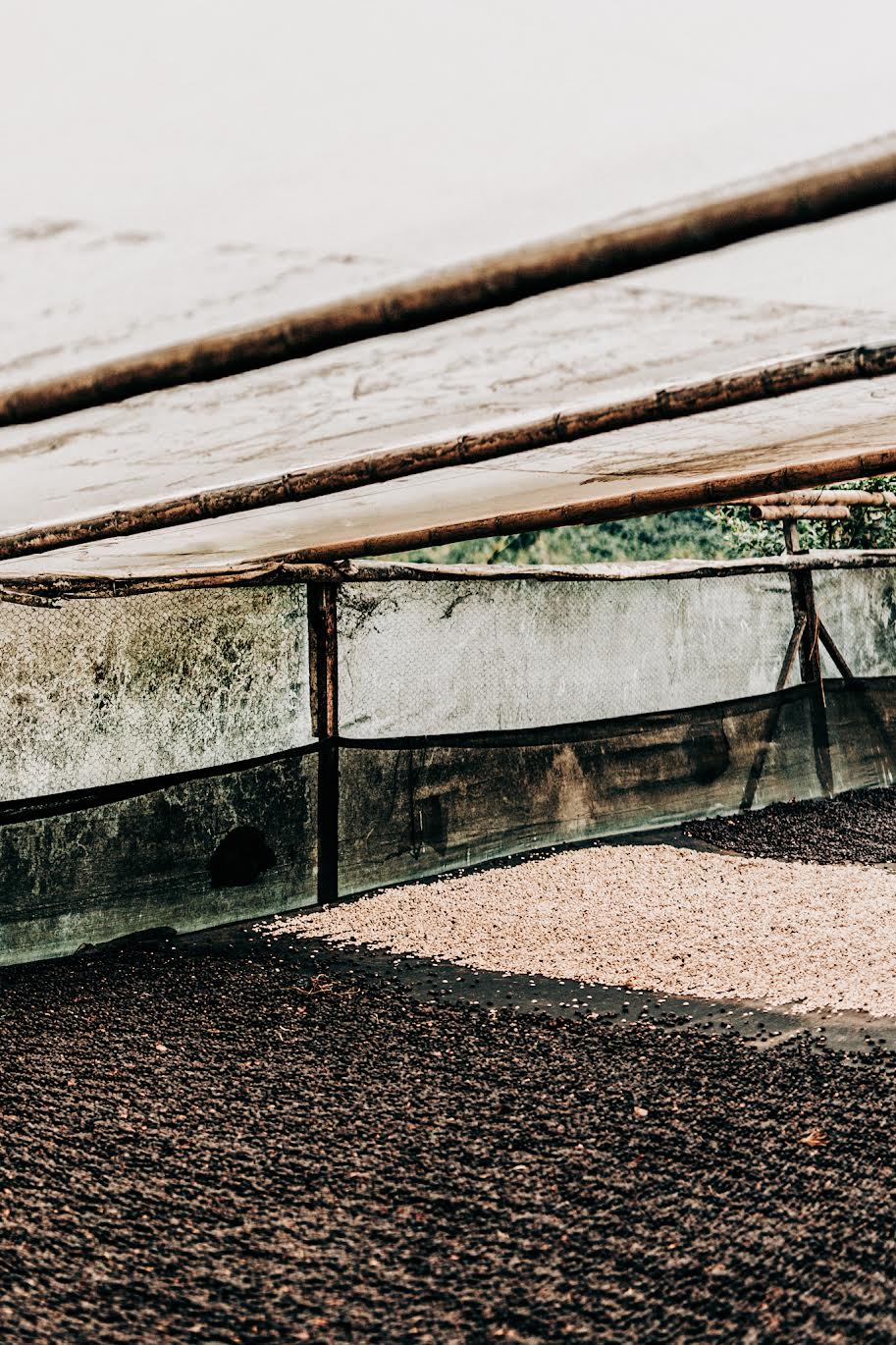


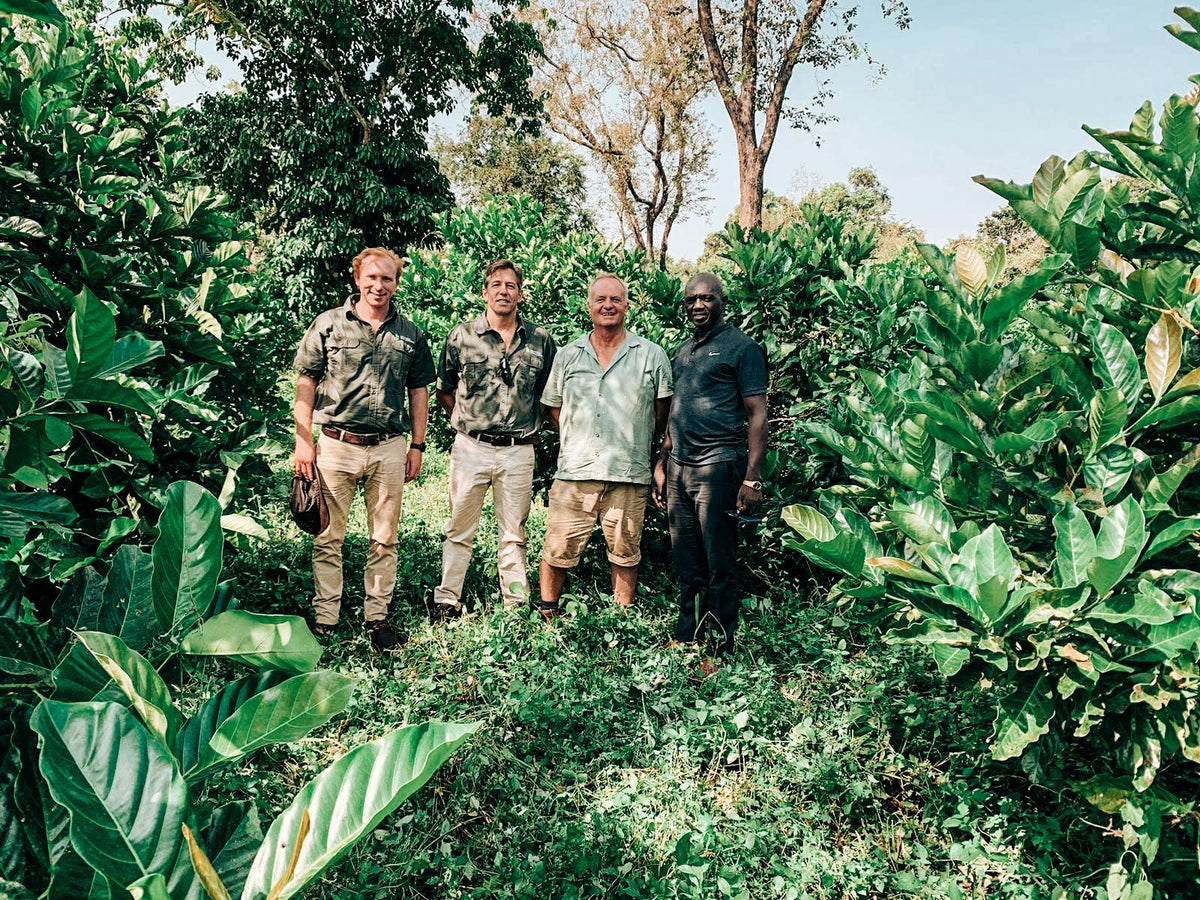

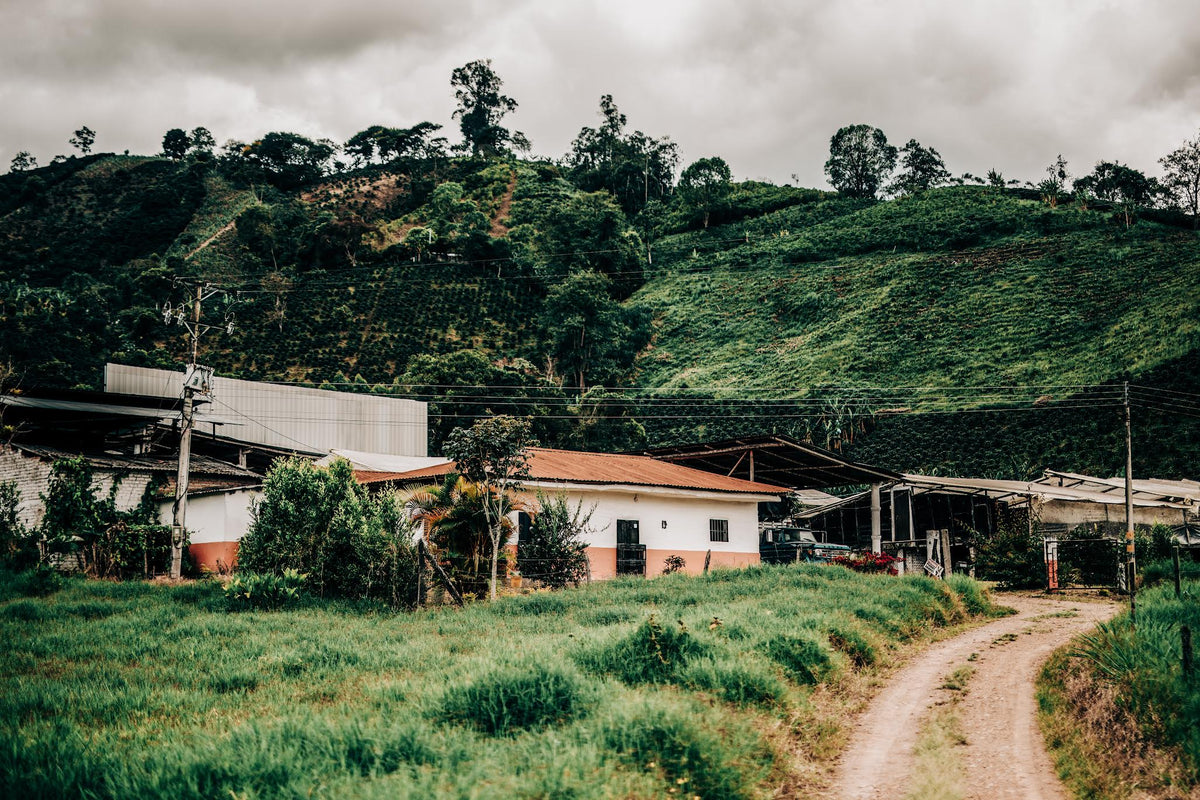











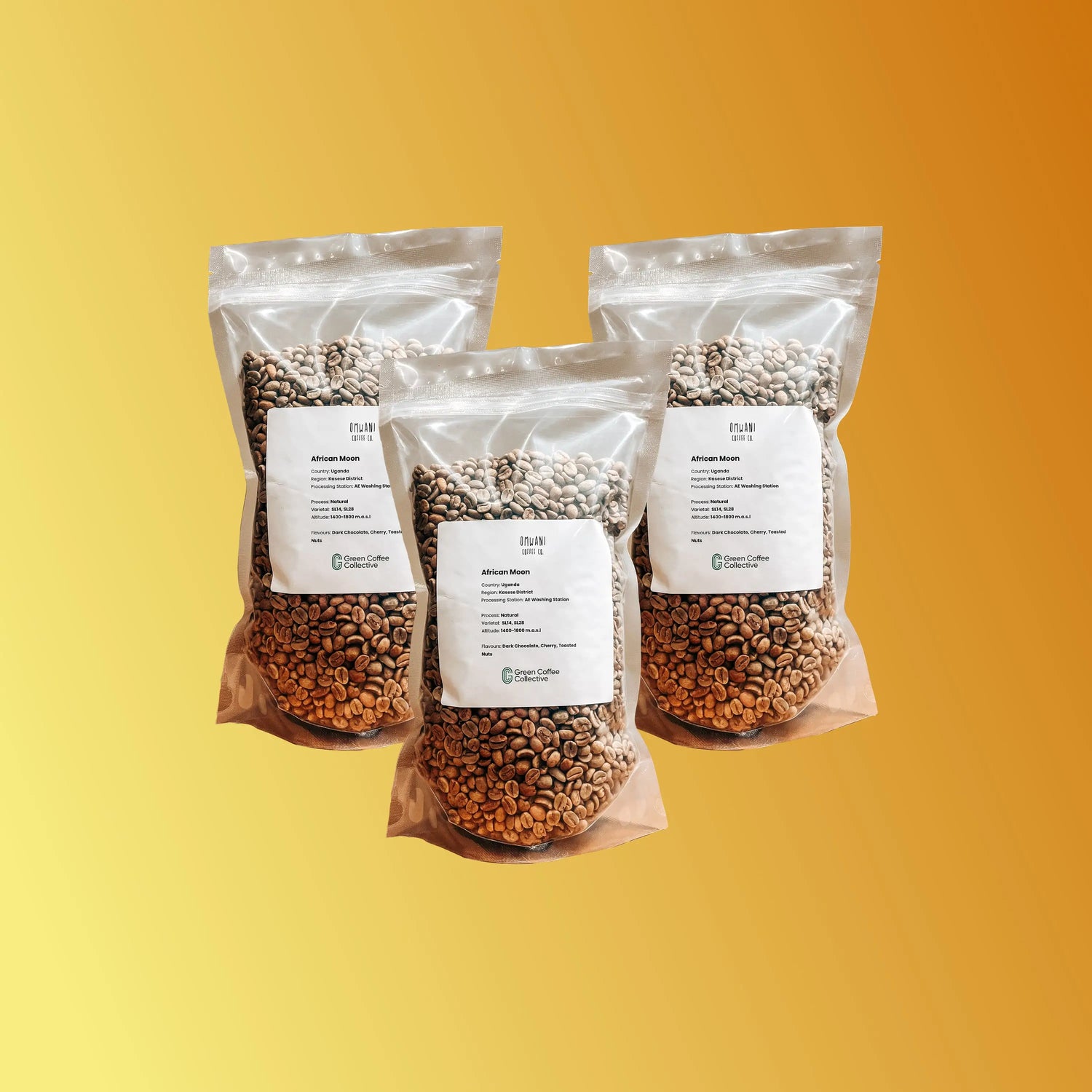
Your guide to Rare & Special Green Coffee Beans
-
What makes a green coffee rare
-
Rare species and varieties
-
Experimental and competition lots
-
Roasting rare green coffee