
Mexico Mexico

Mexican Green Coffee Beans

Mexico is one of the largest exporters of organic coffee, known for its light body and bright acidity, with undertones of chocolate and nut. We provide both wholesale sizes for bulk purchases and smaller sizes ideal for sampling or home roasters, helping you discover the perfect coffee to meet your needs. To see how these compare with other origins, browse our full range of green coffee beans.

Regions
Chiapas · Veracruz · Oaxaca
Varieties
Typica · Bourbon · Mundo Novo · Maragogype
Harvest
Feb – Apr
Scale
10th largest coffee producer. 2.3% of global production. (USDA FAS)

In stock now

4 Mexican coffees in stock · 1 recently sold out

Recently sold out

Still worth a read – most producers come back next harvest.

ORIGIN GUIDE

Buying and roasting Mexican green coffee

Saskia Chapman Gibbs, Marketing & Sustainability, Green Coffee Collective

Why Mexican coffee tastes the way it does

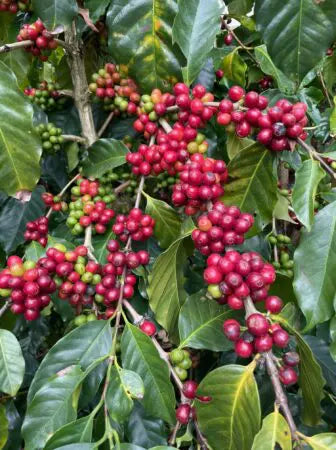
Mexico grows mainly older Arabica varieties: Typica, Bourbon, Caturra and Mundo Novo, plus Maragogype, the “elephant bean”, known for its unusually large size. Since leaf rust swept through the region in the early 2010s, many farmers have also planted rust-resistant types. The older varieties give Mexican coffee its gentle sweetness and soft, rounded body.

Most coffee is grown at 900–1,700m in humid mountains, and much of it under the shade of native forest. Shade and cloud cover keep temperatures down and slow ripening, which builds sweetness. Each region has its own leaning: Chiapas tends towards chocolate, nuts and brown sugar, Veracruz is a little brighter, with citrus and red fruit, and Oaxaca is softer and more floral.

Processing has traditionally kept things clean. Most Mexican coffee is washed and sun-dried, giving clear, balanced cups with mild citrus acidity. A new wave of producers is now pushing further, with naturals and experimental fermentations that bring more body, fruit and intensity, showing a very different side of Mexican coffee.

Read: A History of Mexican Coffee: The German Fincas of Soconusco

How Mexican coffee is processed

How the cherry is handled after picking changes the cup more than almost anything else.

WashedCherry skin and mucilage removed before drying – clean, bright, origin-expressive cup.0 in stockWhat is it?
NaturalWhole cherries dried with fruit intact – produces heavy body and fruit-forward flavour.0 in stockWhat is it?
ExperimentalCoffee fermented in sealed, oxygen-free vessels – producing intense, fruity profiles.0 in stockWhat is it?
DecafCaffeine removed from the green beans before roasting, keeping as much of the origin character as possible.4 in stock →

The regions

Translation missing: en.origin.map.title NICARAGUA →HONDURASCUBA Mexico City Chiapas Veracruz Oaxaca Translation missing: en.origin.map.title HONDURAS Mexico City Chiapas Veracruz Oaxaca
Chiapas900–1,800m
Southern mountains on the Guatemalan border, home to over 40% of Mexico’s coffee. Shade-grown lots are smooth and medium-bodied, with chocolate, nuts and brown sugar.
Veracruz1,100–1,700m
Mexico’s second-largest coffee state, where coffee grows in cloud forest under native shade trees. Clean, bright lots with chocolate, caramel and a citrus or red-fruit finish.
Oaxaca1,100–1,600m
Small farms in the southern sierras still grow old Typica and Bourbon, mostly shade-grown and traditionally washed.

Chiapas rainfall: 2026 vs the 10-year average

2026 10-year average

Chiapas has had  24% less rain than its 10-year average so far this year (1,246 mm against 1,645 mm, January to October). August to October were 24% below normal.

Monthly rainfall in Chiapas, Mexico, 2026 compared with the 2016–2025 average
Month 2026 (mm) 10-year average (mm)
January 111 106
February 36 82
March 102 49
April 76 53
May 99 120
June 134 294
July 86 150
August 97 217
September 205 306
October 300 268
November not yet 160
December not yet 96

Why it matters: rain at flowering sets up the next crop, and dry weather at harvest helps naturals dry evenly. Big swings either way can mean a smaller or later harvest – we'll say so here as reports come in.

Source: NASA POWER (MERRA-2) for Chiapas (16.95940484°N, 93.129090611°W) · updated monthly · last updated 8 Nov 2026

Meet a producer: Jaime Cardenas

Jaime Cardenas

Biosphere Reserve El Triunfo ↗

Nestled in the heart of the UNESCO-designated El Triunfo Biosphere Reserve, Rancho Morelia is situated in the lush southern slopes of the Sierra Madre in Chiapas. Since taking over the family farm in 2005, Jaime Cardenas has continued the tradition of careful cultivation and innovative practices established by his father.

At Rancho Morelia, coffee cherries are meticulously hand-picked and immediately pulped at the farm’s own wet mill, ensuring optimal freshness and quality. The farm’s commitment to excellence extends to Edelmira Coffee, where the beans undergo final preparation at a local dry mill. Here, they are processed with precision, adhering to the highest quality standards before export.

By harmonizing tradition with sustainability, Rancho Morelia honors its heritage and its unique place within the El Triunfo Reserve.

From farm to our warehouse

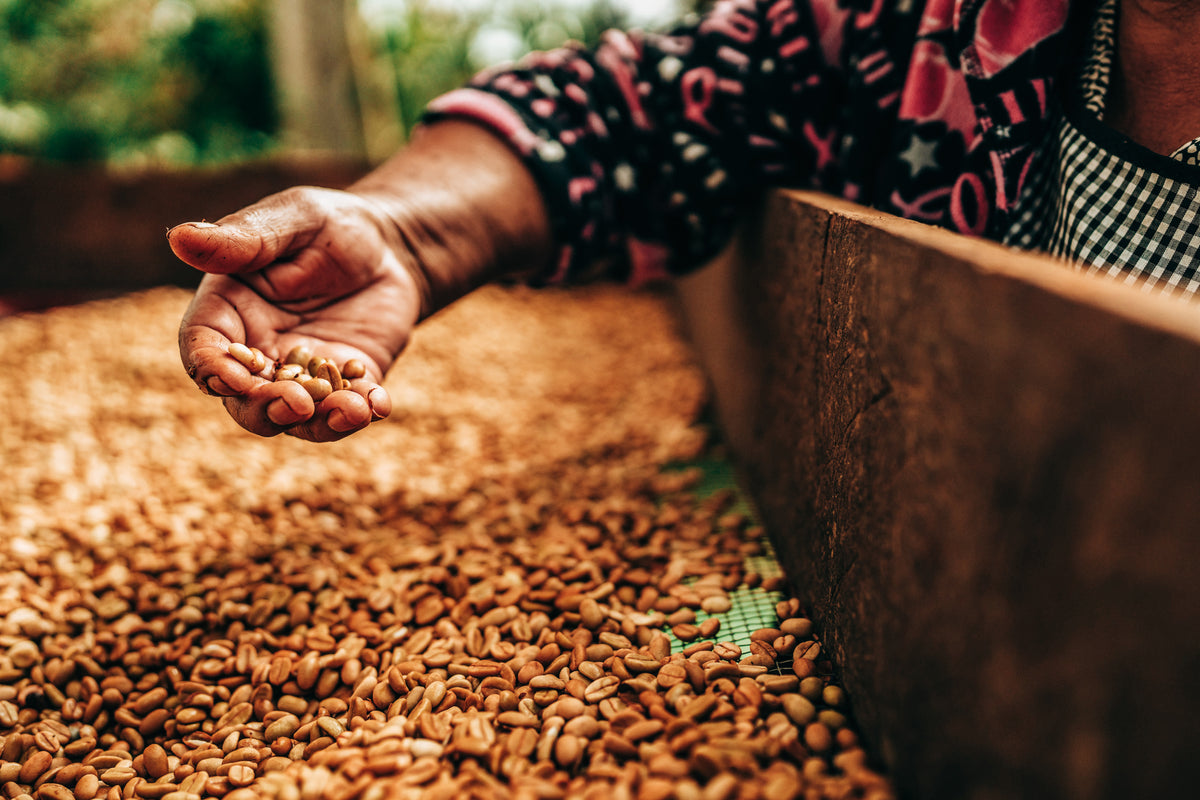
Mexican coffee is grown almost entirely by smallholders: about 95% of farms are under 3 hectares, and nearly all the work is done by hand. Coffee grows under a canopy of shade trees such as inga, banana and avocado, which protect the plants, hold moisture in the soil and support local wildlife. Farmers usually pick and wet-process their coffee themselves, then sell it as dried parchment to a cooperative, a local buyer or an exporter. In the 1980s, UCIRI, a cooperative of Indigenous coffee farmers in Oaxaca, worked with the Dutch organisation Solidaridad to launch Max Havelaar, the world’s first Fairtrade label.

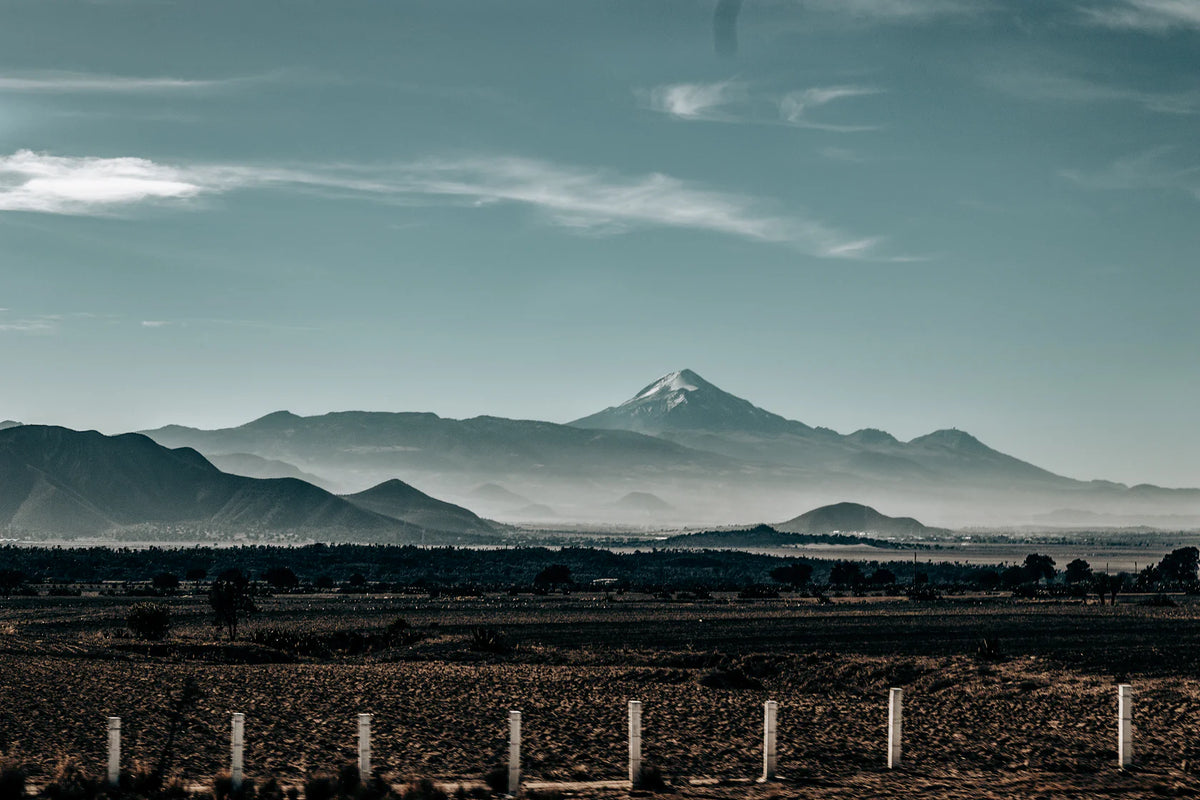
We buy Mexican coffee through Edelmira and Ensambles. Edelmira supplies our experimental Mexican lots, from producers pushing beyond the traditional washed process. Ensambles supplies our Mountain Water decaf. Mountain Water Process decaffeination uses only water, and it was developed in Veracruz, in the shadow of Pico de Orizaba.

Lots change from harvest to harvest. Mexico’s main harvest runs from roughly November to March, depending on altitude and region, and we’d rather buy what’s cupping best that season than repeat a name for the sake of it. If you liked a past lot, join the arrivals list and we’ll tell you what’s closest when new crop lands.

Read: Industry Insight: Mexico, Where Fairtrade Began

Mexican lots we've sourced

Every lot we've brought in, with our team's cupping score where we have one. A good guide to what next season's will be like.

Past lots on record
11
Average cup score (11 scored)
85.5
Highest
88.0 Pocitos Natural Geisha
Mexican lots we've sourced
Lot Region Process Crop Score
Pocitos Natural GeishaPapaya, Lemon, Lotus Veracruz Natural 23/24 88.0
Karina Argüello– – Honey c. 22/23 87.75
Plan LibertadStone Fruits, Ripe Mango, Citrus Chiapas Washed 23/24 87.0
Maricela Esperón– – Natural c. 22/23 86.0
Nuevo Mexico– – Anaerobic c. 22/23 86.0
Pepe ArgüelloRed Fruits, Cherry, Caramel Chiapas Washed 22/23 85.0
Rancho MoreliaChocolate, Vanilla, Cinnamon Chiapas Extended Fermentation 23/24 85.0
Tejao– – Washed c. 22/23 84.5
Los AltosGreen Apple, Chocolate, Caramel Los Altos de Chiapas Washed 23/24 84.25
Mexican Decaf Mountain Water ProcessMilk Chocolate, Bright Citrus, Clean Finish Frontera, Chiapas Natural 22/23 83.5
Coatlan– – Washed c. 22/23 83.0

When to buy Mexican green coffee

Fresh-crop Mexican lots arrive months after the harvest ends. Buy on arrival for the brightest cup.

Buying Mexican coffee in volume

From a first sample bag to a container, without the import paperwork.

0.5 – 5KG Sample and small batch Open to everyone. Most lots offer a sample size so you can cup before committing.Shop in-stock lots →
10 – 20KG Wholesale account Approved roasters see 10kg and 20kg sizes and trade pricing when signed in.Apply for wholesale →
FULL SACKS & CONTAINERS Through our import partners Sacks, pallets and full containers from the importers we buy Mexican coffee from. EdelmiraEnsambles

Roasting Mexican coffee

How Mexican coffee behaves in the roaster depends on the altitude it was grown at and how it was processed. Higher-grown coffees, like many from Chiapas and Oaxaca, are denser and can take more heat. Lower-grown coffees are softer, so they need a gentler approach. Experimental lots need a gentler start and shorter development, so the fruity flavours created during fermentation aren’t lost under roasty notes. Decaf is different again: it scorches easily, especially when water-processed, and the green beans look darker than regular coffee, which can make it hard to judge the roast by colour. Use a lower charge and a shorter roast, and don’t rely on first crack, which is quieter than usual. Read more in our decaf roasting guide.

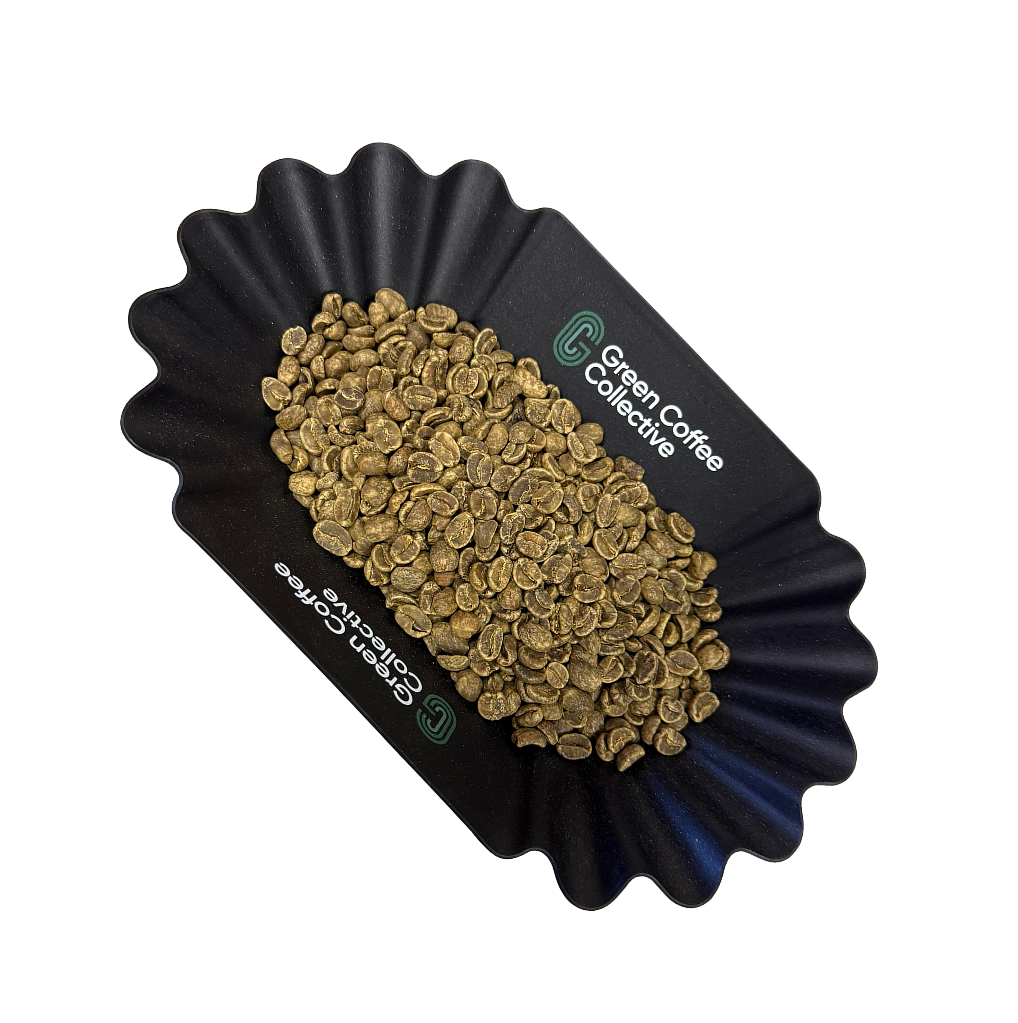
Never roasted coffee before? These are raw, unroasted beans – they need roasting before you can brew them. It's easier than it sounds.

Mexican green coffee FAQs

What does Mexican coffee taste like?

Mexican coffee is usually smooth and sweet, with a soft body and gentle acidity. Classic washed lots lean towards chocolate, nuts and brown sugar, with mild citrus. Experimental lots can be much fruitier and more intense.

What’s the difference between Chiapas, Veracruz and Oaxaca coffee?

Chiapas is Mexico’s largest coffee region, known for chocolatey, nutty coffees grown under shade near the Guatemalan border. Veracruz, the historic Gulf-coast origin, tends to be a little brighter, with citrus and red fruit. Oaxaca’s small, often Indigenous-run farms grow old Typica and Bourbon, giving softer, more floral cups.

What is Mountain Water Process decaf?

It’s a decaffeination method that uses only water, with no chemical solvents, and it’s carried out in Mexico. The green coffee is soaked so the caffeine dissolves out, then the water is filtered to remove the caffeine while keeping the flavour compounds. Our Mountain Water decaf comes from our partner Ensambles.

Does Mexico produce experimental coffee?

Yes. Most Mexican coffee is traditionally washed, but a growing number of producers are working with naturals and experimental fermentations. We source our experimental Mexican lots through Edelmira.