Green Coffee Beans

Green Coffee Beans

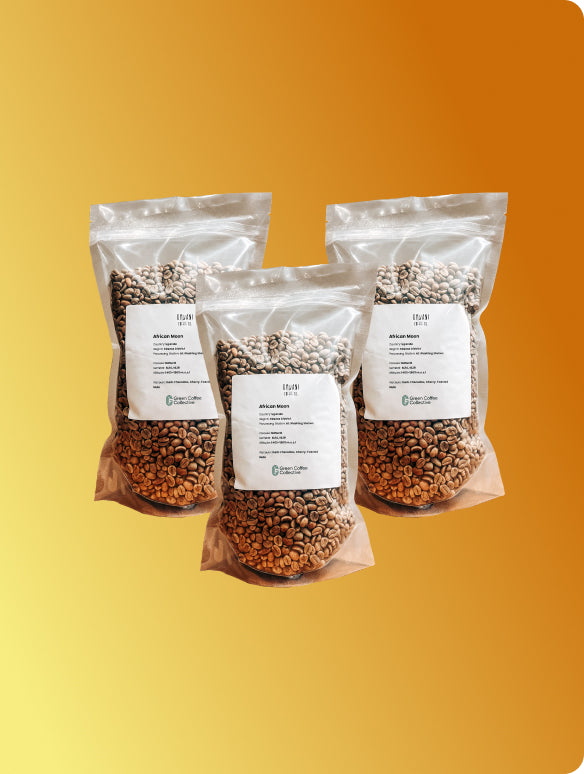
Green coffee beans are unroasted coffee in their raw state — ready for home roasting or small-batch production. We stock 250+ unroasted green coffee beans from over 30 origins, available from as little as 0.5kg. Whether you're looking to buy green coffee beans in bulk or explore a single new origin, you'll find washed, natural, honey and experimental lots from Ethiopia, Colombia, Kenya, Guatemala, Brazil and beyond.

Not sure where to start?

Browse our full range of single-origin greens from 30+ countries. Mix and match by origin, process, or flavour - and save up to 10% when you bundle.

Start Picking
  • What Are Green Coffee Beans?

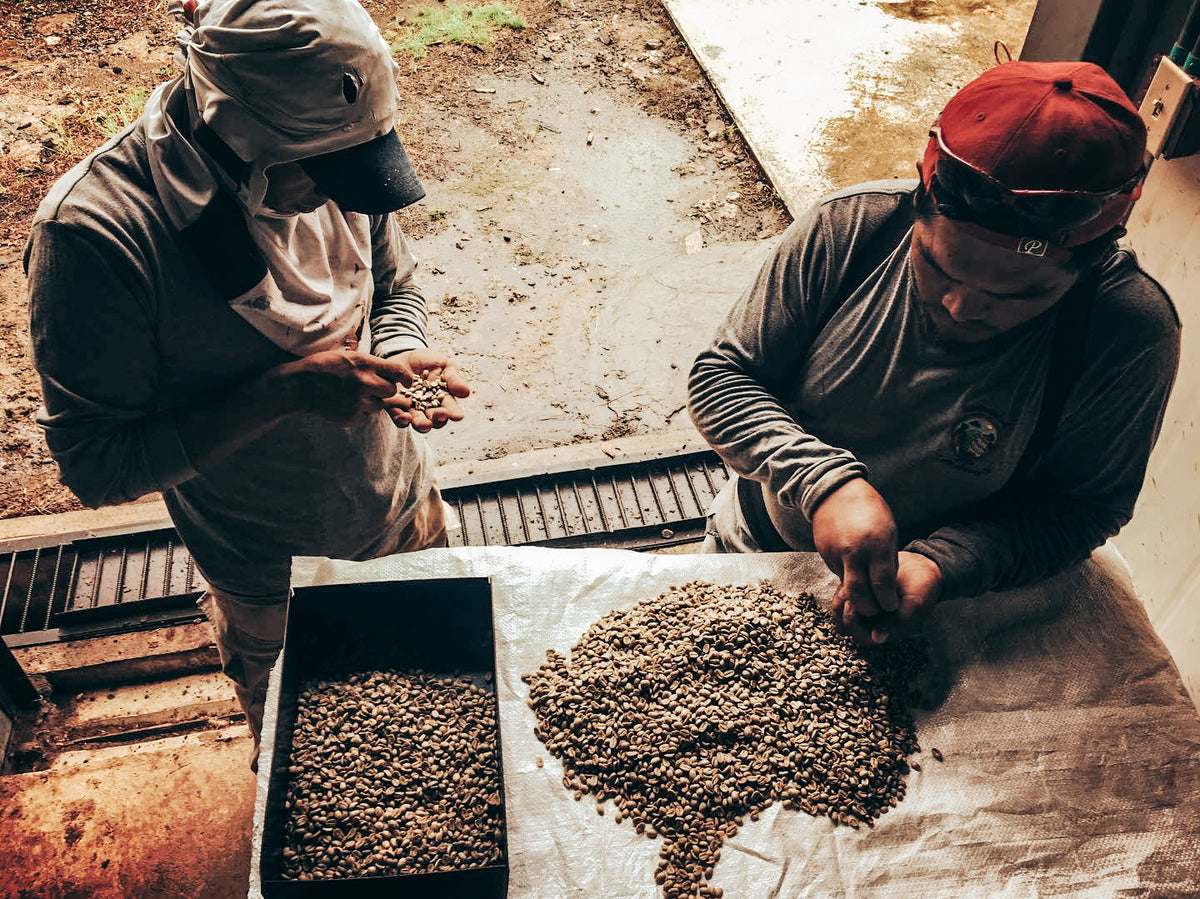
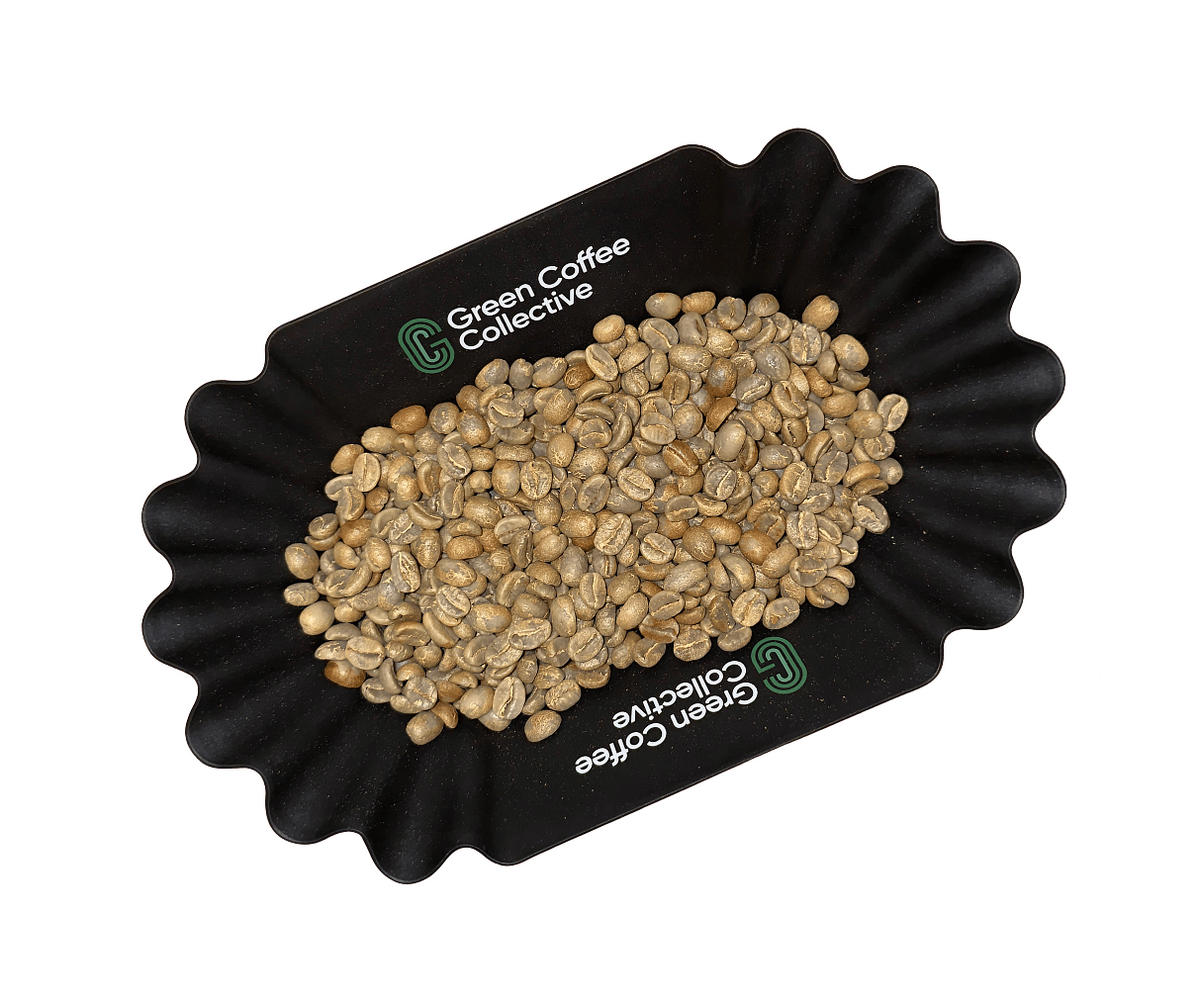
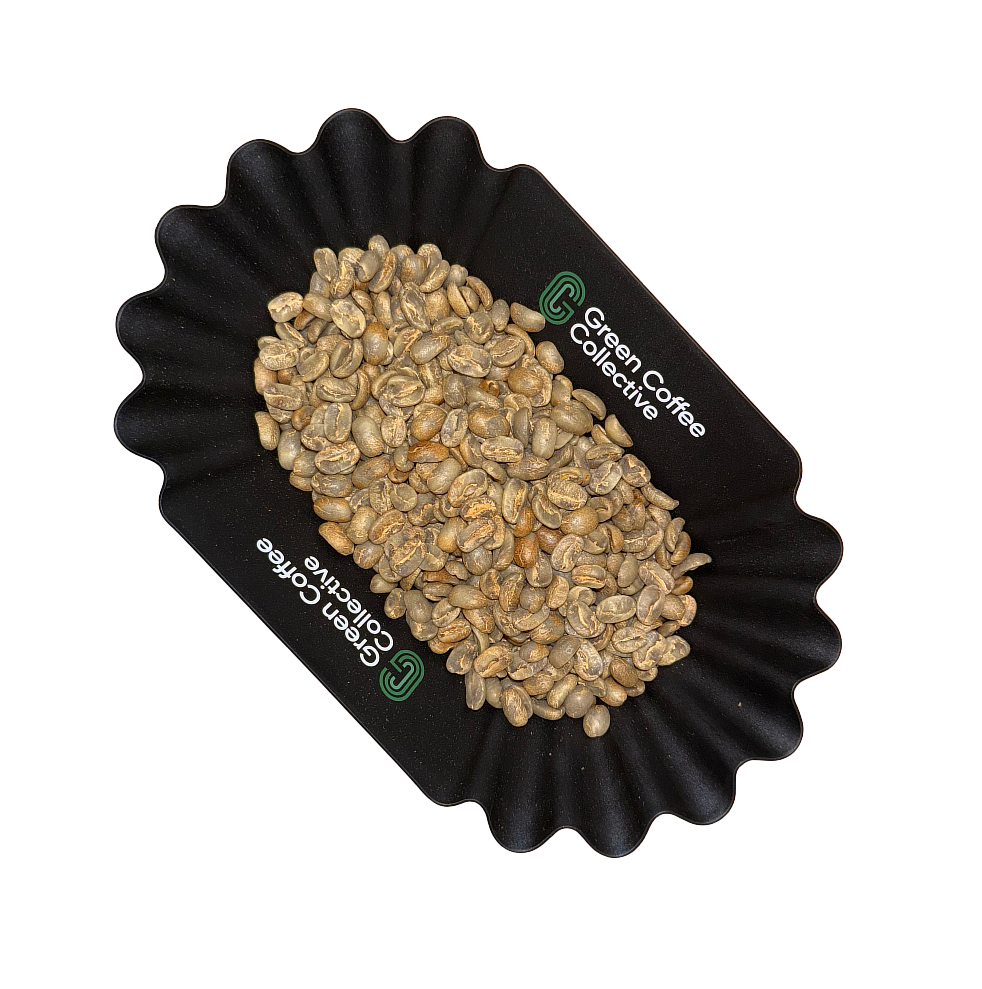
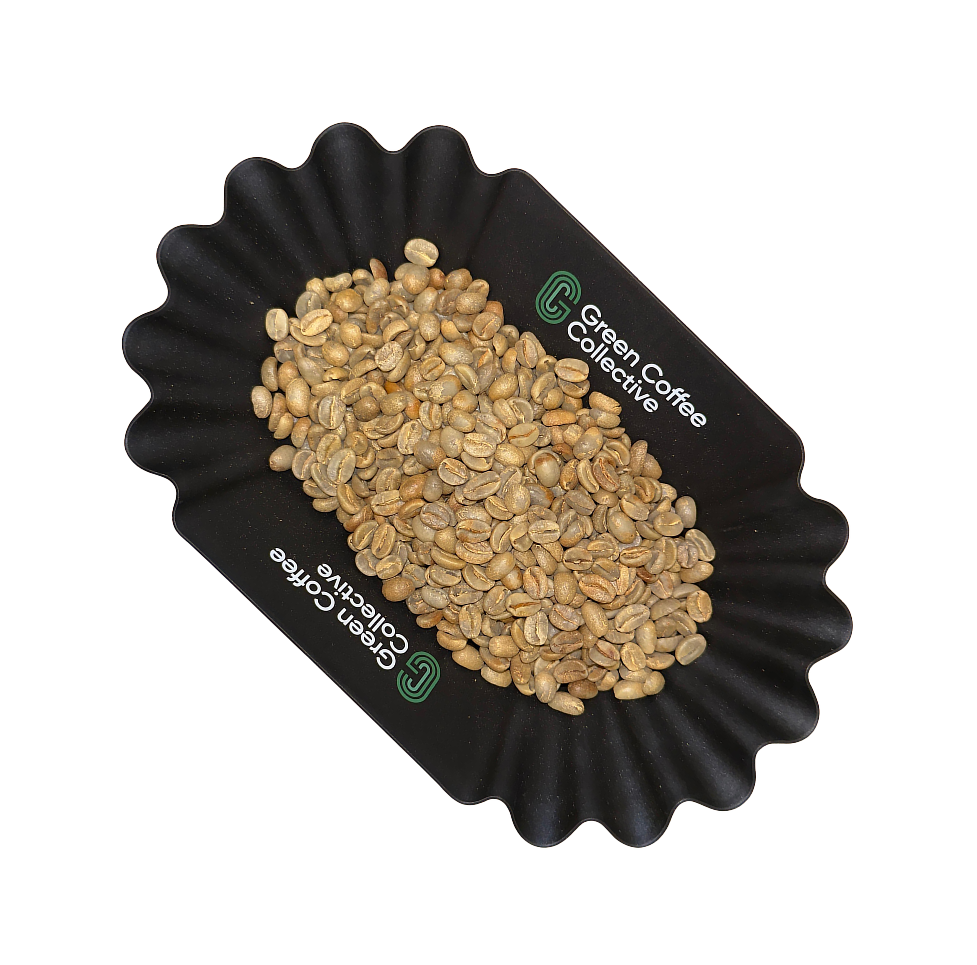
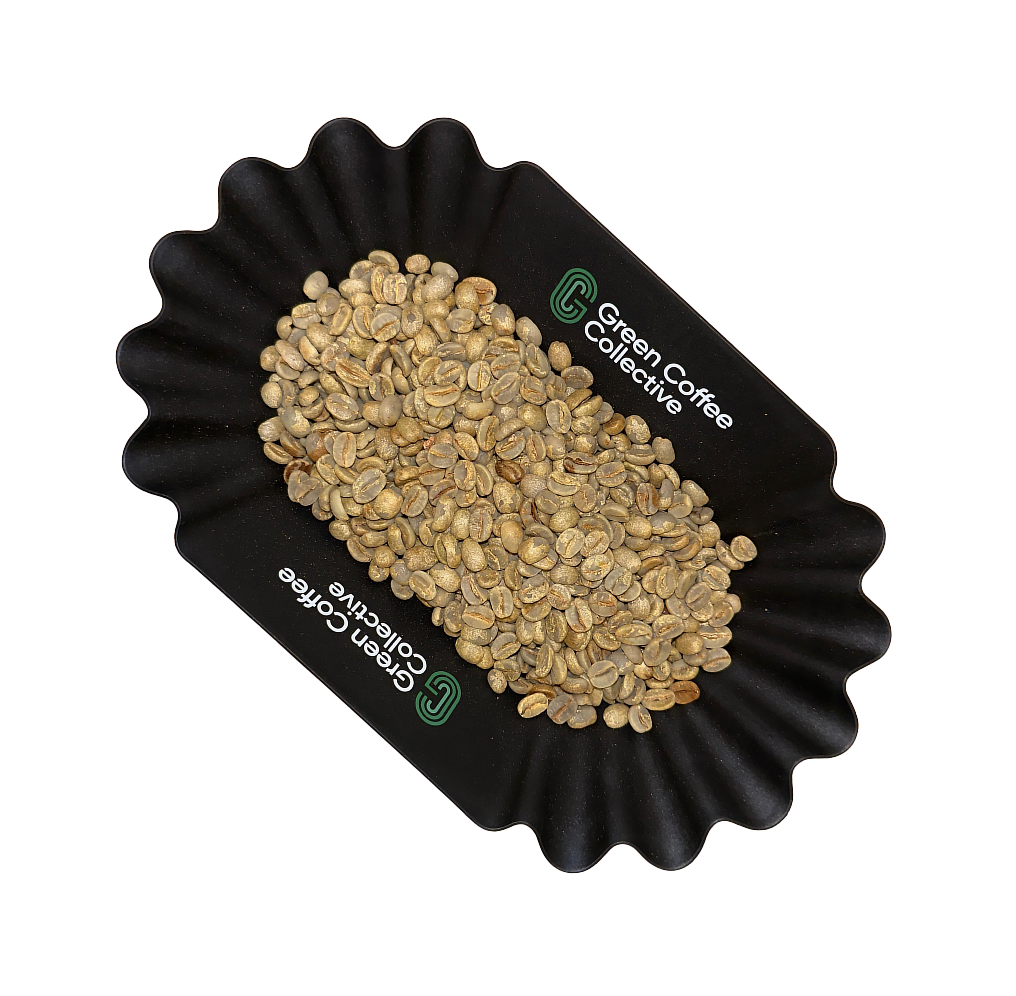
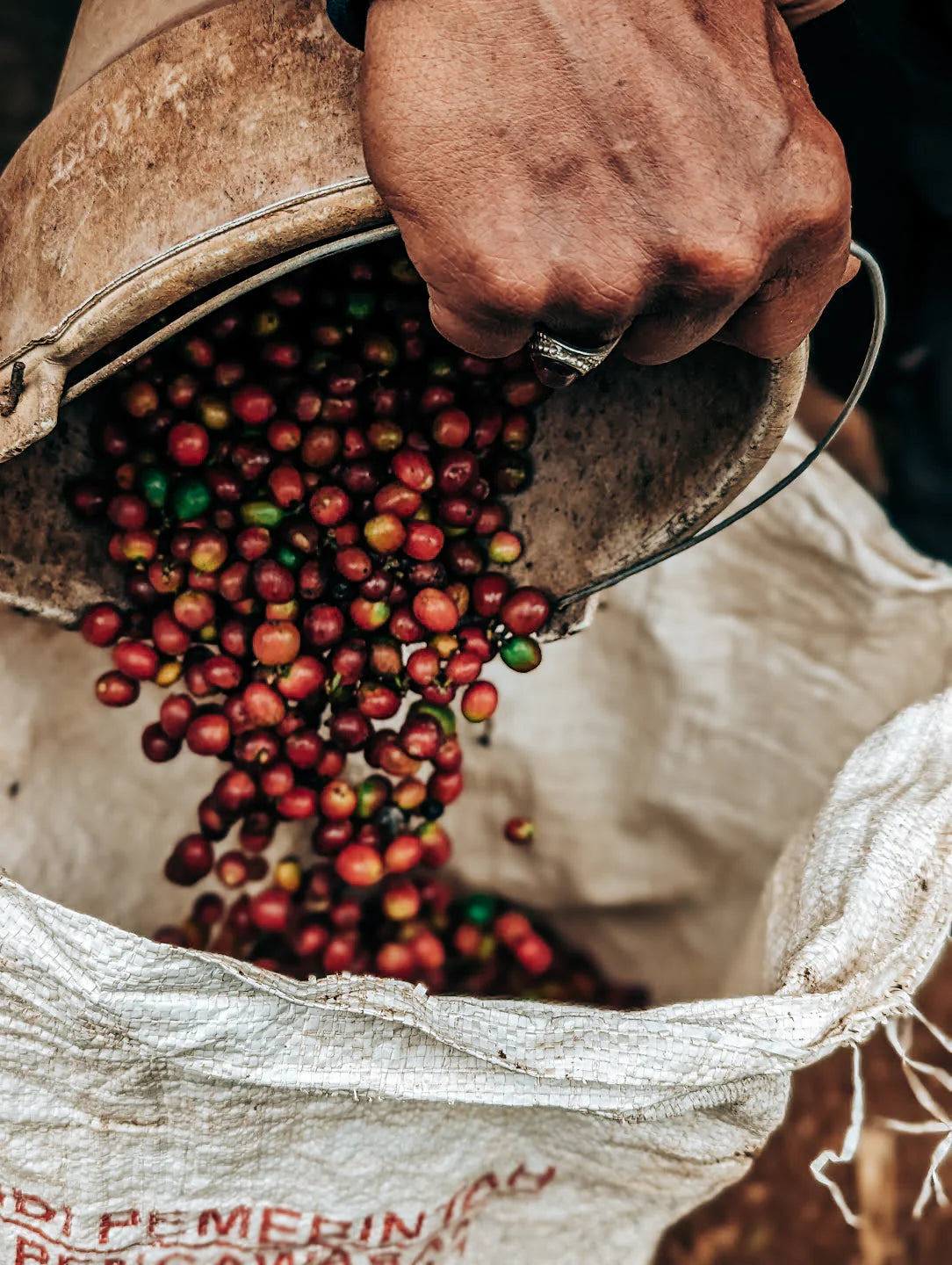
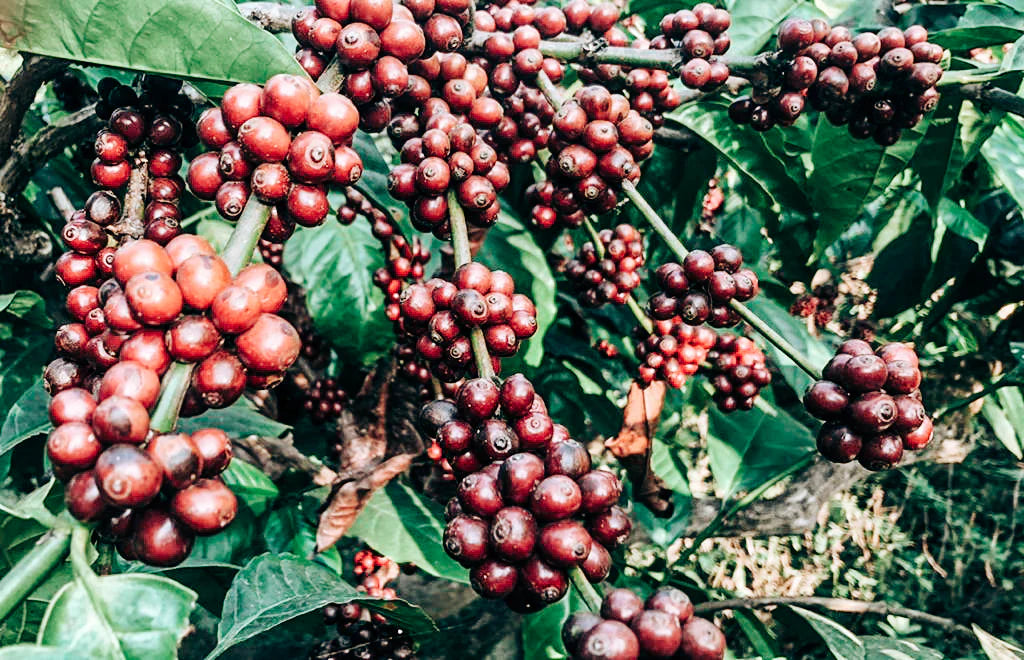
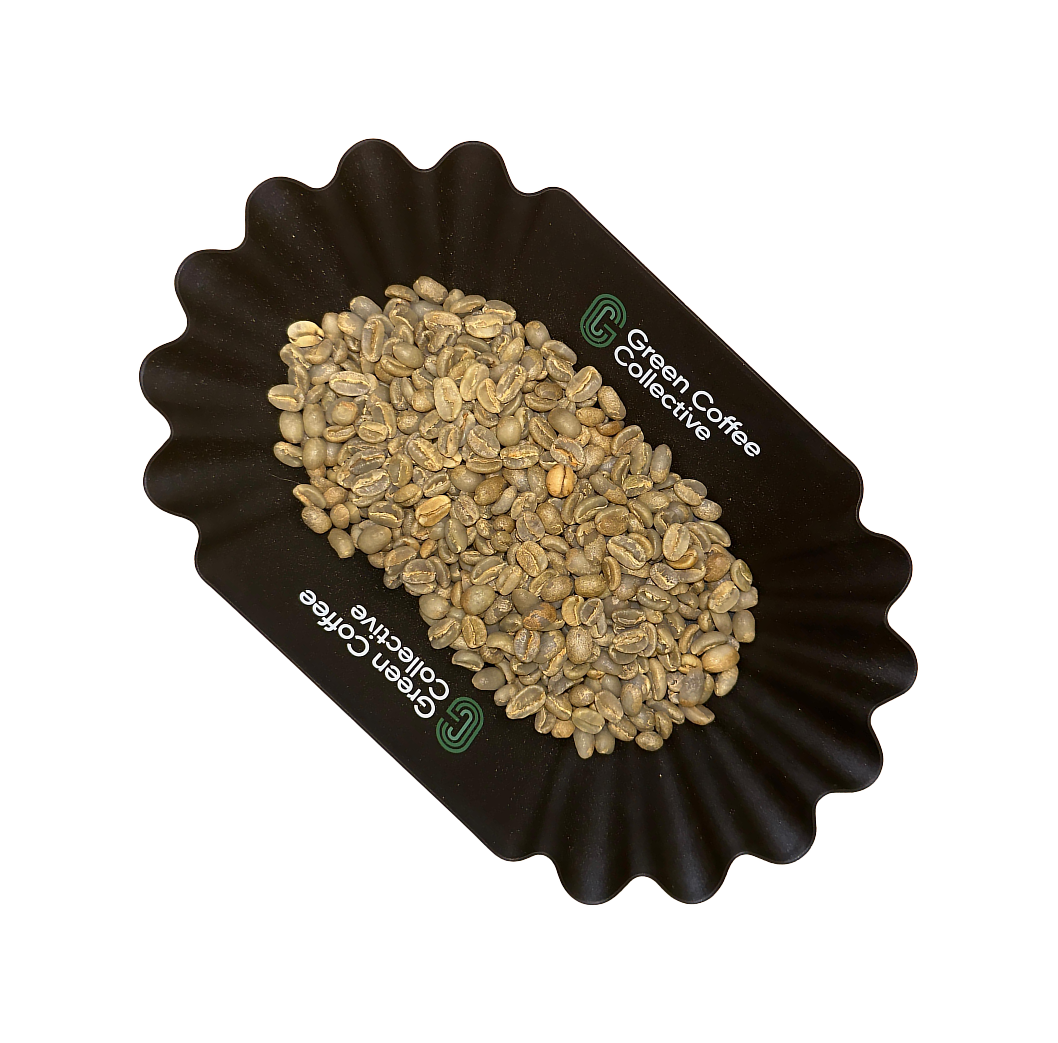
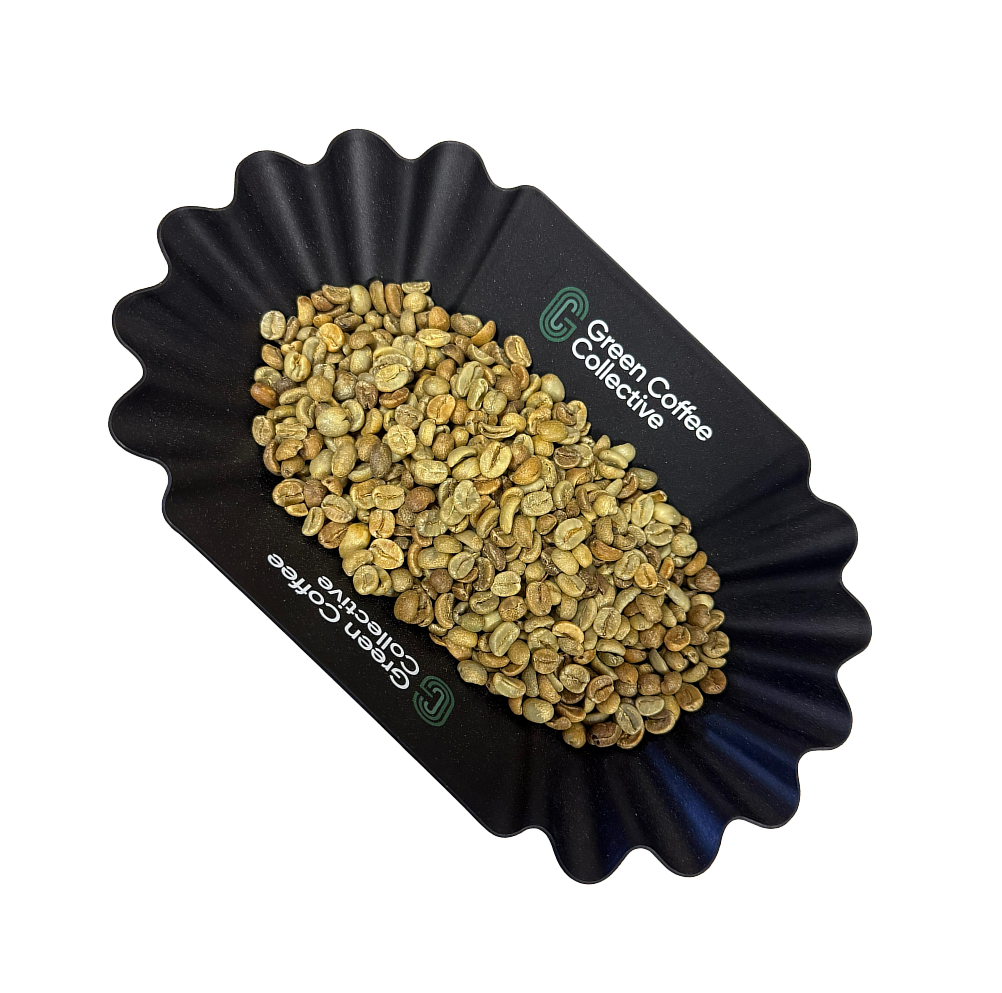
    Green coffee beans are unroasted coffee beans — the raw seeds found inside the coffee cherry, before heat transforms them into the brown beans you'd grind and brew. In their natural state, green coffee beans are pale grey-green, dense, and smell faintly grassy rather than aromatic. All coffee starts here, whether it ends up as a light filter or a dark espresso roast.

    The term "green coffee beans" is simply the industry standard for unroasted coffee. You may also see them called raw coffee beans, unroasted coffee beans, or green unroasted coffee beans - they all refer to the same thing. The difference between green and roasted coffee is significant: green beans retain more moisture, last considerably longer when stored correctly, and carry all the latent flavour potential that the roasting process will eventually unlock.

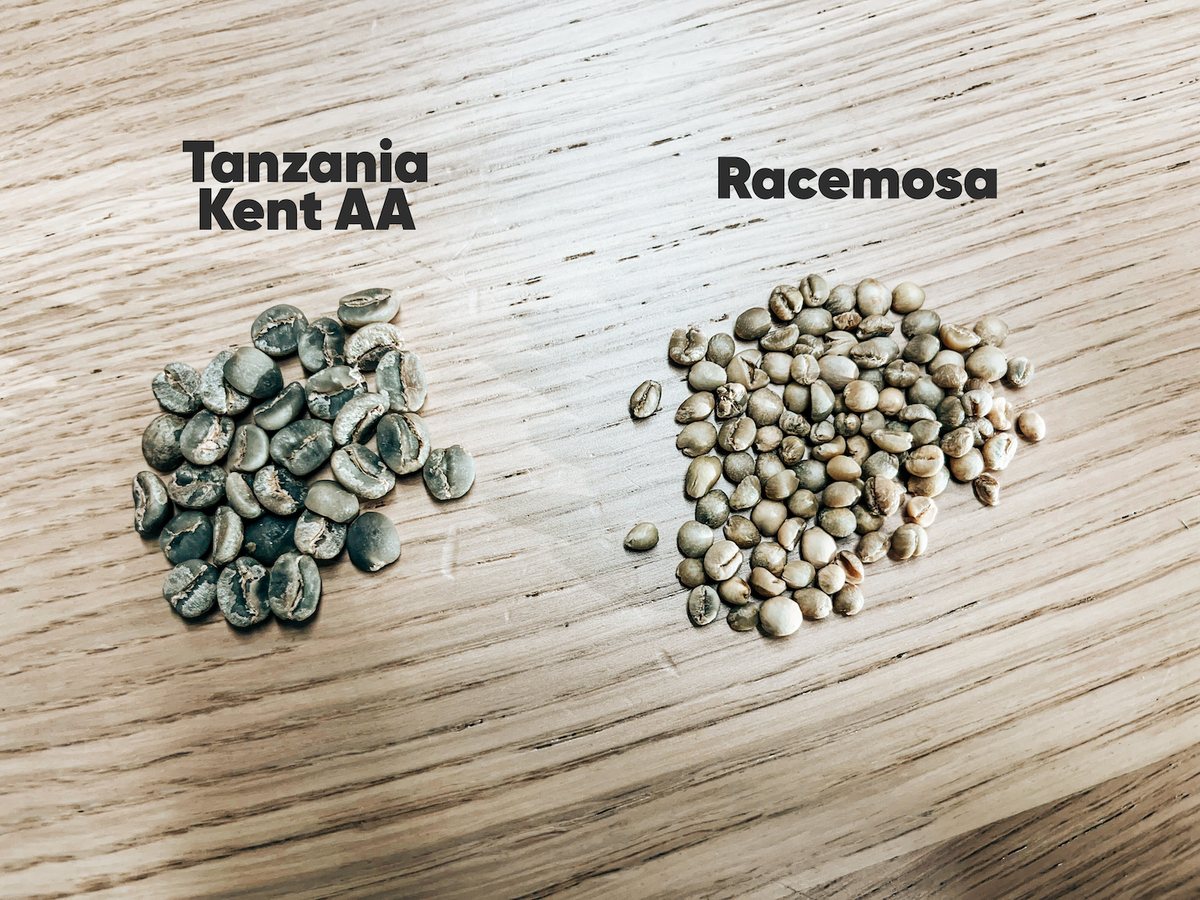
    Most green coffee beans sold for home roasting or trade use are Arabica - the species that accounts for the majority of specialty coffee and is prized for its complex flavour range, from bright citrus and floral notes to deep chocolate and stone fruit. Robusta green coffee beans are also available and are known for higher caffeine content, a bolder, earthier flavour profile, and lower growing altitude. At Green Coffee Collective, we stock both, alongside a wide selection of origins, processing methods and cup scores to suit every roasting style and palate.
  • How to Roast Green Coffee Beans at Home

    Home roasting green coffee beans is one of the most rewarding things you can do as a coffee enthusiast — and it's more accessible than most people expect. The basic principle is straightforward: apply controlled heat to green coffee beans, drive off moisture, trigger the Maillard reaction, and develop the flavour compounds locked inside the raw bean. In practice, the variables of temperature, time and airflow give you enormous creative control over the final cup.

    The simplest way to start roasting green coffee beans at home is with a popcorn popper or a small stovetop pan — both will produce a roastable result, though consistency is limited. For anyone serious about home roasting, a dedicated coffee roaster makes a significant difference. Drum roasters like the Aillio Bullet and compact roasters like the Kaffelogic Nano 7 give you precise control over roast profiles and are the most popular choices among home roasters in the UK.

    During the roast, you'll pass through three key stages. The drying stage drives moisture from the green bean and prepares it for heat development. The browning stage is where the Maillard reaction begins, producing the caramelised sugars and aromatic compounds that define your coffee's flavour. The development stage, which begins at first crack — an audible popping as the bean expands — is where you decide your roast level. Stopping shortly after first crack gives a lighter, brighter cup. Pushing toward second crack produces a darker, fuller-bodied roast.
    Once roasted, rest your beans for at least 24 hours before brewing to allow CO2 to degas and flavours to settle. Most roasted coffee peaks between 3 and 10 days off roast, depending on origin and roast level.

  • Green Coffee Beans by Origin - What to Expect

    One of the most useful things to understand when buying green coffee beans is how origin shapes flavour. The climate, altitude, soil and processing traditions of each growing region produce distinctly different raw materials and knowing the broad tendencies of each region helps you choose the right green beans for your roasting goals.

    East African green coffee beans from Ethiopia, Kenya, Rwanda, Burundi and Uganda are generally known for brightness, complexity and fruit-forward profiles. Ethiopian green coffee beans in particular are celebrated for floral and berry characteristics, with washed lots tending toward jasmine and citrus and natural-processed lots producing intense blueberry and stone fruit. Kenyan green coffee beans are prized for their bold acidity, full body and blackcurrant or wine-like depth. Rwandan and Burundian lots often sit in between clean, sweet and tea-like when washed.

    Central American green coffee beans from Guatemala, Mexico, Costa Rica and Panama tend toward balance medium body, gentle acidity, and approachable flavour profiles that work across a wide range of roast levels. Guatemalan green coffee beans, especially those from high-altitude regions like Huehuetenango, are known for chocolate and hazelnut richness with good structure. Mexican lots are often softer and more subtle, making them a natural fit for espresso blends and decaf processing.

    South American green coffee beans primarily from Colombia, Brazil, Ecuador and Peru are the backbone of many espresso blends worldwide. Colombian green coffee beans are versatile and consistent, offering clean citrus, stone fruit and rounded sweetness that suits both filter and espresso. Brazilian green coffee beans are typically fuller-bodied, lower in acidity, and rich in chocolate and nut notes making them one of the most widely used blend bases in the world. Ecuadorian and Peruvian lots offer similar profiles with regional variation.

    Asian green coffee beans from India, Indonesia, China, Thailand and Timor-Leste occupy their own flavour territory. Indian and Indonesian lots including the well-known Monsooned Malabar are known for earthy, spiced and full-bodied profiles with low acidity, ideal for dark roasting and espresso blending. Southeast Asian origins from China, Thailand and Myanmar are less widely known but increasingly interesting, particularly for naturally processed lots with distinctive fruit character.

  • How to Store Green Coffee Beans

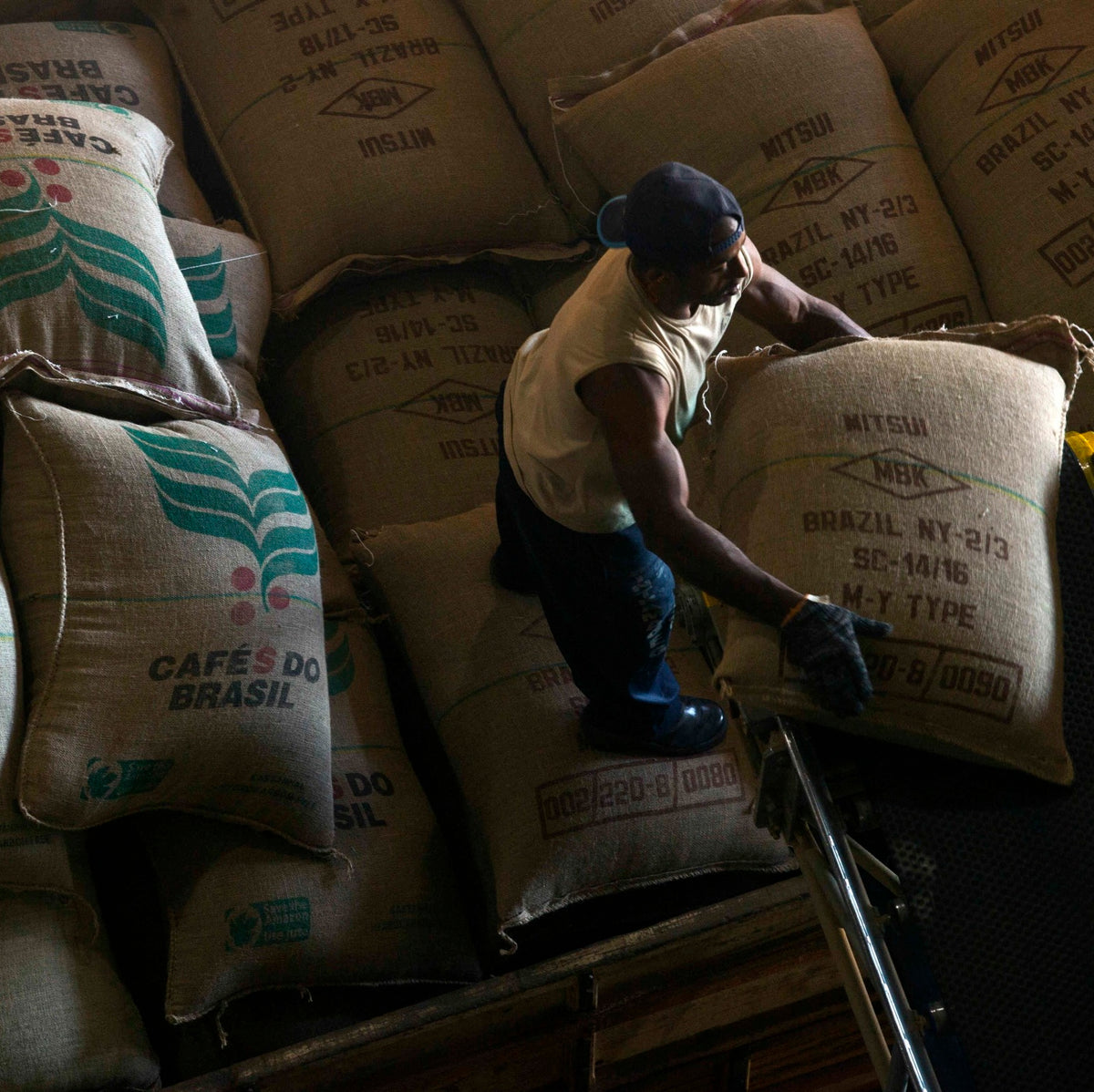
    One of the most practical advantages of buying green coffee beans is shelf life. Stored correctly, green coffee beans last considerably longer than roasted coffee - up to 12 months, and in some cases beyond, without significant loss of quality. This makes them an efficient choice whether you're a home roaster buying in small batches or a roastery managing stock across multiple origins. Roasted coffee, by comparison, begins to stale within weeks of leaving the drum.

    To store green coffee beans properly, keep them in a cool, dry place away from direct sunlight, heat sources and strong odours. Green beans are porous and will absorb smells from their environment, which can affect flavour when roasted. An airtight container or a sealed bag.

    Avoid storing green coffee beans in the fridge or freezer unless they are vacuum-sealed. Temperature fluctuations cause condensation, which introduces moisture and accelerates degradation. A cupboard, cool pantry or dedicated storage area at a stable room temperature is the best long-term option.

    The most reliable indicator that green coffee beans have gone stale is smell fresh green beans have a clean, faintly grassy or hay-like scent. If they smell musty, sour or flat, quality has likely deteriorated. Visually, faded or dull colouration and a loss of the characteristic waxy sheen can also signal age. Buying from a supplier who is transparent about harvest dates and stock levels and who turns over inventory regularly is the most reliable way to ensure you're always roasting fresh green beans.

  • All-Round Espresso Brewing

    Grønne Kaffebønner til Alsidig Espresso

    Grønne kaffer til espresso, der fungerer både sort og med mælk. Balancerede, sødmefulde og fleksible.

  • Fruity Filter Brewing

    Grønne Kaffebønner til Frugtig Filterbrygning

    Frugtdrevne grønne kaffer med klar syre og sødme, udvalgt for markant præstation i filterbrygning.

  • Mild Filter Brewing

    Grøn Kaffe til Mild Filterbrygning

    Grønne kaffer til en mildere kop – bløde, med lavere syre og diskret sødme i et klassisk filterudtryk.

  • Aillio Roasters

    Aillio Coffee Roasters

    Professional-grade drum roasters built for roasters who want full control. From the compact R1 V2 to the R2 Pro, Aillio makes serious home and small-batch roasting possible.

  • Kaffelogic Coffee Roaster

    Kaffelogic Coffee Roaster

    The Kaffelogic Nano 7 is the go-to starter roaster for home roasters who want great results without the learning curve. Compact, consistent, and genuinely easy to use.

  • Small Batch Bundle Builder

    Sammensæt Din Egen Pakke

    Sammensæt din egen pakke med 0,5 kg eller 1 kg kaffer. Spar op til 25 %.

Your questions, answered

What are green coffee beans?

Green coffee beans are unroasted coffee beans - the raw seeds extracted from the coffee cherry before they undergo the roasting process. They are pale grey-green in colour, dense, and have a grassy, hay-like smell rather than the rich aroma of roasted coffee. All coffee, regardless of origin, processing method or roast level, starts as a green coffee bean.

Where can I buy green coffee beans in the UK?

Green Coffee Collective is one of the UK's leading suppliers of green coffee beans, stocking 250+ unroasted coffees from over 30 origins. With quantities available from 0.5kg for home roasters up to 30kg for trade buyers. You can browse the full range and order directly online.

How long do green coffee beans last?

Green coffee beans last up to 12 months when stored correctly - significantly longer than roasted coffee, which begins to stale within weeks. To maximise shelf life, store green beans in an airtight container in a cool, dry place away from direct sunlight, moisture and strong odours. Properly stored green coffee beans will retain their flavour potential and roasting characteristics throughout this period.

How do you roast green coffee beans at home?

To roast green coffee beans at home, apply controlled heat until the beans reach your desired roast level. You can use a dedicated home coffee roaster - such as the Kaffelogic Nano 7 or Aillio Bullet - a stovetop pan, or a popcorn popper for a basic starting point. Listen for first crack, which signals a light to medium roast is developing, and second crack for darker roasts. Rest the beans for at least 24 hours after roasting before brewing.

What is the difference between green coffee beans and roasted coffee beans?

Green coffee beans are raw and unroasted - they contain all the latent flavour compounds that roasting will develop, but taste grassy and astringent if brewed without roasting first. Roasted coffee beans have been subjected to heat, which drives off moisture, triggers the Maillard reaction, and develops the aroma, colour and flavour we associate with coffee. Green beans last up to 12 months; roasted beans are best used within 4-6 weeks.

Can I buy green coffee beans in bulk?

Yes all green coffee beans at Green Coffee Collective are available in quantities from 0.5kg up to 30kg, with per-kg pricing that reduces as volume increases. Bulk green coffee beans are a cost-effective option for roasteries, coffee shops and anyone roasting regularly at home. If you need quantities beyond what's listed, get in touch to discuss larger or ongoing supply.

Are your green coffee beans Arabica or Robusta?

The majority of our green coffee beans are Arabica, sourced from specialty-focused importers across Africa, the Americas and Asia. We also stock Robusta green coffee beans for roasters who want higher caffeine content, a bolder flavour profile, or a cost-effective base for espresso blending. Each product page clearly states the species and varietal so you always know exactly what you're buying.

What are the best green coffee beans for home roasting?

The best green coffee beans for home roasting depend on your equipment and flavour preferences. For beginners, a natural Brazil or washed Colombian are reliable starting points - both are forgiving across a wide roast range and produce consistent, crowd-pleasing results. More experienced home roasters often gravitate toward East African origins like Ethiopia or Kenya for their complexity, or experimental processed lots for something more challenging and distinctive.

Do you sell organic green coffee beans?

Yes - we stock a selection of certified organic green coffee beans alongside our wider range. Organic lots are clearly labelled on each product page. Availability varies with the harvest calendar, so if you're looking for a specific organic origin, check the current stock or sign up to our newsletter to be notified when new lots land.

What is the difference between green coffee beans and raw coffee beans?

There is no difference - green coffee beans and raw coffee beans are the same thing. Both terms describe unroasted coffee beans in their natural state, before heat is applied. You may also see them referred to as unroasted coffee beans. All three terms are used interchangeably across the coffee industry, and all refer to coffee that is ready for roasting rather than brewing.