Green Coffee Beans for Espresso
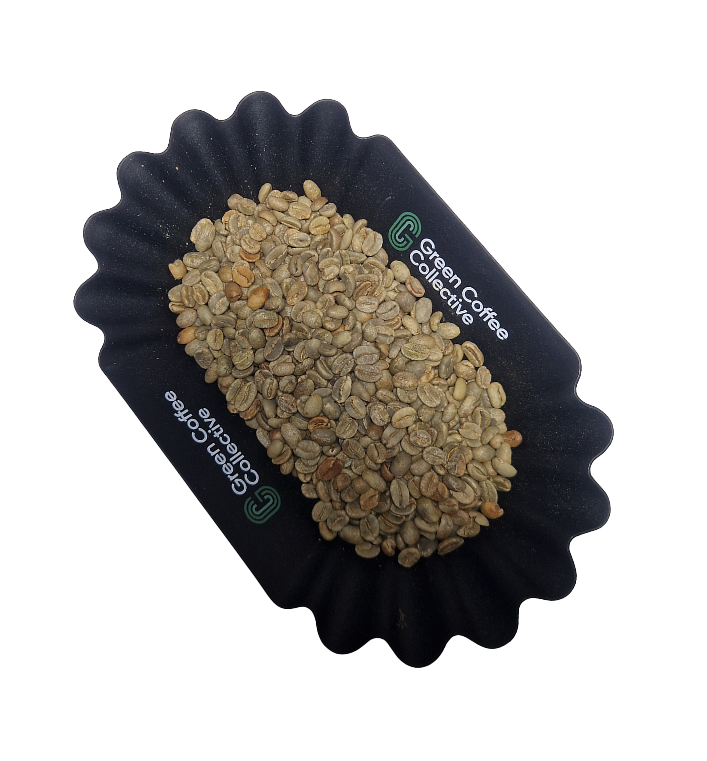
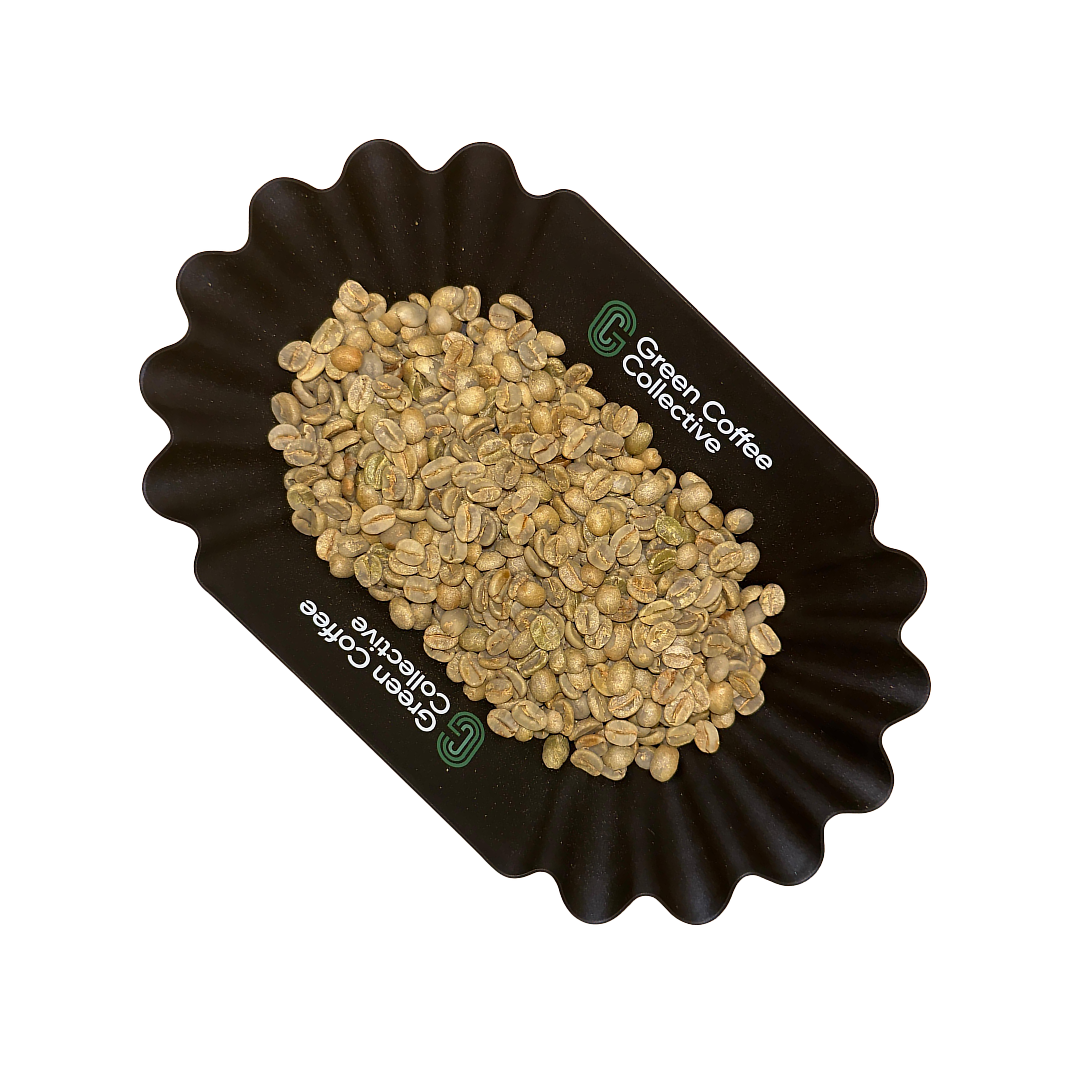
Unroasted green coffee for espresso roasters. These lots are picked to work both ways – as a straight shot and under milk – so they suit a house espresso or a single bean that has to do everything. Expect sweetness, structure and enough body to carry milk, mostly from washed and natural Brazils, Colombians and Peruvians. Buy from 0.5kg with samples on most lots – and if you want a base that stays on the menu all year, see our staple green coffees. Looking for roasted coffee? These are raw beans you roast yourself – here's how to start.
-
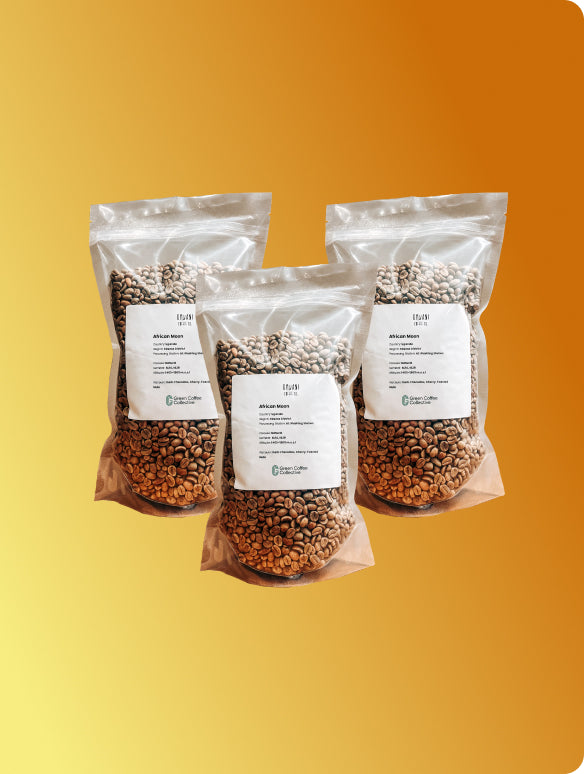
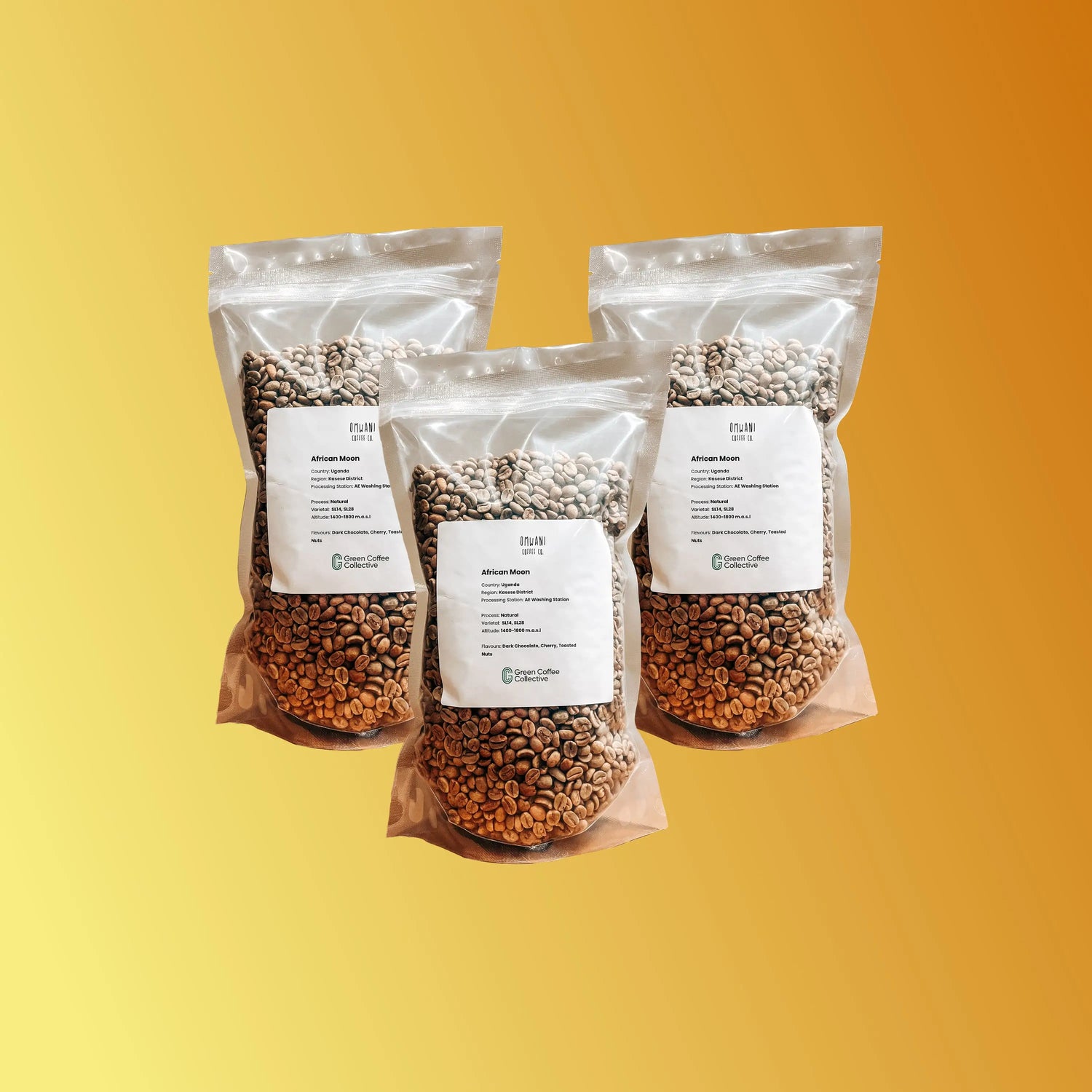
African Moon
Cupping Score83.75Processing MethodVarietalSL 14, SL 28Main Flavour NotesDark Chocolate | Brown Sugar | Pecan | Cashew | PlumIn stock- 10 -
Kwezi Natural - Drugar Premium
Cupping Score85.0Processing MethodVarietalSL 14Main Flavour NotesFruity | Nutty | Honey | ChocolateOut of stock -
Regional Huila
Cupping Score85.25Processing MethodVarietalCastillo, CaturraMain Flavour NotesHazelnut | Caramel | Panela | Orange Peel | AppleLow stock- 12 -
Ciasu Peaberry Field Blend
Cupping Score85.0Processing MethodVarietalCatucai, Mundo Novo, AcaiáMain Flavour NotesOrange | Molasses | Juicy | NegroniOut of stock -
Natural Andrea Costa
Cupping Score83.0Processing MethodVarietalRed CatuaiMain Flavour NotesWalnut | CocoaOut of stock -
Sitio Baixao da Serra - Natural Brazil
Cupping Score83.25Processing MethodVarietalCatucaiMain Flavour NotesHoney | Almond | Dark Chocolate | Plum | CherryLow stock- 1 -
Pinhal Blend
Cupping Score82.5Processing MethodVarietalMultipleMain Flavour NotesDark Chocolate | Cherry | Macadamia | MolassesOut of stock -
Kenya Orange CoFerment
Cupping Score86.0Processing MethodVarietalBatian, Ruiru 11Main Flavour NotesCaramel | Orange | PecanOut of stock -
Priory Farm AB
Cupping Score86.0Processing MethodVarietalRuiru 11, BatianMain Flavour NotesDry Fruit | Citrus | MolassesOut of stock -
Timaná Community - Washed Castillo
Cupping Score84.0Processing MethodVarietalCastilloMain Flavour NotesLight Caramel, Toffee, Orange, WalnutOut of stock -
Rotutu Washed
Cupping Score86.0Processing MethodVarietalTimor Hybrid, TypicaMain Flavour NotesOrange | Treacle | SyrupyIn stock- 11 -
Priory Farm AA
Cupping Score85.75Processing MethodVarietalRuiru 11, BatianMain Flavour NotesRaisins | Berry | ColaOut of stock -
Hunbatz Washed 2025
Cupping Score85.0Processing MethodVarietalMultipleMain Flavour NotesMilk Chocolate | Hazelnut | Coconut | ClementineOut of stock -
Hunchouen Washed
Cupping Score86.0Processing MethodVarietalMultipleMain Flavour NotesButterscotch | Peach Compote | Pear | White ChocolateOut of stock -
Brazil NY 2/3 Scr. 14/16 Natural
Cupping Score80.25Processing MethodVarietalBourbon, Catimor, Catuai, Caturra, Mundo NovoMain Flavour NotesNut | Earthy | CedarOut of stock -
Colombia Excelso EP
Cupping Score80.0Processing MethodVarietalBourbon, Castillo, Typica, Caturra, ColombiaOut of stock -
Manoso Honey Peaberry
Cupping Score86.0Processing MethodVarietalMundo Novo PeaberryMain Flavour NotesBrown Butter | Caramelised Nuts | Apple TurnoverOut of stock -
Kericho County AA - Kenyan Decaf
Cupping Score85.25Processing MethodVarietalBatian, Ruiru 11, SL 28, SL 34Main Flavour NotesBrown Sugar | Malt | HoneyOut of stock -
Nova Blend
Cupping Score83.75Processing MethodVarietalMultipleMain Flavour NotesToblerone | Brown Sugar | Tangerine | CherriesOut of stock -
Mitiku Yabato Natural
Cupping Score87.75Processing MethodVarietal74158, 74110, Local Land RacesMain Flavour NotesBlueberry | Creamy | UmamiOut of stock -
Risaralda Decaf Regional Blend
Cupping Score83.75Processing MethodVarietalCastillo, Variedad Colombia, CaturraMain Flavour NotesGolden Raisin | Milk Chocolate | White SugarOut of stock -
Midnight Flyer
Cupping Score86.5Processing MethodVarietalSL 14, SL 28Main Flavour NotesBlackcurrant | Candied Citrus | Juicy | SweetOut of stock -
Nimbus Pink Bourbon Decaf
Cupping Score86.0Processing MethodVarietalPink BourbonMain Flavour NotesPapaya | Blueberry Compote | SherryOut of stock -
Hunbatz Washed
Cupping Score85.0Processing MethodVarietalMultipleMain Flavour NotesRed Currant | Peach | Golden Caster SugarIn stock- 39 -
Nuevo Vergel | Maragogype Natural
Cupping Score87.0Processing MethodVarietalRed MaragogypeMain Flavour NotesStrawberry | Caramel | MandarinOut of stock -
Brazil Vila Boa Yellow Bourbon Natural Carbon Neutral
Cupping Score80.0Processing MethodVarietalYellow BourbonIn stock- 8 -
Huehuetepan Natural Anaerobic
Cupping Score87.0Processing MethodVarietalTypicaMain Flavour NotesRipe Cherry | Plum | BananaOut of stock -
Honey process Alko Sumatra
Cupping Score87.5Processing MethodVarietalAndung Sari, Sigarar UtangMain Flavour NotesPlum | Pungent | Dark Chocolate | BalsamicOut of stock -
Washed Starmaya AA
Cupping Score83.0Processing MethodVarietalStarmayaMain Flavour NotesBrown Sugar | Cocoa Powder | Walnut | CitrusOut of stock -
Starmaya PB (Fully Washed)
Cupping Score83.75Processing MethodVarietalStarmayaMain Flavour NotesDark Chocolate | Dark Berries | BramblesOut of stock -
KA-SB-23 - Washed Garnica - Kalsada Sitio Belis
Cupping Score84.75Processing MethodVarietalGarnicaMain Flavour NotesCalamansi | Green Apples | Milk ChocolateOut of stock -
Gladys Erazo - Red Bourbon
Cupping Score87.0Processing MethodVarietalRed BourbonMain Flavour NotesDulce de leche | Floral | PistachioOut of stock -
Chiapas Organic Decaf
Processing MethodVarietalTypica, Mundo Novo, Bourbon, CaturraMain Flavour NotesChocolate | Dried Fruits | Red AppleIn stock- 21 -
Papua New Guinea Washed Typica
Cupping Score83.5Processing MethodVarietalTypicaMain Flavour NotesCaramel | Chocolate | Floral | Herb | SpiceLow stock- 2 -
ALKO Kerinci Natural
Cupping Score86.0Processing MethodVarietalAndung Sari, Sigarar UtangMain Flavour NotesBerry | Peach | Maple Syrup | HoneyOut of stock -
Marco Romero | Bourbon Natural
Cupping Score86.5Processing MethodVarietalRed BourbonMain Flavour NotesRed Fruits | Strawberry | Plum | Hazelnut | SilkyOut of stock -
Agri Evolve Extended Fermentation
Cupping Score86.75Processing MethodVarietalSL 14, SL 28Main Flavour NotesBlackberry | Juicy | Violet | FunkyOut of stock -
Regional Sierra Nevada Blend
Cupping Score84.5Processing MethodVarietalCastillo, Caturra, Colombia, TypicaMain Flavour NotesVibrant | Orange | Lemon | Clean | Floral | HoneyOut of stock -
Amatillo Bourbon Catuai
Cupping Score89.25Processing MethodVarietalCatuai, BourbonMain Flavour NotesRaspberry Compote | Black Grape | Lime | Red CurrantOut of stock -
Makicuna Blend
Cupping Score86.25Processing MethodVarietalSidra, Typica Mejorado, Caturra, BourbonMain Flavour NotesBerry | Citric | CaramelOut of stock -
MW Decaf Quetzal (2024 Harvest)
Cupping Score82.25Processing MethodVarietalTypica, Mundo Novo, Bourbon, CaturraMain Flavour NotesCitrus | SweetOut of stock -
Bethania Hortensia - Washed Catuai
Cupping Score85.5Processing MethodVarietalCatuaiMain Flavour NotesVelvety | Berries | CacaoOut of stock -
San José Ocaña
Cupping Score85.75Processing MethodVarietalBourbonMain Flavour NotesBlackberry | Plum | Vanilla | HoneyOut of stock -
Gui Ben Natural
Cupping Score85.75Processing MethodVarietalCatimor (P3 / P4)Main Flavour NotesGrape Jelly | Kumquat | Cacao NibsOut of stock -
Natural Marsellesa C
Cupping Score84.5Processing MethodVarietalMarsellesaMain Flavour NotesCacao Nibs | Honey | Dry FruitOut of stock -
Edinson Argote Yeast Inoculation
Cupping Score86.0Processing MethodVarietalCastilloMain Flavour NotesCherry | Blackberry | CaramelOut of stock -
Elvis Choquehuanca Washed Caturra
Cupping Score85.5Processing MethodVarietalCaturraMain Flavour NotesNectarines | Wild Berries | CaramelOut of stock -
Musaza Lot 1
Cupping Score85.25Processing MethodVarietalRed BourbonMain Flavour NotesAlmond | Cedar | Cola | Raisin | CitrusIn stock- 6












































































Your guide to Green Coffee Beans for Espresso
-
What makes a green coffee good for espresso
-
Roasting green coffee for espresso
-
Single origin or blend?