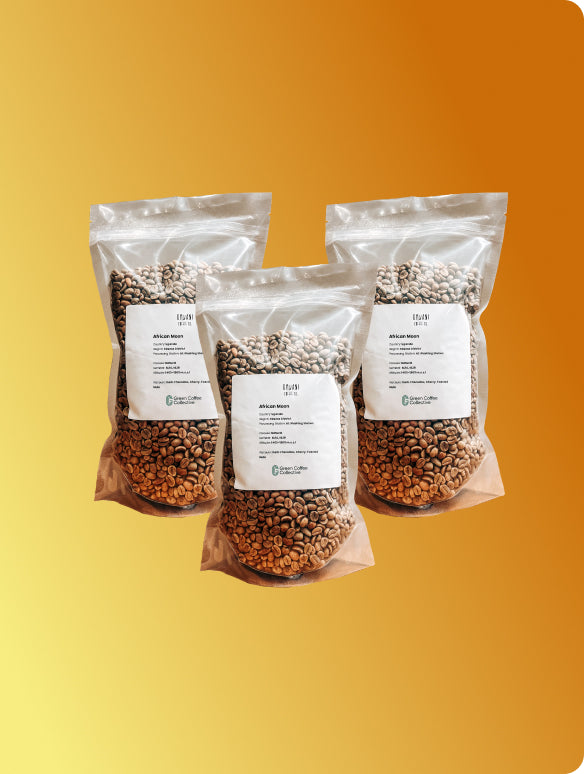
Anaerobic Green Coffee Beans
Unroasted anaerobic green coffee for roasters. These lots are fermented in sealed, oxygen-free tanks before drying – as whole cherry (anaerobic natural), depulped (anaerobic washed or honey), or both. Done well, the result is intense fruit, winey depth and a layered, distinctive cup. Buy from 0.5kg with samples on most lots – for the CO₂-fermented end of the spectrum, see our carbonic maceration lots. Looking for roasted coffee? These are raw beans you roast yourself – here's how to start.
-
San Juan De La Unión Anaerobic Washed Microlot
Processing MethodVarietalTypica, Bourbon, Mundo NovoOut of stock -
Huehuetepan Natural Anaerobic
Cupping Score87.0Processing MethodVarietalTypicaMain Flavour NotesRipe Cherry | Plum | BananaOut of stock -
Equatoria Coffee Excelsa Anaerobic
Cupping Score82.25Processing MethodVarietalCoffea Liberica var. DewevreiMain Flavour NotesChamomile | Green Apple | Honey | PecanOut of stock -
Colombia El Fenix Tabi - Washed Anoxic
Cupping Score85.75Processing MethodVarietalTabiMain Flavour NotesPomegranate | Candied Lemon | MojitoOut of stock -
Andres Bazos - Red Caturra - ⚠️ Parchment Issue
Cupping Score83.5Processing MethodVarietalRed CaturraMain Flavour NotesOrange Citrus | Caramel | Milk ChocolateOut of stock -
Llave de Oro - Andres Bazos - Rainforest Alliance - Estate Lot
Cupping Score83.5Processing MethodVarietalRed CaturraMain Flavour NotesOrange Citrus | Caramel | Milk ChocolateOut of stock -
Niguse Nare Anaerobic Fermentation
Cupping Score86.25Processing MethodVarietal74158Main Flavour NotesBlueberry | Peach | Floral | LimeIn stock- 2 -
La Reserva Wush Wush
Cupping Score88.0Processing MethodVarietalSidra, Wush WushMain Flavour NotesRose | Mango | Berries | PapayaOut of stock -
Tadessa Yonka Anaerobic Fermentation
Cupping Score86.5Processing MethodVarietal74158Main Flavour NotesCream | Mango | StrawberryIn stock- 3 -
Faustino Flores - Natural Marshell
Cupping Score87.5Processing MethodVarietalMarshellMain Flavour NotesBlueberry | Citrus Fruits | CreamyIn stock- 3 -
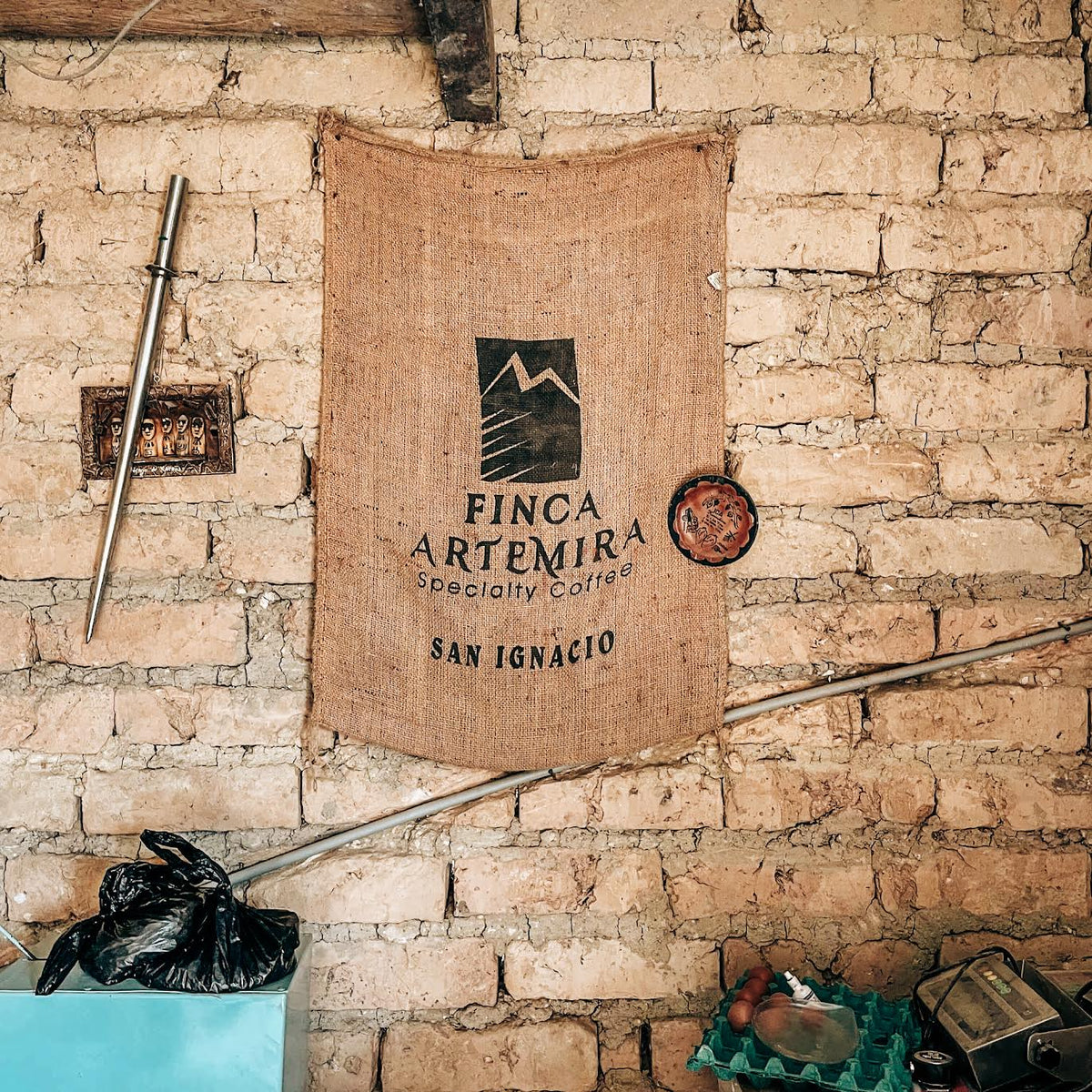
Finca Artemira Washed Tabi
Cupping Score86.5Processing MethodVarietalTabiMain Flavour NotesCaramel | Plum | OrangeIn stock- 12 -
Manuel Rosendo Marlo Baca - Geisha Green Tip
Cupping Score88.0Processing MethodVarietalGreen Tip GeishaMain Flavour NotesFloral | Panela | GrapefruitIn stock- 3 -
David Flores Washed Marshell
Cupping Score87.0Processing MethodVarietalMarshellMain Flavour NotesDark Chocolate | OrangeIn stock- 12 -
Rogelio Pena - Typica & Caturra
Cupping Score86.5Processing MethodVarietalTypica, CaturraMain Flavour NotesRed Fruits | Panela | VanillaIn stock- 10 -
Miller Bravo Daza Washed Gesha
Cupping Score88.06Processing MethodVarietalGeshaMain Flavour NotesWine | Cherry | Sangria | Dark ChocolateLow stock- 9 -
Eulices Fabian Quilindo Natural Pink Bourbon
Cupping Score87.58Processing MethodVarietalPink BourbonMain Flavour NotesBlackberries | Grape | CocoaLow stock- 3











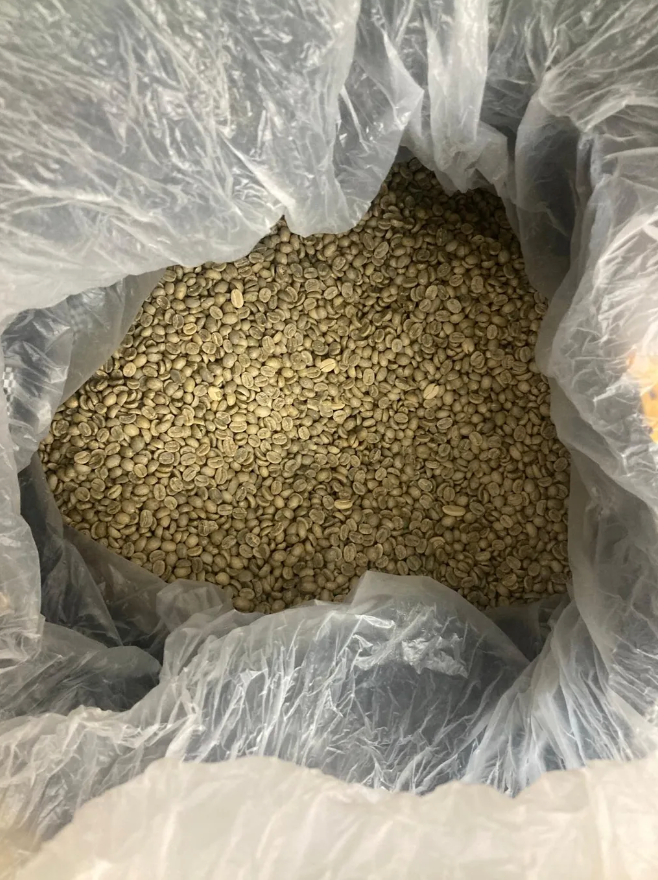



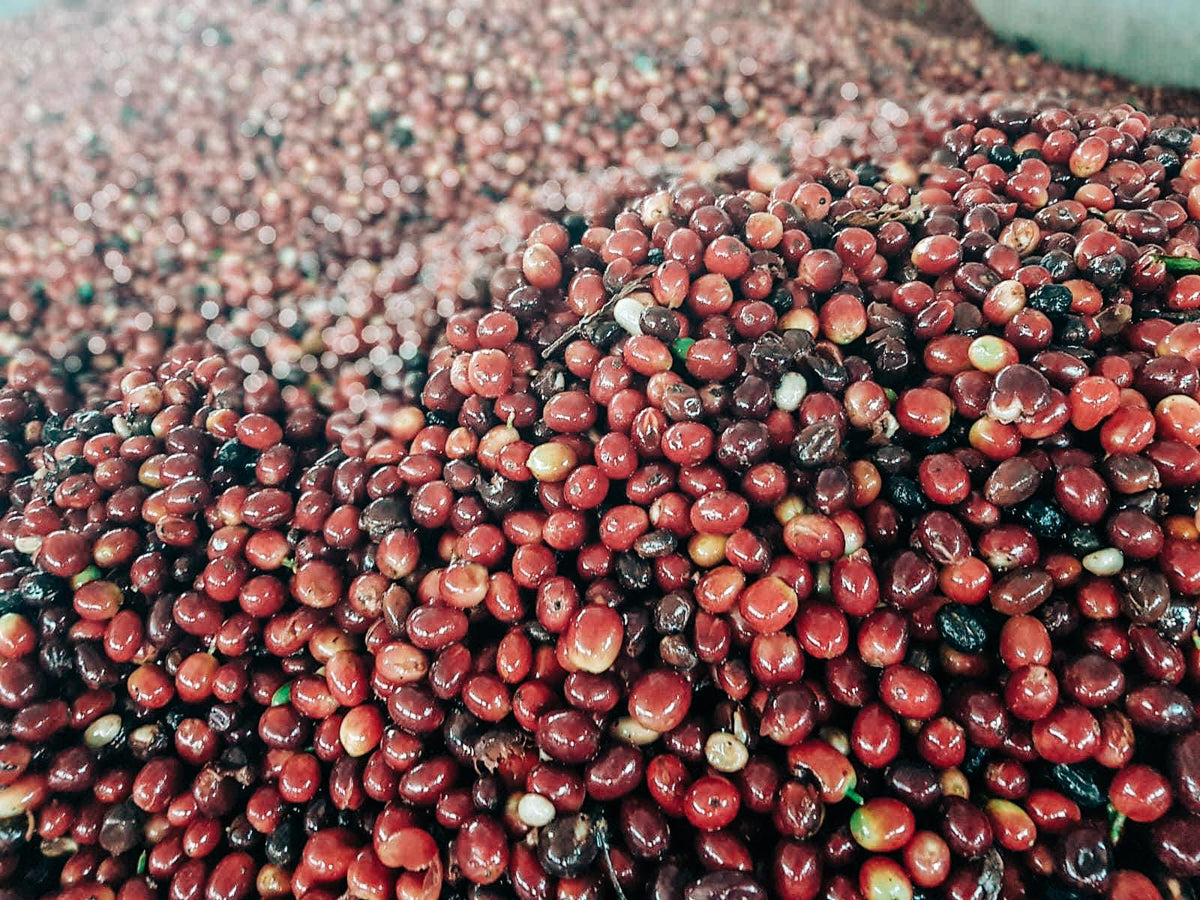

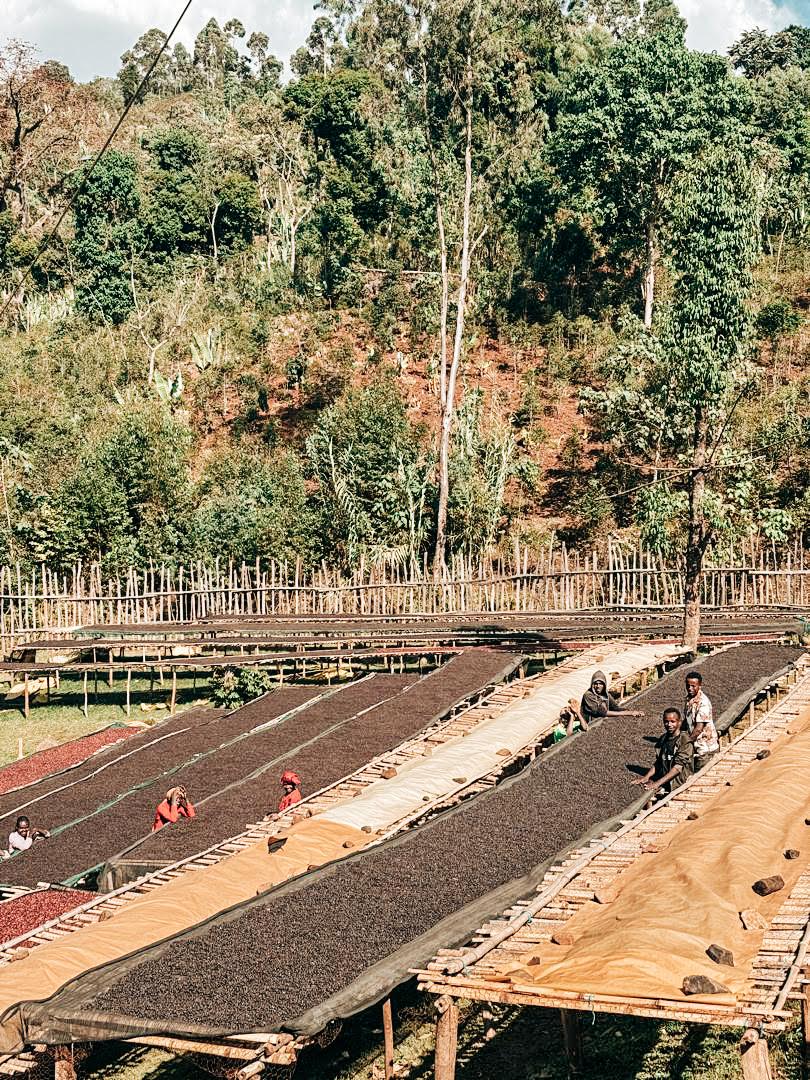

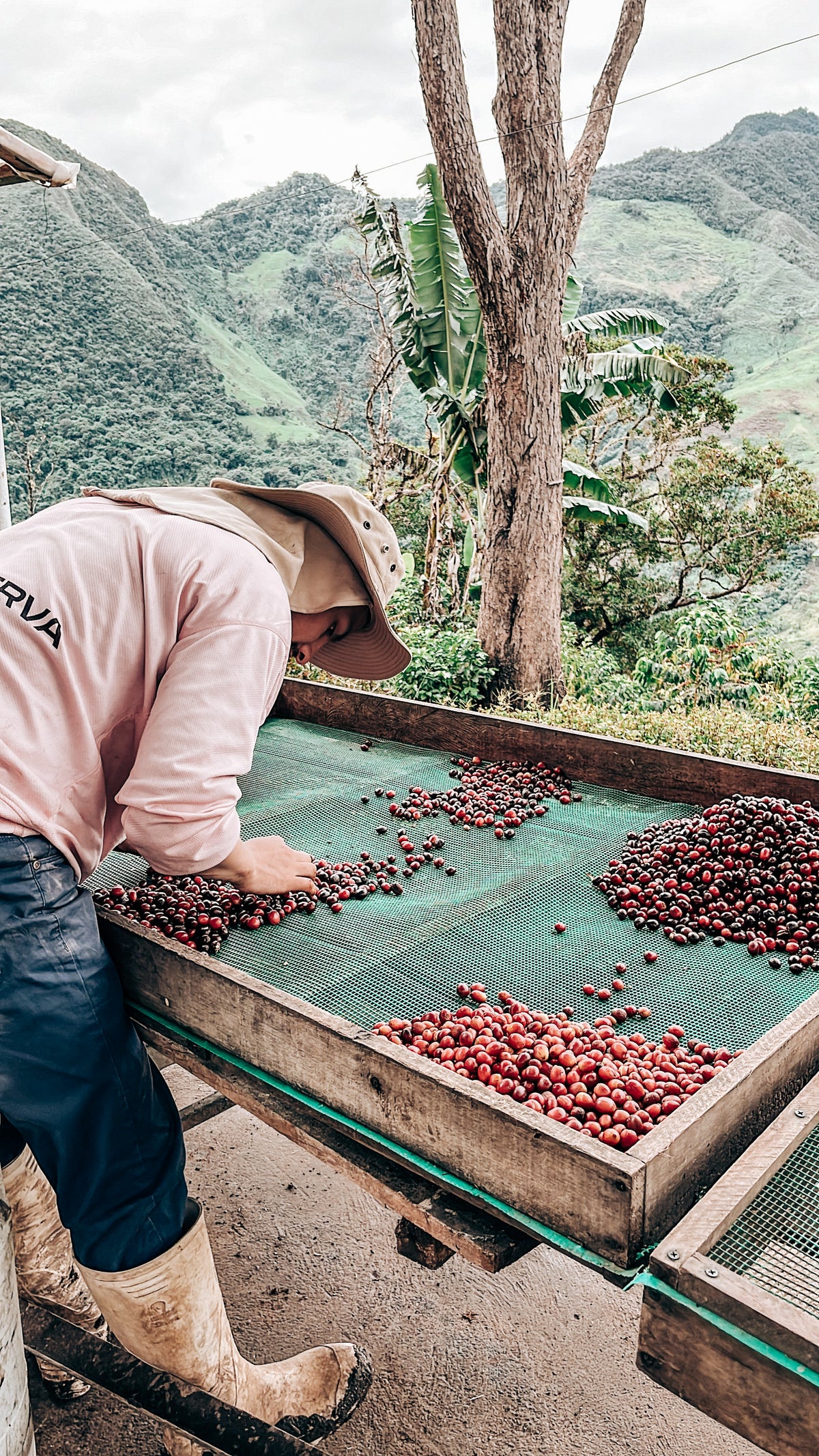






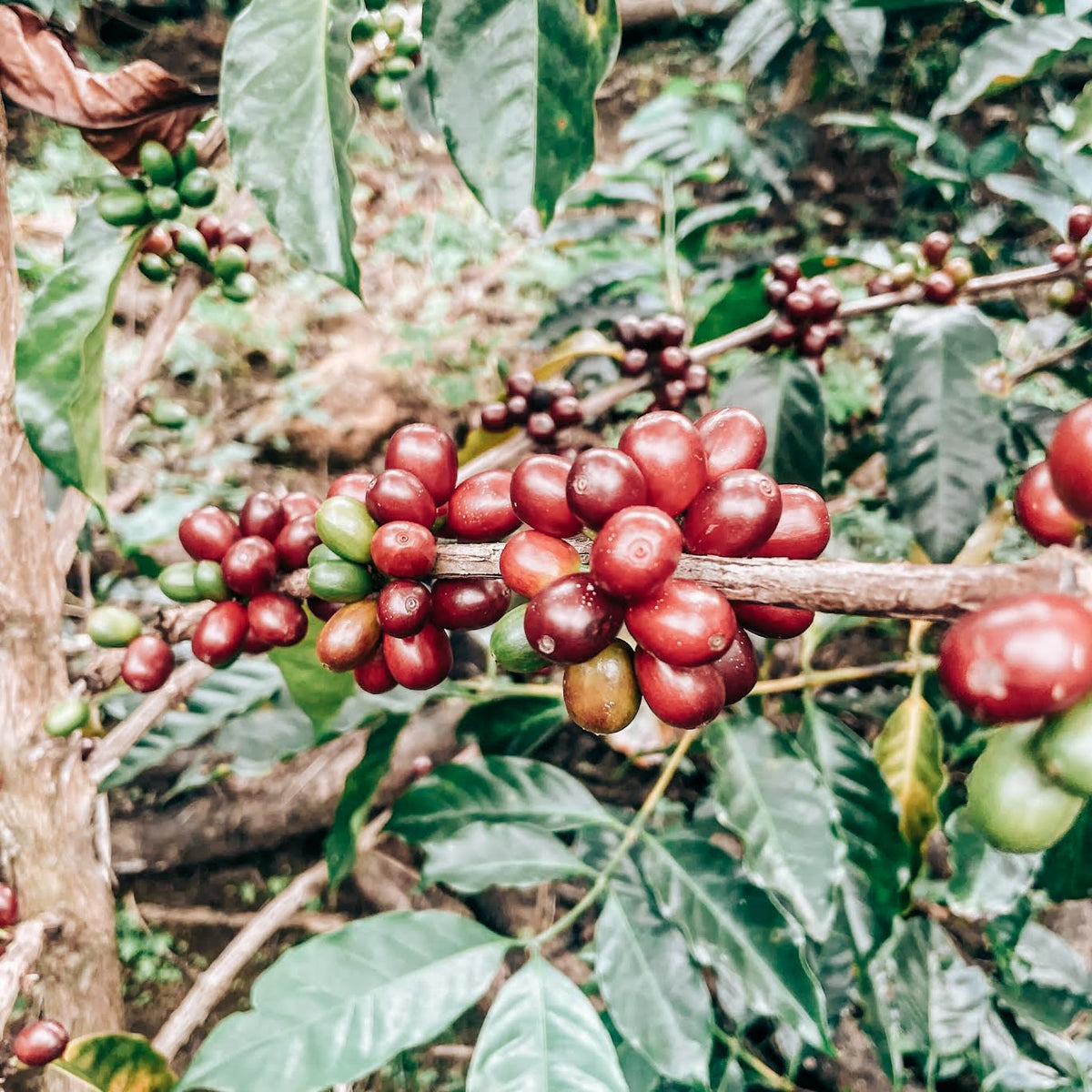





Your guide to Anaerobic Green Coffee Beans
-
How anaerobic fermentation works
-
Roasting anaerobic green coffee
-
Anaerobic natural vs anaerobic washed
-
Origins in our anaerobic range