Sourced by Cargo. Fulfilled by Green Coffee Collective.

Buy high-quality green coffee in small volumes, with fast delivery.

  • About Cargo

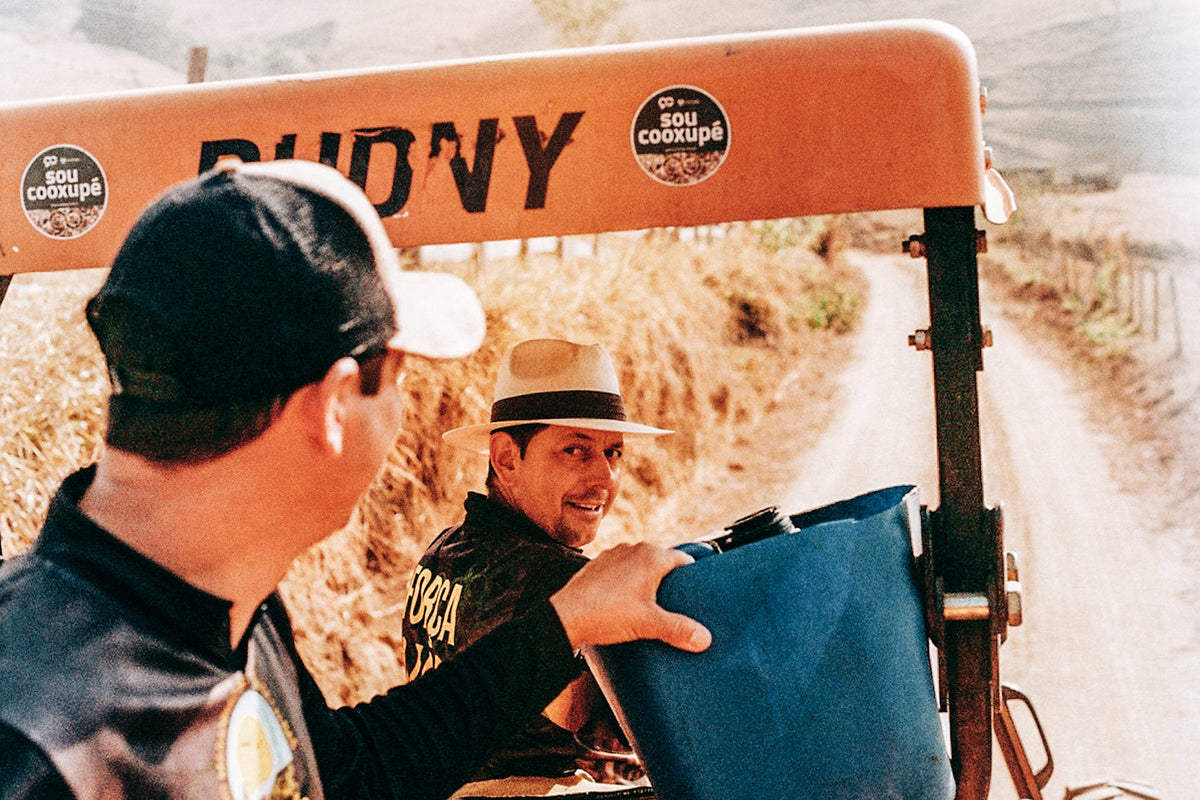
    Cargo was founded by Phil, who has spent over 20 years working across the UK specialty coffee industry - at small roasters, running his own roastery, as co-director of another, and leading the coffee programme for a major cultural institution in London. Cargo is the culmination of that experience: a focused importer built around the belief that the positive impact of specialty coffee should reach the smallholder producers who need it most, not be absorbed by the large corporations that dominate Brazil's coffee trade.

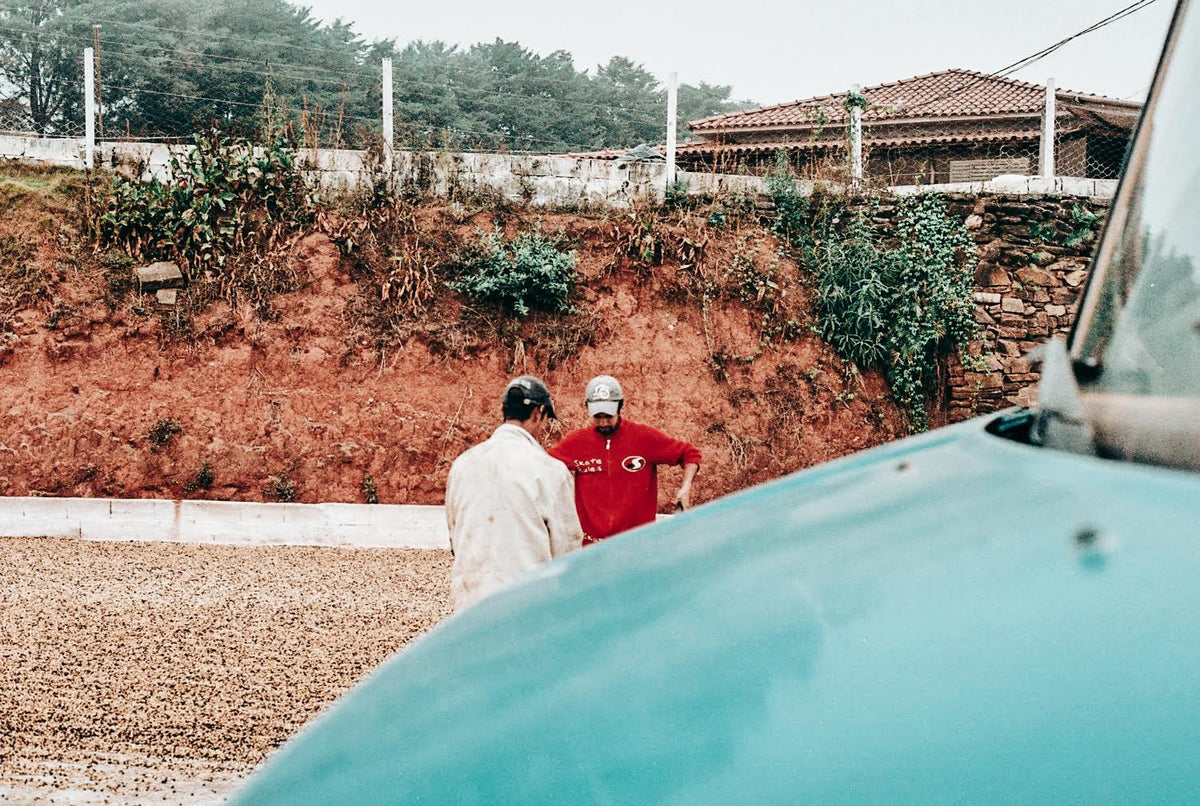
    The business was sparked by meeting Paulo Agualetti at Sítio Água Fria - a professional producer farming a small plot with exceptional terroir, dedicated solely to high-scoring specialty coffee. That encounter became the template for how Cargo operates: finding high-potential, underrepresented producers in unconventional places, building meaningful and transparent relationships with them, and connecting them directly with UK roasters who can provide the best value for their coffees.

    Cargo's offer is deliberately focused. Rather than aggregating volume across a wide network, Phil maintains close relationships with a small group of Brazilian producers who demonstrate a sustained commitment to quality - farmers who are investing in their processing, their team, and the long-term viability of their farms. Every coffee comes with full traceability and the story of the people behind it.

  • Why Brazil, Why Small

    Brazil is the world's largest coffee producer, and the vast majority of its output is controlled by large corporations operating at commodity scale. For the smallholder producers working at the edges of that system - farming two hectares, or sixty, or a hundred - getting direct access to a specialty market that rewards quality rather than volume is genuinely difficult. Cargo exists to change that for a small number of exceptional producers.

    Phil's approach is to look for high potential in unconventional places: producers who are ready to make the shift to specialty, or who have already made it but lack the direct market access to be rewarded for it. What he looks for is not just location or terroir - though both matter - but the commitment and meticulous dedication that producing coffee scoring 84 SCA points and above, year after year, actually requires. The producers Cargo works with have demonstrated that pursuit of excellence, and the direct relationships Phil builds with them are how they access a market that values it.

    For roasters, that means something straightforward: exciting coffee, authentic connections, and stories worth sharing - from producers who are genuinely invested in the outcome.

  • The Producers

    Sítio Gourita - Edison Ferreira Carson
    Edison has been producing coffee at Sítio Gourita for almost forty years, in Minas Gerais. He began working in coffee at 15, started planting his own trees in 1986, and in 2018 made the decision to shift from conventional production to specialty - focusing on quality over yield. He grows the Topázio variety, processed as natural, at 1,100 metres above sea level across a 60-hectare farm. In 2025, the farm produced 575 bags of specialty coffee within a total harvest of 1,200 bags. Edison and his wife Kerli manage the farm together, with Kerli overseeing post-harvest processes. Their children, Edison Junior and Maria Eduarda, are now involved in the operation, and Edison Junior is studying agronomy.

    Sítio Água Fria - Paulo Agualetti
    Paulo is a professional coffee producer farming a small plot with exceptional terroir, dedicated entirely to high-scoring specialty coffee. Meeting Paulo was the catalyst for what became Cargo.

    Sítio Baixão da Serra - Abner and Vanessa Carvalho
    Abner and Vanessa sold their house in 2011 to buy Sítio Baixão da Serra in Caldas - a two-hectare farm at 1,150 metres above sea level. Their first years were focused on understanding what quality production required, and by 2019 they had improved their harvest and post-harvest procedures to the point of producing an 88-point lot. In 2021, one of their lots was among the ten best specialty coffees of their cooperative's harvest. The farm grows Catucaí, processed as natural - dried in full sun, turned, piled, and covered at night to ensure a slow and even drying process. Annual production is approximately 100 bags. Abner's brothers - Edir (Sítio Portela), Edivair, and Edenilson - are also experienced specialty producers, and the families work closely together during harvest and on sustainable farming practices.

    Fazenda Aracaçu - Carmen Lúcia Chaves de Brito
    Carmen Lúcia, known as Ucha, is a third-generation producer who left an academic career in Rio de Janeiro to return to her family's farms in Três Pontas, South of Minas. Fazenda Aracaçu is the smaller of two properties, with almost 98 hectares under coffee production. Combined with Fazenda Caxambu, the two farms cover 214 hectares of cultivated area with 104 hectares of protected land and 110,000 trees. Annual production across both farms is 4,500 bags, with ten varieties in production and 93 varieties growing in an experimental field as part of research into coffee plant genetics and new agricultural practices. Ucha has invested heavily in her team's development, including an on-site cupping lab. The farms' head of Quality Control, Dionatan Almeida, won the 2024 World Cup Tasters Championship - the first Brazilian to do so. In 2025, Fazendas Caxambu and Aracaçu won first place in the Natural category and received the Presidential Coffee title for a coffee scoring above 90.

  • What Cargo Brings to GCC

    Cargo's coffees are available through GCC in small, flexible quantities - giving roasters access to Phil's producer network without the volume commitments that direct import relationships typically require. Every lot is fully traceable, comes with the producer's story, and reflects the direct relationship Phil has built with the farm.

    The offer changes seasonally as harvests are confirmed and lots are cupped and selected. Phil publishes regular offer sheet updates - the GCC platform carries current availability.

How we package
our coffees

Barrier packaging designed for specialty coffee.

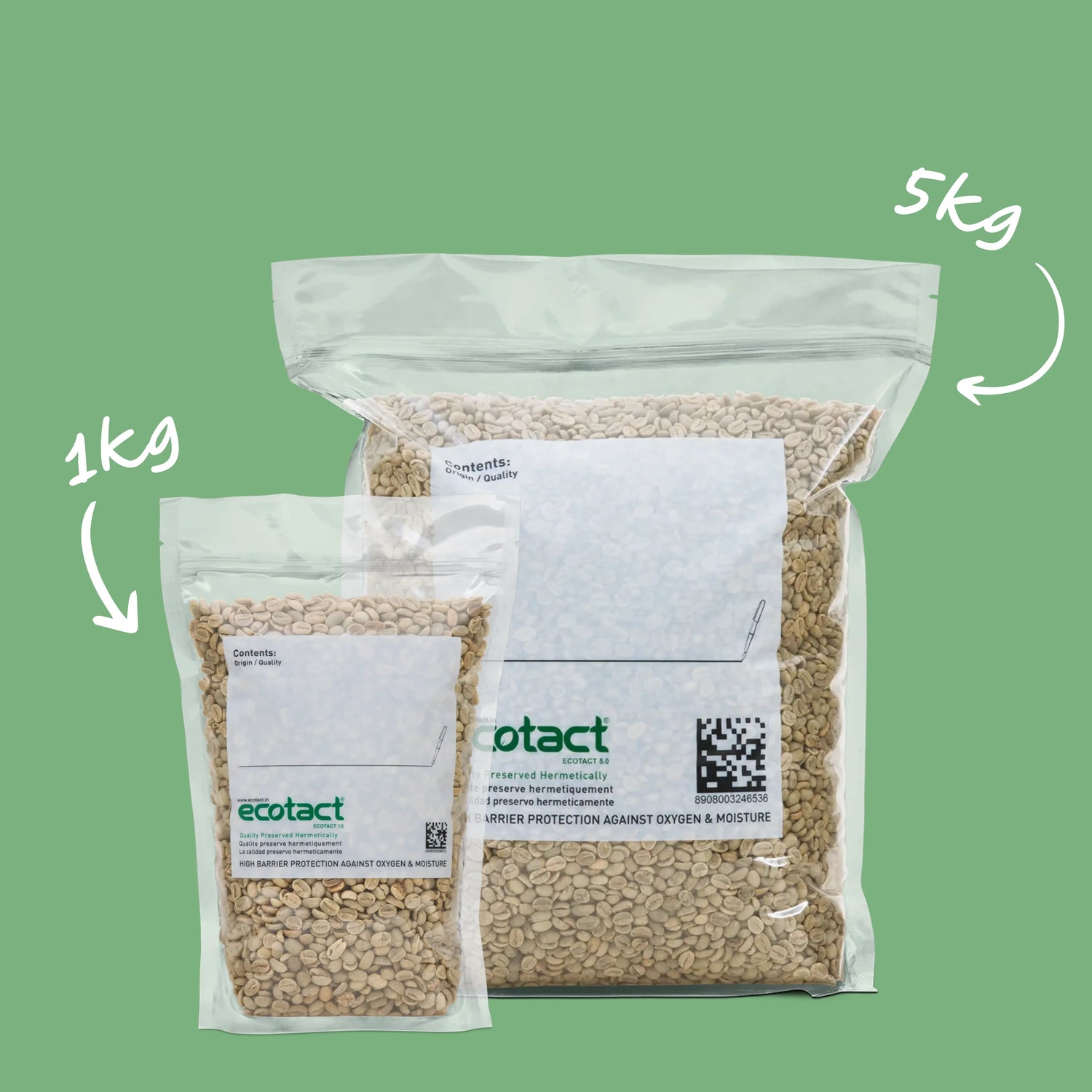
We use Ecotact bags because they offer high-barrier protection against oxygen, moisture, and external contaminants. This helps preserve the quality, aroma, and flavour potential of your green coffee during transport and storage. They're trusted by top producers and importers worldwide.

Heat-Sealed for Maximum Protection

Every bag is professionally heat sealed at our warehouse to lock in freshness. This creates a secure seal that prevents exposure to air or humidity - keeping your green coffee stable, even over long periods.

Convenient Resealable Zip Closures

Once opened, each bag has a resealable zip to help you store and protect the rest of your coffee between roasts. It’s a simple way to reduce waste and maintain freshness - especially helpful for home roasters or sampling.

Portion sizes for any roaster.

Whether you're roasting at home or running a production line, we've got a size to suit. Choose from 0.5kg, 1kg, or 5kg bags - all packed with the same level of care. Smaller volumes make it easy to try new coffees without the commitment.

Responsible packaging choices.

Our bags are made from Graded 7 multi-layer recyclable plastic. While they may not go in your home recycling bin, they are accepted by specialist facilities. More importantly, they reduce waste by dramatically extending the shelf life of your green coffee.
Your questions, answered

Who is Cargo?

Cargo is a UK-based green coffee importer founded by Phil, who has over 20 years of experience across the specialty coffee industry. Cargo focuses exclusively on Brazil, sourcing directly from a small group of smallholder and family-run producers who are committed to producing high-scoring specialty coffee.

Why does Cargo only work with Brazilian producers?

Brazil's coffee trade is dominated by large corporations, which makes it difficult for smallholder producers to access the specialty market directly. Cargo's purpose is to change that for a small number of high-potential producers - finding them, building transparent relationships with them, and connecting them with UK roasters who can reward quality fairly.

What kind of coffees does Cargo offer?

All of Cargo's coffees score 84 SCA points and above. The range includes natural and anaerobic processed lots from smallholder farms and family estates across Minas Gerais and Caldas, with varietals including Topázio, Catucaí, and Bourbon. The offer changes each harvest.

How does Phil select producers?

Phil looks for high-potential producers in unconventional places — farmers who have demonstrated a sustained commitment to quality, whether they are just making the shift to specialty or have been producing exceptional coffee without adequate market access. The relationships are built through direct contact, regular communication, and a genuine understanding of what each producer is trying to achieve.

Can I get larger volumes through Cargo?

GCC offers Cargo lots in smaller, flexible quantities. For larger volumes or a more direct conversation about the current offer, contact Phil directly at phil@coffeecargo.coffee.