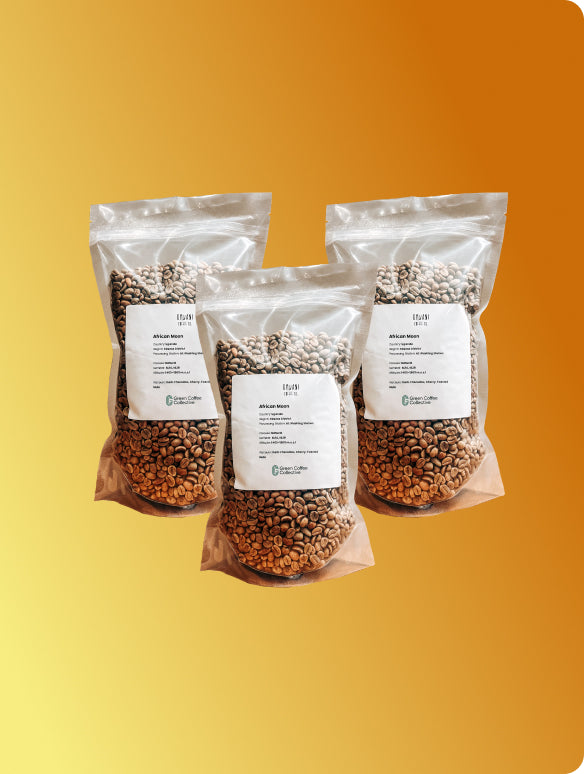
Sourced by Cofinet. Fulfilled by Green Coffee Collective.

Buy high-quality green coffee in small volumes, with fast delivery.

  • About Cofinet

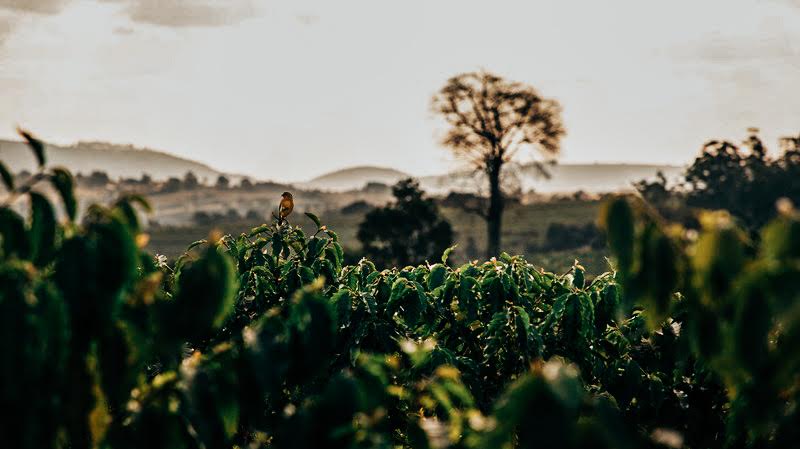
    Cofinet was founded in 2015 by fourth-generation coffee growers from Quindío, Colombia. Their family has been growing and distributing Colombian coffee for over 80 years, supplying local exporters before making the decision to become exporters themselves - taking the quality they had always produced and connecting it directly to roasters around the world. Today, Cofinet also works with growers in Peru, Honduras, and Brazil.

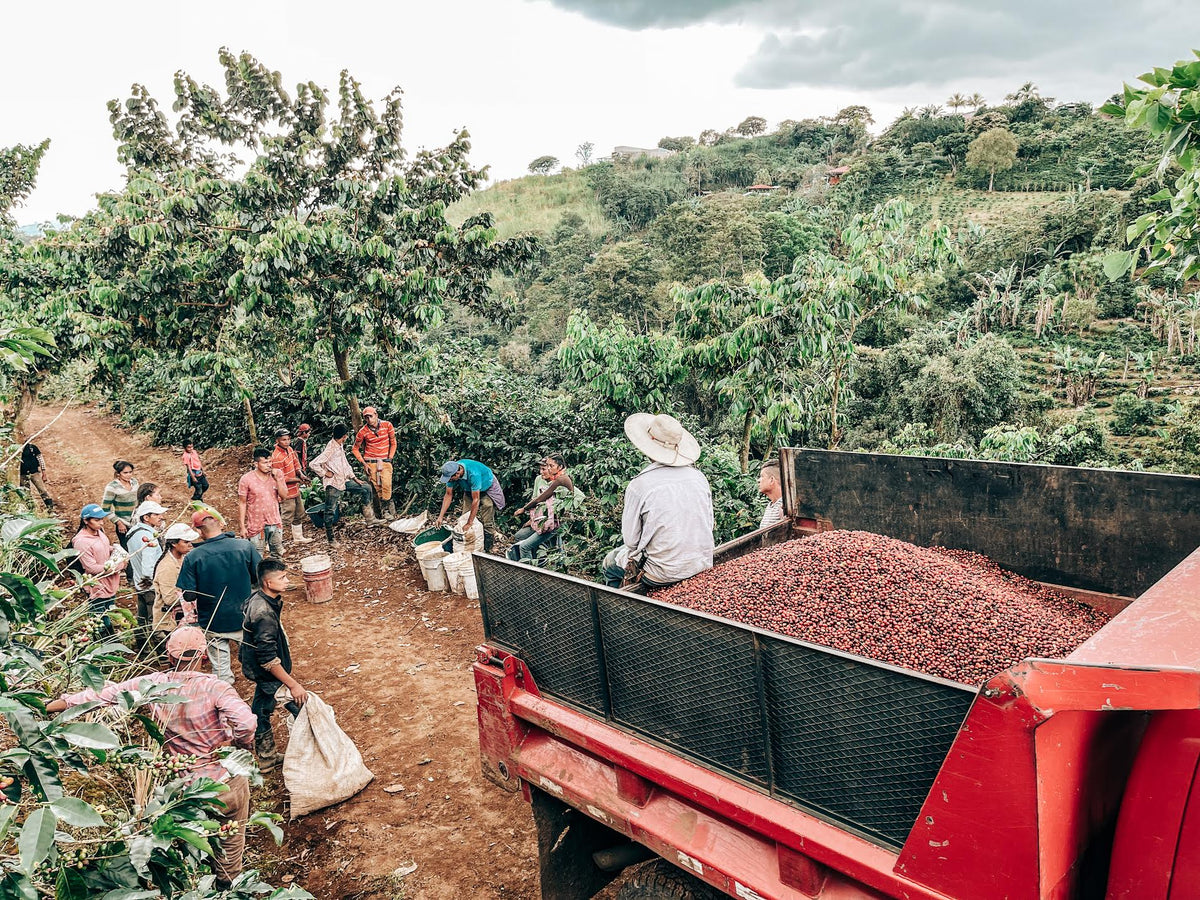
    The business has grown significantly since 2015. Cofinet now works with over 205 allied coffee growers and reaches approximately 3,550 farming families. Their approach is built on long-term relationships - sourcing from the same farmers and associations each harvest, guaranteeing a monetary benefit to producers even when coffee prices fall below the cost of production, and investing in the knowledge and practices that help producers thrive in both farming and post-harvest work.

    Cofinet's purpose is straightforward: to produce the world's finest coffees and share them with the world, while improving the livelihoods of producers through meaningful connections and individual projects.

Aillio Bullet R2 & R2 Pro

Precision drum roasters built for serious home roasters and micro-roasteries.

Explore Aillio Roasters
  • Four Generations of Coffee

    The family behind Cofinet has been growing coffee in Quindío, Colombia for over 80 years. For most of that time, like most Colombian producers, their coffee was sold to local exporters - the standard model that kept the value of their work at arm's length from the international market ultimately consuming it. When Cofinet was founded in 2015, the aim was to close that gap: to take the quality the family had always produced and bring it directly to roasters who could recognise and reward it.

    That generational knowledge of Quindío's land, its climate, and its coffee is embedded in everything Cofinet does - from the varieties they grow and the processes they experiment with, to the way they support the wider network of producers they have built relationships with across Colombia and beyond.

  • How Cofinet Sources

    Cofinet sources every harvest from the same farmers and associations, building long-term relationships rather than buying opportunistically. Producers are guaranteed a monetary benefit every year, even when market prices fall below the cost of production - a commitment that reflects Cofinet's belief that sustainable sourcing requires financial stability for the people at the base of the supply chain.

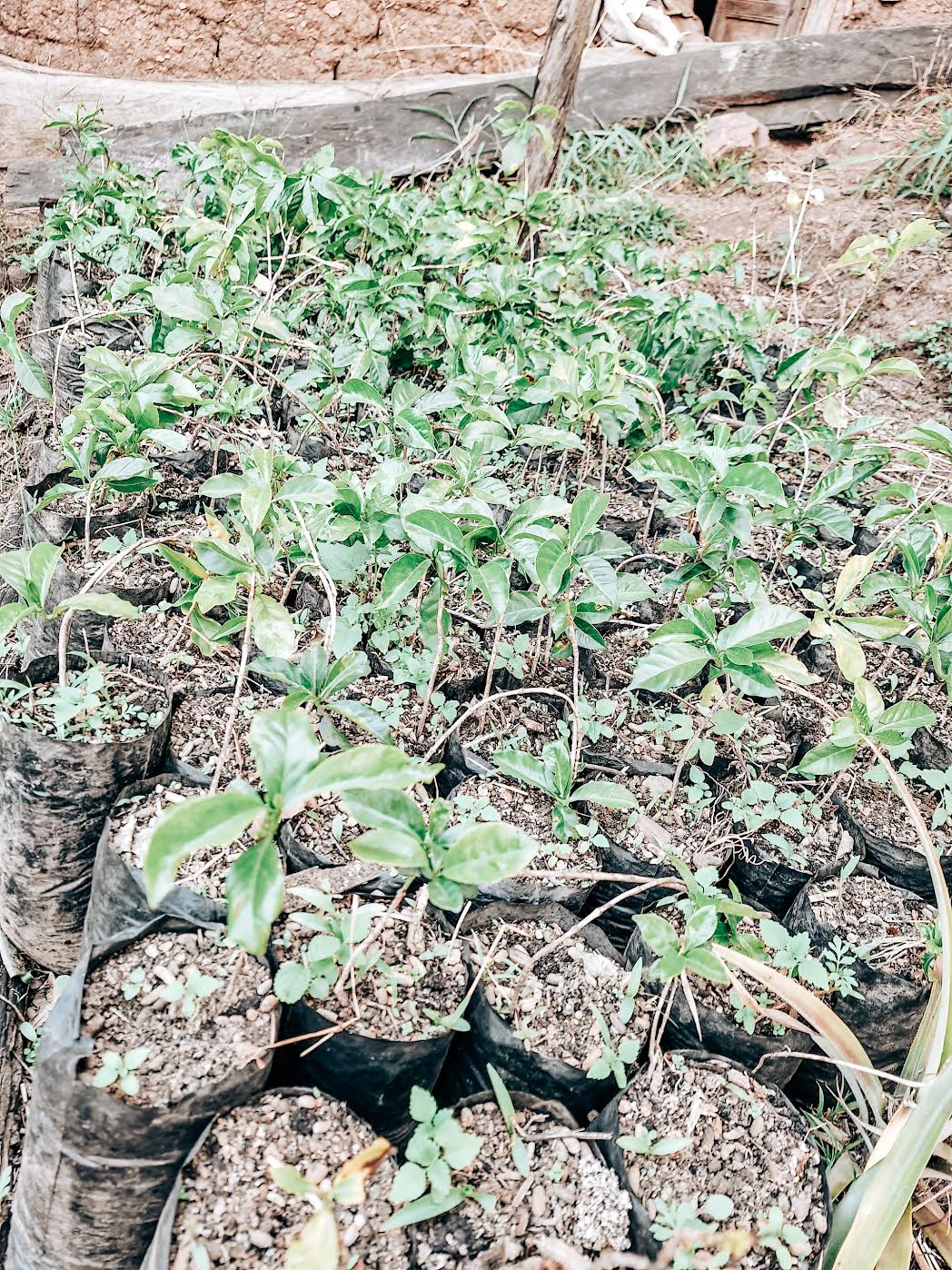
    Their network currently spans Colombia, Peru, Honduras, and Brazil, reaching over 205 allied growers and approximately 3,550 farming families. Cofinet also provides native trees to farmers to preserve biodiversity on their land, and supports new plantings of exotic variety seeds from seed to first harvest - long-term investments in the productive capacity of the farms they work with.

  • Sustainability at Farm Level

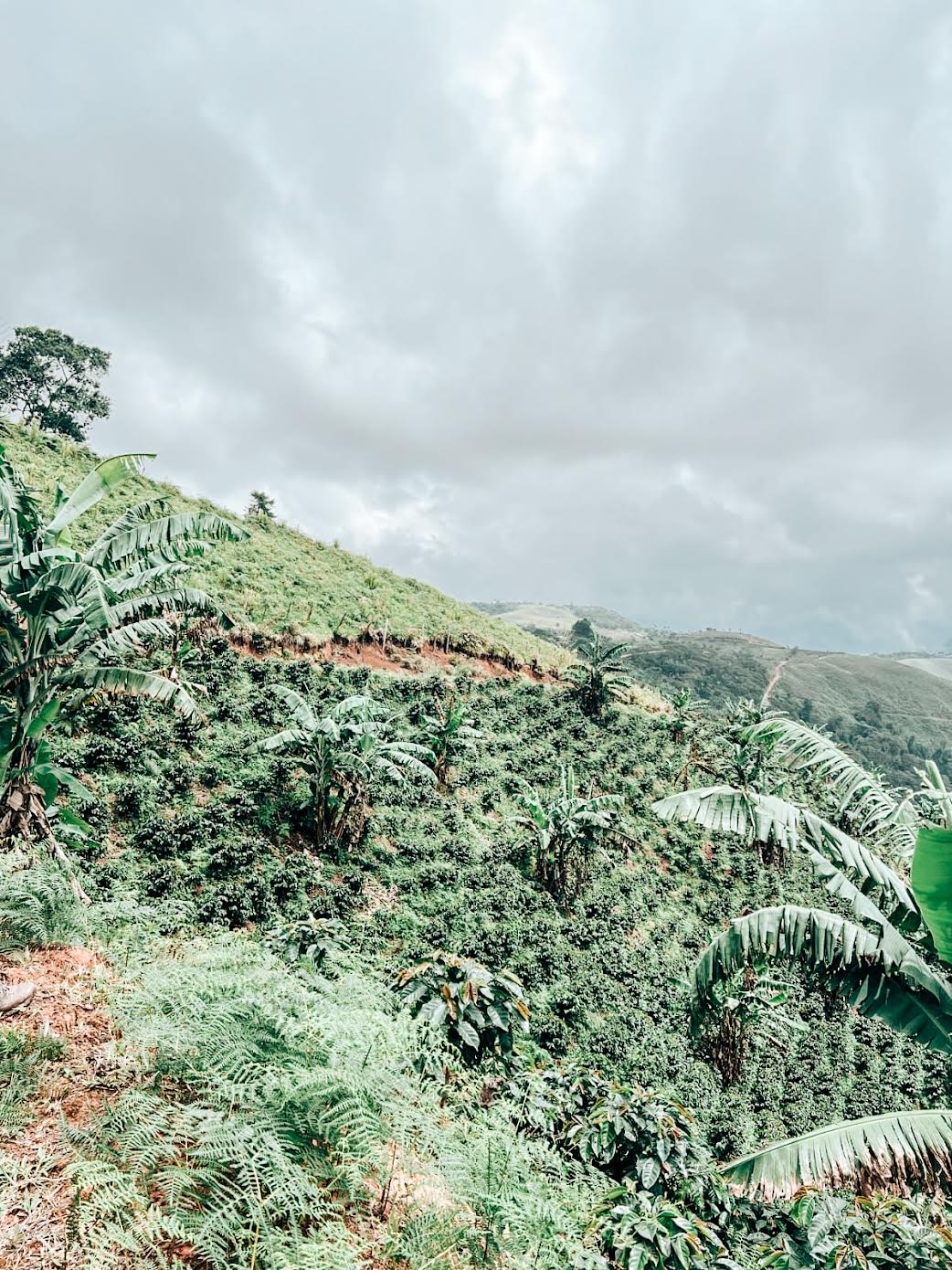
    Cofinet's sustainability work begins with the soil. Partner producers across Colombia use organic methods to nourish their plantations - composting coffee pulp, leaves, and other organic matter, and applying a liquid fertiliser made from vegetable waste and rabbit urine, rich in nitrogen and other nutrients, as an alternative to chemical inputs. Many farms also practise agroforestry, integrating coffee plants with native trees and other crops to create shade conditions that regulate temperature, protect against erosion, and support a natural pest control ecosystem through increased biodiversity. Water and soil conservation measures including terracing, living barriers, drip irrigation, and rainwater harvesting are also in use across the network.

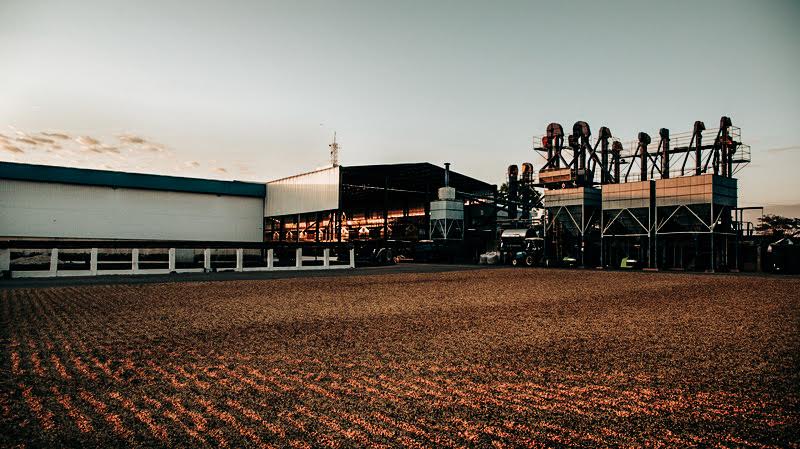
    Beyond the farm, Cofinet runs a dedicated forest restoration project in the Quindío region, planting native trees to capture CO2, preserve biodiversity, and protect the microorganisms that underpin long-term soil health. Their processing centre operates a closed-loop water filtration system - collecting and purifying water used during coffee washing, filtering it through water tanks and a natural grass bed rather than discharging it into local waterways. To date, the system has treated over one million litres of water.

  • The Coffee Categories

    Cofinet structures their offer across five quality tiers, each with a defined score range and profile:

    Regional - Balanced, consistent coffees from quality-driven farms and cooperatives. Rounded body, high sweetness. Score 84+.

    Regional Plus - A step up in sweetness and distinctiveness within the same origin, often with a fruity or floral character. Score 86+.

    Single Estate - One farmer, one variety, one story. Balanced and consistent, with high sweetness. Score 85+.

    Microlot - The best single-variety lots from individual producers, selected for refined acidity and delicate floral or fruit notes. Score 87+.

    Exotic - Very small lots of high-end exotic varieties from a single producer, mostly natural or honey processed at La Pradera. Score 88+.

How we package
our coffees

Barrier packaging designed for specialty coffee.

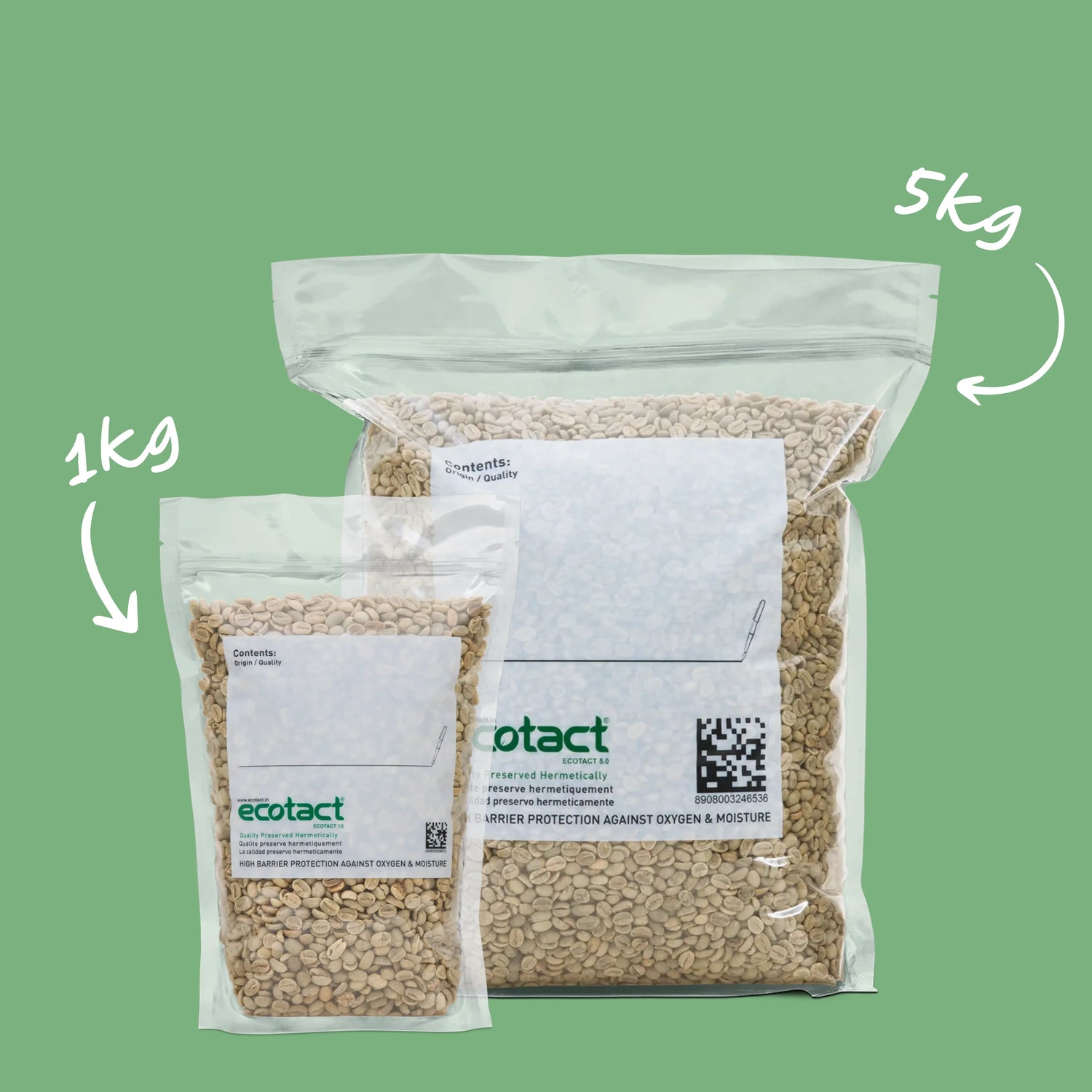
We use Ecotact bags because they offer high-barrier protection against oxygen, moisture, and external contaminants. This helps preserve the quality, aroma, and flavour potential of your green coffee during transport and storage. They're trusted by top producers and importers worldwide.

Heat-Sealed for Maximum Protection

Every bag is professionally heat sealed at our warehouse to lock in freshness. This creates a secure seal that prevents exposure to air or humidity - keeping your green coffee stable, even over long periods.
Convenient Resealable Zip Closures

Once opened, each bag has a resealable zip to help you store and protect the rest of your coffee between roasts. It’s a simple way to reduce waste and maintain freshness - especially helpful for home roasters or sampling.

Portion sizes for any roaster.

Whether you're roasting at home or running a production line, we've got a size to suit. Choose from 0.5kg, 1kg, or 5kg bags - all packed with the same level of care. Smaller volumes make it easy to try new coffees without the commitment.

Responsible packaging choices.

Our bags are made from Graded 7 multi-layer recyclable plastic. While they may not go in your home recycling bin, they are accepted by specialist facilities. More importantly, they reduce waste by dramatically extending the shelf life of your green coffee.

Your questions, answered

Who are Cofinet?

Cofinet is a specialty green coffee exporter founded in 2015 by fourth-generation coffee growers from Quindío, Colombia. Their family has been growing coffee in the region for over 80 years. Today Cofinet works with over 205 allied growers and around 3,550 farming families across Colombia, Peru, Honduras, and Brazil.

Where does Cofinet source from?

Cofinet sources from Colombia, Peru, Honduras, and Brazil. Colombia - specifically the Quindío region - is their home origin and the base of the family's farming legacy.

How does Cofinet approach producer relationships?

Cofinet sources every harvest from the same farmers and associations rather than buying opportunistically. Producers are guaranteed a monetary benefit every year, even when market prices fall below the cost of production. Cofinet also provides native trees for biodiversity preservation and supports exotic variety plantings from seed to first harvest.

What sustainability practices does Cofinet have?

Cofinet's sustainability work includes organic soil management, agroforestry, water and soil conservation on partner farms, a forest restoration project in Quindío, and a closed-loop water filtration system at their processing centre that has treated over one million litres of water.

What coffee categories does Cofinet offer?

Cofinet offers five tiers: Regional (84+), Regional Plus (86+), Single Estate (85+), Microlot (87+), and Exotic (88+). Each has a distinct profile and sourcing approach, from consistent farm and cooperative blends through to very small lots of exotic varieties processed at La Pradera.