Sourced by Minga. Fulfilled by Green Coffee Collective.

Buy high-quality green coffee in small volumes, with fast delivery.

  • About Minga

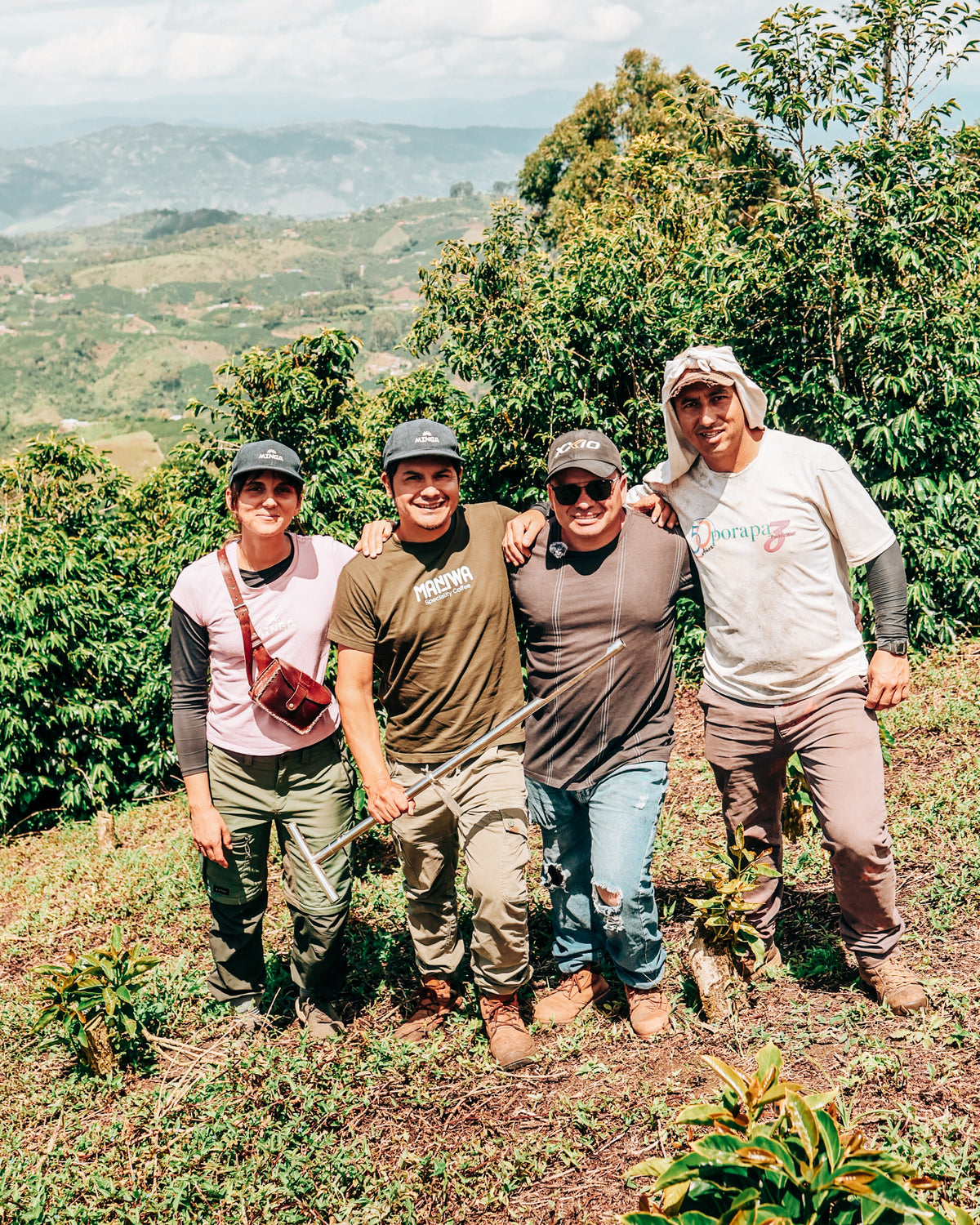
    We’re a small, specialised coffee company with over 15 years of experience at origin. Based year-round in Colombia, we source high-quality coffees from Huila, working closely with producers and running our own lab to ensure consistency. We also support Nicaraguan coffees through a trusted family-run exporter, sharing a commitment to transparency, collaboration, and sustainability.

    How we package
    our coffees

    Barrier packaging designed for specialty coffee.

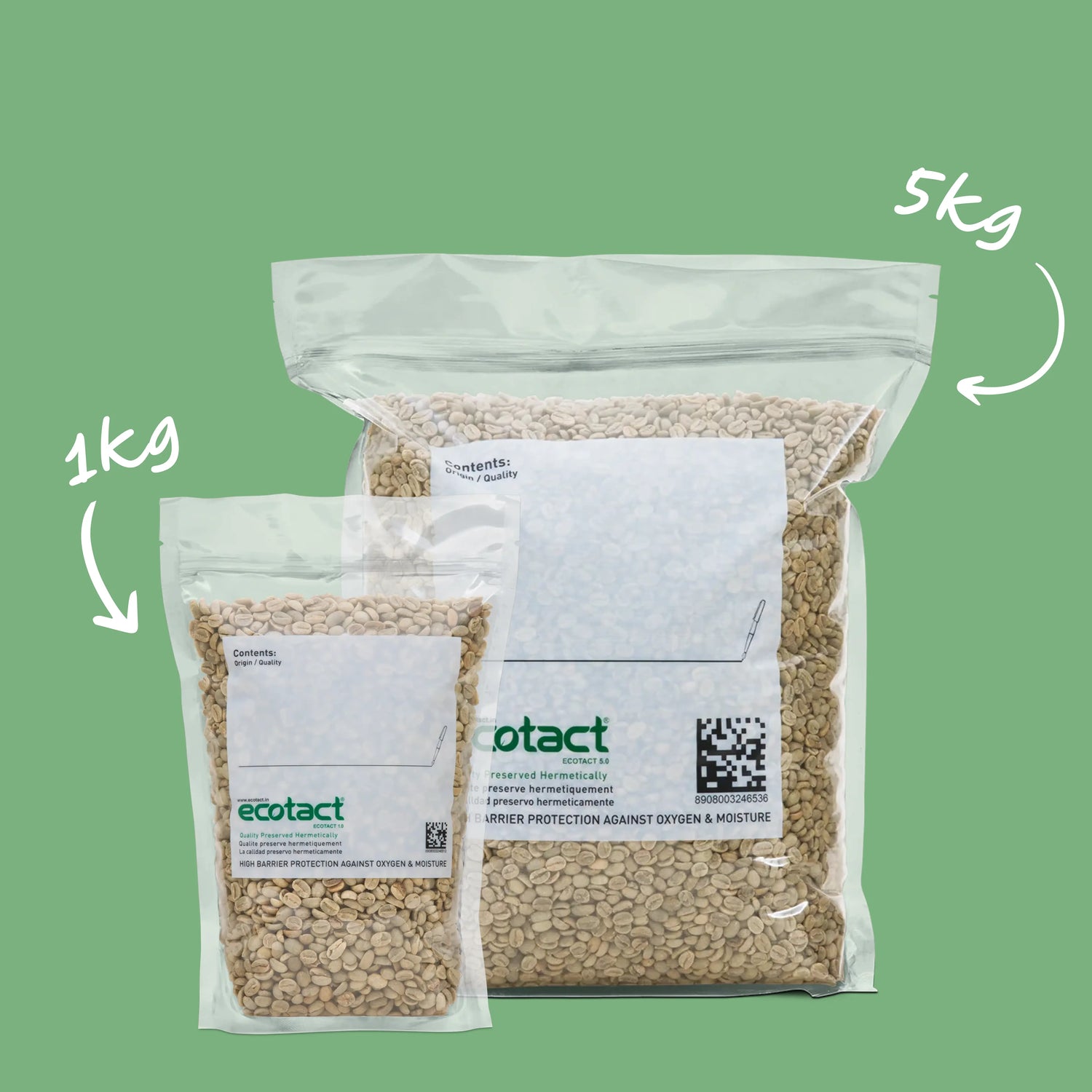
    We use Ecotact bags because they offer high-barrier protection against oxygen, moisture, and external contaminants. This helps preserve the quality, aroma, and flavour potential of your green coffee during transport and storage. They're trusted by top producers and importers worldwide.

    Heat-Sealed for Maximum Protection

    Every bag is professionally heat sealed at our warehouse to lock in freshness. This creates a secure seal that prevents exposure to air or humidity - keeping your green coffee stable, even over long periods.

    Convenient Resealable Zip Closures

    Once opened, each bag has a resealable zip to help you store and protect the rest of your coffee between roasts. It’s a simple way to reduce waste and maintain freshness - especially helpful for home roasters or sampling.

    Portion sizes for any roaster.

    Whether you're roasting at home or running a production line, we've got a size to suit. Choose from 0.5kg, 1kg, or 5kg bags - all packed with the same level of care. Smaller volumes make it easy to try new coffees without the commitment.

    Responsible packaging choices.

    Our bags are made from Graded 7 multi-layer recyclable plastic. While they may not go in your home recycling bin, they are accepted by specialist facilities. More importantly, they reduce waste by dramatically extending the shelf life of your green coffee.
    Your questions, answered

    Why do Minga focus on Colombia as an orgin?

    Three quarters of the team are from Huila, Colombia and they have long-standing connections with many of the farmers they work with—some are family, others old friends, and a few they have gotten to know recently through trusted word of mouth.

    How do Minga ensure traceability of their coffees?

    The traceability they offer is based on their year round presence in a small geographical region that allows them to be in constant interaction with the producers they buy coffee from.

    Since Minga pay producers directly, they fully control the farmgate prices and can guarantee how much producers get for each coffee.

    How can I contact Minga Coffee?

    The easiest way to get in touch is by clicking the black ‘Message’ button at the top of the page. Whether you have questions about their coffees, sourcing options, or anything else, the team will be happy to help.

    What types of coffees do Minga source?

    Minga sources three types of coffee, each selected for quality and consistency. Their classic Huila blends feature chocolatey notes with a creamy body, high sweetness, and mild acidity, made from Colombia and Castillo varietals, cupping at 83–85. Their Pink Bourbon blends, grown widely in Huila since 2014, offer juicy, fruit-forward flavours with medium acidity, cupping at 85–87. For those seeking exceptional quality, their microlots showcase single-producer, often single-varietal coffees with high acidity, long-lasting aftertaste, and complex flavours, cupping at 87–90. Each lot is carefully assessed to maintain consistency, and Minga prioritises long-term partnerships with small-scale producers to support stability in the specialty market.

    What makes Huila’s coffee unique?

    Huila’s coffee is shaped by its high-altitude valleys, humid climate, and limited sunlight, which slow maturation and enhance flavour complexity. Coffee arrived in the mid-19th century, becoming a key economic driver despite the region’s rugged terrain. Investments in infrastructure and farmer cooperatives helped expand production, and today, 74% of Huila’s rural population is involved in coffee farming. Generations of expertise and ideal growing conditions make Huila one of Colombia’s most renowned coffee regions.