Sourced by Khipu. Fulfilled by Green Coffee Collective.
Buy high-quality green coffee in small volumes, with fast delivery.
-
Andres Bazos - Red Caturra - ⚠️ Parchment Issue
Cupping Score83.5Processing MethodVarietalRed CaturraMain Flavour NotesOrange Citrus | Caramel | Milk ChocolateOut of stock -
Finca Artemira - Ebert Huaman Villegas - Washed Catuai & Caturra
Cupping Score85.0Processing MethodVarietalCatuai, CaturraMain Flavour NotesOrange | Toffee | AlmondOut of stock -
Llave de Oro - Andres Bazos - Rainforest Alliance - Estate Lot
Cupping Score83.5Processing MethodVarietalRed CaturraMain Flavour NotesOrange Citrus | Caramel | Milk ChocolateOut of stock -
Finca Pacpa - Manuel Marlo Baca - Washed Pacamara
Cupping Score87.0Processing MethodVarietalPacamaraMain Flavour NotesMorello Cherry | Floral | PanelaOut of stock -
Ramos Garcia Family - Proyecto Otuzco - Yellow Honey Typica
Cupping Score85.0Processing MethodVarietalTypicaMain Flavour NotesDark Chocolate | Dried FruitOut of stock






-
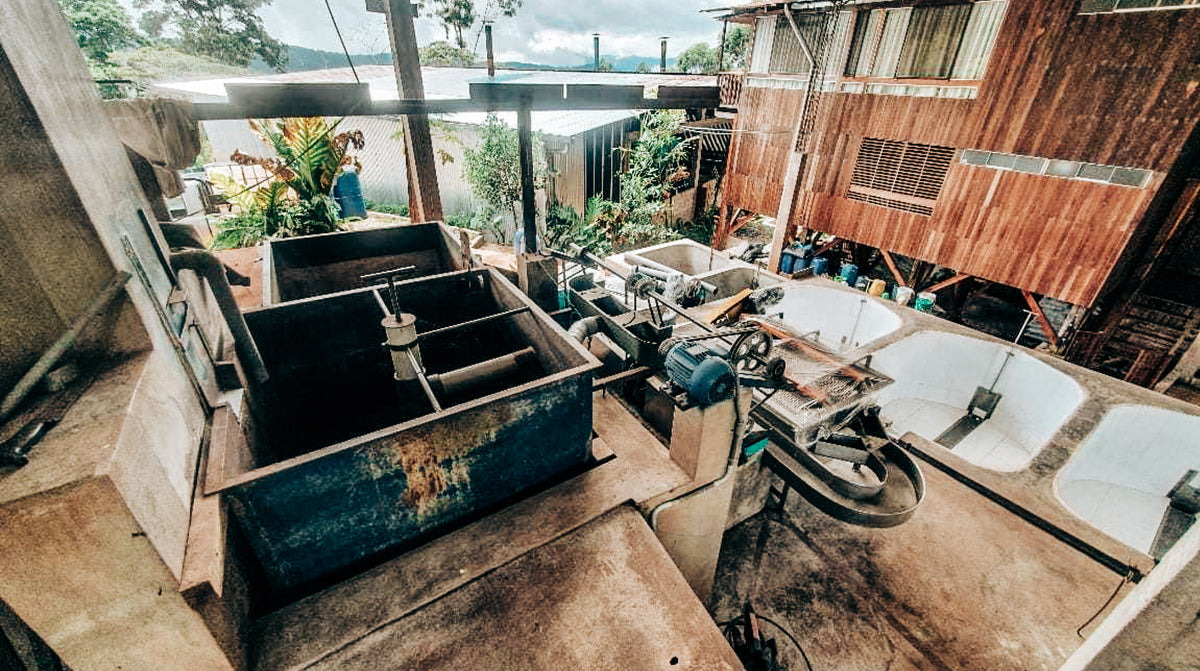
About Khipu

-
Built on Relationships
-
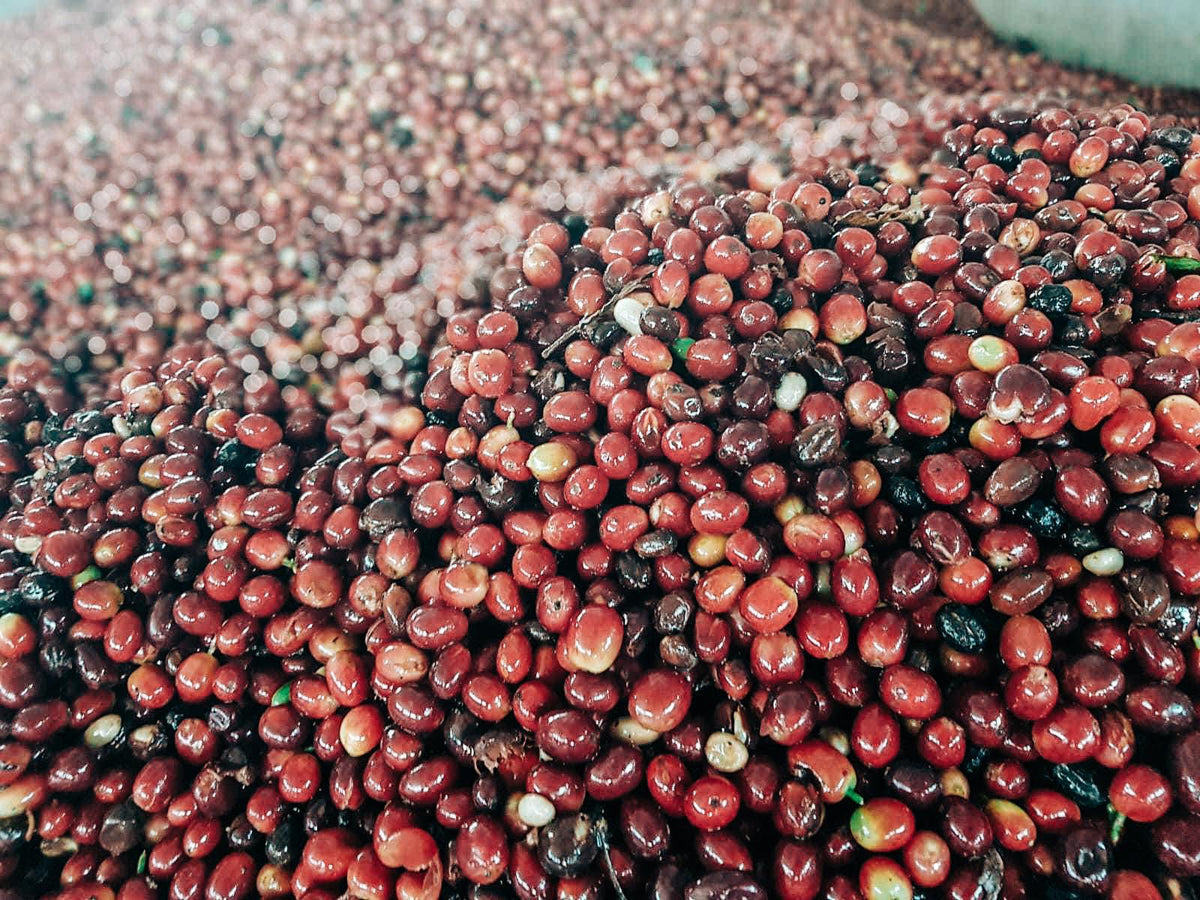
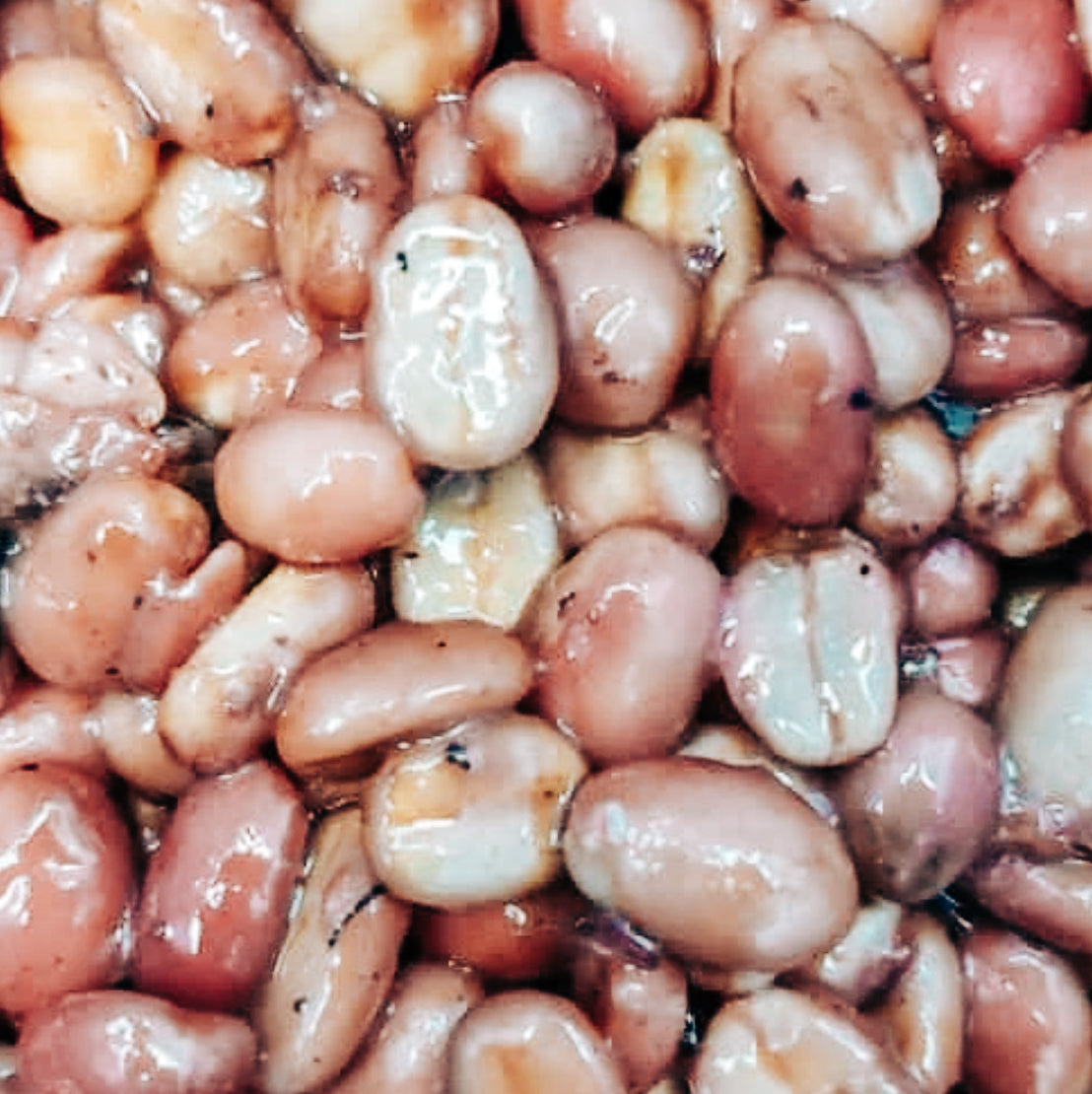
Fermentation as a Discipline
-
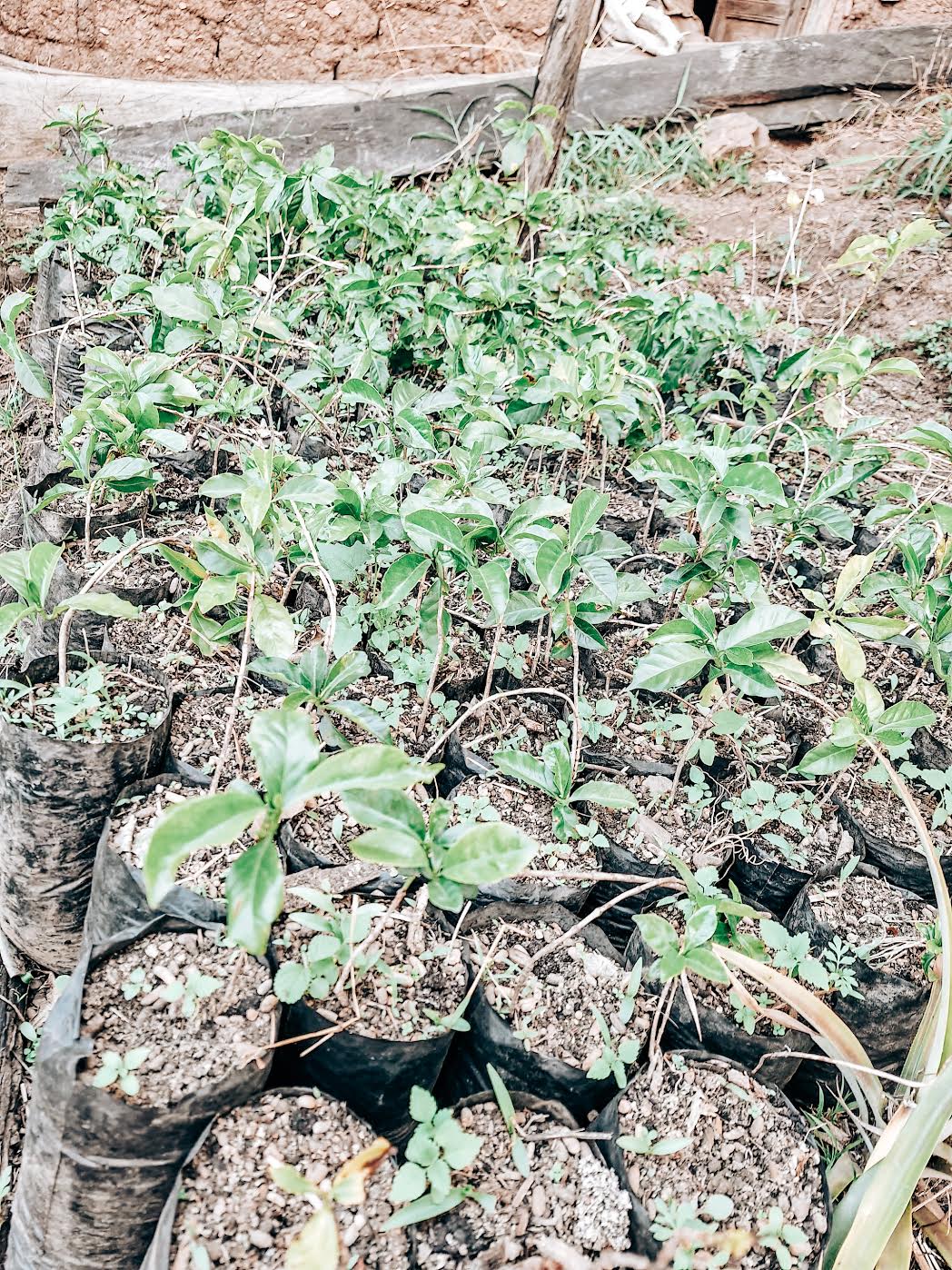
Sustainability at Farm Level
-
What They Source and Why
How we package
our coffees
Barrier packaging designed for specialty coffee.
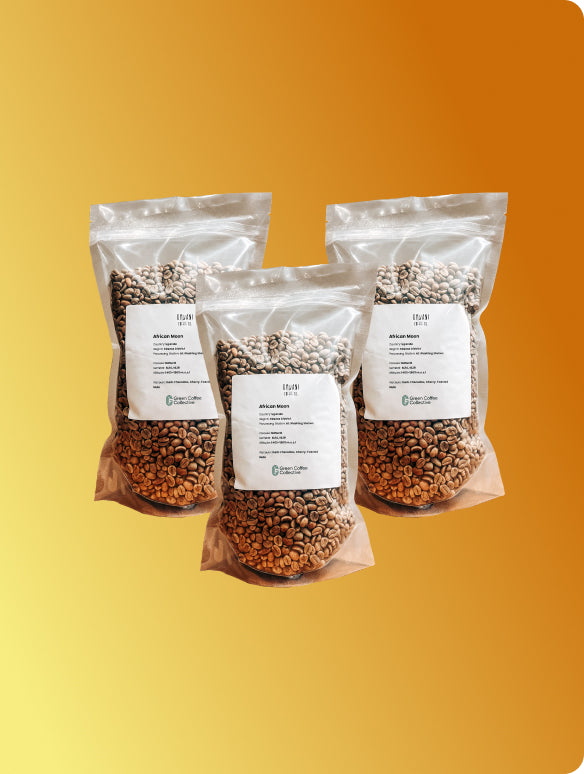
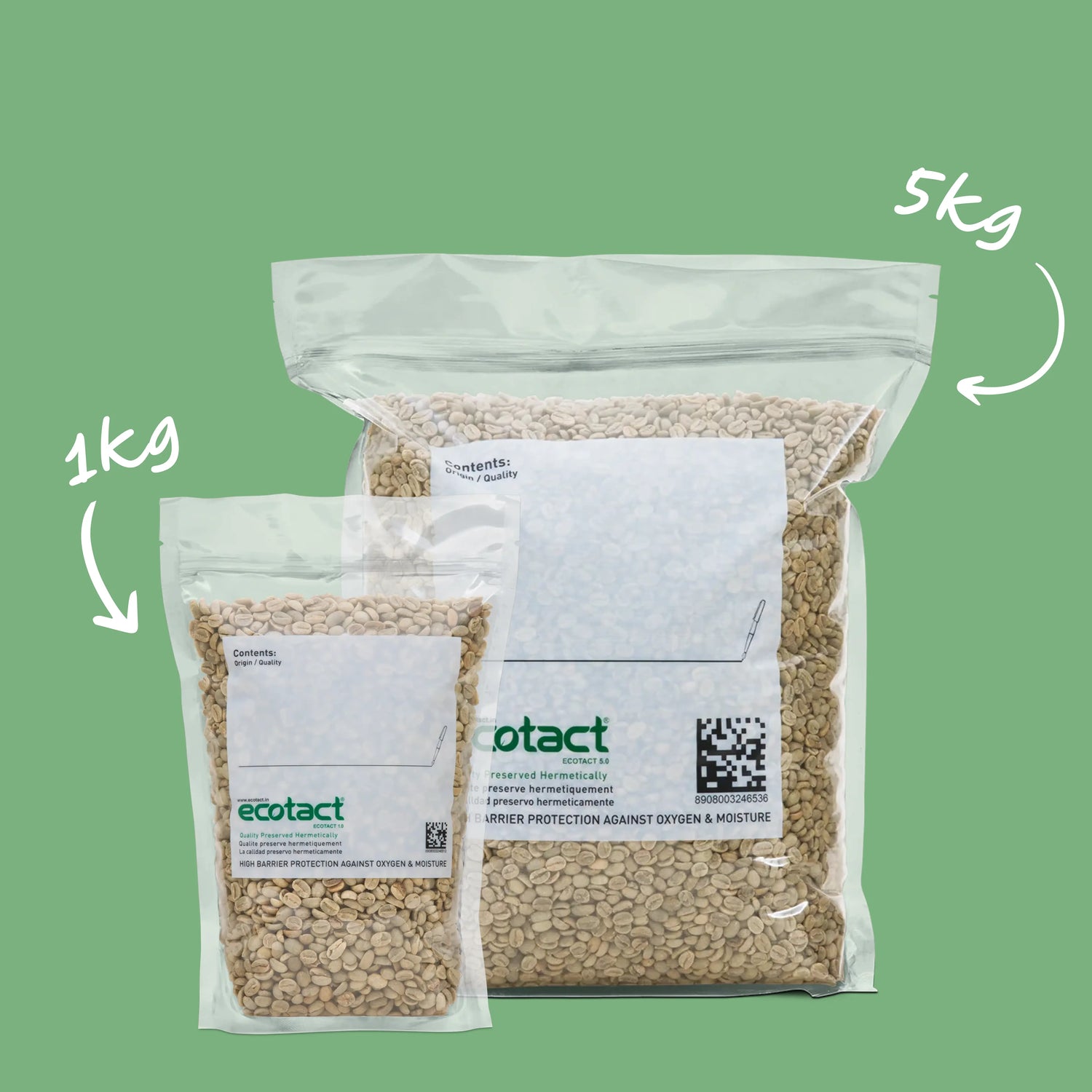
We use Ecotact bags because they offer high-barrier protection against oxygen, moisture, and external contaminants. This helps preserve the quality, aroma, and flavour potential of your green coffee during transport and storage. They're trusted by top producers and importers worldwide.
Heat-Sealed for Maximum Protection
Every bag is professionally heat sealed at our warehouse to lock in freshness. This creates a secure seal that prevents exposure to air or humidity - keeping your green coffee stable, even over long periods.
Convenient Resealable Zip Closures
Once opened, each bag has a resealable zip to help you store and protect the rest of your coffee between roasts. It’s a simple way to reduce waste and maintain freshness - especially helpful for home roasters or sampling.
Portion sizes for any roaster.
Whether you're roasting at home or running a production line, we've got a size to suit. Choose from 0.5kg, 1kg, or 5kg bags - all packed with the same level of care. Smaller volumes make it easy to try new coffees without the commitment.
Responsible packaging choices.
Our bags are made from Graded 7 multi-layer recyclable plastic. While they may not go in your home recycling bin, they are accepted by specialist facilities. More importantly, they reduce waste by dramatically extending the shelf life of your green coffee.