Glossary > Sustainability & Ethics > Organic Coffee
Organic Coffee
Sustainability & Ethics
In Simple Terms
Organic coffee is certified to be grown without synthetic chemicals. It's a farming and trade claim, not a quality guarantee.
What is organic coffee?
Organic coffee is coffee certified to have been grown without the use of synthetic pesticides, herbicides, or chemical fertilisers for a defined transition period - typically three years - before certification is granted. The certification is verified by an accredited third-party body and renewed annually through auditing.
In the European Union and UK, certified organic coffees can carry the EU Organic logo and comply with EU Regulation 2018/848. In the US, the USDA National Organic Program governs certification. Different certifying bodies - such as Soil Association in the UK, or various accredited agencies globally - carry out the auditing on the ground at origin.
Organic certification says nothing about cup quality and should not be confused with it. Many of the world's finest coffees are produced by uncertified farmers who use no synthetic inputs but haven't sought certification, while some certified organic lots are mediocre in the cup. The certification also doesn't guarantee environmental sustainability beyond the prohibition on synthetic inputs - shade coverage, biodiversity, soil health, and water management are not automatically addressed by organic status alone. For buyers, organic certification is one useful signal among many, best evaluated alongside cup quality, traceability, and knowledge of the producer.
Related Terms
Our subscribers know before anyone else about new content and tips.
Our subscribers know before anyone else about new content and tips
Related Articles You Might Find Interesting
-
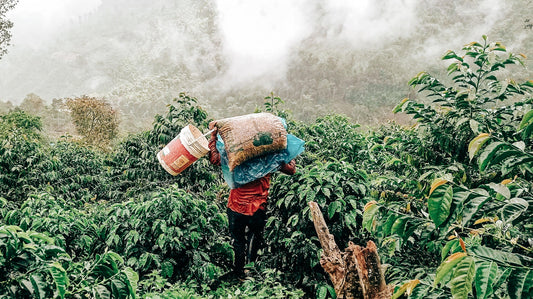
How fair is Fairtrade, really?
Fairtrade was created to ensure buyers in wealthier countries paid fair prices to farmers in developing ones. The idea was...
How fair is Fairtrade, really?
Fairtrade was created to ensure buyers in wealthier countries paid fair prices to farmers in developing ones. The idea was simple: better pay, decent working conditions, and more stable trade...
-
A Coffee Roaster's Guide to Sustainable Coffee Roasting
Coffee roasting plays a crucial role in the coffee industry's overall carbon footprint, impacting both the environment and business costs....
A Coffee Roaster's Guide to Sustainable Coffee Roasting
Coffee roasting plays a crucial role in the coffee industry's overall carbon footprint, impacting both the environment and business costs. "A Coffee Roaster's Guide to Sustainable Coffee Roasting" explores how...
-
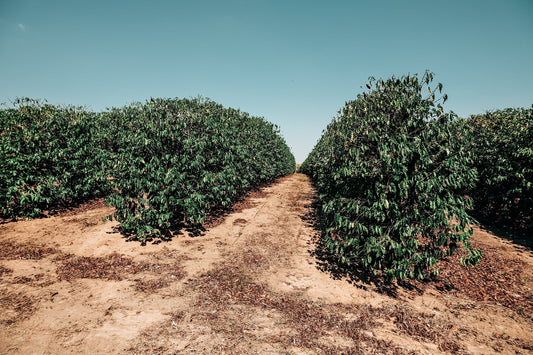
Monoculture vs intercropping – what’s in it for coffee farmers?
The way coffee is grown has a direct impact on the quality in the cup, the livelihoods of farmers, and...
Monoculture vs intercropping – what’s in it for coffee farmers?
The way coffee is grown has a direct impact on the quality in the cup, the livelihoods of farmers, and the long-term health of the land. For decades, large-scale monoculture...