Related Articles You Might Find Interesting
-
 Green Coffee Basics
Coffee Terroir Explained: What Terroir Really Means in Coffee
Coffee terroir describes how climate, altitude, soil and environment shape how coffee grows and tastes. Learn what terroir means in...
Coffee Terroir Explained: What Terroir Really Means in Coffee
Coffee terroir describes how climate, altitude, soil and environment shape how coffee grows and tastes. Learn what terroir means in coffee and how origin influences flavour and buying decisions.
-
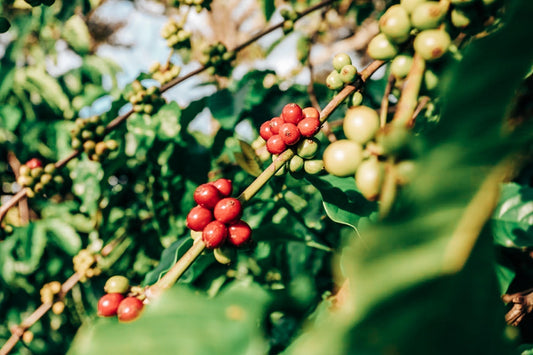
Does higher elevation mean better coffee?
In today’s email, we’re digging into a common belief in the coffee world: that higher elevation equals higher quality. It’s...
Does higher elevation mean better coffee?
In today’s email, we’re digging into a common belief in the coffee world: that higher elevation equals higher quality. It’s a phrase you’ll see on labels, hear in cupping rooms,...
-
 Green Coffee Basics
How to Buy Green Coffee Beans & Choose the Right Supplier
Green coffee buying can feel overwhelming — origins, processing methods, varietals, grading, suppliers. In reality, most decisions come down to...
How to Buy Green Coffee Beans & Choose the Right Supplier
Green coffee buying can feel overwhelming — origins, processing methods, varietals, grading, suppliers. In reality, most decisions come down to a small number of fundamentals. This guide walks through what...