Related Articles You Might Find Interesting
-
 Green Coffee Basics
Washed Coffee Beans Explained: What They Are and How Washed Processing Works
If you’ve been exploring green coffee processing, you’ve likely seen the term washed coffee beans. They are often described as...
Washed Coffee Beans Explained: What They Are and How Washed Processing Works
If you’ve been exploring green coffee processing, you’ve likely seen the term washed coffee beans. They are often described as clean, bright, or structured - but what does that actually...
-
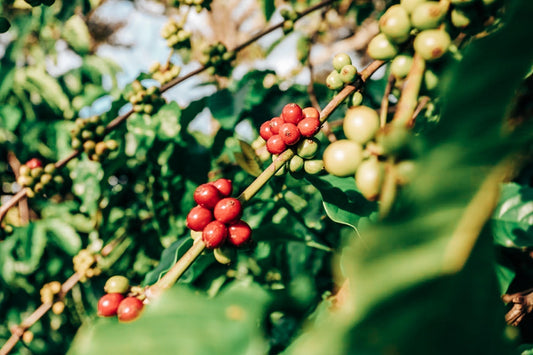
Does higher elevation mean better coffee?
In today’s email, we’re digging into a common belief in the coffee world: that higher elevation equals higher quality. It’s...
Does higher elevation mean better coffee?
In today’s email, we’re digging into a common belief in the coffee world: that higher elevation equals higher quality. It’s a phrase you’ll see on labels, hear in cupping rooms,...
-
 Green Coffee Basics
What Is Natural Process Coffee? A Clear Guide to Natural Coffee Processing
Natural process coffee is shaped by a single, critical choice: drying the seed inside the whole fruit. While this method...
What Is Natural Process Coffee? A Clear Guide to Natural Coffee Processing
Natural process coffee is shaped by a single, critical choice: drying the seed inside the whole fruit. While this method produces unmatched sweetness and a heavy, fruit-forward body, it requires...