Glossary > Sustainability & Ethics > Fair Trade Organic (FTO)
Fair Trade Organic (FTO)
Sustainability & Ethics
In Simple Terms
Related Articles You Might Find Interesting
-
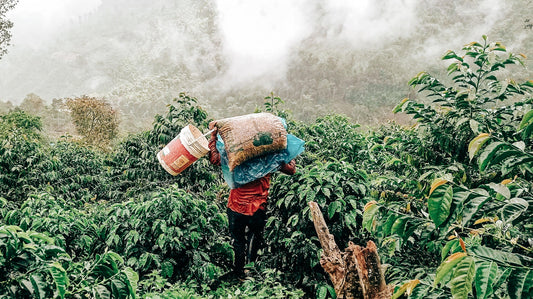
How fair is Fairtrade, really?
Fairtrade was created to ensure buyers in wealthier countries paid fair prices to farmers in developing ones. The idea was...
How fair is Fairtrade, really?
Fairtrade was created to ensure buyers in wealthier countries paid fair prices to farmers in developing ones. The idea was simple: better pay, decent working conditions, and more stable trade...
-
 Green Coffee Basics
What Direct Trade Coffee Actually Means (And How It Really Works)
What is direct trade coffee? Learn what direct trade coffee actually means, how it compares to fair trade, and how...
What Direct Trade Coffee Actually Means (And How It Really Works)
What is direct trade coffee? Learn what direct trade coffee actually means, how it compares to fair trade, and how coffee really moves from producer to buyer.
-

A Coffee Roaster's Guide to Sustainable Coffee Roasting
Coffee roasting plays a crucial role in the coffee industry's overall carbon footprint, impacting both the environment and business costs....
A Coffee Roaster's Guide to Sustainable Coffee Roasting
Coffee roasting plays a crucial role in the coffee industry's overall carbon footprint, impacting both the environment and business costs. "A Coffee Roaster's Guide to Sustainable Coffee Roasting" explores how...