Glossary > Cultivation & Processing > Ethyl Acetate
Ethyl Acetate
Cultivation & Processing
In Simple Terms
Related Articles You Might Find Interesting
-

Definitive Guide for Roasting Decaf Coffee
As the demand for caffeine-free options grows, understanding the intricacies of decaf coffee becomes crucial for roasters. Our "Definitive Guide...
Definitive Guide for Roasting Decaf Coffee
As the demand for caffeine-free options grows, understanding the intricacies of decaf coffee becomes crucial for roasters. Our "Definitive Guide for Roasting Decaf Coffee" delves into the latest advancements and...
-
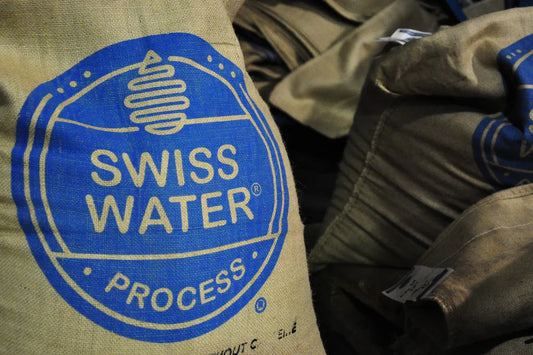
The Ultimate Guide to Swiss Water Process Decaf Coffee: Benefits, Process, and Flavour Insights
For coffee roasters aiming to cater to the growing demand for health-conscious options, the Swiss Water Process offers a chemical-free,...
The Ultimate Guide to Swiss Water Process Decaf Coffee: Benefits, Process, and Flavour Insights
For coffee roasters aiming to cater to the growing demand for health-conscious options, the Swiss Water Process offers a chemical-free, eco-friendly method to produce high-quality decaf coffee. This guide delves...
-

How to Roast Decaf Coffee: What Changes and How to Adjust
Decaf does not roast the same way as regular coffee, and the method used to remove the caffeine affects how...
How to Roast Decaf Coffee: What Changes and How to Adjust
Decaf does not roast the same way as regular coffee, and the method used to remove the caffeine affects how the beans behave in the roaster. This guide explains what...