Glossary > Cultivation & Processing > Coffee Berry Disease
Coffee Berry Disease
Cultivation & Processing
In Simple Terms
Related Articles You Might Find Interesting
-
 Green Coffee Basics
Green Coffee Defects: How to Spot Them and What They Do
Green coffee defects affect both flavour and roast behaviour. Here's how to identify them, what the SCA categories mean, and...
Green Coffee Defects: How to Spot Them and What They Do
Green coffee defects affect both flavour and roast behaviour. Here's how to identify them, what the SCA categories mean, and what to do when you find them.
-
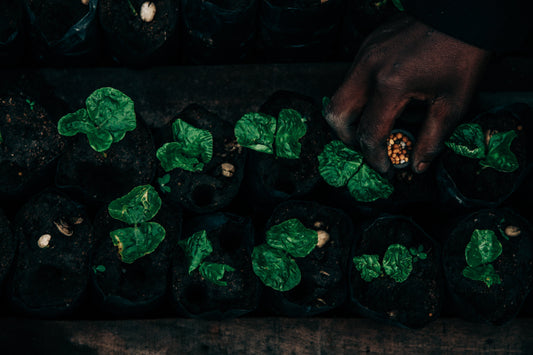
Why F1 hybrids might define the future of coffee
Why coffee needs new genetics Coffee’s gene pool is worryingly narrow. Studies suggest that almost all Coffea arabica plants today...
Why F1 hybrids might define the future of coffee
Why coffee needs new genetics Coffee’s gene pool is worryingly narrow. Studies suggest that almost all Coffea arabica plants today trace back to a single ancestor that evolved around 10–20,000...
-
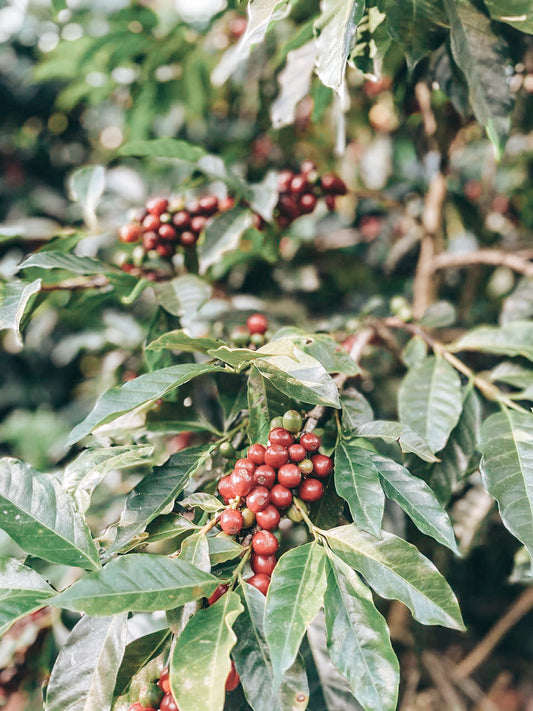
Why producers take risks on varietals and processes
The choices that shape your cup often start years before a harvest. For producers, deciding what varietal to plant or...
Why producers take risks on varietals and processes
The choices that shape your cup often start years before a harvest. For producers, deciding what varietal to plant or which processing method to use isn’t just about flavour. It’s...