Related Articles You Might Find Interesting
-
 Green Coffee Basics
Coffee Bean Species Explained: Arabica, Robusta, Liberica, Excelsa, Racemosa and Stenophylla
Learn the differences between coffee bean species including Arabica, Robusta, Liberica, Excelsa, Racemosa and Stenophylla, and how each shapes flavour,...
Coffee Bean Species Explained: Arabica, Robusta, Liberica, Excelsa, Racemosa and Stenophylla
Learn the differences between coffee bean species including Arabica, Robusta, Liberica, Excelsa, Racemosa and Stenophylla, and how each shapes flavour, farming and the future of coffee.
-
 Green Coffee Basics
How to Buy Green Coffee Beans & Choose the Right Supplier
Green coffee buying can feel overwhelming — origins, processing methods, varietals, grading, suppliers. In reality, most decisions come down to...
How to Buy Green Coffee Beans & Choose the Right Supplier
Green coffee buying can feel overwhelming — origins, processing methods, varietals, grading, suppliers. In reality, most decisions come down to a small number of fundamentals. This guide walks through what...
-
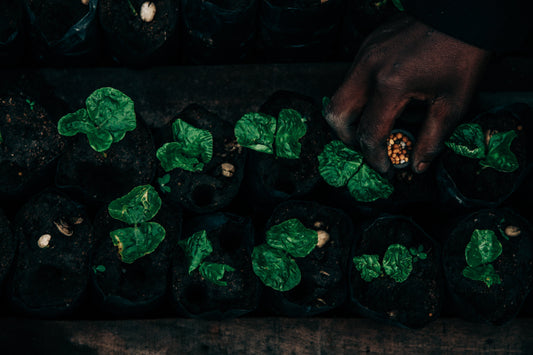
Why F1 hybrids might define the future of coffee
Why coffee needs new genetics Coffee’s gene pool is worryingly narrow. Studies suggest that almost all Coffea arabica plants today...
Why F1 hybrids might define the future of coffee
Why coffee needs new genetics Coffee’s gene pool is worryingly narrow. Studies suggest that almost all Coffea arabica plants today trace back to a single ancestor that evolved around 10–20,000...