Glossary > Sustainability & Ethics > Biodiversity
Biodiversity
Sustainability & Ethics
In Simple Terms
Related Articles You Might Find Interesting
-
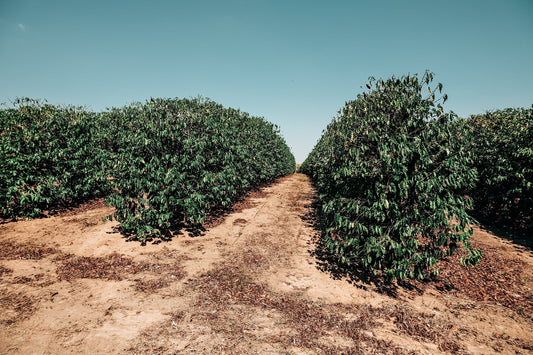
Monoculture vs intercropping – what’s in it for coffee farmers?
The way coffee is grown has a direct impact on the quality in the cup, the livelihoods of farmers, and...
Monoculture vs intercropping – what’s in it for coffee farmers?
The way coffee is grown has a direct impact on the quality in the cup, the livelihoods of farmers, and the long-term health of the land. For decades, large-scale monoculture...
-
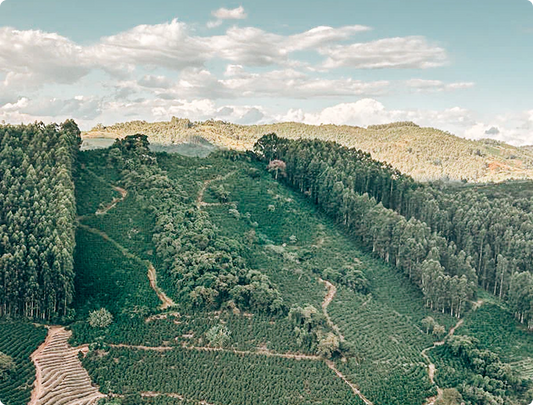
A climate fix - or another burden on the Global South? The EUDR and smallholder coffee
The EU’s new deforestation regulation is ambitious - and overdue. It aims to stop products linked to forest loss from...
A climate fix - or another burden on the Global South? The EUDR and smallholder coffee
The EU’s new deforestation regulation is ambitious - and overdue. It aims to stop products linked to forest loss from entering the European market, including coffee. In theory, it’s a...
-
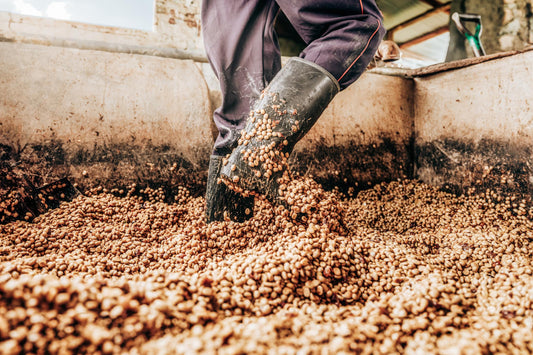
Climate migration and the future of coffee: how climate change is displacing coffee farmers
Climate change is no longer a distant threat for coffee producers. Across Central America, rising temperatures, erratic rainfall, and new...
Climate migration and the future of coffee: how climate change is displacing coffee farmers
Climate change is no longer a distant threat for coffee producers. Across Central America, rising temperatures, erratic rainfall, and new waves of pests are dismantling the foundations of one of...