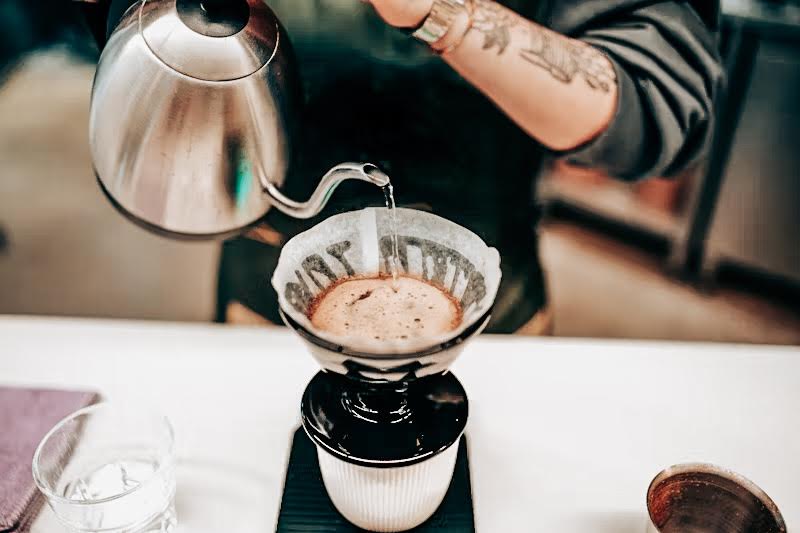
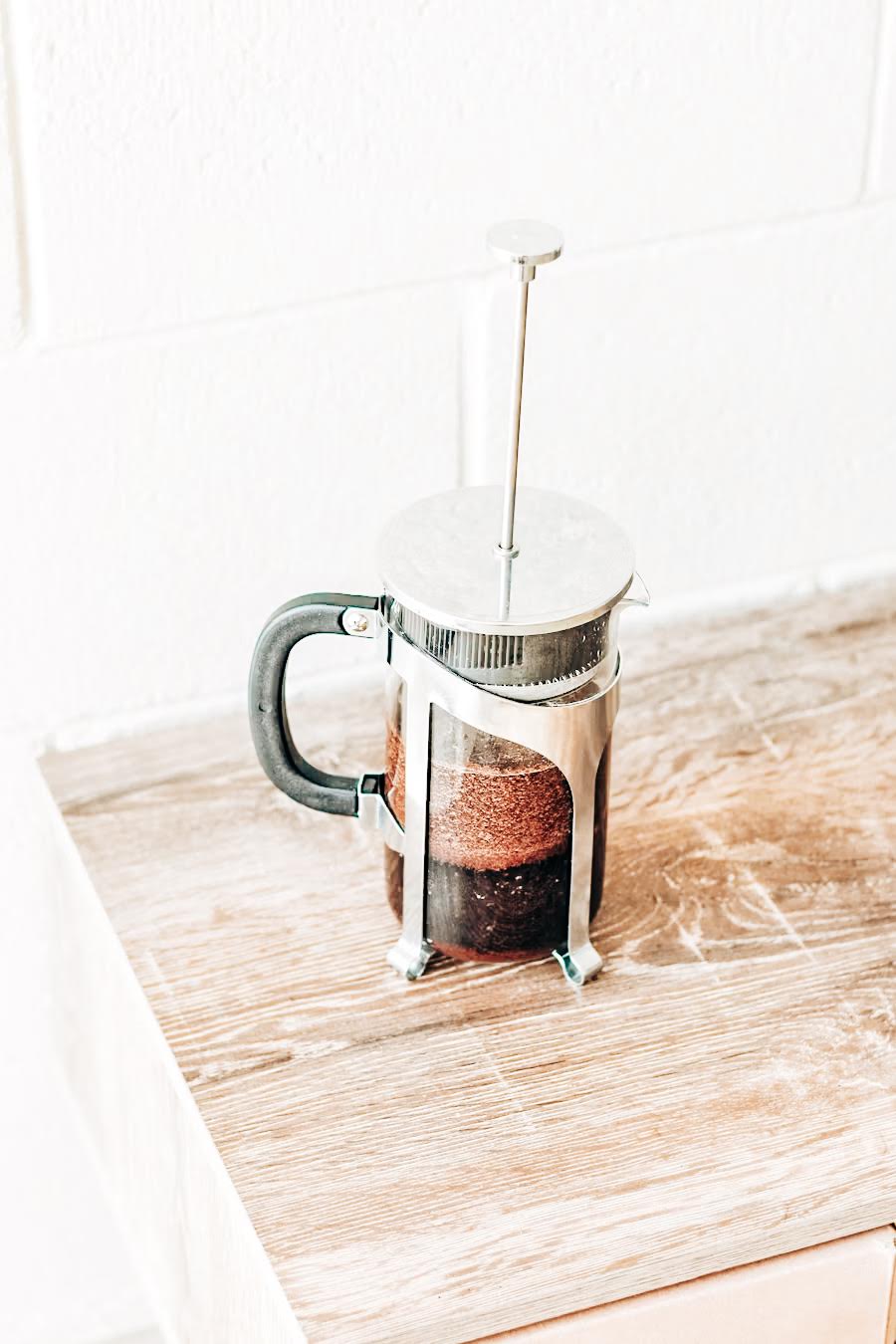
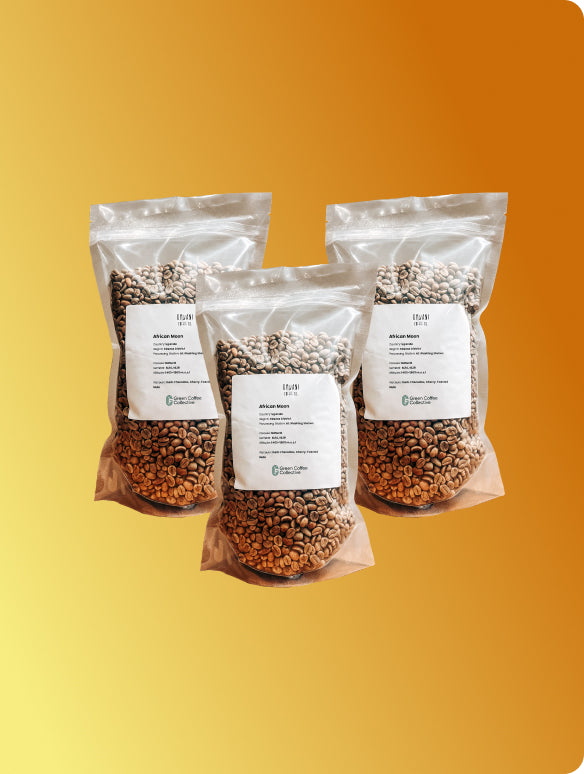
When choosing green coffee beans for fruity filter brewing, you want to pick coffees that naturally show clarity, nuance, and fruit-driven complexity. This brewing method rewards careful bean selection, especially when it comes to flavor notes, acidity structure, processing, and how well the beans can adapt to different roasts.
Flavor Profiles: What Taste Notes Shine Brightest with This Method?
Fruity filter brewing enhances the lighter, more delicate flavors in coffee, making it ideal for beans that showcase:
- Citrus (lemon, orange zest, tangerine)
- Berry tones (raspberry, blueberry, strawberry)
- Tropical fruits (pineapple, mango, passion fruit)
- Floral aromatics (jasmine, rose, lavender)
- Stone fruits (peach, apricot, nectarine)
While chocolatey or nutty notes may still be present, they usually take a backseat to brighter, more vibrant flavors in this style of brewing.
Body & Acidity: How Does the Method Typically Present These?
Fruity filter brewing often results in a clean, silky mouthfeel with a light to medium body. This is perfect for emphasizing the coffee’s natural brightness without overwhelming the palate. Ideal beans tend to have:
- Structured acidity that’s crisp, vibrant, and well-integrated
- A balanced tactile feel not overly heavy, yet not watery
- Complex flavor layers that develop as the coffee cools
These characteristics help deliver a refined and expressive cup, especially for those who value nuance over boldness.
Processing Methods: Which Work Best for Fruity Filter Brewing?
The processing method has a major influence on how coffee expresses itself through filter brewing:
- Washed (Fully Washed): Most favored for fruity filter brewing due to their clean cup profile, sparkling acidity, and well-defined flavor clarity.
- Honey Process: A good middle ground, offering fruit depth and sweetness without sacrificing clarity.
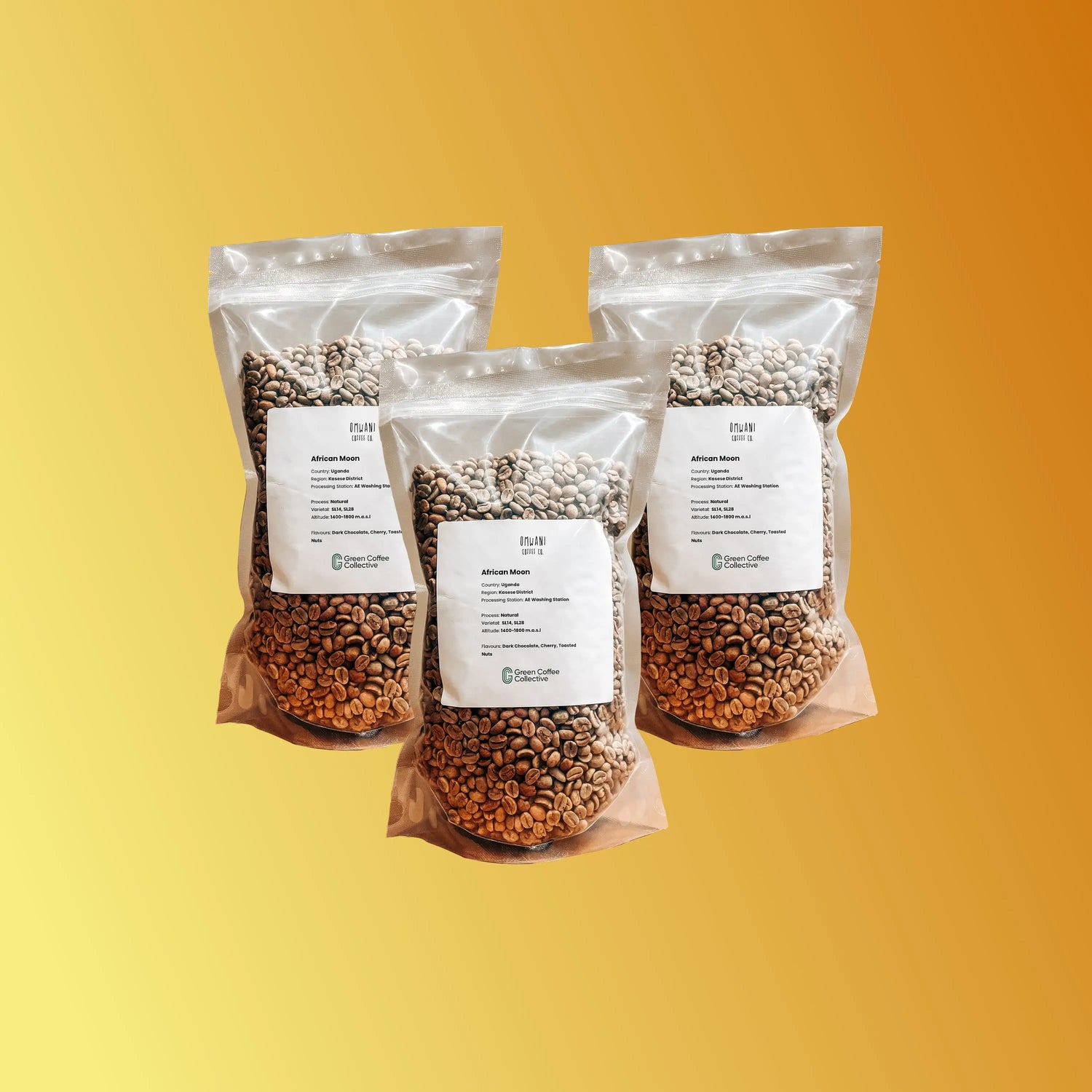
- Natural Process: Can work beautifully if well-executed, bringing bold fruit intensity and deeper body, though sometimes less clarity.
- Experimental & Anaerobic: Often produce wild, fruit-forward profiles ideal for adventurous brewers, but may introduce funky or fermented notes that require roasting finesse.
- Decaf: Generally less ideal due to muted aromatics and lower acidity, though high-quality decaf options do exist for speciality filter use.
Washed and high-quality honey-processed beans tend to be the most consistent choices for this method due to their transparency and vibrant expression.
Roasting Considerations
Green coffee beans chosen for fruity filter brewing typically perform best at lighter roast levels. Roasting too dark can mask the fruit notes and acidity that define this method. Look for beans that can:
- Develop sweetness early in the roast without requiring deep caramelization
- Hold up under light roast profiles without becoming grassy or underdeveloped
- Preserve their original character and fruit signature through careful heat control
In short, a light to medium roast allows these beans to express their full potential when brewed as a filter.