Malawi Green Coffee Beans

Malawi Green Coffee Beans

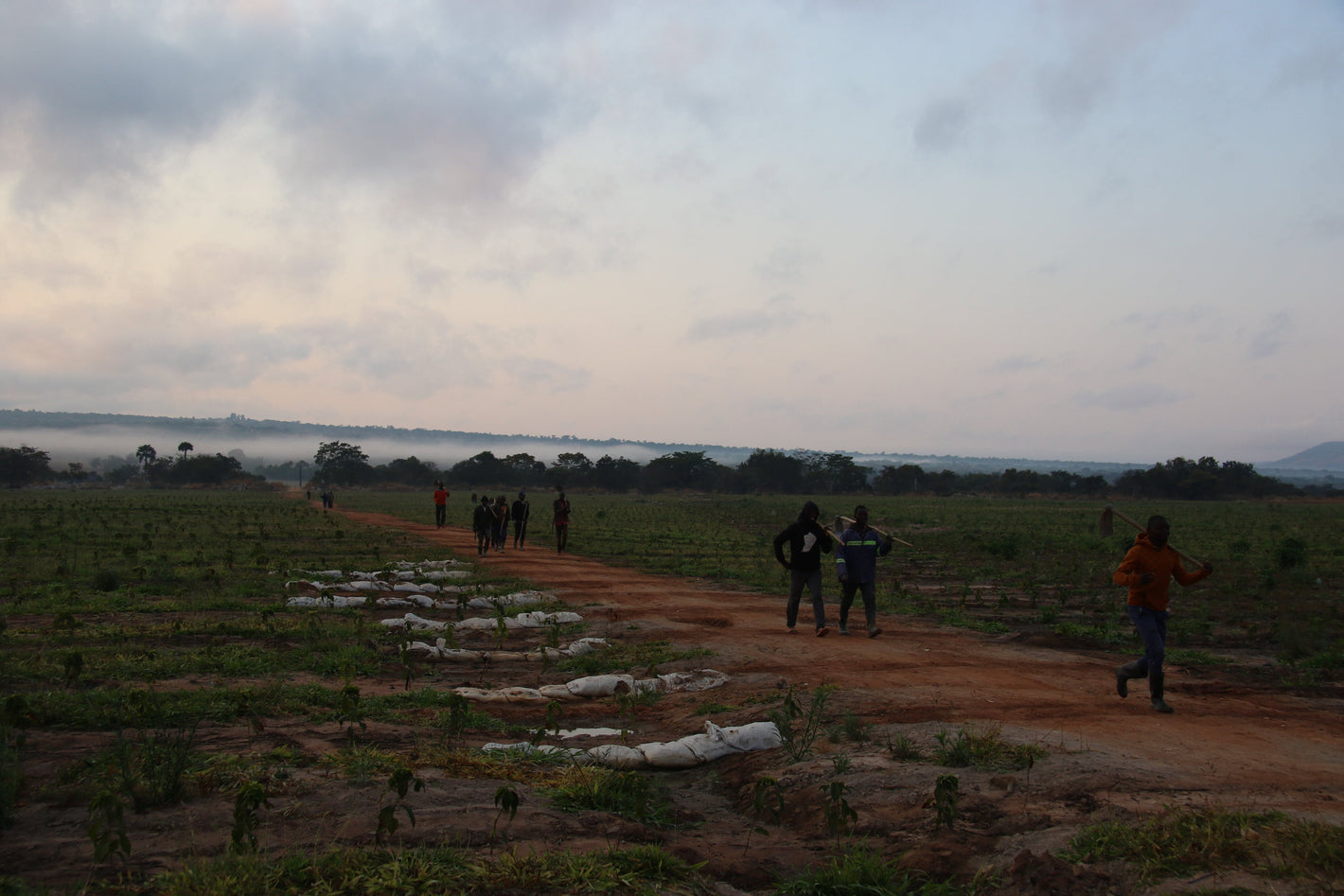
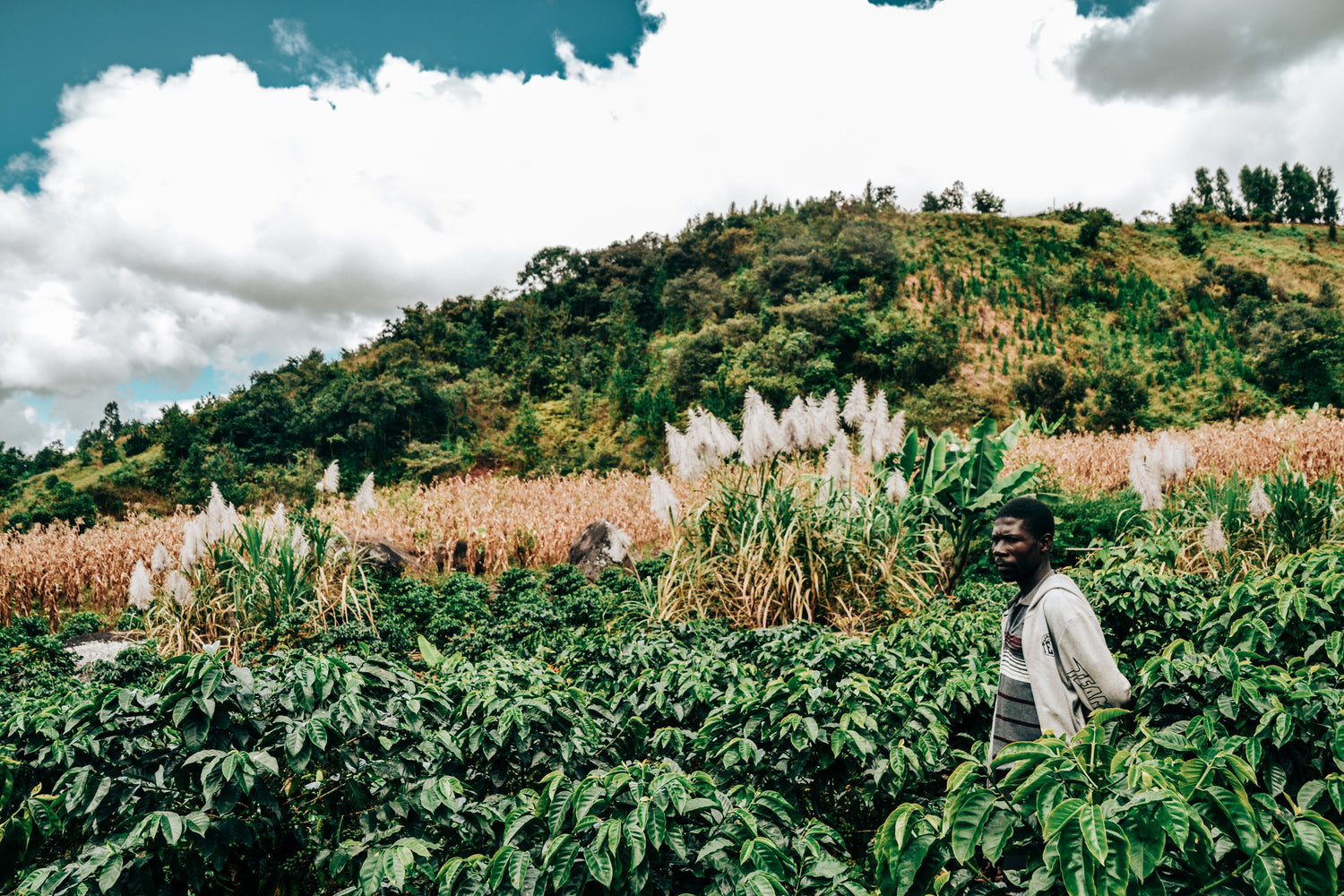
Malawi produces coffee on a small but meaningful scale, with most cultivation taking place in the southern regions of the country. Farms range from smallholder plots organised through co-operatives to a handful of larger estates that process both their own and locally sourced coffee. Lower elevations and varied varieties create flavour profiles that are gentle, sweet and often floral. While Malawi’s overall production has declined over recent decades, there is renewed interest in rebuilding quality and improving stability for farmers.
Möchtest du sparen?

Stell dir dein eigenes Bundle zusammen. Wähle aus einer großen Auswahl sorgfältig kuratierter Kaffees aus über 30 Ländern und spare bis zu 25%.

Bundle erstellen
  • What Makes Malawi Coffee Special?

    Malawi’s coffee may not be produced in large quantities, but its quality is truly remarkable. Each bean reflects the dedication and skill of smallholder farmers who work tirelessly despite facing significant challenges, including underdeveloped infrastructure and the vulnerability of their crops. The result is a coffee experience unlike any other, marked by sweet, floral, and spicy notes. Malawian coffee is more than a beverage; it’s a testament to the resilience and craftsmanship of its growers, offering a rich, flavorful experience that lingers with every sip.

  • What Is the History of Coffee in Malawi?

    The story of coffee in Malawi began in the late 19th century, when coffee seeds were brought from the Royal Botanic Gardens in Edinburgh. Over the years, the industry grew under British colonial influence, but it wasn’t until Malawi gained independence in 1964 that real progress was made for its smallholder farmers. With the creation of the Smallholder Coffee Authority, farmers gained better support and a stronger organisational structure.
    However, the journey has not been without setbacks. During the 1980s and 1990s, coffee wilt disease devastated plantations, leading to a significant decline in production as Malawi entered the 21st century. Even today, the nation remains a relatively small player in the global coffee market, with its production hindered by high crop mortality rates. Despite this, the coffee Malawi does produce is renowned for its unique flavor, offering sweet, delicate, and floral notes with hints of spice and liquorice that captivate coffee lovers around the world.

  • What varieties are grown in Malawi?

    Arabica is the primary species grown, including Caturra, Catuai and Catimor - the latter widely used due to its resistance to leaf rust. Some SL28 and SL34 are grown in limited quantities, along with small plantings of Gesha. Smallholders tend to manage a mix of varieties, which can make lot separation more complex. However, with attentive picking and sorting, there is clear potential for quality.


  • How Do We Source Coffee from Malawi?

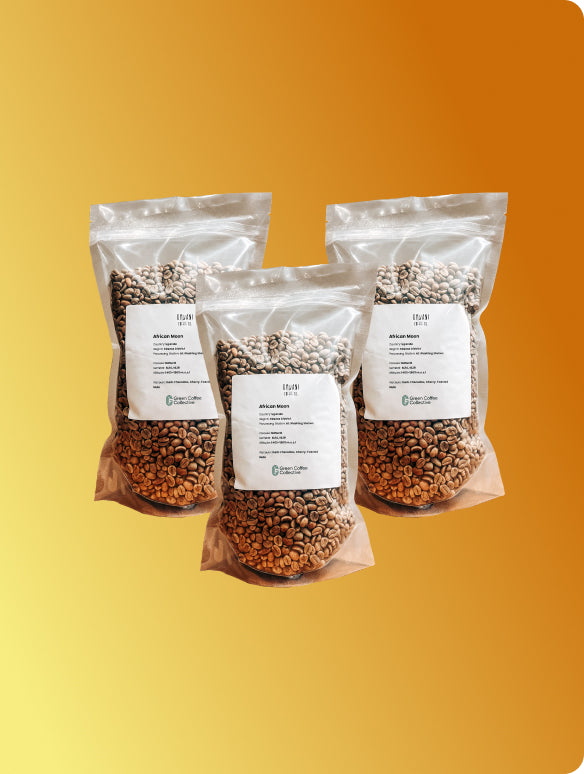
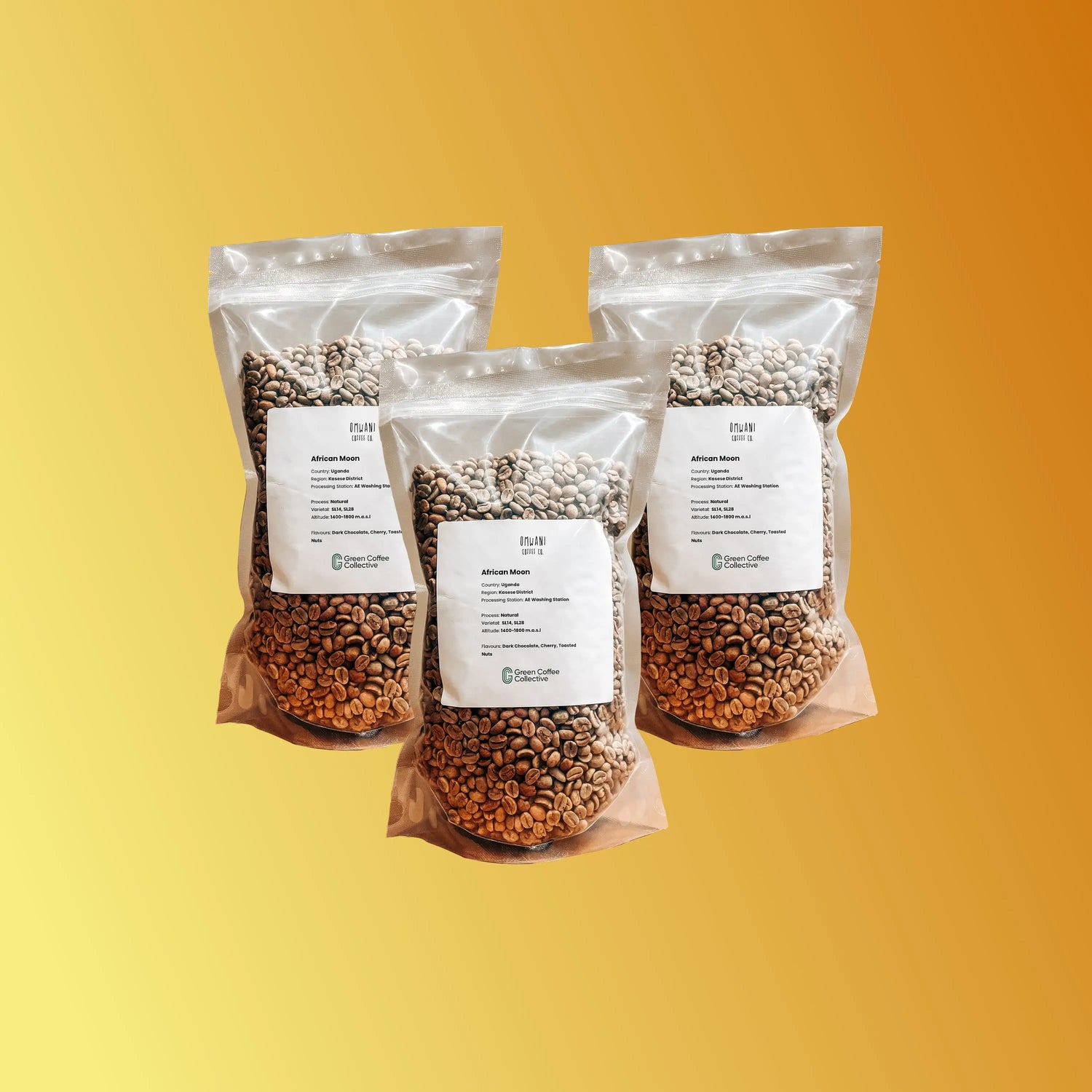
    We’re proud to source our Malawian coffee through our trusted partner, Omwani Coffee Co. Omwani specializes in connecting with smallholder farmers across East Africa, and their mission aligns perfectly with our commitment to quality and ethical sourcing. Through Omwani, we’re able to ensure that every bean we offer is not only exceptional in flavor but also produced with care and responsibility.
    Omwani works directly with farming cooperatives and smallholder farmers, building strong relationships based on trust and mutual benefit. Their approach prioritizes fair compensation and sustainable practices, empowering farmers to improve their livelihoods while preserving the environment. By focusing on quality and transparency, Omwani ensures that each step of the supply chain supports the people and communities behind the coffee.
    For us, this partnership means we can bring you coffee that truly embodies the essence of Malawi. It’s not just about the rich, sweet, and floral flavors—it’s about the stories, dedication, and resilience of the farmers who make it all possible. Thanks to Omwani’s expertise and ethical sourcing practices, we can share these exceptional coffees with you, knowing that they’re making a positive impact from farm to cup.

  • Zambia Green Coffee Beans

    Zambia Green Coffee Beans

    Clean, balanced coffees with real potential for quality and distinctive regional expression.

  • African Green Coffee Beans

    Afrikanischer Rohkaffee

    Lebendige, komplexe Kaffees mit weinähnlicher Süße und heller Säure – Afrika in seiner charakteristischsten Form.

  • Uganda Green Coffee Beans

    Uganda Green Coffee Beans

Deine Fragen, beantwortet

Can you facilitate custom sourcing for specific regions in Malawi or processing methods?

Of course! Malawi is known for its unique coffee culture so whether you want to source a specific varietal or coffee from a particular region, we have extensive experience and a network of trusted partners in Malawi who can help you find exactly what you need. Just reach out to us at hello@greencoffeecollective.com, and we’ll work with you to explore the best options and help you achieve the perfect cup.

Was ist das Green Coffee Collective?

Wir sind eine Gemeinschaft aus Kaffeebauern und Beschaffungsexperten, die zusammen daran arbeiten, den Zugang zu Rohkaffee so einfach wie möglich zu machen – egal ob du zu Hause als Hobby röstest oder als Profi hunderte Tonnen im Jahr verarbeitest. Unsere Plattform macht den Einkauf von Rohkaffee so unkompliziert wie jeden anderen Onlinekauf. Kein Aufwand, nur großartiger Kaffee – direkt für dich verfügbar.

Do you offer samples or trial batches before committing to larger orders?

Yes, we offer samples for most of our coffees. If you need a larger sample than what’s typically available, we recommend trying one of the smaller quantity options listed on our site. That way, you can test the coffee before committing to a larger order.

What is your minimum order quantity (MOQ) for large-scale or long-term contracts?

For larger-scale or long-term contracts, you can start with as little as a single bag. We’re also working on tools to help you access harvests and reserve coffees before they even leave the country. While it’s not fully ready yet, we’re always here to help roasters of any size connect with the producers they want to work with.

When is the Malawi coffee harvest?

Harvest usually begins in April and continues through to September.

How much coffee does Malawi produce annually?

Roughly 2,000 tonnes per year, most of which is exported. Domestic consumption is comparatively small, though coffee culture within Malawi is growing.