Zambia Green Coffee Beans

Zambia Green Coffee Beans

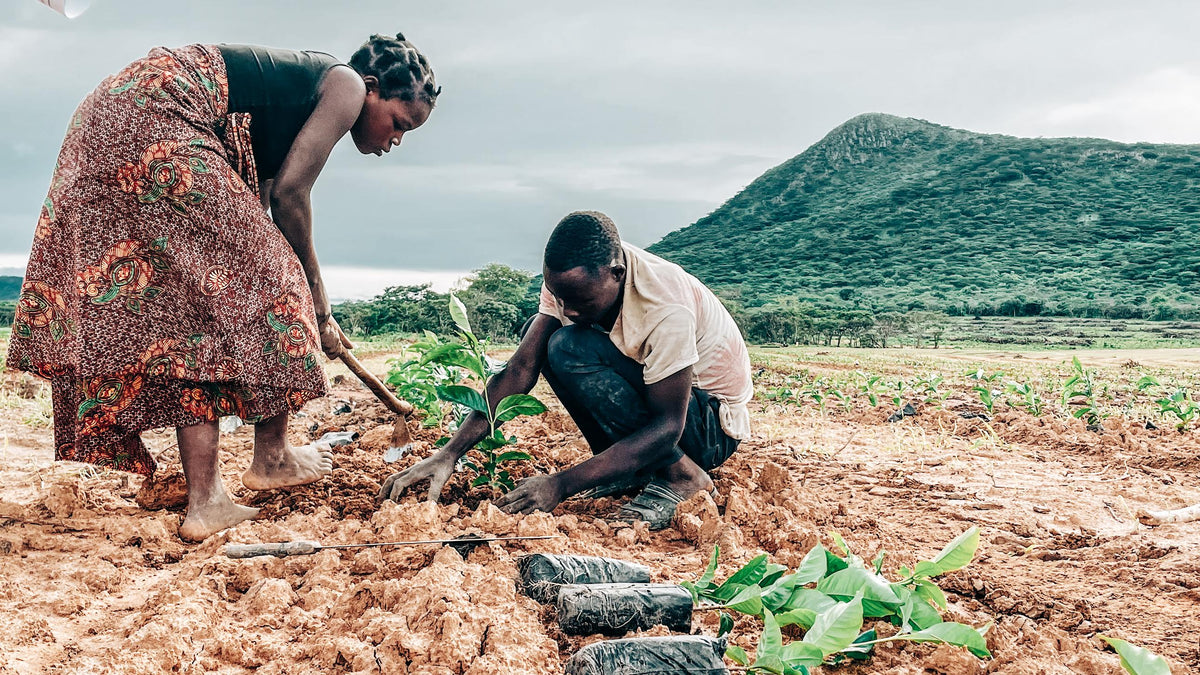
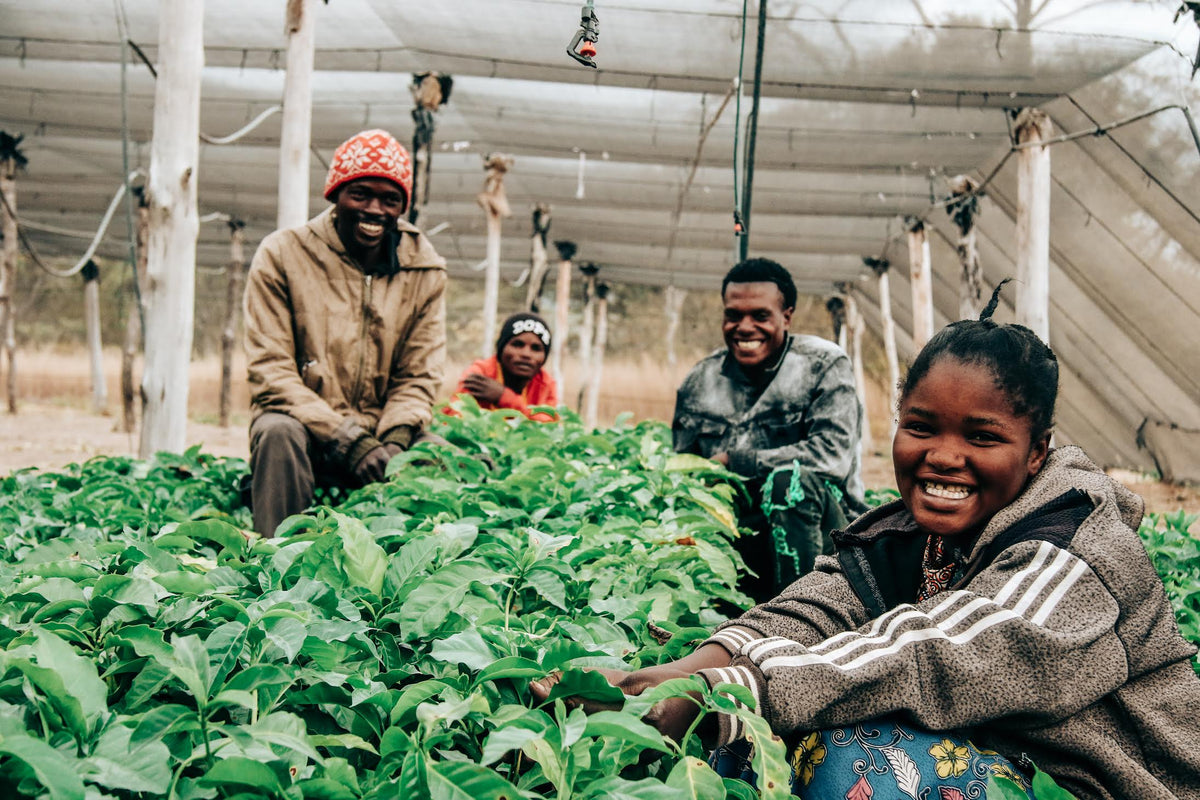
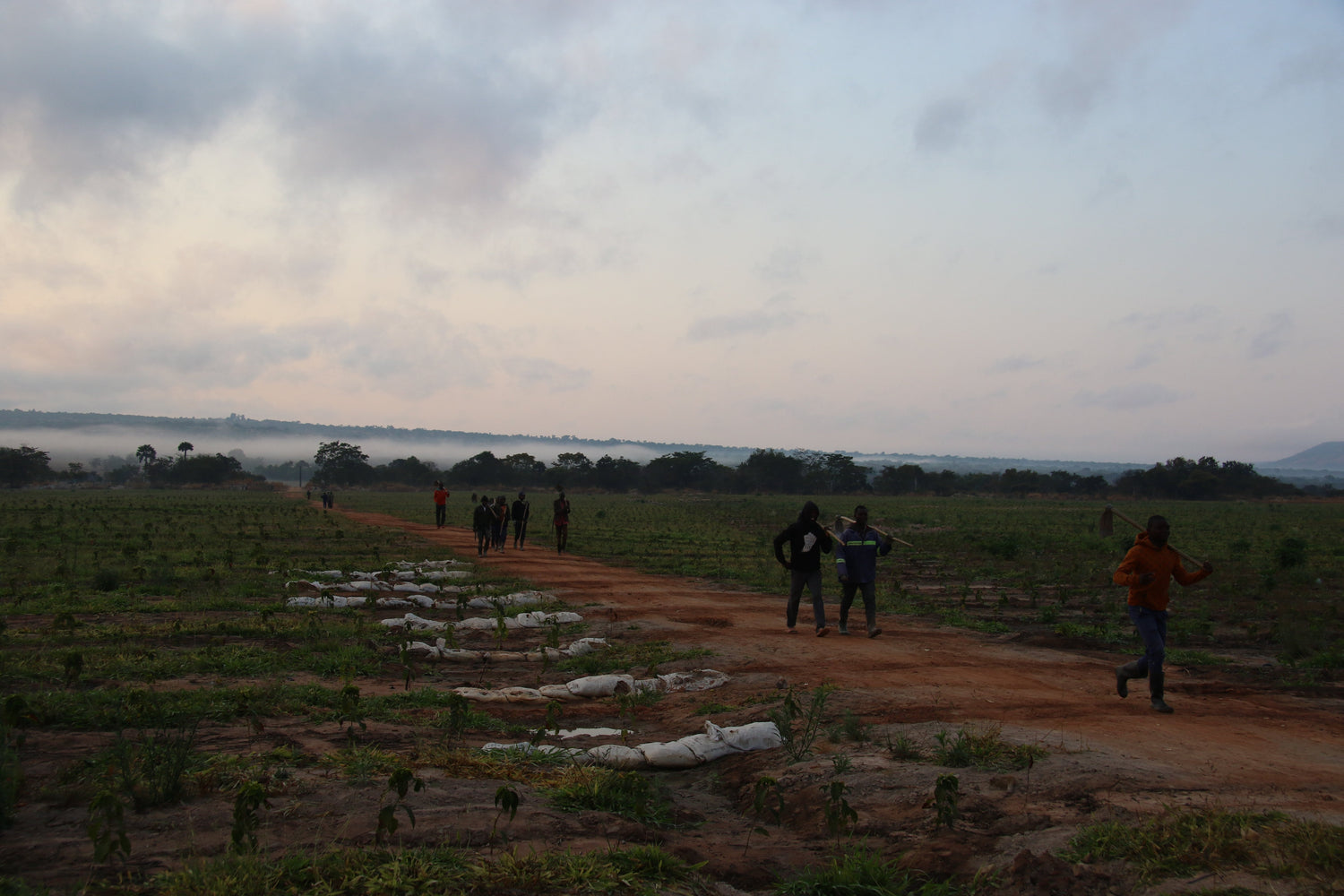
Zambia is a small but promising coffee origin. Most production takes place in the Muchinga Mountains of Northern Province, where high altitudes and reliable rainfall support slow maturation and clean, sweet cup profiles. Coffee is grown by a mix of smallholder farmers and several large estates, with harvests typically running from May to September. While volumes remain limited, Zambia offers genuine potential for distinctive, high-quality coffees.

Möchtest du sparen?

Stell dir dein eigenes Bundle zusammen. Wähle aus einer großen Auswahl sorgfältig kuratierter Kaffees aus über 30 Ländern und spare bis zu 25%.

Bundle erstellen
  • What is the history of Zambian coffee?

    Coffee was introduced to Zambia, then known as Northern Rhodesia, during the 1970s as part of a World Bank initiative aimed at diversifying the country’s economy. At the time, Zambia relied heavily on its abundant copper deposits for exports, a trend that continues today—copper accounted for 73% of the country’s exports in 2020. While coffee has become a part of Zambia’s agricultural output, it has not reached the same economic significance as copper.

    The Zambian coffee industry faces significant challenges, including limited access to finance and investment, which have hindered its growth. These obstacles, alongside other issues, contribute to Zambia’s relatively small coffee production compared to other coffee-growing nations.

  • What is the flavour profile of Zambian coffee?

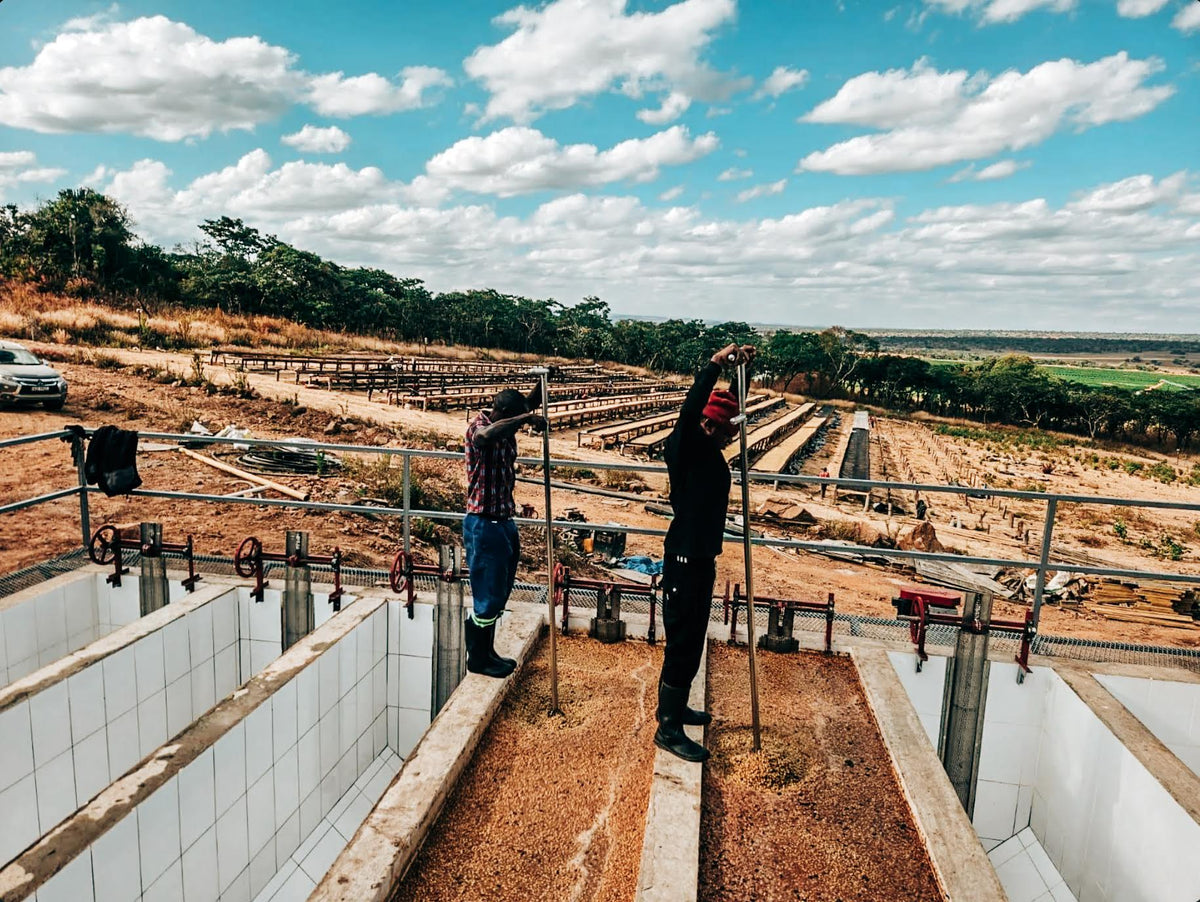
    Zambian coffee offers a flavor profile that is full-bodied with sweet, mild acidity and a moderate level of complexity. It features fruity notes, often emphasizing citrus and berry accents, yet is less bright and acidic than many other East African coffees. Typically, Zambian coffee is washed, which enhances its clean and balanced flavor. Common varietals include SL-28, originally from Kenya, and Catimor, which is valued for its resistance to pests and diseases.

  • Where is coffee grown in Zambia?

    Most of Zambia’s exportable coffee - approximately 97% - comes from the Northern Province. This region benefits from its proximity to the equator and high altitudes, including the Mafinga Hills, which rise to 2,300 meters above sea level, making it an ideal location for growing high-quality arabica coffee.

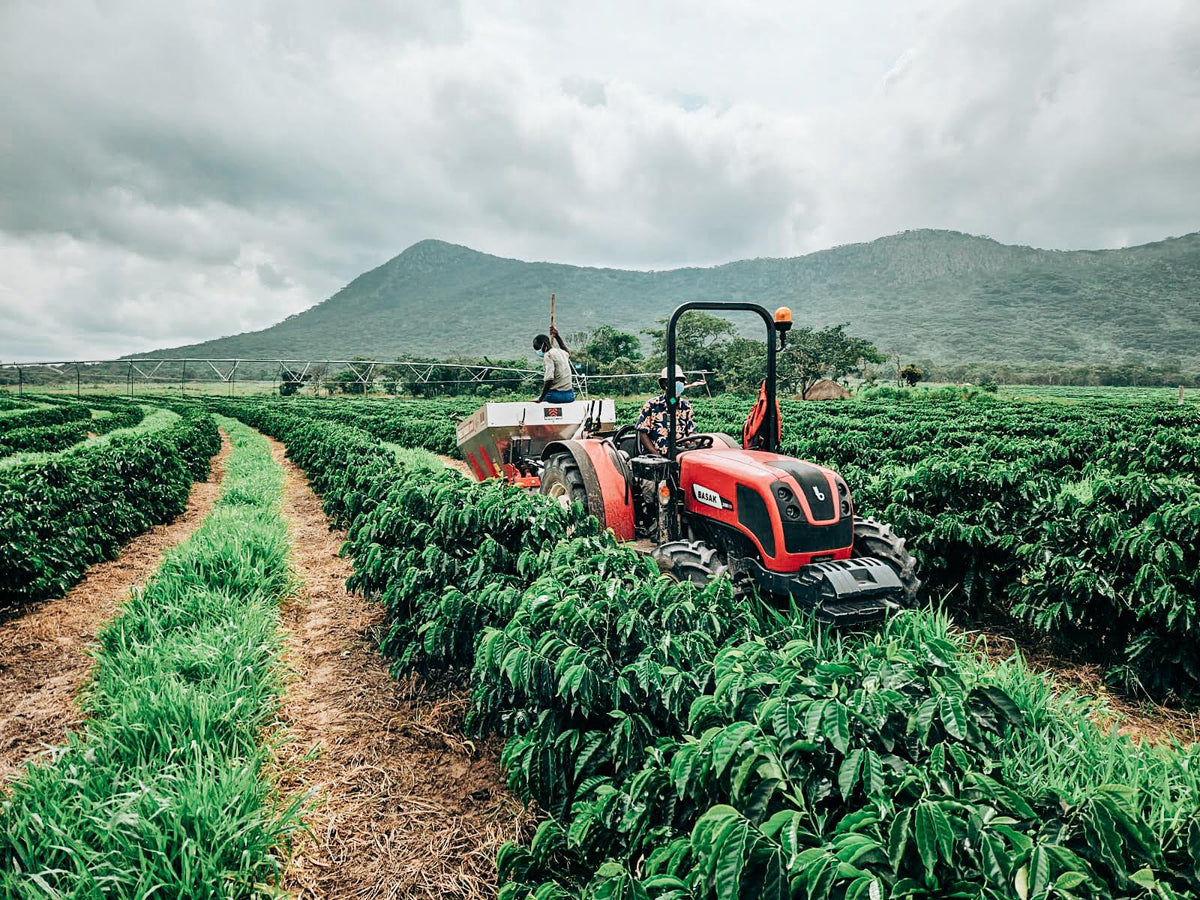
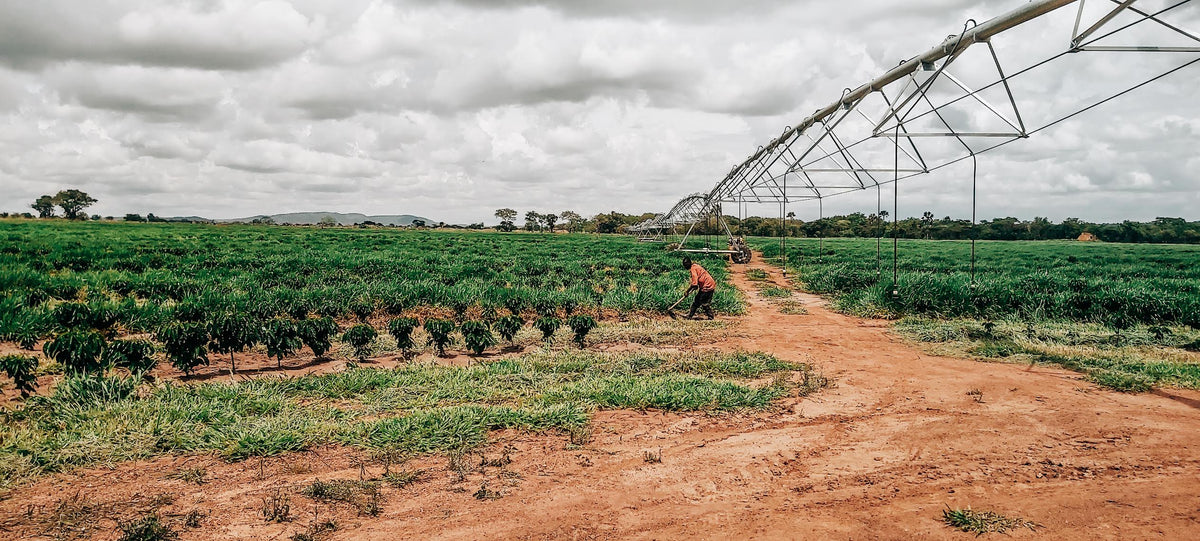
    In Sereje, coffee grows at an average elevation of 1,420 meters above sea level with an annual rainfall of 1,200 mm. Farms in this area often intercrop coffee with macadamia trees, using natural materials like grass and macadamia off-cuts as mulch to retain soil moisture. This sustainable practice helps produce beans with juicy, berry-like acidity and complex flavors.

    The Southern Province, while better known for maize and other commercial crops, is home to a handful of smaller coffee estates. Though less prominent than other regions, these estates contribute to Zambia’s growing reputation in the specialty coffee sector.

  • How did coffee production develop in Zambia?

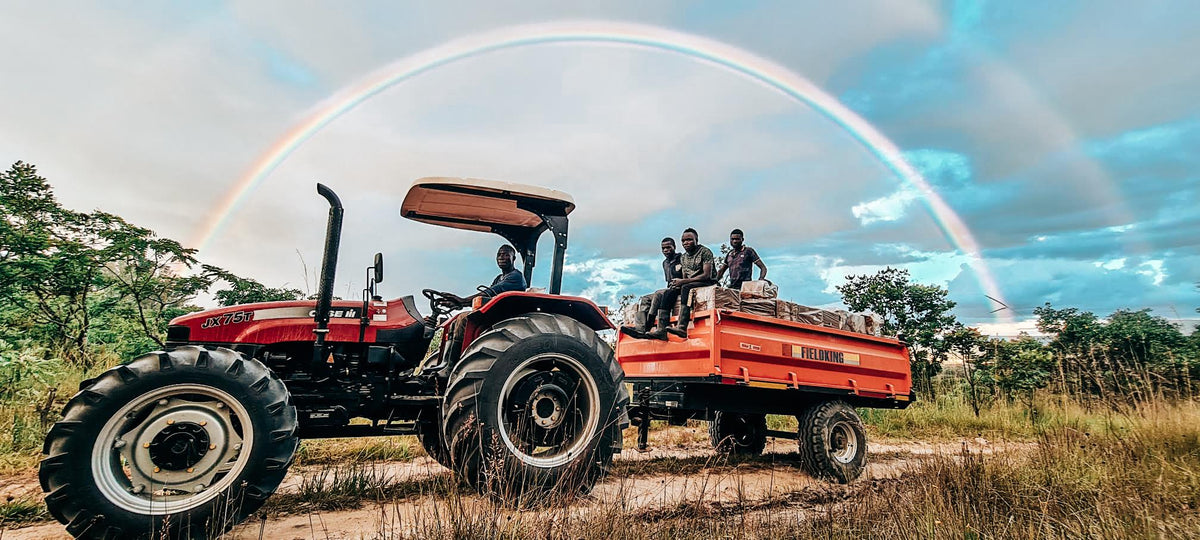
    Zambia’s modern coffee sector grew through development projects in the 1970s, supported by the World Bank, the Zambian government and later the UN’s Food and Agricultural Organisation. These investments helped establish infrastructure, research and farmer training, which led to a rise in smallholder cultivation. When funding withdrew and a drought hit in 2005–2006, many farmers shifted back to more stable food crops. As a result, annual production today is small - but the foundations for growth remain.

  • What makes Zambia a region of potential?

    Zambia has the climate, altitude and water resources needed for high-quality coffee, yet it remains underdeveloped as a producing origin. This creates room for producers and buyers willing to invest in long-term relationships and quality improvements. With thoughtful processing, careful harvesting and stable support for farmers, Zambia can produce coffees that are clean, sweet and expressive.

  • South Africa Green Coffee Beans

    South Africa Green Coffee Beans

    A rare origin with small-scale production and distinctive flavour shaped by climate and geography.

  • African Green Coffee Beans

    Afrikanischer Rohkaffee

    Lebendige, komplexe Kaffees mit weinähnlicher Süße und heller Säure – Afrika in seiner charakteristischsten Form.

  • Ethiopia Green Coffee Beans

    Äthiopischer Rohkaffee

    Helle, aromatische Rohkaffees aus Äthiopien – komplex, hoch gewachsen und voller Frucht- und Blütennoten.

Deine Fragen, beantwortet

Was ist das Green Coffee Collective?

Wir sind eine Gemeinschaft aus Kaffeebauern und Beschaffungsexperten, die zusammen daran arbeiten, den Zugang zu Rohkaffee so einfach wie möglich zu machen – egal ob du zu Hause als Hobby röstest oder als Profi hunderte Tonnen im Jahr verarbeitest. Unsere Plattform macht den Einkauf von Rohkaffee so unkompliziert wie jeden anderen Onlinekauf. Kein Aufwand, nur großartiger Kaffee – direkt für dich verfügbar.

Unterstützt ihr beim Aufbau von Direct-Trade-Beziehungen mit Produzenten?

Ja, wir stellen sehr gerne den Kontakt her! Wenn du direkt mit einem unserer Produzenten zusammenarbeiten möchtest, schick uns einfach eine E-Mail an (hello@greencoffeecollective.com) und wir unterstützen dich bei der Verbindung. Bei größeren Mengen helfen wir auch bei Logistik und allen weiteren Details, die beim direkten Einkauf entstehen können.

Do you offer samples or trial batches before committing to larger orders?

Yes, we offer samples for most of our coffees. If you need a larger sample than what’s typically available, we recommend trying one of the smaller quantity options listed on our site. That way, you can test the coffee before committing to a larger order.

What is your process for ensuring consistency between lots or harvests?

We work closely with our sourcing partners to make sure we’re always offering top-quality coffee. Most of the partners you’ll find on our site have years of experience in their regions, and they use that expertise to access the best coffees available each season. Their deep relationships with producers help maintain consistency in both quality and supply.

What is your minimum order quantity (MOQ) for large-scale or long-term contracts?

For larger-scale or long-term contracts, you can start with as little as a single bag. We’re also working on tools to help you access harvests and reserve coffees before they even leave the country. While it’s not fully ready yet, we’re always here to help roasters of any size connect with the producers they want to work with.

When is the Zambia coffee harvest?

Harvest typically runs from May to September.

How much coffee does Zambia produce annually?

Around 1,500 tonnes per year. This is small compared with neighbouring origins, which is why Zambian coffees are less commonly seen in international markets.