Bolivia Green Coffee Beans

Bolivia Green Coffee Beans

Bolivia produces small volumes of high-altitude coffee with clean sweetness and gentle fruit character. Most farms are based in the Yungas region, where cool nights and rich soils support slow cherry development and layered flavour. We offer these coffees in both wholesale volumes and smaller sizes for home roasting, giving you access to distinctive, traceable lots from one of South America’s most limited and expressive origins.

Keine Produkte gefunden
Verwende weniger Filter oder entferne alle
Möchtest du sparen?

Stell dir dein eigenes Bundle zusammen. Wähle aus einer großen Auswahl sorgfältig kuratierter Kaffees aus über 30 Ländern und spare bis zu 25%.

Bundle erstellen
  • What is special about Bolivian coffee?

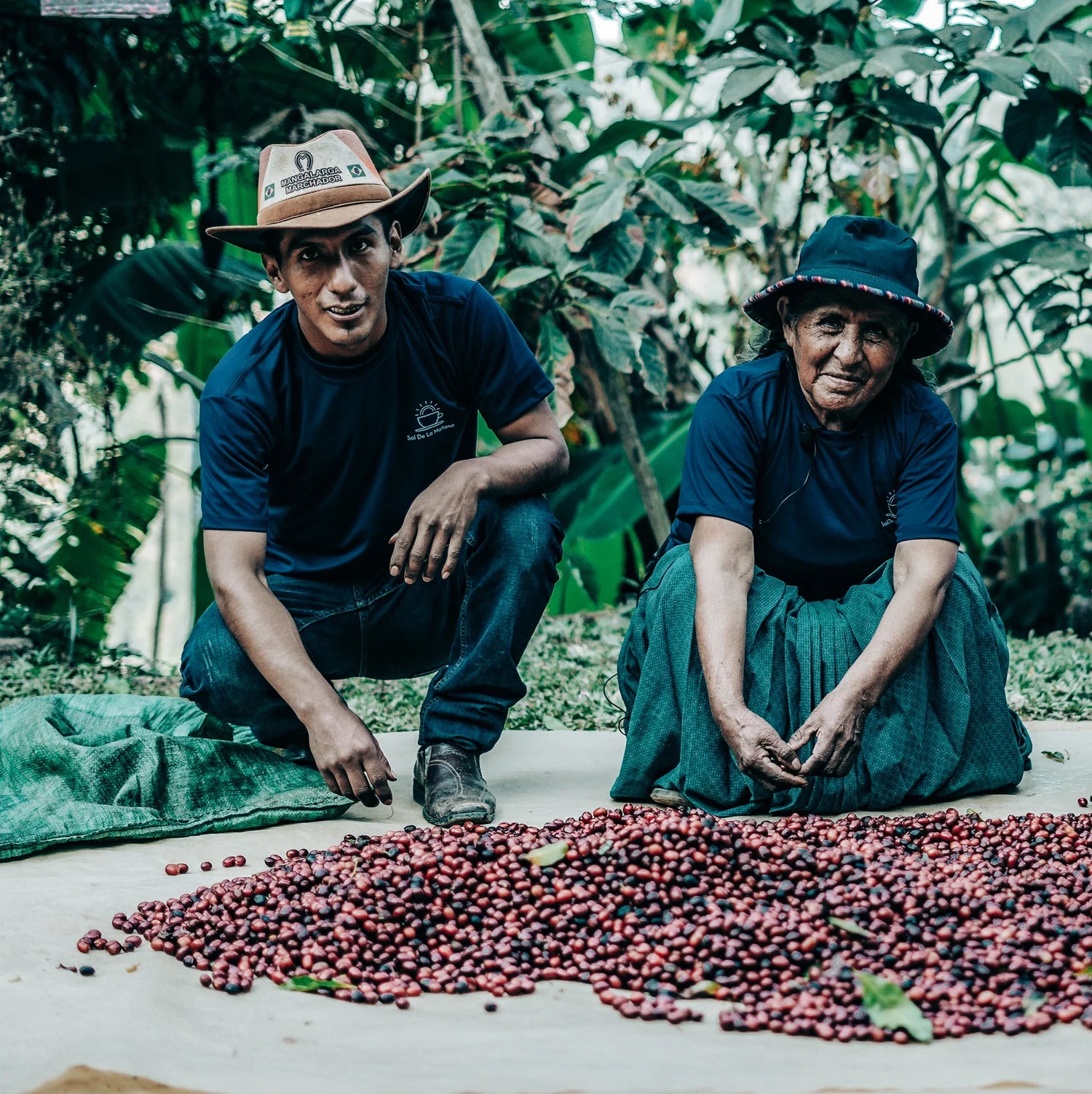
    Bolivia produces some of the highest-altitude coffee in the world, grown in regions where steep valleys, rich soil and wide daily temperature swings create ideal conditions for high-quality cultivation. Farms in the Yungas and Samaipata are typically small and community-organised, with deep knowledge passed through generations. Many producers come from Aymara communities, where a close relationship to the land has shaped organic farming practices long before external certification existed.

    Production is small and the supply chain is fragile. Over the past decade, coffee in Bolivia has faced real challenges, from leaf rust and climate pressure to the growth of coca farming and limited state support. Yet there is strong momentum behind a new wave of specialty production, driven by farmers who are determined to protect quality and identity. The coffees that make it out of the country today are carefully managed, distinct, and often exceptional.

  • What’s our relationship with Bolivia and its coffee producers?

    We source our Bolivian coffees through Conscious with Coffee, a small sourcing team who work directly with producers at origin. Their approach is hands-on and relationship-led, shaped by time spent living and working alongside smallholder farmers across South America. They specialise in building long-term partnerships with family-run and community-led projects, with a commitment to paying sustainable prices and supporting producers beyond the point of purchase. The lots we bring in are small, traceable and produced with care from farm through to export, with quality and transparency prioritised at every stage.

  • How do you provide cupping information for Bolivian coffees?

    Conscious with Coffee provide full cupping evaluations from their own lab, which we then re-cup here before the coffee is added to our offering. This ensures consistency and helps us share accurate, up-to-date sensory information with roasters. All cupping details are listed directly on each coffee page so you can make informed sourcing decisions.

  • Why do Bolivian coffees tend to be more expensive?

    Specialty coffee production in Bolivia is small, remote, and labour-intensive. Most farms are high in the Yungas and Samaipata, where steep terrain and limited road infrastructure make farming and transport slow and costly. Labour costs are also higher here than in neighbouring countries. Coffee production competes directly with coca, which is easier to harvest and more profitable for many families, so those who choose to grow coffee are often doing so with care and intention rather than scale. The result is a very limited supply of high-quality coffee that requires more work to produce and move. Prices reflect this reality and help ensure that farmers can continue to grow coffee sustainably.

  • Where is coffee grown in Bolivia

    Most of Bolivia’s specialty coffee comes from the Yungas, a steep, forested region on the eastern side of the Andes. The high elevation and cool nights here slow down cherry maturation, which helps build sweetness and clarity in the cup. Within the Yungas, areas such as Caranavi and Larecaja have become recognised for producing some of the country’s most consistent and expressive coffees. Production outside the Yungas does exist, but it is much smaller in scale. The geography makes farming and transport challenging, but it also plays a central role in the quality that Bolivia is known for.

  • What processing methods are most common in Bolivia, and how are newer natural and experimental lots emerging?
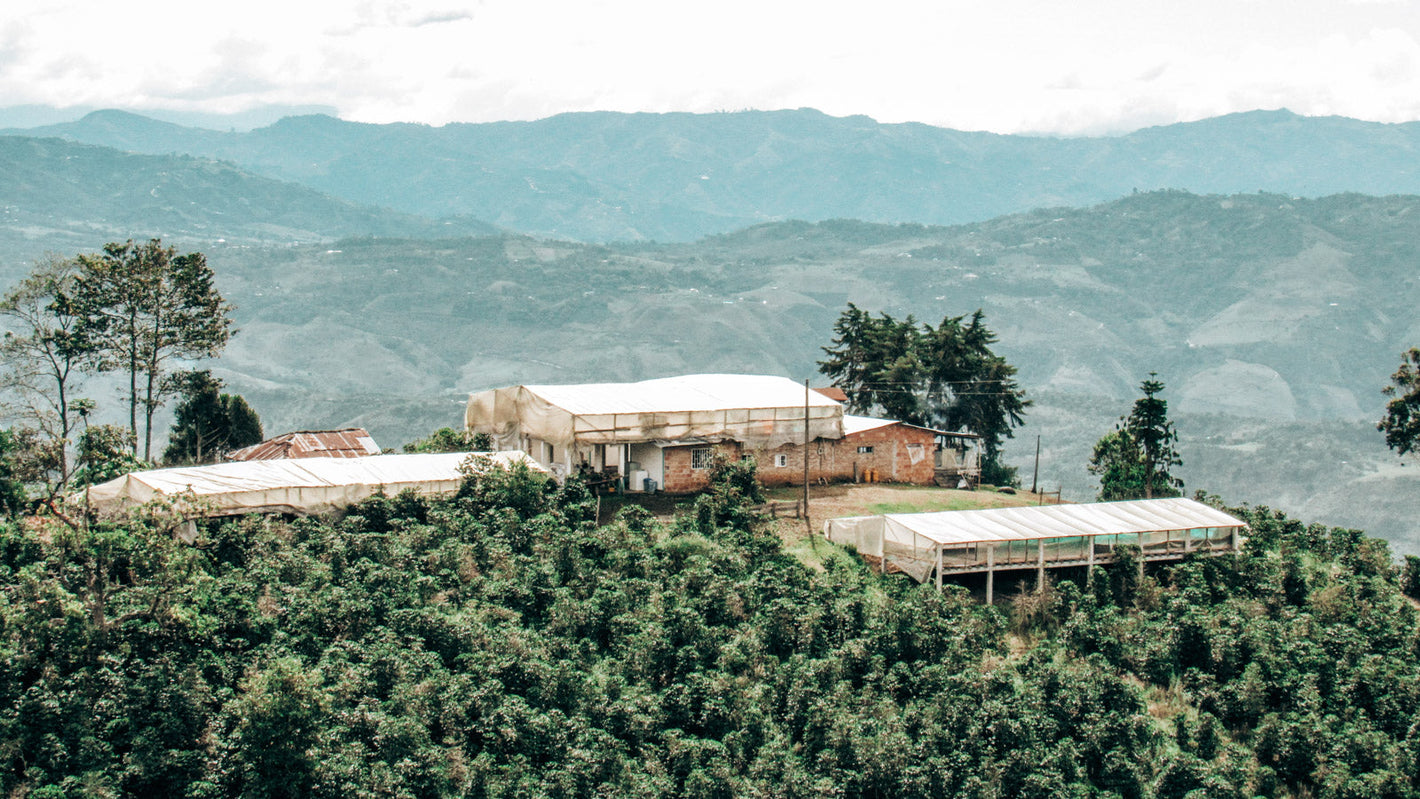
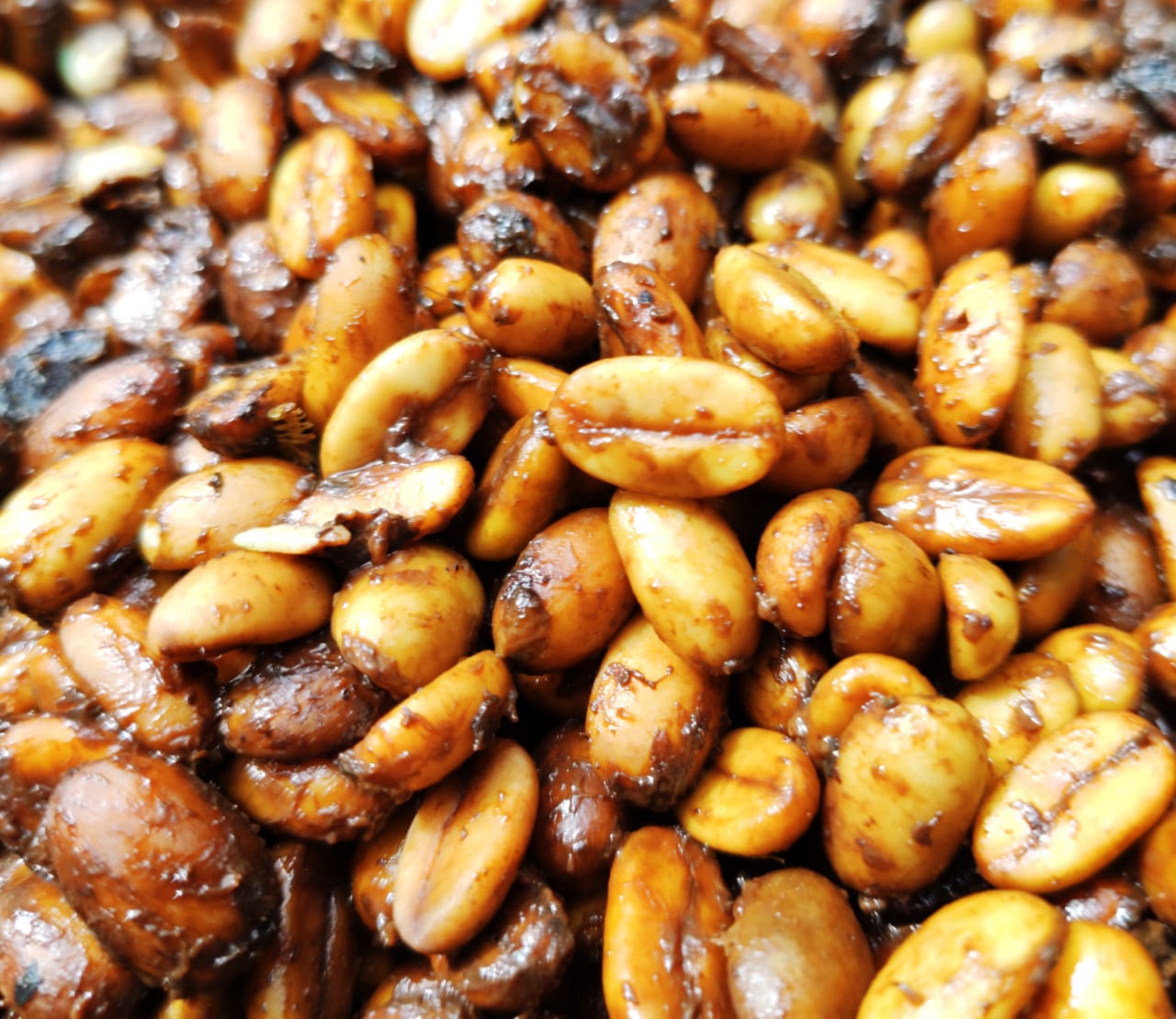
    Washed processing has long been the standard in Bolivia, producing clean cups with gentle acidity and structured sweetness. However, as access to drying infrastructure and processing knowledge has improved, more producers are experimenting with natural and controlled fermentation methods. These newer lots are still limited in volume, but they add variety and offer fruit-forward, textured profiles alongside the country’s more classic washed coffees.

  • South American Green Coffee Beans

    Südamerikanische Rohkaffeebohnen

    Sanfte Schokolade, helles Zitrus und kräftige Fruchtnoten – eine Region voller Vielfalt, Höhenlagen und innovativer Aufbereitung.

  • Peru Green Coffee Beans

    Peru Green Coffee Beans

  • Brazil Green Coffee Beans

    Brazil Green Coffee Beans

    Brazilian coffees known for chocolatey depth, low acidity, and versatility across a range of profiles.

Deine Fragen, beantwortet

Are Bolivian coffees suitable for both home and professional roasting?

Yes. Bolivian coffees are grown at high altitude and tend to be dense with good cell structure. They respond well to steady heat application and clear development, so they roast cleanly whether you’re using a small home roaster or a professional drum roaster. They are expressive without being difficult to control.

Do Bolivian coffees work better for filter or espresso?

They generally suit filter very well because of their clarity, sweetness and gentle fruit character at lighter roast levels. With slightly longer development, they can make a refined and sweet espresso, especially if you prefer definition over heaviness. In milk-based drinks, the flavour remains delicate rather than bold.

When is the Bolivian harvest and when do fresh coffees arrive?

Harvest typically runs from May to September. Coffees are milled and ready to ship from October. Journey by sea takes around 1 month, meaning they arrive at parts from late October/ early November.

Was ist das Green Coffee Collective?

Wir sind eine Gemeinschaft aus Kaffeebauern und Beschaffungsexperten, die zusammen daran arbeiten, den Zugang zu Rohkaffee so einfach wie möglich zu machen – egal ob du zu Hause als Hobby röstest oder als Profi hunderte Tonnen im Jahr verarbeitest. Unsere Plattform macht den Einkauf von Rohkaffee so unkompliziert wie jeden anderen Onlinekauf. Kein Aufwand, nur großartiger Kaffee – direkt für dich verfügbar.